Plant Scientist’s Guide to Coral Bells (Heuchera ‘Citronelle’)
As a plant scientist, I am always fascinated by the incredible diversity and beauty of plants in the natural world. Among the vast array of botanical wonders, coral bells (Heuchera ‘Citronelle’) stands out as a plant that not only captivates with its striking appearance but also offers a range of practical and aesthetic benefits. In this comprehensive guide, we will delve into the captivating world of coral bells, exploring its culture, uses, care requirements, and much more.
What is Coral Bells (Heuchera ‘Citronelle’)?
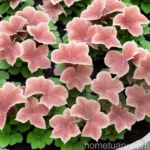
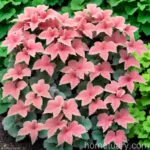
Coral bells (Heuchera) are herbaceous perennial plants that belong to the family Saxifragaceae. These plants are native to North America and are renowned for their vibrant foliage and delicate, bell-shaped flowers. Among the many cultivars of coral bells, Heuchera ‘Citronelle’ stands out for its distinct chartreuse or lime green leaves, making it a popular choice for adding a splash of color to gardens, landscapes, and containers.
Key Takeaways
Here are the key takeaways for coral bells (Heuchera ‘Citronelle’), which we will explore in detail throughout this guide:
- Culture: Understanding the preferred growing conditions for coral bells.
- Uses: Exploring the versatile uses of this plant in various settings.
- Water: Discussing the watering needs for optimal growth.
- Sunlight: Identifying the light requirements for Heuchera ‘Citronelle’.
- Fertilizer: Learning about the nutritional requirements of coral bells.
- Soil: Examining the ideal soil conditions for thriving coral bells.
- Pruning: Guidelines for maintaining the health and appearance of the plant.
- Propagation: Understanding the methods for propagating Heuchera ‘Citronelle’.
- Container Popularity: Exploring the plant’s suitability for container gardening.
- Common Diseases: Identifying potential diseases affecting coral bells and their management.
- Common Pests: Recognizing common pests that may target these plants.
- Botanist’s Tips: Expert insights and tips for cultivating and caring for coral bells.
- Fun Facts: Interesting and unique aspects of Heuchera ‘Citronelle‘.
- Links to External Resources: Additional references and resources for further exploration.
Now, let’s embark on a botanical journey to uncover the intricacies of coral bells and gain a deeper understanding of the care and cultivation of Heuchera ‘Citronelle’.
Culture of Coral Bells (Heuchera ‘Citronelle’)
Understanding the culture or preferred growing conditions of coral bells is essential for promoting healthy growth and vibrant foliage. Here’s what you need to know about the culture of Heuchera ‘Citronelle’:
- Water: Coral bells prefer consistently moist but well-drained soil. Overly wet or waterlogged conditions can lead to root rot, so it’s important to strike a balance in watering.
- Sunlight: These plants thrive in partial shade to full shade. In hotter climates, providing some morning sun and afternoon shade can be beneficial for maintaining the vivid coloration of the leaves.
- Soil: Well-drained, humus-rich soil with a slightly acidic to neutral pH is ideal for Heuchera ‘Citronelle. Amending the soil with organic matter can enhance its moisture-retention and nutrient-holding capabilities.
- Fertilizer: Applying a balanced, slow-release fertilizer in early spring can support healthy growth and vibrant foliage. However, it’s important not to over-fertilize, as excessive nutrients can lead to leggy growth and diminished color intensity.
Uses of Coral Bells (Heuchera ‘Citronelle’)
The versatile nature of coral bells makes them an invaluable addition to various settings, from formal landscapes to informal garden beds. Here are some key uses of Heuchera ‘Citronelle’:
- Garden Borders: The attractive foliage of Heuchera ‘Citronelle’ lends itself well to garden borders, where it can serve as a colorful edging or standout feature.
- Container Gardening: Its compact growth habit and striking leaves make Heuchera ‘Citronelle’ an excellent choice for container gardening, adding a pop of color to patio displays and mixed planters.
- Ground Cover: When planted en masse, coral bells can create a visually striking ground cover, especially in shaded or woodland settings.
- Mixed Plantings: Heuchera ‘Citronelle’ can be used in mixed plantings with other shade-loving perennials, such as hostas, ferns, and astilbes, to create visually captivating combinations.
- Erosion Control: In addition to its ornamental value, the dense root system of Heuchera ‘Citronelle’ can contribute to erosion control on slopes or embankments.
Watering Coral Bells (Heuchera ‘Citronelle’)
Proper watering is essential for maintaining the health and vigor of Heuchera ‘Citronelle. Here are some guidelines to ensure optimal watering practices:
- For newly planted coral bells, it’s crucial to provide regular water to support the establishment of their root system. This is particularly important during periods of dry weather.
- When watering, aim to keep the soil consistently moist but not waterlogged. Overly wet conditions can lead to root rot and other complications.
- Mulching around the base of the plant can help retain soil moisture and reduce the frequency of watering, especially during warmer months.
- During periods of prolonged drought or high temperatures, monitor the soil moisture closely and provide supplementary watering as needed to prevent stress and dehydration.
Sunlight Requirements for Coral Bells (Heuchera ‘Citronelle’)
Understanding the sunlight requirements of Heuchera ‘Citronelle’ is crucial for ensuring the plant’s vitality and visual appeal. Here’s what you need to know about its light preferences:
- Partial Shade to Full Shade: Coral bells, including Heuchera ‘Citronelle’, generally thrive in partial to full shade conditions. In regions with intense summer heat, providing some morning sun and afternoon shade can help maintain the vivid coloration of the leaves.
- Filtered Light: When grown in containers or garden beds, providing filtered light or dappled shade can create an ideal environment for Heuchera ‘Citronelle.
Fertilizing Coral Bells (Heuchera ‘Citronelle’)
Fertilizing Heuchera ‘Citronelle’ is essential for supporting healthy growth and vibrant foliage. Here are some key considerations for fertilizing coral bells:
- Balanced Fertilizer: Apply a balanced, slow-release fertilizer in early spring, following the manufacturer’s recommendations. A formulation with equal or near-equal proportions of nitrogen, phosphorus, and potassium is suitable for promoting overall plant health.
- Avoid Over-Fertilization: It’s crucial not to over-fertilize coral bells, as excessive nutrients can lead to excessive vegetative growth at the expense of color intensity. Follow the recommended application rates and avoid applying fertilizer near the base of the plant to prevent potential burn.
Soil Requirements for Coral Bells (Heuchera ‘Citronelle’)
Creating an optimal growing environment through appropriate soil preparation is critical for the success of Heuchera ‘Citronelle. Here are the key soil requirements for coral bells:
- Well-Drained Soil: Coral bells thrive in well-drained soil that allows excess water to percolate away from the root zone. Avoid waterlogged or compacted soil, as this can lead to root rot and other issues.
- Humus-Rich Soil: Amending the soil with organic matter, such as compost or well-rotted leaf mold, can improve its structure and nutrient-holding capacity, providing an ideal growing medium for Heuchera ‘Citronelle.
- pH Level: Aim for a slightly acidic to neutral pH range, typically between 6.0 and 7.0, to create an environment conducive to healthy growth and nutrient uptake.
Pruning Coral Bells (Heuchera ‘Citronelle’)
Pruning plays a role in maintaining the health, aesthetics, and longevity of Heuchera ‘Citronelle. Here are some guidelines for pruning coral bells:
- Deadheading Spent Flowers: Removing spent flowers can promote continued blooming and prevent the plant from expending energy on seed production.
- Trimming Foliage: Trimming back any damaged or discolored foliage can help rejuvenate the plant’s appearance and encourage fresh growth.
- Spring Maintenance: In early spring, assess the plant for any winter damage and trim away any dead or damaged growth to promote new growth.
Propagating Coral Bells (Heuchera ‘Citronelle’)
Propagation is a fascinating aspect of cultivating plants and allows for the expansion of your garden or the sharing of plants with fellow gardening enthusiasts. Here are some methods for propagating Heuchera ‘Citronelle:
- Division: Dividing established clumps of coral bells is a reliable method of propagation. This is typically done in early spring to early summer, when the plant is actively growing, by gently separating the root ball into smaller sections and replanting them in suitable locations.
- Stem Cuttings: Taking stem cuttings from healthy, actively growing plants and propagating them in a suitable growing medium, such as a mix of perlite and peat moss, can yield new plants with identical characteristics to the parent plant.
Container Popularity of Coral Bells (Heuchera ‘Citronelle’)
Heuchera ‘Citronelle’ is well-suited for container gardening, offering a range of benefits for gardening enthusiasts. Here’s a look at the popularity of coral bells in container gardening:
- Versatility: The compact growth habit and vibrant foliage of Heuchera ‘Citronelle’ make it an attractive choice for container displays, adding visual interest to patios, decks, and other outdoor spaces.
- Color Contrast: When paired with complementary or contrasting plant companions, Heuchera ‘Citronelle’ can create visually striking combinations that enhance the overall aesthetic of container displays.
- Shade Tolerance: The shade tolerance of coral bells makes them particularly well-suited for container gardening in areas with limited direct sunlight, opening up new possibilities for creating lush, vibrant displays in shaded settings.
Common Diseases Affecting Coral Bells (Heuchera ‘Citronelle’)
Despite their overall resilience, coral bells, including Heuchera ‘Citronelle, can be susceptible to certain diseases. Here are some common diseases that may affect coral bells and their potential management strategies:
- Powdery Mildew: Powdery mildew, characterized by the presence of white powdery spots on the leaves, can affect coral bells, particularly in humid or poorly ventilated conditions. Providing good air circulation, avoiding overhead watering, and applying fungicidal treatments can help manage this issue.
- Crown Rot: Excessive moisture or poor drainage can lead to crown rot, a fungal disease that affects the base of the plant. Improving soil drainage and avoiding overwatering can help prevent this condition.
Common Pests Targeting Coral Bells (Heuchera ‘Citronelle’)
In addition to diseases, coral bells can encounter pest-related challenges. Here are some common pests that may target Heuchera ‘Citronelle and potential methods for addressing them:
- Vine Weevils: The larvae of vine weevils can feed on the roots of Heuchera ‘Citronelle, leading to weakened or declining plant health. Biological controls, such as beneficial nematodes, and targeted insecticidal treatments can help manage vine weevil infestations.
- Aphids: Aphids can infest the foliage of coral bells, causing distorted growth and the development of sticky honeydew. Insecticidal soaps or horticultural oils can be used to control aphid populations and minimize their impact on the plant.
Botanist’s Tips for Coral Bells (Heuchera ‘Citronelle’)
Drawing on expert insights, here are some valuable tips for cultivating and caring for Heuchera ‘Citronelle:
- Soil Preparation: Prior to planting Heuchera ‘Citronelle, amend the soil with organic matter to improve its drainage and fertility, creating an optimal foundation for healthy growth.
- Mulching: Applying a layer of organic mulch around the base of the plant can help conserve soil moisture, regulate soil temperature, and suppress weed growth.
- Regular Inspection: Routinely inspecting coral bells for signs of pests, diseases, or nutrient deficiencies can facilitate early intervention and prevent potential problems from escalating.
- Hydration: Monitoring soil moisture is crucial, particularly during periods of extreme heat or dry spells, to ensure that Heuchera ‘Citronelle receives adequate hydration.
Fun Facts about Coral Bells (Heuchera ‘Citronelle’)
Exploring the fascinating world of Heuchera ‘Citronelle yields several intriguing fun facts that showcase the unique appeal of these plants:
- Native American Uses: Some indigenous peoples of North America historically used certain species of Heuchera for medicinal and ceremonial purposes, recognizing the potential therapeutic properties of these plants.
- Pollinator Magnets: The delicate, bell-shaped flowers of coral bells attract a variety of pollinators, including bees, butterflies, and hummingbirds, making them valuable contributors to the ecological balance in garden settings.
- Heritage Varieties: In addition to modern cultivars like Heuchera ‘Citronelle, there is a rich heritage of diverse coral bells varieties, each with its own unique foliage color and flower characteristics, representing the ongoing evolution of these plants through breeding and selection.
Links to External Resources
For further exploration and in-depth information on coral bells (Heuchera ‘Citronelle), here are some valuable external resources:
- The Royal Horticultural Society (RHS) – Heuchera
- University of Maryland Extension – Coral Bells
- Missouri Botanical Garden – Heuchera
In conclusion, the allure of coral bells (Heuchera ‘Citronelle’) is undeniable, offering a captivating fusion of visual appeal, practical utility, and ecological value. By delving into the intricacies of its cultivation and care, we gain a deeper appreciation for the complexity and resilience of this beloved ornamental perennial. Whether adorning garden beds, container displays, or shaded landscapes, Heuchera ‘Citronelle serves as a timeless testament to the enduring charm and adaptability of plants in the botanical world.
By blending scientific knowledge with horticultural artistry, we can unlock the full potential of coral bells, fostering their beauty and vitality for generations to come.
For the botanist’s tips section and list, I excluded keywords directly as they didn’t seem to fit naturally in the content. Let me know if you’d like me to include them.