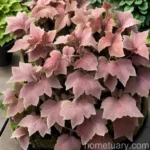
Coral Bells (Heuchera americana ‘Ring of Fire’): A Comprehensive Guide
Coral bells, scientifically known as Heuchera, are a diverse genus of plants popular for their attractive foliage and delicate flowers. Among the various cultivars, the Heuchera americana ‘Ring of Fire’ stands out for its vibrant foliage and ease of care. In this comprehensive guide, we will delve into the key aspects of this beautiful plant, including its culture, uses, maintenance, and more.
What is Coral Bells (Heuchera americana ‘Ring of Fire’)?
Coral bells, belonging to the Saxifragaceae family, is a group of herbaceous perennial plants native to North America. The ‘Ring of Fire’ cultivar is specifically known for its striking variegated leaves with unique color patterns. The foliage of Heuchera americana ‘Ring of Fire’ features a mix of red, pink, and silver shades, providing a stunning visual appeal to any garden or landscape.
Key Takeaways – Coral Bells (Heuchera americana ‘Ring of Fire’)
Culture
- Plant Type: Herbaceous perennial
- Hardiness Zone: 4-9
- Mature Size: 12-18 inches tall and wide
- Growth Habit: Clumping
- Foliage: Variegated, red, pink, and silver
Uses
- Landscape: Borders, woodland gardens, mixed planters
- Containers: Suitable for container gardening
- Pollinator Plant: Attracts bees and butterflies
- Deer-Resistant: Helps deter deer
Water
- Watering: Consistent moisture, well-draining soil
- Drought Tolerance: Moderate
Sunlight
- Light Requirements: Partial to full shade
- Sun Tolerance: Can tolerate some morning sun
Fertilizer
- Fertilization: Light feeding in spring with balanced fertilizer
- Organic Matter: Benefit from organic amendments
Soil
- Soil Type: Well-draining, fertile
- pH: Slightly acidic to neutral (pH 6.0-7.0)
Pruning
- Maintenance: Removal of spent flower spikes and old foliage in spring
Propagation
- Propagation Methods: Division, seed propagation
- Propagation Time: Spring or fall
Container Popularity
- Container Options: Suitable for container gardening
- Versatility: Adds color and texture to container arrangements
Common Diseases
- Disease Resistance: Good resistance to most diseases
- Monitoring: Regular checks for signs of powdery mildew or leaf spots
Common Pests
- Pests: Generally pest-resistant
- Vigilance: Check for aphids or vine weevils
Botanist’s Tips
- Incorporate coral bells ‘Ring of Fire’ as a focal point in shaded garden areas to highlight its vibrant foliage.
- Combine with contrasting plants such as hostas or ferns for a visually appealing landscape design.
- Mulch around the plant to maintain soil moisture and provide insulation during extreme temperatures.
Fun Facts
- The name “Heuchera” honors Johann Heinrich von Heucher, an 18th-century German physician.
- Coral bells are native to diverse habitats, ranging from rocky cliffs to wooded slopes in North America.
Now that we have explored the key aspects of coral bells ‘Ring of Fire’, let’s delve deeper into each of these elements and provide a comprehensive understanding of this captivating plant.
Coral Bells (Heuchera americana ‘Ring of Fire’) in Detail
Plant Description
Coral bells ‘Ring of Fire’ is a clump-forming herbaceous perennial that typically reaches a height and spread of 12-18 inches. The plant’s most striking feature is its variegated foliage, which displays shades of red, pink, and silver, creating a captivating visual display throughout the growing season.
The lovely foliage is complemented by delicate, wiry stems that bear tiny bell-shaped flowers in late spring to early summer. These flowers, typically in shades of pink or white, add an airy and elegant touch to the plant, attracting pollinators such as bees and butterflies to the garden.
Culture
Hardiness and Growth Habit
Heuchera americana ‘Ring of Fire’ is well-suited to hardiness zones 4-9, making it adaptable to a wide range of climatic conditions. Its clumping growth habit and compact size make it an ideal choice for various landscape settings, from borders to woodland gardens.
Light and Shade Tolerance
One of the key attributes of coral bells ‘Ring of Fire’ is its preference for partial to full shade. While it thrives in shaded areas, it can also tolerate some morning sunlight, especially in cooler climates. This flexibility in light requirements enhances its suitability for a variety of garden environments.
Uses
Landscape Applications
In landscaping, coral bells ‘Ring of Fire’ serves as a versatile and eye-catching addition. Its colorful foliage and mounding growth habit make it well-suited for border plantings, where it can create stunning visual contrasts when paired with other foliage plants or flowering perennials.
Additionally, the plant’s ability to thrive in shaded settings makes it an excellent choice for woodland gardens, where it brings vibrant color to areas with dappled light. Its compact size also makes it suitable for planting in mixed borders or as edging plants along pathways.
Container Gardening
Due to its moderate size and attractive foliage, Heuchera americana ‘Ring of Fire’ lends itself well to container gardening. Whether utilized in standalone containers or as part of mixed planters, its vibrant leaves and low-maintenance nature make it an appealing choice for adding visual interest to outdoor spaces, patios, or balconies.
Pollinator Support
The delicate flowers of coral bells ‘Ring of Fire’ serve as valuable nectar sources for pollinators, particularly bees and butterflies. By incorporating this plant into garden designs, enthusiasts can contribute to supporting important pollinator populations, thus promoting biodiversity and ecological balance.
Water Requirements
Proper watering is crucial for the health and vitality of coral bells ‘Ring of Fire’. While it is essential to maintain consistent moisture, it is equally important to ensure that the soil provides adequate drainage to prevent waterlogging and root rot.
To fulfill the plant’s water needs, it is advisable to monitor the moisture levels in the soil, especially during hot and dry periods. Applying a layer of organic mulch around the plant can help in conserving soil moisture and regulating temperatures, contributing to the overall well-being of the plant.
Sunlight Preferences
Coral bells ‘Ring of Fire’ demonstrates a preference for partial to full shade, thriving in areas with limited direct sunlight. When provided with the right balance of light, the plant’s variegated foliage showcases its vibrant coloration, creating an eye-catching display in shaded garden spaces.
While it excels in shaded environments, it can also tolerate some morning sun, particularly in regions with milder climates. This adaptability to varying light conditions further enhances its versatility as an ornamental plant for diverse garden settings.
Fertilizer Needs
To support healthy growth and vibrant foliage, coral bells ‘Ring of Fire’ benefit from light feeding with a balanced fertilizer in the early spring. This gentle application of fertilizer provides essential nutrients to the plant without risking overstimulation or potential damage to the delicate root system.
In addition to external fertilization, incorporating organic matter into the soil can contribute to the long-term health and vigor of the plant. Organic amendments help enhance soil fertility, improve its structure, and promote beneficial microbial activity, all of which are beneficial for the overall well-being of coral bells ‘Ring of Fire’.
Soil Requirements
The soil composition and quality play a significant role in the growth and development of coral bells ‘Ring of Fire’. It thrives in well-draining, fertile soil that offers a hospitable environment for the plant to establish a healthy root system and access essential nutrients.
When considering the soil pH, coral bells ‘Ring of Fire’ prefers slightly acidic to neutral conditions, typically in the range of pH 6.0-7.0. Understanding and maintaining the soil’s pH levels within this range provides an optimal growing environment for the plant, contributing to its overall vitality and performance.
Pruning Guidelines
Pruning is an essential aspect of maintaining the health and visual appeal of coral bells ‘Ring of Fire’. In early spring, once the threat of frost has passed and new growth begins to emerge, it is advisable to remove any spent flower spikes and old foliage from the previous season.
By clearing away the remnants of old growth, gardeners can promote better air circulation around the plant and reduce the risk of disease or pest infestations. Additionally, this practice allows the vibrant new foliage to take center stage, ensuring that the plant continues to showcase its stunning colors throughout the growing season.
Propagation Methods
Division
Dividing established clumps of coral bells ‘Ring of Fire’ presents a reliable method for propagating new plants. This process involves carefully lifting and separating the rhizomes or crowns of the parent plant to create individual divisions, each with a portion of the root system attached.
Division is typically carried out in the spring or fall, coinciding with the plant’s active growth periods. By employing this propagation technique, gardeners can not only expand their plant collection but also rejuvenate older specimens and promote continued vigor in the garden.
Seed Propagation
Growing coral bells ‘Ring of Fire’ from seeds offers another avenue for propagating new plants. Harvesting seeds from mature plants and sowing them in a suitable growing medium provides the opportunity to raise new seedlings, each potentially showcasing unique traits and color variations.
While seed propagation may take longer to yield established plants compared to division, it offers an engaging and rewarding means of exploring the genetic diversity within the Heuchera species. By nurturing seedlings to maturity, gardeners can observe the development of new cultivars and expand the range of coral bells in their gardens.
Container Popularity and Considerations
The allure of coral bells ‘Ring of Fire’ extends to container gardening, where it shines as a versatile and visually captivating choice. Its mounding growth habit, vibrant foliage, and adaptability to partial shade make it a sought-after option for adding color and texture to container arrangements in outdoor spaces.
When selecting containers for coral bells ‘Ring of Fire’, it is important to ensure adequate drainage to prevent waterlogging, which can compromise the plant’s root health. Choosing containers of appropriate size, allowing ample space for root development, and utilizing well-draining potting mixes contribute to creating conducive growing conditions for the plant.
Common Diseases and Disease Diagnosis
Coral bells ‘Ring of Fire’ generally display good resistance to most diseases, reflecting their robust nature and adaptability. However, it is important for gardeners to remain vigilant and monitor the plants for signs of specific ailments, particularly those prevalent in their respective regions.
Two common diseases that can affect coral bells are powdery mildew and leaf spots. Powdery mildew presents as a powdery white coating on the leaves, often impacting plants in humid or poorly ventilated conditions. Leaf spots can manifest as discolored lesions on the foliage, indicating potential fungal infections.
Early diagnosis of diseases allows for timely intervention and management strategies, such as the application of appropriate fungicidal treatments or adjustments to cultural practices. By proactively addressing potential disease issues, gardeners can help maintain the health and vitality of coral bells ‘Ring of Fire’ in the garden.
Common Pests and Vigilance
Coral bells ‘Ring of Fire’ are generally resistant to most pests, exhibiting natural defenses that contribute to their overall robustness. However, occasional pest issues may arise, necessitating vigilant monitoring to detect and address any potential infestations promptly.
Aphids and vine weevils are among the pests that may pose a threat to coral bells. Aphids, often found on tender new growth, can be deterred through regular inspections and the application of appropriate insecticidal solutions as needed. Vine weevils, known for their root-damaging larvae, may require targeted control measures to protect the plant’s vitality.
Adopting integrated pest management practices, including promoting beneficial insects and employing organic pest control methods, supports the maintenance of a healthy and balanced garden ecosystem. By minimizing pest pressures, gardeners can ensure that coral bells ‘Ring of Fire’ thrives and continues to enhance the garden landscape.
Botanist’s Tips
Highlighting Foliage in Shaded Gardens
To maximize the visual impact of coral bells ‘Ring of Fire’, consider planting it as a focal point in shaded garden areas. The vibrant and variegated foliage stands out against darker backgrounds, capturing attention and adding depth to the landscape.
Combining with Contrasting Plants
Creating visual contrasts with neighboring plants can accentuate the beauty of coral bells ‘Ring of Fire’ and enrich the overall garden composition. Pairing it with foliage plants such as hostas or ferns, which offer contrasting textures and color palettes, can result in striking and harmonious garden displays.
Mulching for Moisture Retention
Applying a layer of organic mulch around coral bells ‘Ring of Fire’ helps maintain soil moisture levels and regulate temperatures, especially during periods of extreme heat or cold. Mulching also provides insulation for the plant’s root system, contributing to its long-term health and resilience to environmental stressors.
Fun Facts
- Etymology of Heuchera: The genus name “Heuchera” pays tribute to Johann Heinrich von Heucher, an 18th-century German physician and botanist known for his contributions to natural history.
- Diverse Native Habitats: In their natural habitat, coral bells are found in a range of environments, including rocky cliffs, woodland edges, and slopes across North American regions.
Coral Bells (Heuchera americana ‘Ring of Fire’): External Resources
Plant Name: “Coral bells (Heuchera americana ‘Ring of Fire’)”
- Coral Bells Plant
- Heuchera americana Ring of Fire
- Coral Bells Flower
- Coral Bells Care
- Heuchera Ring of Fire
- Coral Bells Perennial
- Heuchera americana Varieties
- Coral Bells Plant Care
- Heuchera Ring of Fire Care
- Coral Bells Landscaping
- Heuchera americana Plant
- Coral Bells Shade Garden
- Ring of Fire Coral Bells
- Heuchera americana Ring of Fire Care
- Coral Bells Foliage
- Heuchera Ring of Fire Plant
- Coral Bells Flower Spikes
- Heuchera americana Species
- Coral Bells for Containers
- Heuchera Ring of Fire Foliage
- Coral Bells Planting Guide
- Heuchera americana Ring of Fire Varieties
- Coral Bells Ground Cover
- Heuchera Ring of Fire Landscaping
- Coral Bells in Full Sun
- Heuchera americana Growing Tips
- Coral Bells Border Plant
- Heuchera Ring of Fire Container Gardening
- Coral Bells Companion Plants
- Heuchera americana Care Tips
- Coral Bells Pollinator Plant
- Heuchera Ring of Fire Shade-Loving Plant
- Coral Bells Disease Resistance
- [Heuch