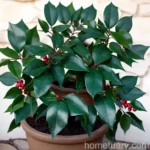
Winterberry (Ilex verticillata ‘Cacapon’): A Comprehensive Guide
Winterberry, scientifically known as Ilex verticillata ‘Cacapon’, is a species of holly that is native to eastern North America. As a plant scientist, I am excited to delve into the intricate details of this fascinating plant. In this comprehensive guide, we will explore the various aspects of winterberry, including its culture, uses, maintenance, common diseases, and much more. Whether you are a novice gardener or an experienced enthusiast, there is something for everyone to learn about this captivating plant.
What is Winterberry (Ilex verticillata ‘Cacapon’)?
Winterberry, also known as Ilex verticillata ‘Cacapon’, is a deciduous holly species that belongs to the Aquifoliaceae family. It is a versatile shrub that is prized for its vibrant display of berries, particularly during the winter months. The ‘Cacapon’ variety is highly sought after for its exceptional ornamental qualities, making it a popular choice for landscaping and garden design.
Key Takeaways – Winterberry (Ilex verticillata ‘Cacapon’)
Before we delve into the specifics of winterberry, let’s highlight some key takeaways about this unique plant:
- Ilex verticillata ‘Cacapon’ is a variety of winterberry known for its stunning display of bright red berries.
- This deciduous shrub is a favorite amongst gardeners for its ornamental value, especially during the winter season.
- Winterberry is a versatile plant that thrives in various conditions, making it suitable for a wide range of landscapes and gardens.
Now that we have a general understanding of winterberry, let’s explore the various facets of this intriguing plant in more detail.
Culture
Understanding the cultural requirements of winterberry is essential for ensuring its optimal growth and development. From soil preferences to pruning techniques, each aspect plays a crucial role in nurturing healthy and vibrant winterberry plants.
Uses
Winterberry serves a multitude of purposes, ranging from ornamental uses to ecological benefits. Let’s explore the diverse roles that winterberry can play in different settings:
- Ornamental Use: Winterberry is widely cherished for its ornamental value, particularly its vibrant red berries that add a pop of color to winter landscapes.
- Wildlife Attraction: The berries of winterberry are a valuable food source for birds and other wildlife, making it an excellent choice for wildlife-friendly gardens.
- Erosion Control: Its dense root system makes winterberry effective in preventing soil erosion, making it a valuable addition to conservation and restoration projects.
Water
Proper watering is crucial for the health and vitality of winterberry plants. While they are relatively tolerant of different moisture levels, ensuring adequate hydration is key to promoting robust growth and berry production.
- Watering Frequency: During the establishment phase, regular watering is essential to support the development of a strong root system. Once established, winterberry can withstand periods of drought, but consistent moisture is still beneficial, particularly during the hot summer months.
Sunlight
As with many plants, sunlight plays a pivotal role in the growth and flowering of winterberry. Understanding its sunlight requirements is essential for selecting the ideal planting location and ensuring optimal performance.
- Sun Exposure: Winterberry thrives in full sun to partial shade. While it can tolerate a range of light conditions, providing ample sunlight encourages prolific berry production and overall vigor.
Fertilizer
Fertilization is a fundamental aspect of plant care, and winterberry is no exception. Choosing the right type of fertilizer and applying it at the appropriate times can significantly impact the plant’s growth and berry production.
- Fertilizer Type: A balanced, slow-release fertilizer is well-suited for winterberry. Applying a fertilizer with a low nitrogen content in early spring supports healthy growth without promoting excessive foliage at the expense of berries.
- Application Frequency: Fertilize winterberry once a year in early spring before new growth emerges. Avoid excessive fertilization, as it can lead to imbalanced growth and diminished berry formation.
Soil
Understanding the soil preferences of winterberry is essential for establishing a conducive growing environment. From soil pH to drainage capacity, each soil characteristic influences the plant’s overall health and productivity.
- Soil pH: Winterberry thrives in slightly acidic to neutral soil, with a pH range of 5.0 to 6.5 being ideal. Conduct a soil test to determine the pH level and make necessary amendments to achieve the optimal range.
- Drainage: Well-draining soil is essential for preventing waterlogged conditions, which can be detrimental to the plant’s root system. Amending heavy clay soils with organic matter improves drainage and promotes healthy root development.
Pruning
Proper pruning not only maintains the aesthetic appeal of winterberry but also encourages prolific berry production and overall plant health. Understanding the principles of pruning is essential for achieving desirable outcomes without compromising the plant’s natural form.
- Pruning Time: Conduct major pruning during late winter or early spring while the plant is dormant. Minor shaping and maintenance pruning can be performed throughout the growing season as needed.
- Pruning Technique: When pruning winterberry, focus on removing dead, damaged, or congested branches to enhance air circulation and light penetration. This encourages vigorous growth and abundant berry formation.
Propagation
The propagation of winterberry allows for the expansion of its presence in gardens and landscapes. From seeds to cuttings, multiple methods can be employed to propagate new plants with desirable traits.
- Seed Propagation: Collect mature berries in the fall and extract the seeds for sowing. Stratify the seeds by storing them in a moist, refrigerated environment for several months before sowing in a prepared seed bed.
- Cutting Propagation: Take semi-hardwood cuttings in late summer and root them in a suitable propagation medium. Maintain consistent moisture and humidity to support the development of new roots.
Container Popularity
The appeal of growing winterberry in containers extends beyond its ornamental value. Container cultivation offers flexibility and versatility, making it an attractive option for various gardeners and landscapers.
- Ornamental Display: Winterberry in containers provides a striking visual display, particularly during the winter months when the bright red berries stand out against the foliage.
- Space Limitations: For individuals with limited garden space, growing winterberry in containers allows them to enjoy the beauty of this plant without the need for a large planting area.
Container Common Diseases
While container cultivation offers numerous advantages, it is essential to be aware of potential diseases that can affect winterberry plants in containers. By recognizing and addressing common diseases, it is possible to maintain the health and vigor of container-grown winterberry.
- Root Rot: Overly wet conditions in containers can lead to root rot, causing the plant to exhibit signs of wilting, yellowing foliage, and overall decline. Ensure proper drainage and avoid waterlogged soil to prevent root rot.
- Powdery Mildew: Humid environments in containers can create conducive conditions for powdery mildew. Monitor the plant for the characteristic white powdery growth on leaves and take preventive measures, such as improving air circulation and spacing between plants.
Disease Diagnosis
Identifying and diagnosing diseases in winterberry is essential for implementing timely and effective management strategies. From fungal infections to bacterial diseases, understanding the symptoms and causes is crucial for preserving the health of the plant.
- Fungal Diseases: Keep an eye out for signs of fungal diseases such as leaf spot and anthracnose, which can manifest as dark spots or lesions on the foliage. Fungicide applications may be warranted if disease pressure is high.
- Bacterial Infections: Bacterial diseases, including leaf scorch and canker, can cause wilting, leaf discoloration, and dieback. Prune affected areas and maintain overall plant vigor to reduce the risk of bacterial infections.
Common Pests
In addition to diseases, winterberry is susceptible to various pests that can compromise its health and appearance. Understanding common pests and their management is essential for preserving the plant’s vitality.
- Scale Insects: Keep a lookout for scale insects, which can infest winterberry and cause damage by feeding on the plant’s sap. Horticultural oil applications during the dormant season can help control scale populations.
- Spider Mites: These tiny pests can cause stippling and webbing on the foliage, leading to reduced plant vigor. Regularly inspect the undersides of leaves and use insecticidal soap to manage spider mite infestations.
Botanist’s Tips
Drawing upon botanical insights and practical wisdom, here are some valuable tips for cultivating and caring for winterberry:
- Companion Planting: Pair winterberry with complementary plants that enhance its ornamental appeal and ecological functions. Consider incorporating native grasses, conifers, and winter-interest perennials to create visually captivating plant compositions.
- Seasonal Interest: Capitalize on the seasonal charm of winterberry by incorporating it into landscape designs that prioritize winter appeal. Combine it with evergreen plants, decorative branches, and winter-blooming flowers to create dynamic and visually engaging settings.
- Ecological Significance: Emphasize the ecological benefits of winterberry when communicating its value to homeowners and landscapers. Highlight its role in supporting wildlife, enhancing biodiversity, and contributing to sustainable gardening practices.
Fun Facts
Uncover some captivating and lesser-known facts about winterberry that add to its allure and appeal:
- Native American Use: Indigenous tribes utilized various parts of the winterberry plant for traditional medicinal purposes, including treatments for fever, colds, and sore throats.
- Winter Landscape Charm: Winterberry’s vibrant berries not only provide food for wildlife but also serve as a delightful visual contrast against the backdrop of snow, creating picturesque winter scenes.
- Cultural Symbolism: In some cultures, holly plants, including winterberry, are associated with traditions and folklore, symbolizing themes such as protection, renewal, and good fortune.
Links to External Resources
Explore additional resources and sources of information to deepen your understanding of winterberry and its cultivation:
- The American Holly Society: A valuable resource for holly enthusiasts, offering information on different holly species, cultivation tips, and conservation efforts.
- USDA Plants Database: Access a comprehensive database with detailed information on the distribution, ecology, and taxonomy of Ilex verticillata ‘Cacapon’ and other holly species.
- Lady Bird Johnson Wildflower Center: Discover native plant recommendations and conservation insights, including aspects related to the ecological significance of winterberry.
In conclusion, winterberry (Ilex verticillata ‘Cacapon’) stands as a remarkable plant that encompasses ornamental, ecological, and cultural significance. Its striking visual appeal, adaptability, and ecological benefits position it as a valuable addition to diverse landscapes, from residential gardens to natural habitats. By understanding and appreciating the multifaceted nature of winterberry, we can foster a deeper connection with this captivating plant and harness its potential in various horticultural and ecological contexts.