Small Baby Blue Eyes (Nemophila heterophylla): A Complete Guide
Small baby blue eyes, scientifically known as Nemophila heterophylla, is a delicate and beautiful annual flowering plant that belongs to the Hydrophyllaceae family. This charming native wildflower is renowned for its small blue flowers and is a popular choice among gardeners for its attractive appearance and easy-going nature. In this comprehensive guide, we will delve into the various aspects of small baby blue eyes, including its culture, uses, maintenance, and propagation techniques. By the end of this read, you will have a deeper understanding of this enchanting plant and the best practices for cultivating and caring for it.
What is Small Baby Blue Eyes (Nemophila heterophylla)?
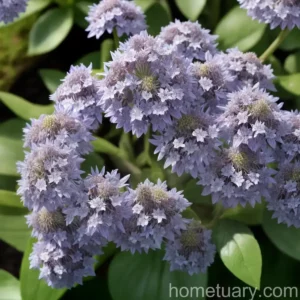
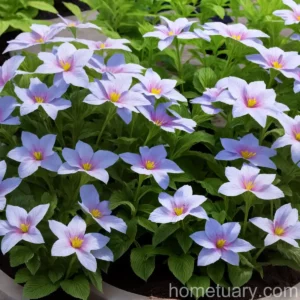
Small baby blue eyes, also referred to as Nemophila heterophylla, is a species of flowering plant native to North America. It is commonly found in regions with rich, moist soil, such as woodland areas and meadows. The plant is characterized by its delicate, deeply lobed leaves and distinctive small blue blooms. Small baby blue eyes typically grow to a height of 4-12 inches, making them an ideal choice for ground cover or border plantings. Additionally, its low maintenance requirements and adaptable nature make it a sought-after addition to gardens and landscapes.
The unique charm of small baby blue eyes lies in its dainty blue blossoms which emerge in profusion during the spring, adding a delightful splash of color to any outdoor space. Due to its compact size and abundant flowering, small baby blue eyes are often used in containers, hanging baskets, and mixed borders, making it a versatile and popular choice for gardeners of all levels.
Key Takeaways – Small Baby Blue Eyes (Nemophila heterophylla)
Before we delve into the specifics of growing and caring for small baby blue eyes, let’s outline some key takeaways about this captivating plant:
- Scientific Name: Nemophila heterophylla
- Common Names: Small baby blue eyes, baby blue eyes plant, dwarf nemophila
- Family: Hydrophyllaceae
- Plant Type: Annual flowering plant
- Growth Habit: Low-growing, spreading
- Flower Color: Blue
- Uses: Ground cover, border plant, container gardening, cut flowers
- Hardiness Zone: 3-10
- Native Habitat: Woodlands, meadows, moist areas
- Maintenance: Low maintenance, easy to grow
Now that we have an overview of small baby blue eyes, let’s explore the various aspects of its culture, uses, and maintenance to ensure the successful growth and flourishing of this charming plant in your garden.
Culture of Small Baby Blue Eyes
Cultivating small baby blue eyes requires an understanding of its specific cultural requirements, including water, sunlight, soil, and fertilizer needs. By providing the ideal growing conditions, you can ensure that this delicate plant thrives and continues to grace your garden with its stunning blue blooms.
Water
Small baby blue eyes, being native to regions with rich, moist soil, have a preference for consistent moisture. While they do not tolerate waterlogged conditions, it is important to ensure that the soil remains evenly moist, especially during the growing and flowering periods. Regular watering, especially during dry spells, is essential to promote healthy growth and prolific flowering.
Sunlight
When it comes to sunlight, small baby blue eyes thrive in partial to full shade. While they can tolerate some morning sun, they prefer shaded conditions, particularly in warmer climates. Too much direct sunlight can cause the delicate blooms to wilt and diminish the overall vigor of the plant. Therefore, it is advisable to provide dappled or filtered sunlight to ensure the optimal development of small baby blue eyes.
Soil
The ideal soil for small baby blue eyes is well-draining and rich in organic matter. A loamy, slightly acidic soil with good moisture retention is perfect for supporting the growth of this enchanting plant. Additionally, incorporating organic compost or peat moss into the soil can further enhance its texture and fertility, creating a conducive environment for small baby blue eyes to flourish.
Fertilizer
Small baby blue eyes generally do not have high fertilizer requirements. However, a balanced, water-soluble fertilizer can be applied sparingly during the growing season to provide the necessary nutrients for healthy growth and abundant flowering. It is important to follow the application instructions on the fertilizer packaging and avoid over-fertilization, which can lead to excessive foliage growth at the expense of flowers.
Uses of Small Baby Blue Eyes
The versatile nature of small baby blue eyes makes it suitable for various uses in garden and landscape settings. Whether as a ground cover, border plant, or container specimen, this delightful flowering plant offers numerous possibilities for adding a touch of charm and color to your outdoor spaces.
Ground Cover
Due to its low-growing and spreading habit, small baby blue eyes make an excellent ground cover in garden beds and naturalized areas. The dense carpet of delicate blue flowers creates an enchanting display, particularly when planted en masse, and provides a beautiful backdrop for other taller plants in the garden.
Border Plant
Small baby blue eyes are well-suited for edging pathways, borders, and garden beds. Their compact size and prolific blooming make them an attractive choice for defining garden boundaries and adding a pop of color along walkways and garden borders.
Container Gardening
One of the most popular uses of small baby blue eyes is in container gardening. Whether grown in pots, hanging baskets, or window boxes, their cascading, delicate blue blooms create a stunning visual impact. They can be paired with other annuals or foliage plants to create eye-catching arrangements for porches, patios, or balcony gardens.
Cut Flowers
The charming blue blossoms of small baby blue eyes make them a delightful choice for cut flower arrangements. Their delicate appearance and long vase life add a touch of elegance to floral displays, making them a popular choice for both casual and formal arrangements.
Pruning Small Baby Blue Eyes
Pruning small baby blue eyes is a straightforward process aimed at maintaining the plant’s compact form and promoting continuous blooming. Deadheading, the removal of spent flowers, is essential to encourage the production of new blooms and prevent the plant from setting seed. By regularly deadheading small baby blue eyes, you can prolong the flowering period and ensure a bountiful display of vibrant blue blossoms throughout the growing season.
Additionally, light pruning can be performed to control the spread of the plant and maintain its tidy appearance. Trimming back any straggly or overgrown stems can help promote a more uniform growth habit and prevent the plant from becoming sparse or leggy.
Propagation of Small Baby Blue Eyes
Small baby blue eyes can be propagated through both seeds and division, allowing you to expand your collection of these enchanting plants or share them with fellow gardening enthusiasts.
Seed Propagation
The most common method of propagating small baby blue eyes is by sowing seeds directly in the garden or in containers. The seeds should be planted in well-prepared soil in early spring, and lightly covered with a thin layer of soil. It is important to keep the soil consistently moist until germination occurs, which typically takes 7-14 days. Once the seedlings have developed true leaves, they can be thinned to the desired spacing to ensure healthy growth.
Division
Small baby blue eyes can also be propagated by division, particularly if you have established clumps of the plant in your garden. Dividing the plants in early spring or fall allows you to create new, healthy divisions that can be transplanted to other areas of the garden or shared with fellow gardeners.
Small Baby Blue Eyes in Containers
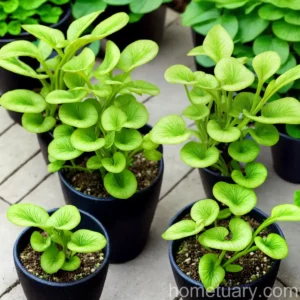
Small baby blue eyes are well-suited for container gardening, offering a delightful option for adding color and charm to patios, balconies, and small outdoor spaces. When growing small baby blue eyes in containers, there are several important considerations to ensure their successful growth and blooming.
Container Selection: Choose well-draining containers with sufficient drainage holes to prevent waterlogging. The size of the container should accommodate the spreading nature of small baby blue eyes, allowing ample space for the roots to develop.
Potting Mix: Use a high-quality potting mix that provides good drainage and aeration. Incorporating perlite or coarse sand into the mix can help improve soil structure and prevent compaction.
Watering: Containers may require more frequent watering, especially during hot and dry periods. It is important to monitor the moisture levels and ensure that the soil remains evenly moist, without becoming waterlogged.
Sunlight: Place the containers in an area that receives partial to full shade, particularly in regions with hot summers. Avoid placing the containers in direct, intense sunlight to prevent heat stress and wilting of the plants.
Fertilization: Apply a balanced, water-soluble fertilizer at half the recommended strength every 4-6 weeks during the growing season to provide the necessary nutrients for healthy growth and abundant flowering.
By following these guidelines, you can cultivate vibrant and flourishing small baby blue eyes in containers, creating a captivating display of blue blooms in your outdoor living spaces.
Popularity of Small Baby Blue Eyes
Small baby blue eyes have gained popularity among gardeners and landscaping enthusiasts for their charming appearance, easy maintenance, and versatile uses in garden and landscape settings. Whether used as a ground cover, border plant, or container specimen, their delicate blue blossoms add a serene and captivating element to outdoor spaces. Additionally, their adaptability to different growing conditions and low maintenance requirements make them an attractive choice for both novice and experienced gardeners.
The appeal of small baby blue eyes extends beyond home gardens to public parks, botanical gardens, and commercial landscapes, where their enchanting blooms create a picturesque and inviting ambiance. Their popularity as a springtime bloomer and the ease of cultivation further contribute to their widespread appreciation among gardening enthusiasts and horticulturists.
Common Diseases of Small Baby Blue Eyes
While small baby blue eyes are relatively resilient plants, they can occasionally be susceptible to certain diseases and issues that can affect their growth and flowering. Understanding and identifying these common diseases is essential for implementing timely and effective control measures to safeguard the health and vigor of your small baby blue eyes.
Disease Diagnosis
Powdery Mildew: Powdery mildew is a fungal disease that appears as a white, powdery coating on the leaves, stems, and flowers of plants. It thrives in warm, humid conditions and can affect the overall health and aesthetics of small baby blue eyes. Proper air circulation and avoiding overhead watering can help prevent powdery mildew.
Root Rot: Overly wet soil or waterlogged conditions can lead to root rot, a condition caused by fungal pathogens that attack the roots of the plant. Symptoms include wilting, yellowing leaves, and stunted growth. Improving soil drainage and avoiding overwatering can help mitigate the risk of root rot.
Botrytis Blight: Also known as gray mold, botrytis blight is a fungal disease that causes brown lesions on the leaves and stems of affected plants. It thrives in cool, humid conditions and can spread rapidly. Pruning affected plant parts and maintaining good air circulation can help prevent the spread of botrytis blight.
Aphid Infestation: Aphids are small, soft-bodied insects that can cluster on the tender new growth of small baby blue eyes, sucking sap from the plant and causing distortion of leaves and stems. Additionally, they can transmit viral diseases. Insecticidal soap or neem oil can be used to control aphid infestations.
Pest Infestations
Slugs and Snails: These common garden pests can feed on the tender foliage and flowers of small baby blue eyes, causing unsightly damage. Beer traps, copper tape, and diatomaceous earth are effective means of controlling slugs and snails in the garden.
Spider Mites: Spider mites are tiny arachnids that can infest the undersides of leaves, sucking sap from the plant and causing stippling and webbing. Regularly spraying the undersides of leaves with water can help deter spider mite infestations. In severe cases, horticultural oil or insecticidal soap can be used for control.
By remaining vigilant and promptly addressing any signs of diseases or pest infestations, you can ensure that your small baby blue eyes remain healthy and vibrant, showcasing their charming blue blooms throughout the growing season.
Botanist’s Tips for Small Baby Blue Eyes
As a plant scientist specializing in native wildflowers and ornamental plants, I have gathered valuable insights and tips for cultivating and caring for small baby blue eyes. These botanist’s tips aim to provide practical guidance for ensuring the successful growth and flourishing of these enchanting plants in home gardens and landscaped areas.
Tip 1: Selecting the Growing Site
When choosing a location for planting small baby blue eyes, opt for areas with partial to full shade, particularly in regions with hot summers. The dappled or filtered sunlight will help preserve the vibrant blue color of the blooms and prevent heat stress.
Tip 2: Soil Preparation
Prepare the soil by incorporating organic compost or peat moss to improve its texture and fertility. A well-draining, slightly acidic soil with good moisture retention is ideal for supporting the growth of small baby blue eyes.
Tip 3: Regular Deadheading
Foster continuous blooming by regularly deadheading spent flowers. This practice not only encourages the production of new blooms but also prevents the plant from setting seed, promoting a longer flowering period.
Tip 4: Watering Care
Ensure that the soil remains consistently moist, especially during the growing and flowering periods. Regular watering, particularly during dry spells, is essential for promoting healthy growth and prolific flowering.
Tip 5: Container Considerations
When growing small baby blue eyes in containers, choose well-draining pots with ample drainage holes to prevent waterlogging. Additionally, using a high-quality potting mix and providing regular watering and partial to full shade are essential for container cultivation.
Tip 6: Disease and Pest Monitoring
Regularly inspect your small baby blue eyes for signs of diseases or pest infestations, particularly aphids, powdery mildew, and root rot. Address any issues promptly to prevent the spread and ensure the plant’s health.
By incorporating these botanist’s tips into your cultivation and care practices, you can enhance the vitality and beauty of your small baby blue eyes, creating an enchanting display of blue blossoms in your garden.
Fun Facts About Small Baby Blue Eyes
To further appreciate the charm and allure of small baby blue eyes, here are some fun and fascinating facts about this delightful flowering plant:
-
Native Wildflower: Small baby blue eyes are native to North America, particularly in regions with rich, moist soil such as woodlands and meadows.
-
Blue Bloom Abundance: Despite its petite size, small baby blue eyes produce an abundance of delicate blue blooms, creating a captivating visual impact.
-
Springtime Beauty: Small baby blue eyes are cherished for their role as a springtime bloomer, heralding the arrival of the season with their serene blue blossoms.
-
Adaptable Nature: Small baby blue eyes are known for their versatility and adaptability to different growing conditions, making them a popular choice for gardeners.
-
Low Maintenance Charm: The low maintenance requirements of small baby blue eyes make them an appealing option for both novice and experienced gardeners.
-
Container Darling: Small baby blue eyes are a favorite choice for container gardening, where their delicate blooms add charm to patio and balcony spaces.
-
Native Wildlife Attraction: The nectar-rich flowers of small baby blue eyes attract pollinators such as bees and butterflies, contributing to the garden’s ecosystem.
-
Enchanting Ground Cover: When planted en masse, small baby blue eyes create a stunning ground cover of delicate blue blossoms, evoking a sense of tranquility and beauty.
-
Cut Flower Elegance: The delicate blue blooms of small baby blue eyes make them an elegant choice for cut flower arrangements, adding a touch of grace to floral displays.
-
Botanical Diversity: Small baby blue eyes belong to the Nemophila genus, which comprises several species appreciated for their ornamental value and dainty blossoms.
These fun facts shed light on the captivating nature of small baby blue eyes, capturing the essence of their beauty and appeal in garden and landscape settings.
Links to External Resources
To further enrich your knowledge and understanding of small baby blue eyes, here are some valuable external resources that provide in-depth information on cultivation, care, and appreciation of this enchanting flowering plant:
-
The American Horticultural Society A-Z Encyclopedia of Garden Plants – A comprehensive resource covering a wide range of flowering plants, including detailed insights into small baby blue eyes and its cultivation.
-
Royal Horticultural Society – The authoritative source for horticultural guidance, offering extensive plant profiles and cultivation advice, including content on Nemophila heterophylla.
-
University Extension Websites – Many state university extensions provide valuable information on native plants and wildflower cultivation, offering valuable insights for growing small baby blue eyes in specific regions.
-
Native Plant Societies – Joining a local native plant society can provide access to regional expertise and resources specific to small baby blue eyes and other native wildflowers.
-
Horticulture Magazines and Journals – Subscribing to horticulture publications can keep you updated on the latest research, trends, and practices related to growing and caring for small baby blue eyes.
These external resources offer a wealth of information and guidance for exploring the world of small baby blue eyes, providing valuable insights into their unique characteristics and cultivation requirements.
In conclusion, small baby blue eyes (Nemophila heterophylla) are enchanting native wildflowers that captivate with their delicate, sky-blue blooms and low-maintenance charm. Whether utilized as ground cover, border plants, or container specimens, their adaptability and elegance make them a welcome addition to any garden or landscape setting. By understanding the cultural requirements, uses, maintenance, and propagation techniques of small baby blue eyes, gardeners can create captivating displays of serene blue blossoms, heralding the arrival of spring and delighting both humans and pollinators alike.
With a deeper appreciation for the endearing qualities of small baby blue eyes and the insights provided in this comprehensive guide, you can embark on a rewarding journey of cultivating and caring for these charming native wildflowers, enhancing the beauty and allure of your outdoor spaces.