Plant Scientist’s Guide to the Coral Reef Coneflower (Echinacea ‘Coral Reef’)
Coneflowers, also known as Echinacea, are highly popular flowering plants in the gardening world. Among the various Echinacea varieties, the ‘Coral Reef’ stands out for its distinct characteristics and vibrant blooms. In this comprehensive guide, I will delve into the culture, uses, care, propagation, and maintenance of the ‘Coral Reef’ Coneflower, offering valuable insights and tips for plant enthusiasts.
What is Plant: Coneflower (Echinacea ‘Coral Reef’)
Coneflowers (Echinacea) are a genus of herbaceous flowering plants in the daisy family, Asteraceae. They are native to North America and are well-known for their attractive flowers and medicinal properties. Echinacea species are valued for their ornamental appeal in gardens, as well as for their potential health benefits.
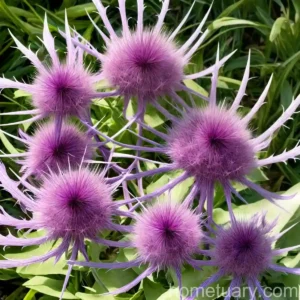
The ‘Coral Reef’ Coneflower, also known as Echinacea ‘Coral Reef’, is a unique cultivar that displays stunning coral-pink flowers with prominent, coppery-orange cones. This cultivar is renowned for its long-lasting blooms and robust nature, making it a favored choice for gardeners seeking to add color and vitality to their outdoor spaces.
Key Takeaways – Coneflower (Echinacea ‘Coral Reef’)
Before diving into the specifics of the ‘Coral Reef’ Coneflower, let’s explore the key takeaways that will be covered in this guide:
- Culture of Echinacea ‘Coral Reef’
- Uses of the Coral Reef Coneflower
- Care of Echinacea ‘Coral Reef’
- Propagation and Maintenance Tips
- Common Diseases and Pests
- Fun Facts and Interesting Insights
Now, let’s embark on a detailed exploration of each of these areas, providing valuable information for enthusiasts and gardeners alike.
Culture
Cultivating Echinacea ‘Coral Reef’ requires an understanding of its environmental preferences and growth habits. From water and sunlight requirements to soil and fertilization needs, a holistic approach to its culture is essential for fostering healthy and vibrant plants.
Water
Coral Reef Coneflowers prefer well-drained soil and moderate moisture levels. While they are relatively drought-tolerant once established, consistent watering is necessary, especially during prolonged dry spells. Avoid waterlogging the soil, as excessive moisture can lead to root rot and other issues.
Sunlight
These Coneflowers thrive in full sun to partial shade conditions. Providing them with at least 6-8 hours of sunlight daily will promote robust growth and abundant flowering. In warmer regions, some protection from intense afternoon sun may be beneficial to prevent wilting.
Fertilizer
To support healthy growth and prolific blooms, apply a balanced, slow-release fertilizer in early spring. A fertilizer with a higher phosphorus content can bolster flower production. Be mindful not to over-fertilize, as excessive nutrients can lead to lush foliage at the expense of flowering.
Soil
Echinacea ‘Coral Reef’ performs best in well-drained, fertile soil with a slightly acidic to neutral pH range. Amending the soil with organic matter, such as compost, can enhance its texture and nutrient content, promoting an optimal growing environment for the plants.
Uses
The Coral Reef Coneflower serves various purposes, ranging from ornamental and landscaping uses to potential medicinal applications. Understanding its versatility can inspire diverse planting ideas and highlight its value in different settings.
Ornamental and Landscaping Uses
With its striking flowers and architectural form, Echinacea ‘Coral Reef’ is an excellent choice for adding visual appeal to flower beds, borders, and naturalistic garden settings. Its long-lasting blooms and attractive seed heads make it a popular option for cut flower arrangements and dried floral crafts.
Potential Medicinal Applications
Echinacea species have a long history of use in traditional medicine, with potential immune-boosting and anti-inflammatory properties. While ‘Coral Reef’ Coneflower is primarily grown for ornamental purposes, it’s important to note the historical and cultural significance of Echinacea plants in herbal remedies.
Pruning
Proper pruning can contribute to the overall health and appearance of Echinacea ‘Coral Reef’. While not essential for the plant’s survival, selective pruning can extend the flowering period, reduce disease pressure, and maintain a tidy growth habit.
Deadheading
Regular deadheading, which involves removing spent flowers, can prolong the blooming season and prevent the formation of seed heads. This practice redirects the plant’s energy into producing new blooms, resulting in a more prolonged and vibrant display of flowers.
Cutting Back
In late fall or early spring, cutting back the faded foliage to ground level can help rejuvenate the plants and prevent the accumulation of debris that may harbor pests and diseases. This rejuvenation technique encourages the emergence of fresh growth when the growing season resumes.
Propagation
Multiplying Echinacea ‘Coral Reef’ can be achieved through several propagation methods, offering opportunities to expand your plant collection and share these beautiful Coneflowers with fellow gardening enthusiasts.
Division
Dividing mature clumps of Coral Reef Coneflowers every 3-4 years can revitalize the plants, alleviate overcrowding, and promote vigorous growth. To divide the plants, carefully lift the clumps in early spring or fall, separating them into smaller sections with healthy roots and shoots before replanting them in suitable locations.
Seed Propagation
Echinacea ‘Coral Reef’ can also be propagated from seeds, offering a cost-effective and rewarding way to grow new plants. Collecting ripe seed heads and sowing the seeds in well-prepared seed trays or directly in the garden soil can yield a diverse array of seedlings, each possessing its own unique characteristics.
Container Popularity
Echinacea ‘Coral Reef’ is well-suited for container gardening, allowing individuals with limited outdoor space or specific aesthetic preferences to enjoy the beauty of these Coneflowers on patios, balconies, and other urban settings.
Container Selection
Choose spacious containers with adequate drainage holes to accommodate the robust root system of Coral Reef Coneflowers. Selecting containers of appropriate size and material, such as terracotta or durable plastic, is crucial for providing a stable and suitable growing environment.
Maintenance
Container-grown Echinacea ‘Coral Reef’ may require more frequent watering and fertilization compared to those planted directly in the ground. Regular monitoring of soil moisture and nutrient levels, along with sufficient sunlight exposure, contributes to the overall health and vibrancy of the plants.
Design Ideas
In container gardens, the Coral Reef Coneflower can serve as a captivating focal point or be combined with complementary plant species to create visually engaging and harmonious arrangements. Pairing it with cascading or contrasting plants can enhance the overall appeal of container compositions.
Common Diseases
Despite their resilience, Echinacea ‘Coral Reef’ can be susceptible to certain diseases under unfavorable growing conditions. Recognizing and addressing common diseases is essential for promoting the longevity and vitality of these Coneflowers.
Powdery Mildew
Powdery mildew, a fungal disease characterized by white, powdery patches on the foliage, can affect Echinacea plants, particularly in humid or poorly ventilated environments. Providing adequate air circulation, spacing plants appropriately, and avoiding overhead watering can help prevent this common fungal infection.
Aster Yellows
Aster yellows, caused by phytoplasma bacteria, can result in abnormal growth, yellowing of foliage, and distorted flowers in affected Echinacea plants. Controlling the spread of aster yellows by removing and disposing of infected plants and controlling leafhoppers, the disease’s vector, is crucial for preventing its establishment.
Disease Diagnosis
If you suspect that your Echinacea ‘Coral Reef’ is afflicted by a disease, swift and accurate diagnosis is vital for implementing targeted management strategies and preventing further spread to nearby plants.
Visual Symptoms
Carefully observe the plants for any visible signs of disease, such as abnormal leaf discoloration, spots, lesions, or distorted growth. Documenting the progression of symptoms and noting any environmental stressors can aid in identifying potential causes.
Laboratory Analysis
For persistent or ambiguous cases, consider sending samples of affected plant material to a diagnostic laboratory for thorough analysis and disease identification. This professional assessment can provide insights into the specific pathogens or environmental factors contributing to the observed symptoms.
Common Pests
In addition to diseases, Echinacea ‘Coral Reef’ may attract certain pests that can compromise the plants’ vigor and aesthetics. Understanding common pests and implementing integrated pest management measures is crucial for minimizing their impact.
Aphids
Aphids, small sap-sucking insects, can colonize the tender shoots and flower buds of Echinacea plants, causing distortion and stunted growth. Inspecting the plants regularly and employing natural predators, such as ladybugs, or gently spraying the pests off with water can help control aphid populations.
Japanese Beetles
Japanese beetles are voracious feeders that can skeletonize Echinacea foliage and flowers if left unchecked. Hand-picking the beetles, setting up beetle traps away from the garden, and choosing plants that are less attractive to these pests can assist in managing Japanese beetle infestations.
Botanist’s Tips
Harnessing the expertise of botanists and horticulturists can offer valuable insights into maximizing the health, beauty, and ecological contributions of Echinacea ‘Coral Reef’. Here are some expert tips to consider for growing and appreciating these captivating Coneflowers:
- Select companion plants that complement the color, form, and cultural requirements of Echinacea ‘Coral Reef’, creating harmonious and cohesive garden designs.
- Encourage pollinators, such as bees and butterflies, by incorporating a diverse array of nectar-rich and pollen-producing plants in the proximity of Coral Reef Coneflowers, supporting local biodiversity.
- Embrace the natural seasonality of Echinacea ‘Coral Reef’ and integrate other perennials or annuals that extend and enhance the visual interest throughout the year, fostering dynamic and evolving garden landscapes.
- Utilize organic gardening practices, such as mulching with natural materials and employing biological control methods, to minimize the need for synthetic inputs and promote sustainable, environmentally-friendly cultivation.
Fun Facts
Delving into the intriguing and sometimes surprising aspects of Echinacea ‘Coral Reef’, here are some fun facts and lesser-known tidbits about these captivating Coneflowers:
- Echinacea ‘Coral Reef’ flowers attract a diverse array of pollinators, ranging from bees and butterflies to hummingbirds, contributing to the ecological richness and vitality of garden ecosystems.
- The Coneflower’s distinctive central cones, which resemble spiky domes, are composed of numerous tiny individual flowers, each capable of producing seeds after pollination.
- Echinacea species have a rich cultural and historical significance, with indigenous tribes in North America traditionally using these plants for various medicinal and ceremonial purposes, contributing to their enduring folklore and symbolic meanings.
Links to External Resources
To further augment your knowledge and appreciation of Echinacea ‘Coral Reef’ and related topics, I have compiled a selection of external resources that offer in-depth insights and practical guidance:
- The American Echinacea Society: An authoritative organization dedicated to promoting research and education on Echinacea, offering access to scientific publications, cultivation tips, and conservation initiatives.
- Royal Horticultural Society – Echinacea Cultivation Guide: A comprehensive guide from the RHS, providing detailed advice on growing Echinacea plants, including the ‘Coral Reef’ variety, in various garden settings.
- University of Maryland Medical Center – Echinacea Health Benefits: An informative resource detailing the potential health benefits and traditional uses of Echinacea species, shedding light on their medicinal properties and herbal remedies.
In conclusion, Echinacea ‘Coral Reef’ embodies a captivating blend of ornamental beauty and ecological significance, offering gardeners and plant enthusiasts an array of possibilities for cultivation, landscape enhancement, and appreciation of natural diversity. By embracing the cultural, horticultural, and ecological dimensions of these Coneflowers, we can deepen our connection to the natural world and foster thriving, vibrant garden ecosystems.
As you embark on your journey with Echinacea ‘Coral Reef’, may this guide serve as a source of inspiration, knowledge, and practical guidance, enriching your experiences and interactions with these enchanting and resilient plants.