Cranesbill (Geranium renardii): A Comprehensive Guide for Plant Enthusiasts
Introduction
Cranesbill, scientifically known as Geranium renardii, is a delightful herbaceous perennial plant that belongs to the Geraniaceae family. It is celebrated for its ornamental foliage and attractive flowers, making it a favorite among gardeners and landscapers. In this comprehensive guide, we will delve into the intricacies of cultivating and caring for cranesbill, exploring its cultural requirements, uses, maintenance practices, propagation techniques, as well as common diseases and pests. Additionally, we will uncover the fascinating landscape uses and versatile characteristics of this resilient plant.
What is Cranesbill (Geranium renardii)?
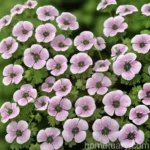
Cranesbill, also referred to as hardy geranium, is a charming perennial plant that is native to the Caucasus and northeastern Turkey. It is characterized by its deeply lobed, soft, and velvety, grey-green leaves, which exude a silvery sheen. The flowers of Geranium renardii bear a distinctive bluish-lilac hue, adding a touch of elegance to any landscape or garden bed.
As a groundcover plant, Geranium renardii is beloved for its ability to form dense mats of foliage, effectively suppressing weeds and providing visual interest throughout the growing season. This species is known for its resilience and adaptability, thriving in various environmental conditions and soil types.
Key Takeaways: Cranesbill (Geranium renardii)
Before we delve into the specific details of cultivating and caring for cranesbill, let’s explore some key takeaways about this captivating plant:
- Plant Name: Cranesbill (Geranium renardii)
- Common Names: Hardy geranium, perennial cranesbill, blue cranesbill
- Botanical Family: Geraniaceae
- Foliage: Soft, deeply lobed, grey-green leaves with a silvery sheen
- Flowers: Distinctive bluish-lilac flowers
- Growing Habit: Groundcover plant with the ability to form dense mats of foliage
- Resilience: Adaptability to various environmental conditions and soil types
Now that we have established a foundational understanding of cranesbill, let’s delve into the specifics of cultivating and caring for this delightful perennial.
Culture
Cranesbill, or Geranium renardii, possesses specific cultural requirements that are essential for its successful growth and development. Understanding these cultural factors is crucial for creating an optimal environment for the plant to thrive. Let’s explore the cultural aspects of cultivating cranesbill:
Water
Proper watering is crucial for the health and vigor of cranesbill plants. While they are relatively drought-tolerant once established, consistent moisture is essential, especially during the initial stages of growth and during periods of intense heat. When watering cranesbill, aim to provide moderate, regular irrigation, allowing the soil to dry out between watering sessions to prevent waterlogged conditions.
Sunlight
Cranesbill thrives in locations that offer partial to full sun exposure. Providing ample sunlight is essential for promoting healthy foliage growth and prolific flowering. In regions with hot, intense summers, some afternoon shade can be beneficial to protect the plant from excessive heat stress.
Fertilizer
When it comes to fertilizing cranesbill, a balanced, slow-release fertilizer can be applied in the early spring to provide essential nutrients for robust growth and flowering. It is important to follow the manufacturer’s instructions for application rates, ensuring that the fertilizer is thoroughly incorporated into the soil to support the plant’s nutritional needs throughout the growing season.
Soil
Geranium renardii prefers well-draining soil with a slightly acidic to neutral pH. Loamy or sandy soils enriched with organic matter are ideal for promoting healthy root development and overall plant vitality. Amending the soil with compost or peat moss can enhance its texture and fertility, creating an optimal growing medium for cranesbill.
Uses
The versatility of cranesbill extends to a myriad of practical and aesthetic uses, making it a valuable addition to gardens, landscapes, and outdoor living spaces. Let’s explore some of the primary uses of Geranium renardii:
- Groundcover Plant: Due to its spreading habit and dense foliage, cranesbill serves as an excellent groundcover plant, effectively filling in bare spaces in garden beds and suppressing weed growth.
- Borders and Edging: The low-growing, mounding nature of cranesbill makes it a wonderful choice for defining borders and edging in flower beds and along pathways, adding structure and visual appeal to the landscape.
- Container Planting: Cranesbill can be cultivated in containers, hanging baskets, and decorative planters, allowing individuals with limited garden space to enjoy its ornamental beauty on patios, balconies, and terraces.
Pruning
Pruning plays a vital role in maintaining the health, shape, and flowering potential of cranesbill plants. By implementing proper pruning practices, gardeners can rejuvenate the plant, remove spent blooms, and mitigate issues related to overgrowth. Here are some essential guidelines for pruning Geranium renardii:
- Deadheading: Regular deadheading of faded flowers promotes continuous blooming and prevents the plant from expending energy on seed production. Simply remove the spent flower heads to encourage the development of new buds and blooms.
- Renewal Pruning: In late winter or early spring, consider performing renewal pruning by cutting back the entire plant to approximately 2 to 3 inches above the soil level. This technique stimulates fresh growth and rejuvenates the plant for the upcoming growing season.
Propagation
Propagation techniques allow plant enthusiasts to expand their collection of cranesbill and share the beauty of Geranium renardii with fellow gardening enthusiasts. The following methods can be employed for propagating cranesbill:
- Division: Divide mature clumps of cranesbill in the early spring or fall, ensuring that each division contains healthy roots and shoots. Replant the divisions in prepared soil and provide adequate moisture to support establishment.
- Seed Propagation: Collect seeds from mature cranesbill plants, sowing them in well-draining seed-starting mix indoors. Keep the soil consistently moist and provide bright, indirect light to facilitate germination. Once the seedlings have developed several sets of true leaves, they can be transplanted into individual containers or directly into the garden.
Container Popularity
The compact growth habit and ornamental beauty of cranesbill make it a popular choice for container gardening. Whether grown in standalone containers or combined with complementary plant species, Geranium renardii adds a touch of elegance to outdoor living spaces. Its versatility and adaptability to container cultivation make it an attractive option for individuals seeking to enhance their patios, decks, or balconies with vibrant foliage and charming flowers.
Common Diseases
While cranesbill is generally resilient and resistant to most diseases, it can occasionally encounter certain issues that may impact its health and vigor. Understanding the common diseases affecting Geranium renardii is essential for implementing effective preventive measures and targeted treatments. Let’s explore some of the prevalent diseases that may affect cranesbill:
Disease Diagnosis
- Powdery Mildew: This fungal disease manifests as a white, powdery coating on the foliage of the plant, leading to diminished aesthetics and potential decline in overall health. Proper air circulation, adequate spacing between plants, and the application of fungicidal treatments can help mitigate powdery mildew infestations.
- Botrytis Blight: Also known as gray mold, botrytis blight can cause the development of brown, water-soaked spots on the leaves and flowers of cranesbill. Pruning affected plant parts, practicing good sanitation, and employing fungicidal measures can aid in controlling this disease.
Common Pests
Despite its resilience, cranesbill can fall victim to certain pests that may compromise its vitality and aesthetics. Fostering a proactive approach to pest management is crucial for preserving the health and beauty of Geranium renardii. Let’s examine some of the common pests that may affect cranesbill:
- Aphids: These small, soft-bodied insects may gather on the new growth of cranesbill, feeding on the sap and potentially causing distortion of the foliage. Insecticidal soaps or neem oil can be used to deter and control aphid populations on the plant.
- Slugs and Snails: These mollusks are known for feeding on the leaves and tender foliage of cranesbill, leaving behind visible damage. Employing physical barriers, such as copper tape, or using pet-safe slug and snail baits can effectively protect the plant from these pests.
Botanist’s Tips
As a plant enthusiast, you can implement several tips and techniques to maximize the growth and beauty of cranesbill in your garden or landscape. Consider the following botanist’s tips for cultivating Geranium renardii:
- Mulching: Apply a layer of organic mulch around the base of cranesbill plants to conserve soil moisture, suppress weed growth, and insulate the roots during temperature fluctuations.
- Supportive Structures: Install low, decorative support structures or wire hoop plant supports around cranesbill clumps to help maintain their upright growth habit and prevent sprawling.
- Companion Planting: Pair cranesbill with companion plants that share similar cultural requirements and flowering times, creating visually engaging combinations that enhance the overall appeal of the garden or landscape.
Fun Facts
Here are some intriguing and delightful facts about cranesbill (Geranium renardii) that further enhance its allure and appeal:
- The name “cranesbill” is derived from the shape of the plant’s fruit, which resembles the beak of a crane.
- Cranesbill has been traditionally used in herbal medicine for its astringent properties and as a treatment for various ailments.
- Some species of cranesbill are known to attract pollinators, such as bees and butterflies, contributing to the ecological diversity of the garden or landscape.
Links to External Resources
Explore the following external resources to gain further insights into the cultivation, care, and aesthetic uses of cranesbill (Geranium renardii):
- Royal Horticultural Society – Growing Geranium and Cranesbill
- University of Minnesota Extension – Hardy Geranium
- Missouri Botanical Garden – Geranium Renardii
In conclusion, cranesbill (Geranium renardii) is a captivating and versatile perennial plant that enchants gardeners and nature enthusiasts with its attractive foliage, charming flowers, and adaptability to various growing conditions. By understanding the cultural requirements, uses, and potential challenges associated with cultivating cranesbill, individuals can foster thriving and visually stunning displays, enriching their outdoor spaces with the enduring beauty of this beloved plant. Whether employed as a groundcover, border accent, or container specimen, cranesbill remains a perennial favorite in gardens and landscapes, adding a touch of elegance and enchantment to every setting.