Common Blue Violet (Viola Sororia)
Plants have always fascinated humans with their extraordinary beauty and diverse uses. Among the myriad of plant species, the Common Blue Violet (Viola.
Plants have always fascinated humans with their extraordinary beauty and diverse uses. Among the myriad of plant species, the Common Blue Violet (Viola sororia) holds a special place due to its enchanting appearance and versatility. In this comprehensive guide, we will explore the characteristics, care, uses, folklore, and much more related to Viola sororia. Whether you are an avid gardener, a nature enthusiast, or simply curious about plants, this article will provide you with an in-depth understanding of this captivating species.
What is Plant: Common Blue Violet (Viola sororia)
Viola sororia Characteristics
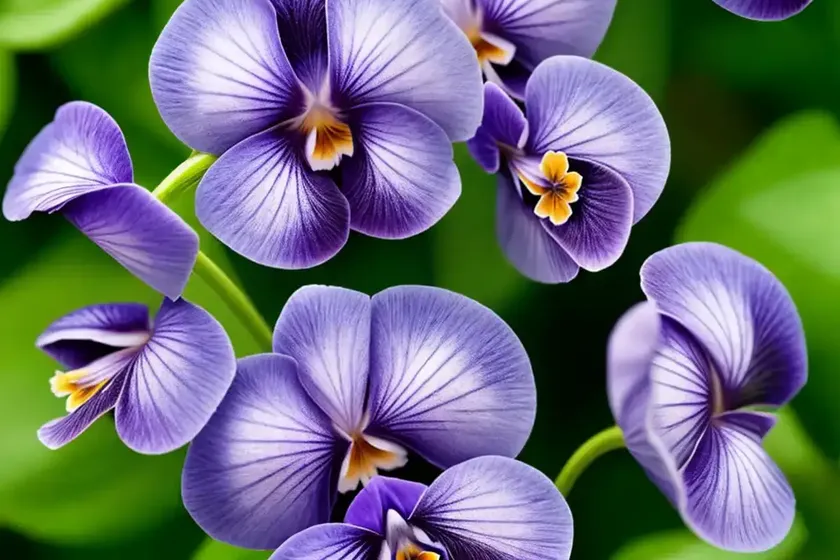
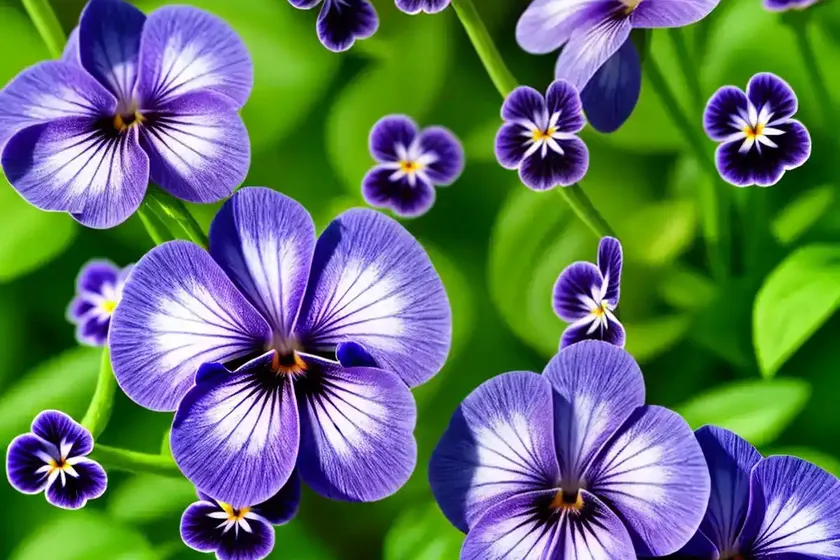
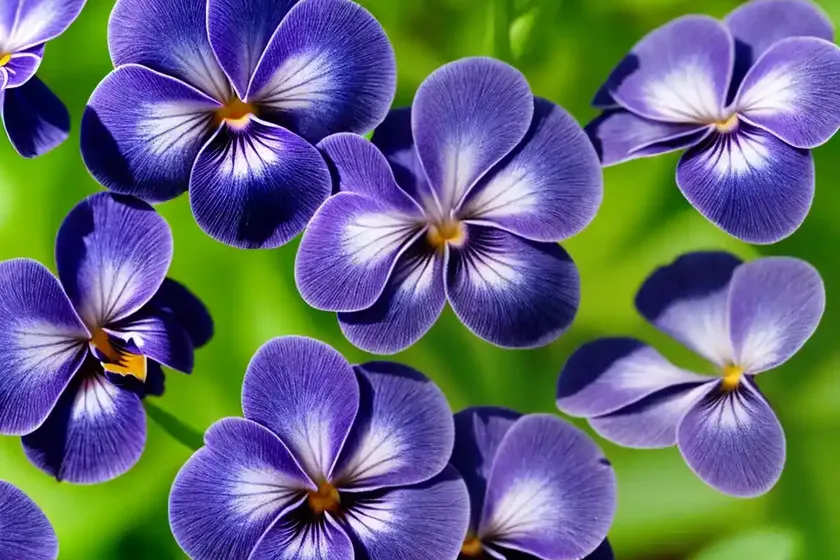
Viola sororia, commonly known as the Common Blue Violet, is a perennial herbaceous plant belonging to the Violaceae family. This native North American species is celebrated for its delicate, heart-shaped leaves and mesmerizing blue-violet flowers. The plant usually grows to a height of 6-8 inches, with a spread of 9-12 inches, creating a beautiful ground cover in woodland gardens or naturalized areas.
Key Characteristics
- Height: 6-8 inches
- Spread: 9-12 inches
- Flowers: Blue-violet
- Leaves: Heart-shaped
- Growth Habit: Perennial herbaceous
Viola sororia Care
Viola sororia is relatively easy to care for, making it a popular choice for both novice and experienced gardeners. This resilient plant thrives in various growing conditions and requires minimal maintenance, making it a delightful addition to any garden or landscape.
Key Takeaways – Common Blue Violet (Viola sororia)
Before delving into the specific aspects of caring for Viola sororia, let’s first explore the key takeaways that encapsulate the essence of this remarkable plant:
-
Easy to Grow: Viola sororia is a low-maintenance plant, suitable for both beginner and experienced gardeners.
-
Charming Appearance: The heart-shaped leaves and blue-violet flowers of Viola sororia add an enchanting touch to any garden or naturalized area.
-
Versatile Uses: This plant has been traditionally used for various purposes, ranging from medicinal to culinary and even decorative.
-
Wildlife Attraction: Viola sororia is valued for its ability to attract pollinators, including butterflies, bees, and hummingbirds, enhancing the biodiversity of the surrounding environment.
With these key takeaways in mind, let’s proceed to explore the specific aspects of cultivating and caring for Viola sororia.
Culture
Uses
- Medicinal
- Culinary
- Decorative
- Wildlife Attraction
Water
- Moderate water requirement
- Keep soil consistently moist but not waterlogged
Sunlight
- Partial to full shade
- Can tolerate dappled sunlight
Fertilizer
- Light feeding in early spring
- Organic, well-balanced fertilizer
Soil
- Moist, well-drained soil
- Rich in organic matter
Pruning
- Remove spent flowers to encourage continuous blooming
- Light pruning to maintain shape and control size
Propagation
- Division
- Seed sowing
Container Popularity
- Well-suited for containers
- Ideal for shaded or woodland-themed containers
Common Diseases
- Downy Mildew
- Root Rot
- Leaf Spot
Disease Diagnosis
- Regular inspection of leaves and stems for signs of disease
- Prompt treatment with appropriate fungicides or remedies
Common Pests
- Aphids
- Spider Mites
- Slugs and Snails
Botanist’s Tips
- Mulch around plants to maintain soil moisture and suppress weeds
- Incorporate organic matter into the soil to enhance fertility and structure
Fun Facts
- The flowers of Viola sororia are edible and can be used to add a pop of color to salads or desserts.
- This plant has historical significance, with various folklore and traditional uses among Native American tribes.
With an understanding of the culture and care requirements of Viola sororia, let’s explore its uses, benefits, and unique characteristics that make it a cherished part of gardens and landscapes.
Viola sororia Varieties
Viola sororia exhibits several attractive varieties, each with its distinct features and characteristics. While the blue-violet color is the most common, some cultivars boast variations in flower color and foliage patterns, adding diversity to the plant’s aesthetic appeal.
Notable Varieties
- Viola sororia ‘Albiflora’
- Viola sororia ‘Freckles’
- Viola sororia ‘Priceana’
Viola sororia Benefits
Uses
- Medicinal Properties: Viola sororia has been traditionally used in herbal remedies for various ailments, reflecting its medicinal significance.
- Culinary Uses: The edible flowers of Viola sororia can be incorporated into culinary creations, adding a touch of elegance and flavor to dishes.
- Decorative Purposes: The enchanting flowers of Viola sororia make it a popular choice for adding color and visual interest to gardens, floral arrangements, and even indoor spaces.
In Gardens
- Flower Beds: Viola sororia adds a charming allure to flower beds, particularly those designed to evoke a naturalistic or woodland aesthetic.
- Landscaping: The low-growing habit and delicate flowers of Viola sororia make it a versatile addition to various landscaping designs, including shaded areas and rock gardens.
In Containers
- Viola sororia is well-suited for container gardening, particularly in shaded or woodland-themed compositions. Its compact size and attractive blooms make it a delightful addition to outdoor and indoor containers.
Viola sororia for Pollinators
Viola sororia plays a vital role in supporting pollinator populations, making it a valuable asset in promoting biodiversity and ecological balance. The nectar-rich flowers of Viola sororia attract a range of pollinators, including butterflies, bees, and hummingbirds, creating a thriving habitat for these essential creatures.
For Butterflies
- Viola sororia serves as a crucial nectar source for butterflies, supporting their nutritional needs and contributing to their overall well-being.
For Bees
- Bees are drawn to the nectar and pollen offered by Viola sororia, making it an important plant for sustaining bee populations and promoting effective pollination in the surrounding area.
For Hummingbirds
- The vibrant blooms of Viola sororia attract hummingbirds, offering them a valuable food source and enhancing the overall biodiversity of the habitat.
With its diverse benefits and contributions to the natural world, Viola sororia holds a significant place in ecological and horticultural contexts. Let’s further explore its historical significance, folklore, and unique uses that have shaped its cultural importance.
Viola sororia Folklore
Viola sororia holds a rich tapestry of folklore and symbolic meanings, reflecting the deep-rooted significance of this plant in various cultural and historical contexts. In Native American traditions, the plant has been revered for its medicinal properties, decorative uses, and symbolic associations with resilience and renewal.
Symbolism
- Resilience: Viola sororia has been associated with resilience and perseverance in the face of adversity, symbolizing inner strength and endurance.
Historical Significance
- Native American Uses: Various Native American tribes utilized Viola sororia for its medicinal properties, recognizing its healing potential for a range of ailments and health conditions.
Traditional Uses
- Herbal Remedies: Viola sororia featured prominently in traditional herbal remedies, serving as a valuable resource for promoting health and well-being in indigenous communities.
Edibility
- The edible flowers of Viola sororia have been used in culinary preparations, echoing the plant’s integration into cultural cuisines and traditional practices.
Viola sororia Medicinal Properties
Viola sororia has been esteemed for its medicinal properties, offering a range of potential health benefits. From soothing salves to teas and tinctures, this plant has been utilized in diverse forms to address various ailments and promote holistic wellness.
Herbal Remedies
- Cough Relief: Viola sororia has been used to ease coughs and respiratory discomfort, offering a natural remedy for respiratory ailments.
Skin Care
- Wound Healing: Salves and poultices made from Viola sororia have been applied to wounds and skin irritations for their purported healing properties.
Nutritional Support
- Nutrient-Rich: The edible flowers of Viola sororia provide a source of essential nutrients, contributing to overall nutritional support in traditional cuisines.
Viola sororia: Symbolism
Resilience
- Viola sororia has been emblematic of resilience and strength, embodying the enduring spirit of the plant in the face of challenging conditions.
Renewal
- The vibrant blooms of Viola sororia symbolize renewal and vitality, capturing the essence of transformation and new beginnings.
Cultural Significance
- Viola sororia holds cultural significance, representing enduring traditions and the interconnectedness of humans and nature.
Viola sororia: Historical Significance
Native American Uses
- Viola sororia featured prominently in the traditional practices of various Native American tribes, enriching their medicinal, culinary, and cultural traditions.
Viola sororia: Traditional Uses
Edibility
- The edible flowers of Viola sororia have been incorporated into diverse culinary creations, offering a touch of elegance and flavor to traditional dishes and beverages.
Herbal Remedies
- Viola sororia has been utilized in traditional herbal remedies, showcasing its role as a valuable resource for promoting health and wellness.
Viola sororia: Edibility
Cooking Uses
- Culinary Delicacies: The edible flowers of Viola sororia can be incorporated into salads, desserts, and beverages, adding a visually striking and flavorful element to dishes.
Herbal Remedies
- The culinary and herbal uses of Viola sororia have been deeply intertwined, reflecting the seamless integration of this plant into multifaceted cultural practices and traditions.
With its diverse folklore, symbolic significance, and historical applications, Viola sororia embodies a rich tapestry of cultural and natural heritage. As we continue to explore the various facets of this plant, let’s delve into its propagation, hybridization possibilities, and best practices for cultivation.
Viola sororia: Propagation
Division
- Viola sororia can be propagated through division, allowing the creation of new plants from established clumps.
Seed Collection
- The collection of Viola sororia seeds offers the opportunity to produce offspring with diverse traits and characteristics, contributing to the wealth of floral diversity.
Seed Germination
- Proper germination techniques can ensure the successful establishment of Viola sororia from seeds, offering an alternative propagation method.
Transplanting
- Careful transplanting practices can help ensure the successful establishment of Viola sororia in new locations or containers, promoting its continued growth and vitality.
Viola sororia: Hybridization Possibilities
Viola sororia presents unique possibilities for hybridization, offering the potential to create new cultivars with distinct characteristics and visual appeal. By carefully selecting parent plants and employing controlled breeding techniques, hybridization efforts can yield exciting results, enriching the diversity of Viola sororia and expanding its horticultural significance.
Viola sororia: Soil Requirements
Moisture
- Viola sororia thrives in moist soil conditions, requiring adequate moisture for healthy growth and flowering.
Drainage
- Well-drained soil is essential to prevent waterlogging and root rot, ensuring the long-term vitality of Viola sororia.
Fertility
- Incorporating organic matter into the soil can enhance fertility and provide essential nutrients for the vigorous growth of Viola sororia.
Viola sororia: Sun Exposure
Shade Tolerance
- Viola sororia exhibits a preference for partial to full shade, making it an excellent choice for shaded gardens or woodland landscapes.
Dappled Sunlight
- While shade is ideal, Viola sororia can tolerate dappled sunlight, offering flexibility in its placement within the garden or landscape.
Viola sororia: Water Needs
Moisture Levels
- Viola sororia thrives when the soil is kept consistently moist, avoiding prolonged periods of dryness to support its health and vitality.
Watering Practices
- Regular, moderate watering is essential for meeting the moisture requirements of Viola sororia, ensuring its resilience and continuous blooming.
Viola sororia: Disease Prevention
Soil Moisture
- Proper soil moisture management is crucial in preventing diseases such as root rot and downy mildew, promoting the overall health of Viola sororia.
Air Circulation
- Providing adequate air circulation around the plant can minimize the risk of foliar diseases, enhancing the resilience of Viola sororia.
Viola sororia: Pest Management
Aphids
- Vigilant observation and early intervention can help mitigate aphid infestations, preserving the health and vigor of Viola sororia.
Spider Mites
- Regular monitoring and the use of natural predators or horticultural oils can effectively control spider mite populations, safeguarding the well-being of Viola sororia.
Slugs and Snails
- Implementing cultural and mechanical control measures, such as barriers and traps, can protect Viola sororia from slug and snail damage, ensuring its continued growth and beauty.
Viola sororia: Pruning Techniques
Deadheading
- Removal of spent flowers through deadheading encourages continuous blooming and maintains the plant’s aesthetic appeal.
Shaping
- Light pruning can be employed to shape and control the size of Viola sororia, promoting a tidy and well-maintained appearance in the garden or landscape.
Viola sororia: Seasonal Care
Winter Protection
- Providing winter protection, such as mulching and frost cloth, can safeguard Viola sororia from the adverse effects of cold temperatures, ensuring its survival and vigor in the following growing season.
Growing Zones
- Viola sororia thrives in USDA hardiness zones 3-8, adapting to a range of climatic conditions within these zones and flourishing in diverse environments.
Viola sororia: Native Habitat
Viola sororia is native to a diverse range of habitats, including woodlands, meadows, and stream banks across North America. Its ability to adapt to various ecological niches speaks to its resilience and ecological significance, underscoring the plant’s enduring presence in natural landscapes.
Viola sororia: Landscaping Ideas
Woodland Gardens
- Viola sororia imparts a natural, woodland charm to garden spaces, creating enchanting displays when combined with native trees, ferns, and other shade-loving plants.
Shade Gardens
- The shade tolerance of Viola sororia makes it an invaluable addition to shaded gardens, offering a splash of color and elegance in areas with limited sunlight.
Rock Gardens
- The low-growing habit and delicate flowers of Viola sororia make it an ideal choice for rock gardens, lending a soft and inviting appeal to rocky landscapes.
Underplanting
- Viola sororia serves as an excellent underplanting for larger trees and shrubs, infusing the landscape with a carpet of vibrant blooms and lush foliage.
Viola sororia: Unique Characteristics
Leaf Shape
- The heart-shaped leaves of Viola sororia provide visual interest and contribute to the plant’s overall charm, accentuating its natural beauty.
Flower Color
- The blue-violet flowers of Viola sororia enchant with their delicate hues, captivating the senses and creating stunning floral displays.
Foliage Patterns
- The foliage of Viola sororia exhibits attractive patterns and textures, adding depth and visual appeal to its overall appearance.
With its unique characteristics, diverse landscaping possibilities, and fascinating folklore, Viola sororia stands as a testament to the enduring beauty and cultural significance of native plant species. As we conclude this comprehensive guide, let’s consider the hybridization potentials of Viola sororia and its contributions to biodiversity and horticultural enrichment.
Conclusion: Celebrating the Heritage and Beauty of Viola sororia
Viola sororia, the Common Blue Violet, embodies a rich tapestry of cultural heritage and natural beauty, mesmerizing all who encounter its charming presence. From its enchanting blue-violet flowers to its diverse uses in traditional practices and contemporary landscapes, Viola sororia continues to inspire and captivate with its resilience and elegance.
As we celebrate the heritage and beauty of Viola sororia, let us embrace its significance in our gardens, communities, and ecosystems. By nurturing and preserving this remarkable plant, we honor its enduring legacy and contribute to the preservation of native species and the enrichment of our natural world.
We invite you to explore the enchanting world of Viola sororia, discovering its folklore, uses, and horticultural potential, as you embark on a journey of appreciation and celebration of this iconic plant. May the enduring allure of Viola sororia inspire a deeper connection to nature and a lasting commitment to the preservation of our botanical heritage.
In this comprehensive guide, we have ventured into the fascinating realm of Viola sororia, uncovering its unique traits, care requirements, uses, folklore, and much more. Whether you are an avid gardener, a horticultural enthusiast, or simply a lover of plants, we hope this exploration has provided you with a deeper understanding and appreciation for the Common Blue Violet and its cultural and natural significance.
For further information and resources on Viola sororia, we encourage you to explore the following external links:
- North American Native Plant Society
- The United States National Arboretum
- Lady Bird Johnson Wildflower Center
- The Native Plant Society of Texas
As you continue your journey of botanical discovery, may the beauty and resilience of Viola sororia inspire your own endeavors in gardening, conservation, and appreciation of the natural world. Thank you for joining us on this exploration, and may your encounters with Viola sororia be filled with wonder and delight.
With warm regards,
[Your Name]


