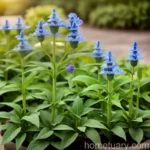
Common Sage (Salvia officinalis ‘Aurea’)
Introduction
Common sage, scientifically known as Salvia officinalis ‘Aurea’, is a popular perennial herb renowned for its culinary, ornamental, and medicinal properties. With its distinctive golden-yellow foliage and aromatic qualities, common sage adds a delightful touch to any garden or landscape. This article will delve into the various aspects of caring for and utilizing this remarkable plant, from its cultural needs to its uses in cooking and traditional medicine. Let’s explore the captivating world of common sage.
What is Plant: Common Sage (Salvia officinalis ‘Aurea’)?
Common sage, a member of the Lamiaceae family, is a striking herbaceous plant with a rich history that dates back centuries. It is a cultivar of Salvia officinalis, commonly known as garden sage, and is characterized by its golden-yellow variegated leaves, which add a vibrant splash of color to any setting. The species name ‘officinalis’ is derived from ‘officina’, a Latin term for a workshop or pharmacy, indicating the traditional medicinal uses of this plant.
The genus name Salvia is derived from the Latin word ‘salvare’, meaning ‘to heal’. This denotes the plant’s historical association with healing and well-being. Common sage is native to the Mediterranean region, where it has been cultivated for its aromatic leaves and diverse applications for centuries.
Key Takeaways – Common Sage (Salvia officinalis ‘Aurea’)
Before delving into the specifics of common sage care and uses, let’s outline the key takeaways that will be covered in detail throughout this article:
-
Sage Plant Varieties: Exploring the various sage plant varieties, including Salvia officinalis ‘Aurea’.
-
Sage officinalis Aurea: Understanding the unique traits and characteristics of Salvia officinalis ‘Aurea’, also known as Golden Sage.
-
Growing Sage Plants: Tips and techniques for successfully growing and nurturing sage plants.
-
Propagation of Salvia officinalis ‘Aurea’: Insights into the propagation methods for this captivating sage variety.
-
Culinary and Medicinal Uses: Exploring the diverse culinary and medicinal uses of Golden Sage.
-
Aromatic Qualities and Fragrance: Understanding the delightful aromatic qualities and fragrance of common sage.
-
Companion Plants: Identifying the best companion plants for common sage to promote its growth and well-being.
-
Pests and Diseases: Understanding common pests and diseases that affect Golden Sage and methods for diagnosis and control.
-
Pruning Techniques: Guidelines for pruning sage plants to maintain their vigor and shape.
-
Container Gardening: Insight into growing Salvia officinalis ‘Aurea’ in containers and suitable practices.
-
Seasonal Care: Exploring the seasonal care requirements for this vibrant sage variety.
Now, let’s dissect each of these aspects in detail, equipping you with comprehensive knowledge about common sage and its cultivation.
Culture
Water
Common sage is known for its drought tolerance and prefers well-drained soil, making it essential to avoid overwatering. When establishing the plant, regular watering is beneficial to encourage root development, but once established, it thrives in dry conditions. Watering should be reduced during the winter months to prevent waterlogging, which can be detrimental to the plant’s health.
Sunlight
Golden Sage thrives in full sunlight, requiring at least 6-8 hours of direct sunlight daily. Placing the plant in a sunny location promotes vigorous growth and enhances the development of its vibrant golden foliage.
Fertilizer
Feeding common sage with a balanced fertilizer in the spring can help support its growth. Consider using a slow-release organic fertilizer or a diluted liquid fertilizer specifically formulated for herbs.
Soil
This herb thrives in well-drained, sandy, or loamy soil with a slightly acidic to neutral pH. Amending the soil with organic matter such as compost can improve its texture and nutrient content, promoting optimal growth of the plant.
Uses
Culinary Uses
Common sage is renowned for its culinary applications, adding a distinctive flavor to an array of dishes. Its aromatic, earthy, and slightly peppery flavor makes it a versatile herb in various cuisines. It pairs well with poultry, pork, and in stuffing for roasted meats, imparting a delightful savory note to the dishes.
Medicinal Uses
In traditional medicine, sage has been valued for its diverse medicinal properties. It is believed to possess antioxidant, anti-inflammatory, and antimicrobial properties, making it a valuable herb in natural remedies. Sage tea is utilized for its potential digestive and anti-inflammatory benefits, and its leaves have been used topically for their astringent and antimicrobial properties.
Pruning
Pruning Techniques: Pruning common sage is beneficial for maintaining its shape, stimulating new growth, and preventing the plant from becoming woody and unproductive. To promote bushy growth, regular pruning is recommended, especially after the flowering period. Removing any dead or diseased stems and shaping the plant can enhance its vigor and overall appearance.
Propagation
Propagation Methods
Golden Sage can be propagated through various methods, including:
- Seed Propagation: Sowing seeds indoors in early spring and transplanting the seedlings outdoors after the last frost date.
- Cutting Propagation: Rooting stem cuttings in a well-draining, moist medium to establish new plants.
- Division: Dividing mature plants to create new individuals, ensuring each division has a portion of the root system for successful establishment.
Container Gardening
Growing common sage in containers is an excellent option for individuals with limited garden space or those who prefer to cultivate herbs on patios or balconies. When opting for container gardening, consider the following:
- Container Size: Select a container that provides ample space for the root system to develop, ensuring adequate drainage to prevent waterlogging.
- Well-Draining Soil: Utilize a high-quality potting mix with excellent drainage properties to promote the health of the plant.
Common Diseases
Disease Diagnosis
Common sage is relatively resilient to diseases; however, it may occasionally encounter issues such as:
- Powdery Mildew: A fungal disease characterized by white powdery patches on the foliage, which can be addressed through improved air circulation and the application of fungicidal treatments.
- Root Rot: Occurs due to prolonged waterlogging, leading to the decay of the root system. Ensuring proper drainage and avoiding overwatering can prevent this issue.
Common Pests
Common sage is generally resistant to pests, owing to its aromatic foliage and resilience. However, a few pests may pose occasional challenges, including:
- Aphids: These small, sap-sucking insects can be controlled through the application of insecticidal soap or horticultural oil.
- Spider Mites: These pests may infest sage plants, causing stippling and discoloration of the leaves. Regularly spraying the foliage and maintaining adequate humidity levels can help deter their presence.
Botanist’s Tips
- Harvesting: When harvesting sage leaves, do so in the morning when the essential oils are at their peak, ensuring the best flavor and fragrance.
- Overwintering: In colder climates, protect sage plants from harsh winter conditions by applying a layer of mulch around the base of the plant to insulate the roots.
Fun Facts
- Symbolism: In folklore and traditions, sage has been associated with wisdom, longevity, and protection, with many cultures attributing symbolic significance to this revered herb.
- Historical Significance: Common sage has been esteemed for centuries, with the Romans and Greeks valuing it for its culinary and medicinal qualities, considering it a sacred herb.
Links to External Resources
For additional information on common sage, its cultivation, and uses, explore the following external resources:
By delving into these resources, you can expand your knowledge and appreciation for common sage, enhancing your gardening and culinary experiences.
In conclusion, common sage, with its striking aesthetic appeal and multifaceted uses, holds a revered place in the world of herbs. Whether adding depth to culinary creations, contributing to holistic well-being through its medicinal properties, or gracing gardens with its golden foliage, Salvia officinalis ‘Aurea’ is a captivating and valuable addition to any setting. By embracing the insights shared in this article, you are equipped to nurture, utilize, and appreciate the remarkable qualities of common sage to the fullest.