Lily of the Valley (Convallaria majalis var. rosea): A Delicate and Enchanting Plant
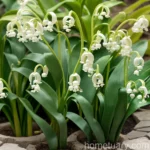
Lily of the Valley, scientifically known as Convallaria majalis var. rosea, is a delicate and enchanting perennial plant that is beloved for its dainty, bell-shaped, pink flowers and sweet fragrance. This exquisite plant, also known as the May lily or May bells, belongs to the Asparagaceae family and is native to the cool temperate regions of the Northern Hemisphere, including Europe and Asia. Lily of the Valley is a popular choice for gardens, borders, and woodland settings due to its captivating appearance and delightful scent.
In this comprehensive guide, we will delve into the world of Lily of the Valley, exploring its cultural significance, uses, care requirements, propagation techniques, common diseases and pests, and much more. Whether you are a seasoned gardener or a beginner plant enthusiast, this article will provide you with valuable insights into nurturing and enjoying the beauty of Lily of the Valley in your outdoor or indoor spaces.
Table of Contents
- What is Lily of the Valley (Convallaria majalis var. rosea)?
- Culture of Lily of the Valley
- Uses of Lily of the Valley
- Growing Conditions
- Water
- Sunlight
- Fertilizer
- Soil
- Pruning Lily of the Valley
- Propagation Techniques
- Growing Lily of the Valley in Containers
- Popularity of Lily of the Valley
- Common Diseases of Lily of the Valley
- Common Pests
- Botanist’s Tips for Caring for Lily of the Valley
- Fun Facts About Lily of the Valley
- Links to External Resources
Let’s embark on an enriching journey to discover the captivating world of Lily of the Valley.
What is Lily of the Valley (Convallaria majalis var. rosea)?
Convallaria majalis var. rosea, known as Lily of the Valley, is a herbaceous perennial plant that typically reaches a height of 15-30 cm (6-12 inches). It is characterized by its slender, arching stems that bear pairs of glossy, elliptical leaves, and delicate, nodding, pink flowers. The flowers, which bloom in late spring to early summer, exude a sweet, intoxicating fragrance, making Lily of the Valley a popular choice for fragrant gardens and cut flower arrangements.
The genus name “Convallaria” is derived from the Latin words “con” meaning “together” and “vallis” meaning “valley,” alluding to the plant’s natural habitat of growing in valleys. The species name “majalis” is derived from the Latin word for “May,” signifying the plant’s characteristic blooming period.
Lily of the Valley holds cultural significance in various traditions and symbolizes purity, sweetness, and the return of happiness, making it a popular choice for bridal bouquets, May Day celebrations, and other special occasions.
Culture of Lily of the Valley
Uses
Lily of the Valley is revered for its ornamental and aromatic qualities, making it a cherished addition to gardens, landscapes, and bouquets. The delicate beauty and sweet fragrance of Lily of the Valley have inspired poets, artists, and gardeners for centuries, and it continues to be a beloved plant in contemporary horticulture.
The flowers of Lily of the Valley are widely used in the floral industry for creating stunning arrangements and adding a touch of elegance to weddings, anniversaries, and other celebrations. Additionally, Lily of the Valley is often featured in perfumes, soaps, and scented candles, harnessing its alluring fragrance to captivate the senses.
In traditional medicine, Lily of the Valley has been used for its purported therapeutic properties. However, it’s important to note that all parts of the plant, especially the berries, contain toxic compounds and should not be ingested. Caution should be exercised when handling Lily of the Valley to prevent accidental exposure.
Growing Conditions
Water
Lily of the Valley thrives in moist, well-drained soil and prefers consistently moist conditions, especially during the growing season. Adequate watering is essential to sustain healthy growth and flowering. When planted in the garden, ensure that the soil remains evenly moist, but not waterlogged. During dry spells, supplementary watering may be necessary to support the plant’s vitality.
When growing Lily of the Valley in containers, it’s crucial to monitor the moisture levels closely, as the limited soil volume can lead to quicker drying out. The use of a mulch layer can help retain soil moisture and provide a more favorable environment for the plant’s root system.
Sunlight
Lily of the Valley thrives in partial to full shade, making it an ideal choice for shaded gardens, woodland settings, and beneath deciduous trees. The dappled sunlight filtering through the leafy canopy provides the perfect light conditions for the plant to flourish. However, it’s important to ensure that the chosen planting site receives adequate indirect light to support healthy growth and abundant flowering.
In regions with hot, intense sunlight, providing morning sun and afternoon shade can help prevent the plant from becoming stressed or scorched. Selecting a location with the right balance of light and shade is essential for the overall well-being of Lily of the Valley.
Fertilizer
Lily of the Valley is not particularly demanding when it comes to fertilizer. A balanced, all-purpose fertilizer applied in early spring as new growth emerges can provide the plant with the necessary nutrients for vigorous growth and prolific flowering. It’s advisable to use a diluted fertilizer solution to prevent the risk of over-fertilizing, which can lead to excessive foliage growth at the expense of flowers.
Organic fertilizers such as compost and well-rotted manure can also be incorporated into the soil in the planting area to enrich the nutrient content and improve soil structure. When growing Lily of the Valley in containers, regular applications of a diluted liquid fertilizer every 4-6 weeks during the growing season can help maintain healthy growth and support the plant’s blooming potential.
Soil
Lily of the Valley thrives in rich, humusy soil with good moisture-retentive properties. Well-draining soil is essential to prevent waterlogging, which can lead to root rot and other moisture-related issues. A slightly acidic to neutral soil pH in the range of 6.0-7.0 is considered ideal for Lily of the Valley cultivation.
When planting Lily of the Valley in the garden, amending the soil with organic matter such as compost, leaf mold, or well-rotted manure can enhance the soil structure and fertility, providing an optimal growing medium for the plant. In containers, a high-quality, well-aerated potting mix formulated for woodland plants or shade-loving perennials can offer the ideal growing environment for Lily of the Valley.
Pruning Lily of the Valley
Pruning requirements for Lily of the Valley are minimal, as the plant maintains a tidy, compact growth habit without the need for extensive maintenance. After the flowering period, spent blooms can be removed by gently snipping the flower stems at the base to promote a neat appearance and prevent the formation of seeds.
It’s important to note that all parts of Lily of the Valley are toxic if ingested, and care should be taken when handling the plant. Wearing gloves when pruning or handling Lily of the Valley can help prevent skin irritation or accidental exposure to the plant’s toxic compounds.
Propagation Techniques
Lily of the Valley can be propagated through division, seed, or rhizome cuttings. Division is the most common and reliable method for propagating Lily of the Valley, and it is typically carried out in early spring or in the fall when the plant is not in active growth. The process involves carefully lifting and dividing the plant’s rhizomes into smaller sections, each with several healthy roots and growing points.
Seed propagation is less commonly practiced due to the slow and challenging nature of germinating Lily of the Valley seeds. For those who choose to propagate Lily of the Valley from seed, it’s important to note that the seeds require a period of cold stratification to break dormancy and promote successful germination.
Rhizome cuttings, which involve carefully excising and rooting sections of the plant’s underground rhizomes, can also be used to propagate Lily of the Valley. This method is typically employed by experienced gardeners and propagators to increase their stock of desirable cultivars and varieties.
Growing Lily of the Valley in Containers
Lily of the Valley can be successfully grown in containers, allowing gardeners to enjoy the plant’s beauty and fragrance in outdoor spaces, balconies, and patios. When cultivating Lily of the Valley in containers, it’s crucial to select a pot with adequate drainage holes to prevent waterlogging and promote healthy root development. Using a lightweight, well-draining potting mix specifically formulated for shade-loving plants or woodland species can provide the ideal growing medium for Lily of the Valley.
The containers should be placed in shaded or partially shaded locations to mimic the plant’s natural habitat preferences. Adequate moisture management is essential when growing Lily of the Valley in containers, as they are more prone to drying out compared to plants in the ground. Regular watering, especially during periods of dry weather, is crucial to sustain the plant’s well-being and encourage abundant flowering.
Popularity of Lily of the Valley
Lily of the Valley enjoys immense popularity among gardeners, floral enthusiasts, and those who appreciate its delicate charm and alluring fragrance. The plant’s graceful appearance, captivating scent, and cultural significance have contributed to its enduring appeal in horticulture and ornamental gardening.
The enchanting beauty of Lily of the Valley has inspired various art forms, including paintings, literature, and music, further cementing its status as a timeless botanical treasure. Its association with springtime, love, and purity has made it a symbolic choice for special occasions and celebrations, adding a touch of elegance and romance to floral displays and bridal arrangements.
Common Diseases of Lily of the Valley
Lily of the Valley is generally resistant to most diseases, thanks to its resilient nature and adaptability to various growing conditions. However, under unfavorable conditions or stress, the plant may become susceptible to certain fungal diseases, including leaf spot, powdery mildew, and crown rot.
Leaf spot, characterized by the appearance of dark, irregular spots on the foliage, can be managed through good sanitation practices, adequate air circulation, and the removal of affected plant material. Powdery mildew, which manifests as a white, powdery coating on the leaves, can be prevented by maintaining proper air circulation, avoiding overhead watering, and applying fungicidal treatments if necessary.
Crown rot, caused by excessive moisture and poor drainage, can lead to the decay of the plant’s crown and rhizomes. To prevent crown rot, it’s essential to ensure well-draining soil, proper watering practices, and the avoidance of waterlogged conditions. Vigilant monitoring and swift intervention can help mitigate the impact of diseases on Lily of the Valley, ensuring the continued health and vitality of the plant.
Common Pests
Lily of the Valley is relatively resistant to pest infestations, owing to the toxic compounds present in its leaves and berries, which act as a natural deterrent to many herbivorous insects. However, certain pests such as slugs, snails, and aphids may occasionally pose a threat to the plant, especially in lush, moist environments.
The application of physical barriers, such as copper tape or diatomaceous earth, can help deter slugs and snails from feeding on Lily of the Valley leaves and stems. Natural predators, such as predatory insects and birds, can also contribute to pest control in the garden, helping to maintain a balanced ecosystem and reduce the impact of potential infestations.
Vigilance and regular inspection of the plant for early signs of pest activity can aid in early intervention and prevent pest populations from escalating. Employing environmentally friendly pest control methods and avoiding the use of broad-spectrum insecticides can help preserve the natural balance and diversity of beneficial organisms in the garden.
Botanist’s Tips for Caring for Lily of the Valley
Caring for Lily of the Valley can be a rewarding experience, allowing enthusiasts to witness the plant’s graceful beauty and charming fragrance firsthand. To cultivate healthy, flourishing Lily of the Valley, consider the following tips and recommendations:
- Ensure well-draining soil: Plant Lily of the Valley in rich, well-draining soil to prevent waterlogged conditions and promote healthy root development.
- Monitor soil moisture: Maintain consistent soil moisture, especially during the active growing season, to support the plant’s vitality and flowering potential.
- Provide partial to full shade: Choose a planting site that receives indirect or dappled sunlight to create an optimal environment for Lily of the Valley to thrive and bloom.
- Exercise caution with toxic compounds: Handle Lily of the Valley with care and awareness of its toxic nature, especially when pruning, dividing, or handling the plant.
- Embrace its cultural significance: Explore the cultural symbolism and historical significance of Lily of the Valley, and consider incorporating it into special occasions and celebrations.
Fun Facts About Lily of the Valley
- Cultural Symbolism: Lily of the Valley is associated with diverse cultural symbolism and traditions, representing purity, luck, and the return of happiness.
- Shakespearean Reference: In William Shakespeare’s play “Hamlet,” Ophelia presents a bouquet of flowers that includes Lily of the Valley, symbolizing her innocence and purity.
- Fragrant Delight: The sweet, delicate fragrance of Lily of the Valley has inspired perfumers and fragrance enthusiasts for centuries, and it continues to be a cherished scent in the world of perfumery.
- May Day Tradition: In numerous cultures, Lily of the Valley is a traditional symbol of May Day, with the fragrant blossoms heralding the arrival of spring and the season of renewal.
- Royal Associations: Lily of the Valley holds royal significance and has been featured in the bridal bouquets of several royal weddings, including that of Princess Kate Middleton.
Links to External Resources
For additional information, resources, and inspiration related to Lily of the Valley, we recommend exploring the following external links:
- The Royal Horticultural Society (RHS) – Growing Convallaria majalis (Lily of the Valley)
- American Society for the Prevention of Cruelty to Animals (ASPCA) – Lily of the Valley Plant Toxicity
- United States Department of Agriculture (USDA) – Plant Guide for Convallaria majalis
- The National Gardening Association – Lily of the Valley Care Guide
- The Royal Botanic Gardens, Kew – Convallaria majalis: May Lily
- The Old Farmer’s Almanac – Lily of the Valley Planting and Care Guide
- The Wildlife Trusts – Woodland Trust: Lily of the Valley Facts and Information
- The American Institute of Floral Designers (AIFD) – Invoking Tradition: The History and Symbolism of Lily of the Valley
By exploring these external resources, you can gain further insights into the cultivation, care, and cultural significance of Lily of the Valley, as well as discover a wealth of knowledge and inspiration for incorporating this exquisite plant into your outdoor and indoor spaces.
Conclusion
Lily of the Valley (Convallaria majalis var. rosea) captivates the hearts and senses of all who encounter its delicate beauty and enchanting fragrance. As we have journeyed through the realm of this beloved plant, we have uncovered its cultural significance, explored its care requirements, and celebrated its timeless allure through art, tradition, and natural beauty.
Whether adorning shaded gardens, woodland landscapes, or elegantly arranged bouquets, Lily of the Valley continues to enthrall and inspire, filling the air with its sweet perfume and weaving stories of love, purity, and renewal. May the grace and charm of Lily of the Valley find a special place in your heart and garden, enriching your life with its timeless elegance and fragrant presence.