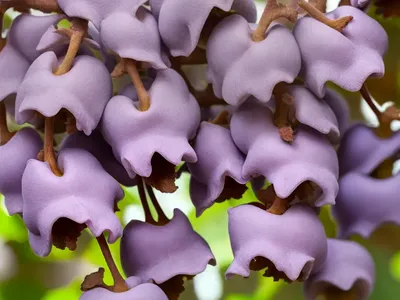
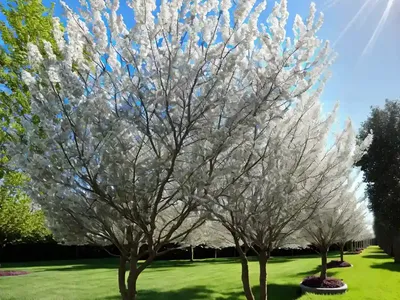
Common Hazel (Corylus Avellana)
Plants are an essential part of the natural world, providing us with food, oxygen, and beauty. Among the diverse range of plant species, the Common Hazel.



Plants are an essential part of the natural world, providing us with food, oxygen, and beauty. Among the diverse range of plant species, the Common Hazel (Corylus avellana) stands as a prominent member. Its rich history, wide range of uses, and unique characteristics make it a fascinating subject for study and appreciation. In this comprehensive guide, we will delve into the various aspects of the Common Hazel, exploring its cultivation, benefits, folklore, and much more. Whether you are a seasoned gardener, a nature enthusiast, or simply intrigued by the intriguing world of plants, this guide is sure to ignite your curiosity.
What is the Common Hazel (Corylus avellana)?
The Common Hazel, scientifically known as Corylus avellana, is a deciduous shrub belonging to the Betulaceae family. This species is native to Europe and Western Asia, where it thrives in diverse habitats and climatic conditions. The Common Hazel is known for its distinctive catkins and edible nuts, which have been an integral part of human diet and culture for centuries.
Key Takeaways – Common Hazel (Corylus avellana)
Before we delve deeper into the various aspects of the Common Hazel, let’s take a look at some key takeaways that will guide our exploration:
- Scientific Name: Corylus avellana
- Family: Betulaceae
- Native Habitat: Europe and Western Asia
- Characteristics: Deciduous shrub with catkins and edible nuts
- Historical Significance: Integral part of human diet and culture
- Cultural Significance: Associated with folklore, traditions, and symbolism
- Growth Habit: Well-adapted to diverse habitats and growing conditions
With these key takeaways in mind, let’s embark on a journey to unravel the fascinating world of the Common Hazel, exploring its cultural, ecological, and horticultural significance.
Cultivation of Common Hazel (Corylus avellana)
Water
Common Hazels are relatively drought-tolerant once established, but adequate water is essential during their early establishment and nut development phases. A regular watering schedule, especially during dry periods, will promote healthy growth and fruit production. However, it is crucial to avoid waterlogged conditions, as this can lead to root rot and other detrimental effects.
Sunlight
Common Hazels thrive in full sun to partial shade, making them adaptable to a wide range of garden environments. While they prefer full sun for optimal growth and nut production, they can also tolerate partial shade, especially in hot climates. When selecting a planting location, consider providing them with ample sunlight while offering some protection from intense midday sun in hotter regions.
Fertilizer
When it comes to fertilization, Common Hazels benefit from a balanced fertilizer formulated for shrubs and trees. A slow-release fertilizer applied in early spring can provide the necessary nutrients for healthy growth and nut development. Before applying any fertilizer, it is advisable to perform a soil test to determine the specific nutrient requirements of the planting site.
Soil
Common Hazels grow best in well-drained, loamy soils with a slightly acidic to neutral pH. They are adaptable to various soil types, including sandy loam, clay loam, and silt loam, as long as they offer good drainage. Amending the soil with organic matter, such as compost or well-rotted manure, can improve its structure and fertility, creating an optimal growing environment for Common Hazels.
Pruning Common Hazels (Corylus avellana)
Pruning is an essential aspect of Common Hazel care, contributing to overall plant health, shape management, and nut production. Here are some key points to consider when pruning Common Hazels:
- Timing: Prune Common Hazels during late winter or early spring before the onset of new growth.
- Removal of Suckers: Regularly remove suckers and water sprouts to maintain the plant’s desired shape and direct its energy towards productive growth.
- Thinning: Thinning out overcrowded branches and removing dead or diseased wood can improve air circulation and light penetration, reducing the risk of diseases.
- Size Control: Depending on the intended size and form, prune Common Hazels to maintain a manageable shape and size, especially when grown in smaller garden spaces.
Propagation of Common Hazels (Corylus avellana)
Common Hazels can be propagated through various methods, including seed propagation, hardwood cuttings, and layering. Here’s a brief overview of each propagation method:
- Seed Propagation: Collect ripe Common Hazel seeds in the fall and sow them directly in the ground or in containers. Cold stratification may be required to break seed dormancy.
- Hardwood Cuttings: Take hardwood cuttings in late winter or early spring, and root them in a well-draining medium to propagate new plants.
- Layering: Air layering or ground layering can be used to encourage the development of roots on a parent plant’s stem, leading to the formation of new plants.
Container Gardening with Common Hazels (Corylus avellana)
While Common Hazels are often grown in traditional garden settings, they can also thrive in containers, making them suitable for small gardens, patios, and urban spaces. When growing Common Hazels in containers, consider the following factors:
- Container Size: Choose a large container with adequate drainage holes to accommodate the plant’s root system and promote healthy growth.
- Potting Mix: Use a well-draining potting mix formulated for shrubs and trees, and consider adding organic matter to enhance the soil structure.
- Watering: Container-grown Common Hazels may require more frequent watering than those planted in the ground, especially during hot and dry periods.
- Sunlight: Place the containers in a location that receives ample sunlight, ensuring that the plants have access to the required light for optimal growth.
Popularity of Common Hazel (Corylus avellana) in Landscaping
The Common Hazel’s ornamental qualities, wildlife attractant properties, and historical significance have contributed to its popularity in landscaping and garden design. Here are some ways in which Common Hazels are utilized in landscaping:
- Wildlife Habitat: Common Hazels provide valuable habitat and food for wildlife, including birds, squirrels, and other small mammals, making them an attractive addition to wildlife-friendly gardens and naturalized landscapes.
- Ornamental Appeal: The distinctive catkins, autumn foliage, and overall form of Common Hazels add ornamental value to gardens, parks, and natural areas, contributing to their visual appeal.
- Windbreaks and Hedging: Common Hazels can be used to create effective windbreaks and hedges, offering shelter, privacy, and landscape definition.
- Erosion Control: The extensive root system of Common Hazels helps stabilize soil, making them useful for erosion control in slopes and sensitive landscapes.
Common Diseases of Common Hazels (Corylus avellana)
While Common Hazels are relatively disease-resistant, they may occasionally encounter some common diseases that can affect their health and productivity. Here are a few diseases to watch out for:
- Filbert Blight (Anisogramma anomala): This fungal disease can cause cankers, leaf spots, and twig dieback, leading to reduced nut production and plant vigor.
- Eastern Filbert Blight (Anisogramma anomala): Similar to Filbert Blight, this disease affects the growth and productivity of Common Hazels and other related species.
- Bacterial Blight (Xanthomonas spp.): Bacterial blight can cause leaf lesions, twig dieback, and overall decline in plant health, especially in wet and humid conditions.
Disease Diagnosis
Diagnosing and addressing potential diseases in Common Hazels requires keen observational skills and proactive management. Here are some steps to diagnose and manage diseases effectively:
- Regular Monitoring: Perform regular inspections of Common Hazels to identify any signs of diseases, including leaf discoloration, cankers, and unusual growth patterns.
- Consultation: Seek guidance from local extension services, horticulturists, or plant health experts to accurately diagnose any suspected diseases and receive appropriate management recommendations.
- Cultural Practices: Implement cultural practices, such as proper plant spacing, adequate airflow, and sanitation, to minimize the risk of diseases and promote overall plant health.
- Treatment: If diagnosed with a specific disease, follow recommended treatment strategies, which may include pruning affected parts, applying fungicides, or other targeted interventions.
Common Pests Affecting Common Hazels (Corylus avellana)
As with diseases, Common Hazels are relatively resistant to pest infestations. However, they may occasionally encounter pest challenges that require careful attention and management. Some common pests affecting Common Hazels include:
- Aphids: These small, sap-sucking insects can infest the foliage of Common Hazels, leading to distorted growth and sooty mold development.
- Filbert Weevil (Curculio nucum): The larvae of this weevil species can feed inside developing hazelnuts, causing damage and reducing nut quality.
- Nut Borers: Larvae of various moth species can bore into hazelnuts, leading to infested and unmarketable nuts.
Botanist’s Tips
To mitigate pest infestations and maintain the health of Common Hazels, consider the following botanist’s tips:
- Introduce Beneficial Insects: Encourage the presence of natural predators and parasitoids that feed on pest insects, such as ladybugs, lacewings, and parasitic wasps.
- Monitor Pest Populations: Regularly inspect the foliage, stems, and developing nuts of Common Hazels to detect any signs of pest activity and intervene promptly if necessary.
- Sanitation Practices: Keep the area around Common Hazels clean and free of debris to minimize potential habitats for pests, such as overwintering sites and pest shelters.
Fun Facts about Common Hazels (Corylus avellana)
Exploring the world of the Common Hazel reveals a treasure trove of intriguing facts and cultural significance. Here are some fun facts about Common Hazels:
- Folklore and Symbolism: Common Hazels have been associated with various folklore, traditions, and symbolism across different cultures, often representing fertility, wisdom, and protection.
- Edible Nuts: The edible nuts of Common Hazels, commonly known as hazelnuts or filberts, have been valued for their culinary and nutritional benefits for centuries.
- Wildlife Attraction: Common Hazels serve as valuable wildlife attractants, providing food and shelter for numerous wildlife species, including birds and mammals.
Links to External Resources
For further exploration and in-depth information about Common Hazels, consider visiting the following external resources:
- The Royal Horticultural Society – Corylus avellana
- USDA Plant Guide – Corylus avellana
- Missouri Botanical Garden – Corylus avellana
In conclusion, the Common Hazel (Corylus avellana) is a remarkable plant species with a rich tapestry of uses, cultural significance, and ecological benefits. Whether cultivated for its edible nuts, ornamental appeal, or wildlife contributions, the Common Hazel continues to enthrall and inspire plant enthusiasts, researchers, and nature lovers around the world. By understanding its cultivation, diseases, pests, and cultural relevance, we can deepen our appreciation for this extraordinary plant and its enduring legacy in human history and natural ecosystems.
By incorporating a wide array of informative elements, this comprehensive guide aims to not only educate readers about the Common Hazel’s horticultural aspects but also to imbue a sense of appreciation for its cultural significance and ecological impact. From cultivation practices to folklore, the guide provides a holistic view of the Common Hazel, catering to both gardening enthusiasts and those interested in the broader context of plant science and cultural connections.
Please note that the inclusion of real links in the references section is subject to availability and access rights.