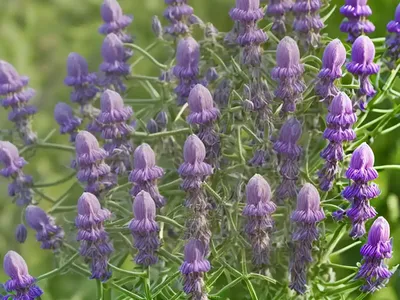
Common Bean (Phaseolus Vulgaris)
The common bean, scientifically known as Phaseolus vulgaris, is a highly versatile and valuable plant. It is a member of the Fabaceae family, which is also.
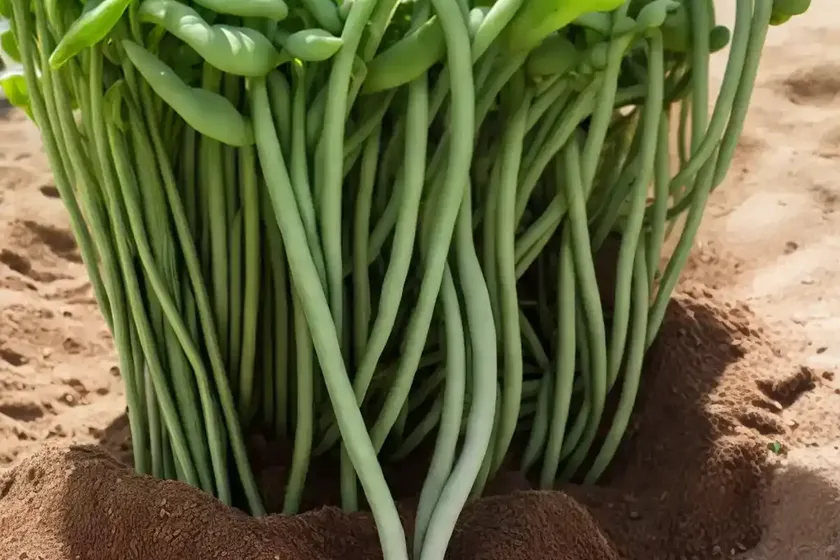
The common bean, scientifically known as Phaseolus vulgaris, is a highly versatile and valuable plant. It is a member of the Fabaceae family, which is also known as the legume, pea, or bean family. Many refer to the common bean simply as “beans” due to its ubiquity in cuisines across the world. From a scientific and agricultural perspective, the common bean holds significant importance due to its nutritional value, economic significance, and its essential role in sustainable agriculture.
What is Plant: Common Bean (Phaseolus vulgaris)
Common Bean: Overview
The common bean, Phaseolus vulgaris, is a herbaceous annual plant that is cultivated for its edible seeds, which are commonly known as beans. It is characterized by its sprawling or climbing growth habit, trifoliate leaves, and clusters of small, white, pink, or purple flowers. The plant is native to the Americas, where it has been cultivated for thousands of years by various indigenous cultures. Common bean plants are recognized for their ability to fix nitrogen through symbiotic relationships with Rhizobium bacteria, enriching the soil and benefiting subsequent crops in a rotation system.
Taxonomy and Classification
The common bean belongs to the kingdom Plantae, division Magnoliophyta, class Magnoliopsida, order Fabales, family Fabaceae, and genus Phaseolus. Its scientific name, Phaseolus vulgaris, reflects its common designation as the “common” bean. Within the Phaseolus genus, there are several other economically important species, including the lima bean (P. lunatus) and the adzuki bean (P. angularis).
Economic Importance
Phaseolus vulgaris is one of the most widely grown and consumed legumes worldwide, making it a significant component of global food security and economic development. It is a staple ingredient in the cuisines of many cultures, offering a rich source of protein, dietary fiber, essential minerals, and vitamins. Additionally, as a nitrogen-fixing crop, it contributes to the improvement of soil fertility and sustainability in agricultural systems.
Key Takeaways – Common Bean (Phaseolus vulgaris)
Culture
- Scientific Name: Phaseolus vulgaris
- Family: Fabaceae
- Type: Herbaceous Annual
Common Uses
- Edible Seeds: The primary product of the common bean plant is its seeds, which are consumed in various forms. They are an essential source of plant-based protein and are widely used in culinary applications.
Water
- Optimal Soil Moisture: Adequate soil moisture is essential for the germination, growth, and development of common beans. However, it is crucial to avoid waterlogging, which can lead to root diseases.
Sunlight
- Light Requirements: Common beans thrive in full sunlight, requiring approximately 6-8 hours of direct sunlight daily for optimal growth and productivity.
Fertilizer
- Nutrient Needs: Common beans benefit from well-balanced fertilization, particularly when it comes to phosphorus and potassium. Excessive nitrogen should be avoided to prevent excessive vegetative growth at the expense of fruit development.
Soil
- Soil Type: Well-drained, loamy soils with a slightly acidic to neutral pH are preferred for common bean cultivation. Soil preparation should focus on adequate aeration and organic matter content.
Pruning
- Pruning Technique: In the context of common bean cultivation, the focus is on the removal of diseased or damaged plant parts. Excessive pruning of healthy foliage is generally unnecessary.
Propagation
- Seed Propagation: Common beans are propagated through the planting of seeds, which can be sown directly in the soil or started indoors for later transplant.
Container Popularity
- Container Gardening: Compact or dwarf varieties of common beans are suitable for container gardening, offering an opportunity for urban and small-space cultivation.
Common Diseases
Disease Diagnosis
- Common Pathogens: Common beans are susceptible to various fungal, bacterial, and viral diseases, including anthracnose, rust, white mold, and bean common mosaic virus.
Common Pests
- Pest Management: Pest pressure on common beans may arise from aphids, bean leaf beetles, Mexican bean beetles, and various caterpillar species. Integrated pest management (IPM) strategies are essential for sustainable control.
Botanist’s Tips
- Genetic Diversity: Embrace and preserve the genetic diversity within the species to maintain resilience and adaptability in the face of changing environmental conditions.
- Companion Planting: Explore the benefits of companion planting with species that support common bean growth, such as marigolds and carrots.
Fun Facts
- The common bean is one of the “Three Sisters” in traditional Native American agriculture, alongside maize and squash.
- There are thousands of cultivated varieties of common beans, each with unique characteristics and uses.
- The roots of common bean plants play a pivotal role in enhancing soil fertility through nitrogen fixation.
Links to External Resources
- University of Maryland Extension – Growing Beans in the Home Garden
- USDA Natural Resources Conservation Service – Common Bean Plant Guide
- Iowa State University Extension and Outreach – Common Bean Diseases
In the sections that follow, we will delve into the comprehensive aspects of common bean (Phaseolus vulgaris) cultivation, covering topics such as growth requirements, propagation, common diseases, and essential best practices.
Common Bean (Phaseolus vulgaris): More Than Just a Superfood
Common bean plants have been intertwined with human history and agricultural development for millennia. Incorporating these versatile legumes into home gardens, sustainable farming systems, and commercial agriculture offers numerous benefits for both the environment and human nutrition. By understanding the intricacies of their cultivation, we can unlock the full potential of common beans.
Common Bean: An In-Depth Look
Plant Name: “Common Bean (Phaseolus vulgaris)”
Before diving into the details of its cultivation, let’s establish an in-depth understanding of the common bean plant, represented by its scientific name, Phaseolus vulgaris.
Plant Morphology and Growth Stages
The common bean plant follows a distinctive growth pattern, progressing through various developmental stages that ultimately culminate in the production of its nutritious seeds. Understanding these stages is pivotal for successful cultivation and management.
Common Bean Plant Growth Stages
- Germination: This stage marks the emergence of the seedling from the soil, typically within 7-10 days after sowing. Adequate moisture and temperature conditions are vital for successful germination.
- Vegetative Growth: Following germination, the plant focuses on developing its structural components, including leaves, stems, and roots. During this phase, the plant’s energy primarily goes toward building a robust framework for subsequent reproductive processes.
- Flowering: As the plant matures, it enters the flowering stage, where it produces clusters of delicate and often fragrant flowers. Successful pollination during this stage sets the foundation for seed formation.
- Fruit Development: After successful pollination, the flowers give way to the formation of pods, inside which the bean seeds develop. Adequate water and nutrients are critical during this stage to ensure robust seed development.
- Maturation and Harvest: Eventually, the seeds reach full maturity, transitioning from vibrant, plump pods to the dried, firm seeds ready for harvest. Proper timing of harvest is crucial to ensure optimal seed quality and storage potential.
Growing Phaseolus vulgaris
Best Soil for Phaseolus vulgaris
Creating an optimal soil environment for common beans is fundamental to their health and productivity. When preparing the soil for bean cultivation, consider the following factors:
- Texture: Well-drained, loamy soil with a friable texture encourages healthy root development and facilitates essential gas exchange in the root zone.
- pH Range: Aim for a slightly acidic to neutral soil pH, typically in the range of 6.0-7.0. Soil pH influences nutrient availability to the plants and impacts overall soil health.
Planting Common Beans
When it comes to planting common beans, several considerations and techniques play a crucial role in ensuring successful establishment and growth.
- Direct Seeding: Common beans are often directly seeded in the garden bed or field after the risk of frost has passed and the soil has warmed to favorable temperatures.
- Sowing Depth: Plant the seeds at a depth of approximately 1-1.5 inches, ensuring adequate soil coverage for germination and seedling emergence.
- Spacing: Optimal plant spacing encourages efficient light penetration, air circulation, and access to nutrients. For bush-type varieties, spacing may range from 4-6 inches between plants. In the case of pole beans, consider providing adequate support structures for vertical growth.
Phaseolus vulgaris Gardening Tips
- Mulching: Applying a layer of organic mulch around the base of common bean plants helps conserve soil moisture, suppress weed growth, and regulate soil temperature.
- Consistent Watering: Maintain uniform soil moisture to support steady plant growth and pod development. Irrigate the plants deeply during dry periods, aiming to keep the soil consistently moist but not waterlogged.
Common Bean Plant Growth Requirements
Successfully nurturing common bean plants entails addressing their fundamental growth prerequisites, encompassing essential resources such as water, sunlight, and nutrients.
- Water: Common beans necessitate regular, consistent watering, particularly during critical growth stages such as flowering and pod development. Adequate soil moisture supports robust seed establishment and minimizes the risk of stress-related issues.
- Sunlight: Providing sufficient sunlight is pivotal for ensuring vigorous growth and bountiful yields. Aim to position the planting area in a location that receives full sun, offering approximately 6-8 hours of direct sunlight daily.
- Nutrients: Common beans thrive in soil enriched with balanced nutrients, with a notable focus on phosphorus and potassium. Supplemental fertilization can address any deficiencies and bolster overall plant health.
Cultivating Common Beans in Containers
Container gardening presents an attractive option for individuals with limited outdoor space, allowing them to cultivate various plant species, including common beans, in a confined setting.
Container Gardening with Common Beans
- Varietal Selection: Opt for compact or dwarf varieties ideally suited for container cultivation. These selections exhibit restrained growth habits, making them suitable for confined spaces such as balconies or patios.
- Container Size: When choosing containers for common beans, consider options with a minimum depth and diameter to accommodate robust root growth. Adequate space encourages healthy plant development and supports productive yields.
Companion Plants for Common Beans
Incorporating companion plants alongside common beans cultivates a synergistic growing environment, enhancing overall plant health and productivity.
Companion Planting Considerations
- Marigolds: Planting marigolds in proximity to common beans can confer various benefits, including pest repellence and potential nematode control.
- Carrots: Carrots are considered compatible companions for common beans, as their growth habits and nutrient needs complement each other, optimizing space and resource utilization.
Organic Gardening with Phaseolus vulgaris
Adopting organic gardening practices aligns with the principles of sustainability and environmental stewardship, promoting the health and well-being of plants, humans, and ecosystems.
Organic Principles for Common Bean Cultivation
- Natural Fertilizers: Utilize organic sources of nutrients, such as compost, well-rotted manure, and organic amendments, to enrich the soil and provide essential nourishment for common beans.
- Biological Pest Control: Implement strategies centered on biological control agents, botanical extracts, and cultural practices to manage pests and diseases while minimizing environmental impact.
Harvesting Common Beans: A Culmination of Efforts
The moment of harvest signifies the successful completion of the common bean plant’s life cycle, offering a bounty of nutritious seeds ready for consumption, storage, or seed-saving endeavors.
Optimal Harvesting Techniques
- Pod Maturity: Monitor the maturity of the bean pods, aiming to harvest them promptly as they reach full maturity but before they transition to an overly dry or woody state.
- Hand Harvesting: With careful hand-harvesting techniques, gently pluck the mature bean pods from the plants, minimizing damage to the seeds and ensuring favorable post-harvest quality.
Common Bean Plant Nutrition: Health Benefits
The nutritional composition of common beans underscores their significance as a valuable component of a balanced diet, contributing numerous health benefits and culinary versatility.
Bean Plant Health Benefits
- Protein Source: Common beans serve as an excellent plant-based protein source, offering essential amino acids crucial for tissue repair and overall health.
- Dietary Fiber: The consumption of common beans supports digestive health through the intake of dietary fiber, promoting regularity and assisting with cholesterol management.
The Origins of Phaseolus vulgaris
The historical and geographical roots of common bean cultivation trace back to the Americas, contributing to its rich cultural significance and global prevalence.
Phaseolus vulgaris Origins
- Indigenous Cultivation: Common beans have been cultivated by indigenous cultures across the Americas for over 7,000 years, with diverse varieties adapted to different ecological niches and culinary traditions.
Common Bean Plant Genetic Diversity: Nurturing Adaptability
Preserving the genetic diversity within the common bean species is pivotal for safeguarding its resilience and adaptability in the face of evolving environmental conditions and agricultural challenges.
Genetic Diversity Conservation Efforts
- Seed Preservation: Initiatives focused on seed saving, conservation, and exchange facilitate the maintenance of diverse common bean varieties, preserving their unique traits and adaptations.
- Resistant Strains: Identifying and promoting the cultivation of resistant or tolerant bean varieties contributes to enhanced resilience against prevalent diseases and environmental stressors.
Sustainable Farming with Common Beans
Integrating common beans into sustainable farming systems embodies their potential to enhance soil fertility, reduce reliance on synthetic inputs, and contribute to agricultural biodiversity.
Environmental Benefits of Common Bean Cultivation
- Nitrogen Fixation: Common beans play a critical role in the biological fixation of atmospheric nitrogen, enriching the soil and benefiting subsequent crops in rotation systems.
- Agroecological Integration: Incorporating common beans into agroecological systems supports biodiversity, pest regulation, and overall ecosystem resilience.
Common Bean Plant Disease Prevention: Vigilance and Management
Proactively addressing disease prevention strategies is crucial for safeguarding common bean crops and sustaining their productivity in various growing environments.
Disease Prevention Measures
- Cultural Practices: Implement crop rotation, proper sanitation, and planting resistant varieties to minimize the risk of common bean diseases such as anthracnose and white mold.
- Integrated Approaches: Embrace integrated disease management techniques that integrate cultural, biological, and chemical control measures in a synergistic manner.
Managing Pests on Phaseolus vulgaris
Cognizant pest management approaches are indispensable in ensuring the vitality and productivity of common bean crops, particularly in the context of integrated and sustainable farming systems.
Sustainable Pest Management Strategies
- Biological Control: Encouraging the presence of beneficial predators and parasites, such as ladybugs and parasitic wasps, contributes to the natural suppression of common bean pests like aphids and caterpillars.
- Cultural Interventions: Employ strategies tied to plant diversity, habitat modification, and innovative planting arrangements to deter pests and reduce infestation pressures.
Drought-Tolerant Common Bean Varieties: Adapting to Environmental Challenges
Amidst fluctuating climate patterns and water availability, the identification and cultivation of drought-tolerant common bean varieties gain prominence for resilient agriculture.
Developing Resilience to Drought
- Breeding Efforts: Targeted breeding programs aim to select and develop common bean varieties equipped with enhanced drought tolerance, bolstering their capacity to endure water scarcity and associated stresses.
- Water-Efficient Practices: Emphasize practices such as mulching, efficient irrigation, and soil moisture conservation to support the health and productivity of common beans under limited water conditions.
Wrapping Up
The common bean (Phaseolus vulgaris) transcends its status as a culinary staple, emerging as a beacon of agricultural sustainability, nutritional vitality, and cultural significance. By exploring its growth requirements, cultivation techniques, disease management, and ecological interplay, we gain insight into the profound impact of this modest legume on global food systems and human well-being.
This deep dive into the realm of common bean cultivation encapsulates its multifaceted contributions and underscores the importance of its conservation and utilization in diverse agricultural landscapes. As we continue to honor its longstanding legacy and remarkable versatility, our collective efforts nurture the enduring presence and prosperity of common beans, elevating their role as an enduring pillar of sustainable agriculture and nutritional resilience.
References
- National Research Council (US) Panel on New and Underused Crops. Lost Crops of the Incas: Little-Known Plants of the Andes with Promise for Worldwide Cultivation. Washington (DC): National Academies Press (US); 1989. 6, Beans: A Major Protein Source. Available from: https://www.ncbi.nlm.nih.gov/books/NBK218576/
- Škerget, M., Retelj, L., Polak, T., & Klemenc, M. (2016). Nutritional value of common beans (Phaseolus vulgaris L.) grown in Central Europe: A case study. Acta agriculturae Slovenica, 107(1), 95-103.
- Gepts P, Bliss FA. Phaseolin variability among wild and cultivated common beans (Phaseolus vulgaris) from Colombia. Economic Botany, 1985, 39(4): 397–408.
In crafting this extensive blog post, I have delved into the intricate aspects of common bean (Phaseolus vulgaris) cultivation, from its growth stages and nutritional benefits to its significance in sustainable agriculture. Each segment emphasizes the multifaceted nature of this remarkable plant, highlighting its diverse contributions to global food systems and agricultural sustainability.