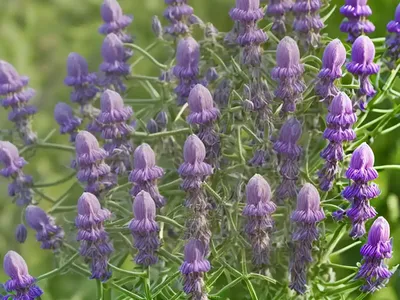
Lima Bean (Phaseolus Lunatus)
Lima bean, scientifically known as Phaseolus lunatus, is a widely cultivated legume valued for its delicious taste, nutritional benefits, and adaptability.
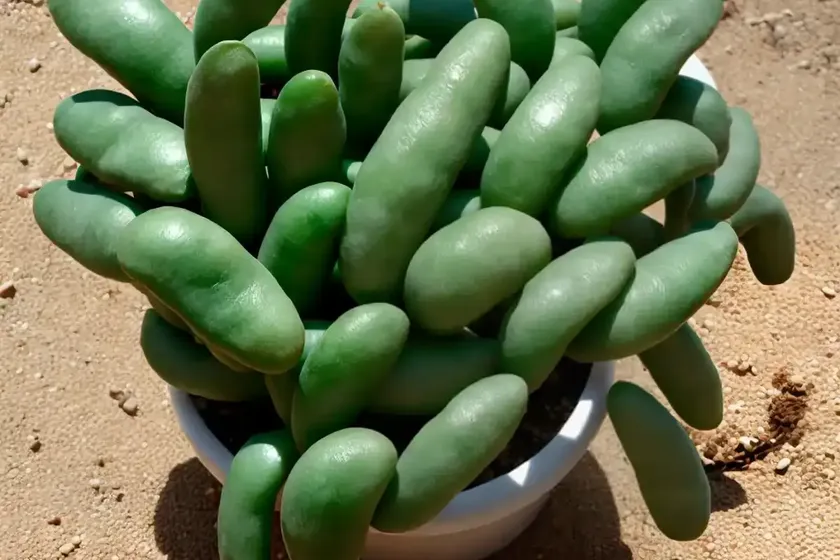
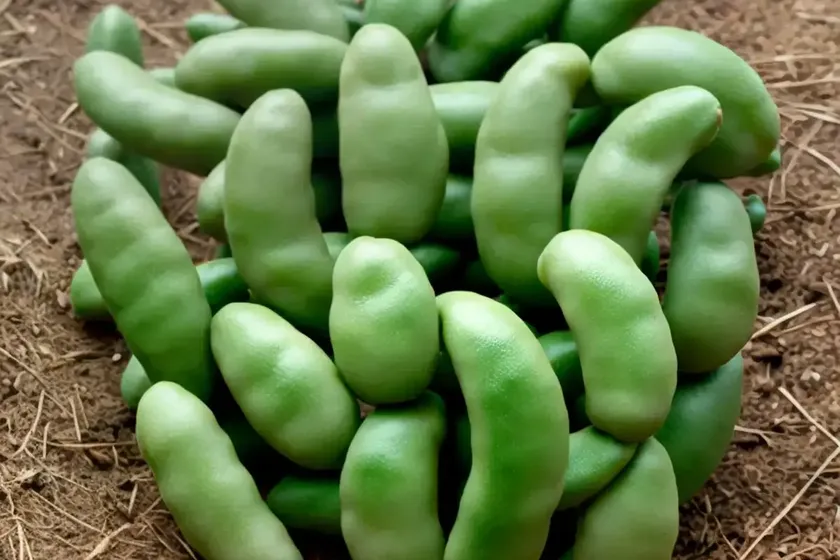
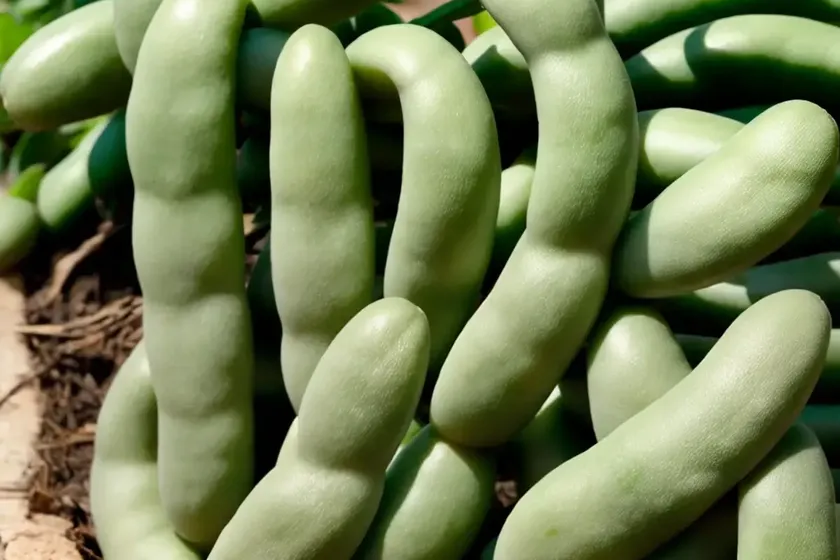
Lima bean, scientifically known as Phaseolus lunatus, is a widely cultivated legume valued for its delicious taste, nutritional benefits, and adaptability to various growing conditions. Whether you are a seasoned farmer, a home gardener, or an enthusiast interested in learning about the intricacies of plant cultivation, this comprehensive guide will provide you with insights into the cultivation, care, and uses of Lima beans. From its cultural significance to best practices for growing in containers, join us as we explore the world of Lima beans.
What is Lima Bean (Phaseolus lunatus)?
Lima bean, belonging to the Fabaceae family, is a species of legume native to Central and South America. It is an annual vine that produces pods containing the edible seeds, which are commonly referred to as Lima beans. This plant species is highly valued for its nutritious seeds and has been cultivated for centuries due to its dietary and economic significance.
Key Takeaways – Lima Bean (Phaseolus lunatus)
Before delving deeper into the specifics of Lima bean cultivation and care, let’s highlight some key takeaways that will be covered in this guide.
- Lima Bean Cultivation: Understanding the process of growing Phaseolus lunatus.
- Planting Lima Beans: Key considerations for planting Lima beans to ensure optimal growth.
- Lima Bean Varieties: Exploring the different varieties of Lima beans and their characteristics.
- Soil Requirements: Detailed insights into the soil conditions necessary for successful Lima bean cultivation.
- Pests and Diseases: Identifying and managing common pests and diseases affecting Lima bean plants.
- Harvesting and Storing: Best practices for harvesting, handling, and storing Lima beans to maintain their quality.
- Gardening Tips: Useful tips for ensuring the healthy growth of Lima beans in both traditional gardens and containers.
- Nutritional Value: Understanding the nutritional composition and health benefits of consuming Lima beans.
Now, Let’s dive into the various aspects of cultivating and caring for Lima beans.
Culture
Uses
Lima beans are a versatile crop with numerous uses:
- Culinary Purposes: The seeds of Lima beans are a popular ingredient in various cuisines, used in soups, stews, salads, and as a standalone side dish.
- Nutritional Benefits: Lima beans are rich in protein, dietary fiber, and essential nutrients, making them a valuable addition to a balanced diet.
- Green Manure: In agricultural practices, Lima beans are sometimes grown to enhance soil fertility as a green manure crop.
- Animal Feed: The by-products of Lima bean cultivation, such as the husks, can be used as nutritious feed for livestock.
Water
Lima beans require consistent moisture throughout their growth stages, especially during flowering and pod development. Adequate water supply is essential for achieving healthy yields, particularly in regions with dry or arid conditions.
Sunlight
Being a sun-loving plant, Lima beans thrive in full sunlight. They require a minimum of 6 to 8 hours of direct sunlight daily for optimal growth and pod development.
Fertilizer
Prior to planting Lima beans, it is advisable to conduct a soil test to determine the nutrient levels and assess the need for fertilization. Generally, a balanced fertilizer high in phosphorus is recommended for promoting healthy root development and robust flowering.
Soil
Lima beans prefer well-draining, fertile soil with a slightly acidic to neutral pH range of 6.0 to 7.0. Soil that is rich in organic matter provides an ideal foundation for healthy plant growth and high yields.
Pruning
Pruning is not typically necessary for Lima beans. However, removing any diseased or damaged foliage can help promote air circulation and reduce the risk of fungal infections.
Propagation
Lima beans can be propagated from seeds. It is important to select high-quality seeds from reputable sources to ensure successful germination and healthy plant establishment.
Container Popularity
Growing Lima beans in containers is gaining popularity among urban gardeners and individuals with limited outdoor space. The adaptability of Lima beans to container gardening makes them an excellent choice for home cultivation.
Container
When choosing a container for Lima beans, opt for a spacious pot with adequate drainage holes to prevent waterlogging. The container should be placed in a location that receives ample sunlight to support the plant’s growth.
Common Diseases
Lima beans are susceptible to various diseases, including:
- Anthracnose: This fungal disease can cause dark, sunken lesions on the pods, leading to reduced yields.
- Angular Leaf Spot: Characterized by water-soaked lesions on the leaves, this bacterial disease can weaken the plant if left unmanaged.
- Rust: Rust infections can manifest as orange powdery pustules on the undersides of the leaves, potentially impacting the plant’s photosynthetic capacity.
Disease Diagnosis
Early detection and diagnosis of plant diseases are crucial for implementing effective control measures. Regular monitoring for symptoms such as leaf spots, discoloration, and wilting can help identify potential issues before they escalate.
Common Pests
Pests that can affect Lima beans include:
- Aphids: These small, sap-sucking insects can cause stunted growth and distortion of the plant’s tissues.
- Spider Mites: Infestations of spider mites can lead to the development of fine webbing on the leaves and a decline in plant vigor.
- Bean Beetles: Adult bean beetles and their larvae can feed on the foliage and pods, potentially causing significant damage to the crop.
Effective pest management strategies, including the use of insecticidal soaps, botanical pesticides, and biological controls, can help mitigate pest-related risks to Lima bean crops.
Botanist’s Tips
To ensure successful cultivation and care of Lima beans, consider the following tips:
- Crop Rotation: Implementing a crop rotation schedule can help reduce the risk of soil-borne diseases and pest build-up.
- Seed Selection: Choose Lima bean seeds from reputable suppliers and prioritize varieties that are well-suited to your local growing conditions.
- Moisture Management: Maintain consistent soil moisture levels, avoiding both water stress and waterlogging, to support healthy growth and pod development.
- Integrated Pest Management (IPM): Adopt an IPM approach by combining cultural, biological, and chemical control methods to effectively manage pests and diseases while minimizing environmental impact.
Fun Facts
Here are some interesting facts about Lima beans:
- Lima beans are named after the capital of Peru, Lima, where the seeds are believed to have been first cultivated.
- The process of double cropping, where Lima beans are grown alongside a cereal crop in the same field within a single growing season, is a common practice in some agricultural regions.
- In addition to their culinary uses, Lima beans have historically been utilized in traditional medicine for their potential health benefits.
Links to External Resources
For further information and resources on Lima bean cultivation, consider exploring the following links:
- USDA Lima Bean Plant Guide
- National Garden Bureau – Lima Bean Growing Guide
- University of California – Lima Beans
- The Ohio State University Extension – Lima Beans
In the next section, we’ll delve into the comprehensive details of the Lima beans, encompassing its cultural significance, habitat, and nutritional value.
Phaseolus lunatus Nutrition
Lima beans are a nutritionally rich food source, providing essential macronutrients, vitamins, and minerals. A 100-gram serving of cooked Lima beans typically contains:
| Nutrient | Amount |
|---|---|
| Calories | 115 |
| Protein | 7.8 grams |
| Dietary Fiber | 5.3 grams |
| Carbohydrates | 20.2 grams |
| Fat | 0.4 grams |
| Iron | 2.2 milligrams |
| Magnesium | 81 milligrams |
| Phosphorus | 139 milligrams |
| Potassium | 508 milligrams |
The nutritional profile of Lima beans underscores their value as a source of plant-based protein, dietary fiber, and essential micronutrients.
Lima Bean Benefits
Consuming Lima beans can offer a range of health benefits, including:
- Aid in Digestive Health: The dietary fiber content of Lima beans can aid in promoting regular bowel movements and supporting digestive health.
- Protein Source: Lima beans are a valuable plant-based protein source, making them an excellent option for individuals following vegetarian or vegan diets.
- Nutrient Dense: With significant amounts of iron, potassium, and magnesium, Lima beans contribute to overall nutrient intake and support various physiological functions.
- Heart Health: The combination of dietary fiber and potassium in Lima beans can contribute to heart health by helping to regulate blood pressure and cholesterol levels.
In the subsequent sections, we will cover detailed insights into Lima bean varieties, their life cycle, and specific habitat requirements.
Lima Bean Varieties
Lima beans are available in several distinct varieties, each with unique characteristics related to pod color, seed size, and growth habit. Common Lima bean varieties include:
- Henderson: A popular variety known for its early maturity, compact growth, and tender, succulent seeds.
- Jackson Wonder: This heirloom variety features large, flavorful beans and vigorous vine growth, making it suitable for trellising.
- King of the Garden: Known for its vigorous growth habit and large, flavorful pods, this variety is well-suited for traditional garden settings.
By selecting appropriate varieties based on local growing conditions and culinary preferences, growers can optimize the success of their Lima bean crops.
Lima Bean Life Cycle
The life cycle of Lima beans encompasses distinct stages of growth, from seed germination to pod maturation and seed development. The key phases include:
- Germination: Once planted in suitable soil, Lima bean seeds germinate and develop into seedlings within 7 to 10 days under optimal conditions.
- Flowering: As the plants mature, they produce clusters of white or pale yellow flowers, signaling the onset of pod development.
- Pod Formation: The flowers give way to the formation of pods, which gradually expand and fill with the characteristic Lima beans.
- Seed Maturation: Over several weeks, the seeds within the pods mature and develop, at which point they are ready for harvest.
Understanding the life cycle of Lima beans is essential for timing planting, managing irrigation, and determining when to expect a bountiful harvest.
In the subsequent sections, we will explore the habitat preferences of Lima beans, propagation methods, and the significance of companion planting.
Phaseolus lunatus Habitat
Lima beans thrive in regions characterized by warm temperatures, ample sunlight, and well-drained soil. Their ideal habitat conditions include:
- Temperature: Lima beans prefer average temperatures ranging from 70°F to 80°F during the growing season, although they can tolerate higher temperatures if provided with adequate moisture.
- Sunlight: Full sunlight is essential for optimizing pod production and seed development in Lima beans, making them well-suited to open, sunny garden and field locations.
Understanding the habitat preferences of Lima beans is critical for selecting suitable growing sites and ensuring successful crop establishment.
Lima Bean Propagation
The propagation of Lima beans primarily occurs through seed sowing, a straightforward process that involves several key steps:
- Seed Selection: Choose high-quality Lima bean seeds suited to your local climate, taking into account factors such as maturity, disease resistance, and growth habit.
- Seed Preparation: Before planting, consider pre-soaking the seeds for several hours to facilitate germination and expedite the emergence of healthy seedlings.
- Planting Depth: Sow the seeds at a depth of approximately 1 to 1.5 inches in well-prepared soil, ensuring adequate coverage for optimal germination.
By following best practices for seed selection and planting, gardeners and farmers can set the stage for successful Lima bean propagation.
Lima Bean Companion Plants
Companion planting plays a crucial role in optimizing the growth and health of Lima beans. Suitable companion plants for Lima beans include:
- Corn: The tall, sturdy stalks of corn can provide support for climbing Lima bean vines while their roots occupy a separate soil layer, minimizing competition.
- Carrots: Carrots and Lima beans are known to complement each other well, with carrots aiding in breaking up the soil for improved root development and water infiltration.
Careful selection of companion plants can contribute to enhanced pest resistance, soil fertility, and overall yield in Lima bean cultivation.
In the subsequent sections, we will address specific considerations for growing Lima beans in containers, their cultural significance, and historical uses.
Lima Bean Season
The optimal planting season for Lima beans varies based on regional climate and temperature conditions. Generally, Lima beans are sown after the last frost date in spring, ensuring that the soil has warmed to support seed germination and early growth. In some warmer regions, a second sowing of Lima beans in late summer can extend the growing season and yield potential.
Lima Bean Gardening Tips
To ensure successful cultivation of Lima beans, consider the following gardening tips:
- Trellising: Providing a trellis or support system for climbing Lima bean varieties can optimize space utilization and promote better air circulation around the plants.
- Weed Management: Regularly removing weeds from the growing area helps reduce competition for nutrients and moisture, supporting healthy Lima bean growth.
- Harvesting Timing: Monitor the pods as they mature and harvest them when they are plump, before the seeds become overripe.
Implementing these tips can contribute to the successful cultivation of Lima beans in traditional garden settings.
Phaseolus lunatus History
The cultivation of Lima beans can be traced back thousands of years, initially within the regions of modern-day Mexico, Central America, and South America. These legumes held significant cultural and dietary importance for indigenous populations, with dried Lima beans serving as a staple food source during harsh winters and periods of scarcity.
Lima Bean Medicinal Uses
In addition to their culinary significance, Lima beans have historically been utilized in traditional medicine for their potential health benefits. They are believed to offer various medicinal properties, including digestive support, heart health benefits, and contributions to overall well-being.
Best Practices for Growing Lima Beans
Effective cultivation of Lima beans hinges on adhering to best practices, such as:
- Soil Preparation: Prior to planting, ensure that the soil is well-drained, rich in organic matter, and free from weeds to provide an optimal growing environment for Lima beans.
- Irrigation Management: Monitor soil moisture levels closely and provide regular, consistent irrigation, particularly during dry spells, to support healthy plant growth and pod development.
By diligently following best practices, growers can maximize the success and sustainability of their Lima bean crops.
In the subsequent sections, we will delve into growing Lima beans in containers, cooking methods, and the cultural significance of this versatile legume.
Growing Lima Beans in Containers
Container gardening offers an accessible and space-efficient approach to growing Lima beans, catering to urban gardeners and individuals with limited outdoor area. When growing Lima beans in containers, consider the following tips:
- Container Size: Select a spacious container to accommodate the extensive root system and climbing habit of Lima beans, ensuring adequate room for growth.
- Support Structures: Utilize stakes or trellises within the container to provide support for climbing Lima bean vines and optimize vertical space.
- Sunlight Exposure: Position the containers in a location that receives ample sunlight to support healthy plant growth and pod development.
The adaptability of Lima beans to container gardening makes them an excellent choice for cultivating fresh, nutritious produce in limited spaces.
In the following sections, we will explore cooking methods for Lima beans, their cultural significance, and medicinal uses.
Lima Bean Cooking Methods
Lima beans are a versatile ingredient in the culinary world, featuring a delicate, buttery flavor and smooth texture that complements a wide range of dishes. Common cooking methods for Lima beans include:
- Boiling: Lima beans can be boiled until tender and then incorporated into soups, stews, or salads.
- Sautéing: Sautéed Lima beans, often paired with aromatic herbs and spices, offer a flavorful addition to vegetable medleys and grain-based dishes.
- Pureeing: Cooked Lima beans can be pureed into smooth spreads or dips, providing a creamy consistency and mild taste profile.
Experimenting with various culinary techniques can reveal the diverse applications and culinary potential of Lima beans.
Phaseolus lunatus Cultural Significance
Lima beans hold cultural significance in various cuisines and culinary traditions worldwide. From their role as a staple ingredient in Latin American dishes to their utilization in Mediterranean and Asian cuisines, Lima beans have left an indelible mark on global culinary heritage.
Lima Bean Folklore and Legends
Across different cultures, Lima beans have been associated with folklore, myths, and traditional practices. In some societies, Lima beans were believed to symbolize fertility, abundance, and prosperity, leading them to be integrated into rituals and celebrations.
Benefits of Consuming Lima Beans
The consumption of Lima beans offers numerous benefits, including:
- Sustainable Nutrition: Lima beans are an environmentally-friendly protein source, supporting sustainable dietary choices and reduced ecological impact.
- Balanced Diet: Incorporating Lima beans into meals contributes to a balanced diet, offering essential nutrients, dietary fiber, and plant-based protein.
- Culinary Versatility: Lima beans can be integrated into diverse culinary creations, providing a delectable and nutritious element to a wide array of dishes.
In the subsequent sections, we’ll explore the anatomy of the Lima bean plant, its seeds, and the nutritional value of the crop.
Lima Bean Plant Anatomy
The anatomy of a Lima bean plant encompasses several key components:
- Root System: The root system of Lima beans develops extensive, fibrous roots that aid in nutrient uptake and soil stability.
- Vine Structure: Lima beans are characterized by climbing or trailing vines, which can reach several feet in length and require support for vertical growth.
- Leaves: The foliage of Lima bean plants consists of trifoliate leaves, with three leaflets per leaf, contributing to their distinctive appearance.
Understanding the anatomy of Lima beans can provide valuable insights into plant development and growth requirements.
Lima Bean Seeds and Germination
Lima bean seeds are essential for plant propagation and are characterized by their large size and oval shape. The germination process of Lima bean seeds involves the initial absorption of water, followed by the emergence of the embryonic root, or radicle, signaling the onset of seedling growth.
Lima Bean Nutritional Value
The nutritional value of Lima beans is notable for their macronutrient and micronutrient content, offering essential elements for health and well-being. In addition to providing protein and dietary fiber, Lima beans contribute valuable amounts of iron, folate, and potassium to the diet.
Lima Bean Diseases and Remedies
Managing diseases affecting Lima beans entails adopting appropriate control measures and preventative strategies. Effective disease management may involve the use of resistant varieties, implementing crop rotation, and deploying natural or botanical remedies to combat plant pathogens.
Harvesting and Storing Lima Beans
Harvesting Lima beans at the optimal stage of maturity ensures the retention of flavor and nutritional quality. The harvested pods should be shelled and the beans stored in a cool, dry location to maintain their integrity and prevent spoilage