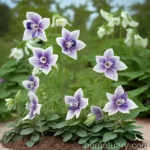
The Beautiful and Versatile Columbine Plant (Aquilegia vulgaris ‘Plena’)
The columbine plant, scientifically known as Aquilegia vulgaris ‘Plena’, is a stunning and versatile perennial that has been cherished by gardeners for centuries. With its vibrant double-flowered blooms, unique foliage, and easy-to-care-for nature, the columbine is a popular choice for both novice and experienced gardeners.
In this comprehensive guide, we will delve into the culture, uses, care, maintenance, and fascinating facts about the columbine plant. By the end of this article, you will have a thorough understanding of how to cultivate and appreciate the beauty of this enchanting plant.
What is the Columbine Plant (Aquilegia vulgaris ‘Plena’)?
The columbine, or Aquilegia vulgaris ‘Plena’, is a member of the Ranunculaceae family and is native to Europe. This cultivar is particularly prized for its unique double-flowered form, which sets it apart from other varieties of columbine. The plant’s scientific name, Aquilegia, is derived from the Latin word “aquila,” which means “eagle” and refers to the spurs on the flower that are said to resemble an eagle’s talons.
Key Takeaways
Before delving into the specifics of caring for this beautiful plant, let’s summarize the key takeaways about the columbine (Aquilegia vulgaris ‘Plena’):
- Common Name: Columbine
- Scientific Name: Aquilegia vulgaris ‘Plena’
- Family: Ranunculaceae
- Type: Perennial
- Notable Feature: Double-flowered blooms
- Uses: Ornamental, medicinal
- Growth Habits: Clump-forming, upright
- Hardiness Zones: 3-9
- Height: 24-36 inches
- Spread: 12-18 inches
Now, let’s explore the culture, uses, and essential care tips for this captivating plant.
Culture
Understanding the cultural needs of the columbine plant is essential to ensure its optimal growth and health. From water and sunlight requirements to soil preferences, a well-rounded understanding of the plant’s culture is the first step towards successful cultivation.
Water
Columbines generally prefer consistently moist soil but can tolerate short periods of drought once established. During the active growing season, it is crucial to keep the soil evenly moist, especially during hot and dry periods. However, it’s equally important to avoid waterlogging, as excessive moisture can lead to root rot.
Sunlight
In terms of sunlight requirements, columbines thrive in partial shade to full sun. In regions with hot summers, providing the plant with some protection from the intense midday sun can be beneficial. On the other hand, in cooler climates, they can tolerate more sun exposure.
Soil
Columbines prefer well-draining, fertile soil with a slightly acidic to neutral pH. Amending the soil with organic matter such as compost or well-rotted manure can improve its texture and nutrient content. A soil pH in the range of 6.0 to 7.0 is ideal for promoting healthy growth and vibrant blooms.
Uses
The columbine plant has a rich history of both ornamental and medicinal uses. Its delicate, bell-shaped blooms and attractive foliage make it a popular choice for garden borders, rock gardens, and woodland settings. Additionally, the plant’s nectar-rich flowers are highly attractive to pollinators, making it a valuable addition to wildlife gardens.
Ornamental Uses
Columbines are prized for their showy, nodding flowers which bloom in a range of colors including shades of blue, purple, pink, white, and yellow. Their unique, spurred blooms add an element of whimsy and charm to any garden setting, making them a favorite among gardeners looking to create a cottage garden aesthetic.
Medicinal Uses
In traditional herbal medicine, various parts of the columbine plant were used to address a range of ailments. While the plant contains toxic compounds and should be handled with caution, it has been historically used to treat skin conditions, fevers, and digestive issues. However, it’s important to note that the plant’s medicinal uses should be approached with caution and under the guidance of a knowledgeable herbalist or healthcare professional.
Fertilizer
When it comes to fertilizing columbines, a balanced, all-purpose fertilizer can be applied in early spring as new growth emerges. A slow-release fertilizer can provide a steady supply of nutrients over the growing season, promoting lush foliage and abundant blooms. It’s important to follow the manufacturer’s guidelines for application rates and to water the plants thoroughly after fertilizing.
Pruning
Pruning columbines is relatively straightforward and primarily involves deadheading spent flowers to encourage continuous blooming. Additionally, removing any yellowing or damaged foliage can keep the plants looking tidy and can help prevent the spread of diseases. However, it’s essential to avoid excessive pruning, as columbines have a somewhat delicate root system that can be sensitive to disturbance.
Propagation
Columbines can be propagated from both seeds and division. Collecting seeds from mature plants can yield a diverse array of columbine seedlings, while division can be used to propagate existing plants and rejuvenate crowded or overgrown clumps. Here’s a basic guide to propagating columbines using both methods:
Seed Propagation
- Collect ripe columbine seeds in late summer or early fall.
- Sow the seeds in pots or trays filled with a well-draining seed-starting mix.
- Keep the soil consistently moist and place the containers in a bright, sheltered location.
- Seedlings should emerge within a few weeks, at which point they can be transplanted into individual pots or directly into the garden.
Division
- In early spring, carefully dig up established columbine plants, taking care to preserve the root system.
- Gently tease the clumps apart, ensuring that each division has a healthy portion of roots and foliage.
- Replant the divisions in prepared soil, water them thoroughly, and provide appropriate care as they become established.
Container Popularity
Columbines can be successfully grown in containers, making them an attractive choice for gardeners with limited space or those seeking to introduce unique and colorful blooms to their patio or balcony. When grown in containers, columbines benefit from well-draining potting mix and regular watering to maintain soil moisture.
Container Common Diseases
While columbines are relatively low-maintenance plants, they can be susceptible to certain diseases, especially when grown in containers. Common diseases that may affect columbines in containers include:
- Powdery Mildew: This fungal disease can appear as a white, powdery residue on the leaves, eventually leading to yellowing and distortion.
- Leaf Spot: Leaf spot diseases can manifest as dark, water-soaked spots on the foliage, potentially leading to premature leaf drop.
- Botrytis Blight: Also known as gray mold, botrytis blight can cause grayish fungal growth on the leaves and flowers, particularly in moist conditions.
Disease Diagnosis
Diagnosing and addressing diseases in container-grown columbines requires careful observation and proactive measures. When identifying and addressing potential diseases, consider the following steps:
- Regular Monitoring: Keep a close eye on the plants for any signs of foliage discoloration, distortion, or unusual growth.
- Correct Watering: Avoid overwatering and ensure that the plants have adequate airflow to prevent fungal diseases.
- Pruning: Remove any affected foliage and ensure that the plants have sufficient space between them to reduce the risk of disease spread.
- Fungicidal Sprays: If necessary, apply an appropriate fungicide to address specific diseases, following the manufacturer’s instructions carefully.
Common Pests
In addition to diseases, columbines grown in containers may be susceptible to various pests, including:
- Aphids: These small, soft-bodied insects can cluster on new growth, causing stunted growth and leaf distortion.
- Spider Mites: These tiny pests can cause stippling on the foliage and webbing on the undersides of leaves.
- Slugs and Snails: These mollusks can feed on the foliage and flowers, leaving behind slime trails and ragged holes in the leaves.
Botanist’s Tips
To maintain the health and vitality of container-grown columbines, consider the following botanist’s tips:
- Optimal Drainage: Ensure that the container has adequate drainage holes to prevent waterlogging, which can lead to root rot and fungal diseases.
- Regular Inspection: Regularly check the plants for signs of pests and diseases, addressing any issues promptly to prevent them from spreading.
- Companion Planting: Introducing pest-repelling plants as companions to columbines in containers can help reduce pest pressure and promote a balanced, thriving ecosystem.
Fun Facts
Before we conclude our in-depth exploration of the columbine plant, let’s highlight a few intriguing and fun facts about this captivating perennial:
- Symbolic Significance: The columbine flower has been associated with various symbolic meanings, including love, fidelity, and transformation.
- Native Habitats: Wild columbines can be found in a range of habitats, from woodland clearings to mountainous meadows, adding to the plant’s mystique and adaptability.
- Hybrid Diversity: Columbines are known for their hybridization tendencies, leading to a wide array of cultivars with diverse colors, shapes, and growing habits.
Links to External Resources
For further exploration of columbine (Aquilegia vulgaris ‘Plena’) care, maintenance, and historical significance, consider visiting the following external resources:
- Royal Horticultural Society – Growing Columbines
- Missouri Botanical Garden – Aquilegia vulgaris ‘Plena’
- The Spruce – How to Grow and Care for Columbines
With its rich history, captivating blooms, and adaptable nature, the columbine plant (Aquilegia vulgaris ‘Plena’) continues to enchant and inspire gardeners around the world.
By: [Your Name]
Date: [Current Date]