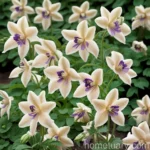
Understanding the columbine (Aquilegia (Songbird Series) ‘Cardinal’)
Plants are an integral part of our environment, and they come in countless shapes, sizes, and colors. Each plant has its own unique characteristics and requirements for growth. Among these diverse plant species, the columbine (Aquilegia (Songbird Series) ‘Cardinal’) stands out for its striking beauty and unique attributes. In this blog post, we will delve into the world of columbine (Aquilegia (Songbird Series) ‘Cardinal’), exploring its characteristics, cultivation, care tips, and much more.
What is columbine (Aquilegia (Songbird Series) ‘Cardinal’)?
The columbine, scientifically known as Aquilegia, is a genus of perennial plants that belong to the Ranunculaceae family. The Songbird Series, specifically the ‘Cardinal’ variety, is renowned for its vibrant, cardinal red flowers that add a touch of elegance to gardens and landscapes. This variety is celebrated for its distinct features and is a popular choice among gardening enthusiasts.
Columbine ‘Cardinal’ Characteristics
The columbine (Aquilegia (Songbird Series) ‘Cardinal’) is distinguished by the following characteristics:
– Striking cardinal red flowers
– Delicate, spurred petals
– Compact growth habit
– Attractive to pollinators, such as bees and hummingbirds
– Long flowering period, typically from late spring to early summer
– Tolerant of partial shade
Key Takeaways – columbine (Aquilegia (Songbird Series) ‘Cardinal’)
Before delving further into the specifics of the columbine (Aquilegia (Songbird Series) ‘Cardinal’), let’s summarize the key takeaways of this captivating plant variety:
- The columbine (Aquilegia (Songbird Series) ‘Cardinal’) is distinguished by its vibrant cardinal red flowers and compact growth habit.
- This variety is well-suited for attracting pollinators and has a relatively long flowering period.
- It can thrive in partial shade, making it a versatile addition to gardens and landscapes.
Now, let’s explore the cultivation, care, and maintenance of this enchanting plant in detail.
Culture
Uses
The columbine (Aquilegia (Songbird Series) ‘Cardinal’) serves various purposes in garden settings, including:
– Ornamental use in flower beds and borders
– Attracting and nourishing pollinators such as bees and hummingbirds
– Adding vibrant color to spring and early summer gardens
Water
When it comes to watering, the columbine (Aquilegia (Songbird Series) ‘Cardinal’) prefers moderate moisture levels. It is important to provide consistent watering, especially during dry spells, while also ensuring proper drainage to prevent waterlogged conditions.
Sunlight
This variety thrives in partial shade, making it an excellent choice for areas with dappled sunlight or filtered shade. While it can tolerate some sun, especially in cooler climates, partial shade is ideal for promoting healthy growth and prolific flowering.
Fertilizer
For optimal growth and flowering, the columbine (Aquilegia (Songbird Series) ‘Cardinal’) benefits from a balanced, all-purpose fertilizer applied in early spring. Slow-release fertilizers are recommended to provide sustained nutrition throughout the growing season.
Soil
Well-draining, fertile soil is essential for the columbine (Aquilegia (Songbird Series) ‘Cardinal’). A loamy soil with good organic content is ideal for promoting healthy root development and robust growth. Additionally, slightly acidic to neutral soil pH is preferred.
Pruning
Pruning can help maintain the compact form of the columbine (Aquilegia (Songbird Series) ‘Cardinal’) and remove spent flowers to encourage continuous blooming. It is advisable to deadhead the flowers once they fade and trim back any damaged or overgrown foliage.
Propagation
The propagation of columbine (Aquilegia (Songbird Series) ‘Cardinal’) can be achieved through several methods, including:
– Division: Dividing mature clumps in early spring or fall
– Seeds: Collecting and sowing seeds in suitable growing conditions
– Stem cuttings: Propagating new plants from stem cuttings in the growing season
Container Popularity
Columbine (Aquilegia (Songbird Series) ‘Cardinal’) is well-suited for container gardening, offering a vibrant and compact option for patios, balconies, and small outdoor spaces. Its striking flowers and versatile growth habit make it an attractive choice for container plantings.
Common Diseases
While the columbine (Aquilegia (Songbird Series) ‘Cardinal’) is generally resilient, it can be susceptible to certain diseases, including:
– Powdery mildew: A fungal infection that appears as white, powdery patches on the leaves
– Leaf spot: Characterized by brown or black spots on the foliage
– Botrytis: Causes gray mold on flowers and leaves, often in damp conditions
Disease Diagnosis
Early detection and diagnosis of diseases are crucial for effectively managing and treating them. Regular inspection of the plant for unusual markings, discoloration, or fungal growth can help identify potential issues. Proper air circulation and avoiding overhead watering can also aid in disease prevention.
Common Pests
While relatively resistant to pests, the columbine (Aquilegia (Songbird Series) ‘Cardinal’) may encounter the following potential pests:
– Aphids: Small, sap-sucking insects that can distort new growth and excrete sticky honeydew
– Spider mites: Tiny arachnids that can cause stippling and webbing on the leaves
– Sawfly larvae: Feed on the foliage, leading to skeletonized leaves
Vigilant monitoring and prompt intervention, such as using insecticidal soap or horticultural oils, can help manage pest issues without causing harm to beneficial insects.
Botanist’s Tips
For optimal success with columbine (Aquilegia (Songbird Series) ‘Cardinal’), consider the following botanist’s tips:
– Provide well-draining soil to prevent waterlogged conditions
– Deadhead spent flowers to promote continuous blooming
– Monitor for signs of pests and diseases, taking proactive measures as needed
Fun Facts
- The name “columbine” is derived from the Latin word “columba,” meaning dove, which references the resemblance of the flower’s petals to a flock of doves.
- Columbine flowers are often associated with folklore and symbolize love, affection, and gratitude in various cultures.
- Some species of columbine are visited by hawkmoths, which are the primary pollinators due to their long proboscis, allowing them to access the nectar within the spurs of the flowers.
Now that we have explored the fascinating world of columbine (Aquilegia (Songbird Series) ‘Cardinal’), let’s delve into additional resources where you can find more information and insights about this captivating plant variety.
Links to External Resources
To further expand your knowledge and enhance your experience with columbine (Aquilegia (Songbird Series) ‘Cardinal’), consider exploring the following resources:
1. The Royal Horticultural Society – Growing Columbines
2. University of Illinois Extension – Perennials: Columbine
3. The Old Farmer’s Almanac – Columbine
4. Missouri Botanical Garden – Aquilegia
5. American Meadows – Growing Columbine Flowers
By engaging with these valuable resources, you can expand your gardening expertise and gain valuable insights into the cultivation, care, and appreciation of the columbine (Aquilegia (Songbird Series) ‘Cardinal’).
In conclusion, the columbine (Aquilegia (Songbird Series) ‘Cardinal’) is a captivating and versatile plant variety that contributes a touch of elegance and color to diverse garden settings. By understanding its unique characteristics, cultivation requirements, and care tips, you can cultivate a thriving and vibrant display of these enchanting flowers. Whether you’re a seasoned gardener or a budding enthusiast, the columbine (Aquilegia (Songbird Series) ‘Cardinal’) offers a delightful opportunity to enhance your outdoor spaces and connect with the beauty of nature.
Remember to explore the external resources provided to deepen your appreciation for this remarkable plant, and consider incorporating the columbine (Aquilegia (Songbird Series) ‘Cardinal’) into your own garden for a stunning display of cardinal red blooms and a sense of natural grace.