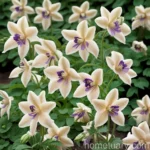
All About Columbine (Aquilegia (McKana Group))
Columbine, scientifically known as Aquilegia, is a stunning flowering plant that belongs to the Ranunculaceae family. Among the various cultivars of Aquilegia, the McKana Group is a popular choice among gardeners and plant enthusiasts. In this comprehensive guide, we will delve into the various aspects of the columbine plant, focusing on its cultivation, care tips, uses, and much more.
What is columbine (Aquilegia (McKana Group))?
The columbine, a.k.a. Aquilegia (McKana Group), is a perennial plant known for its distinct, bell-shaped flowers that come in a wide array of colors, making it a delightful addition to gardens and landscapes. The McKana Group comprises a diverse range of cultivars, each displaying unique characteristics and beauty.
Key Takeaways – columbine (Aquilegia (McKana Group))
Before delving into the specifics, here are some key takeaways about the columbine plant from the McKana Group:
- Stunning bell-shaped flowers
- Varied colors and combinations
- Perennial plant
- Adaptable to different growing conditions
- Attracts pollinators
- Suitable for containers and garden borders
Now let’s explore the various aspects of cultivating and caring for this fascinating plant.
Culture
Columbine from the McKana Group is relatively easy to grow, making it an excellent choice for both experienced gardeners and beginners. It thrives in cool to moderate climates and can be cultivated in various settings, from garden beds to containers.
Uses
The versatile nature of columbine makes it suitable for several landscaping and gardening purposes, such as:
- Garden borders
- Container gardening
- Wildlife gardens
- Cut flower arrangements
- Edging plants
- Ground cover
The beautiful flowers of the columbine plant also make it an ideal choice for attracting pollinators, such as bees and hummingbirds.
Water
When it comes to watering columbine plants from the McKana Group, it’s essential to strike a balance. Overwatering can lead to root rot, while underwatering may cause the plant to wilt. Aim to keep the soil consistently moist but not waterlogged, especially during the growing season and dry spells.
Sunlight
Columbine plants thrive in partial shade to full sun, making them adaptable to various light conditions. In hot climates, providing some shade during the hottest part of the day can help prevent the plants from wilting or becoming stressed.
Fertilizer
While columbine is not particularly heavy feeder, applying a balanced fertilizer in early spring can promote healthy growth and abundant flowering. Choose a fertilizer with a balanced NPK ratio, and follow the application guidelines to avoid over-fertilization.
Soil
Well-draining, loamy soil is ideal for columbine plants. Amending the soil with organic matter, such as compost or well-rotted manure, can improve its texture and fertility. Ensure that the soil pH is slightly acidic to neutral for optimal growth.
Pruning
Pruning columbine plants is relatively minimal. Removing spent flowers and any damaged or diseased foliage can promote continuous blooming and overall plant health. Additionally, cutting back the plants after flowering can stimulate a second flush of blooms in some cultivars.
Propagation
Columbine plants can be propagated through several methods, including:
- Seed sowing
- Division
- Root cuttings
- Stem cuttings
Each propagation method has its advantages and is relatively straightforward, allowing gardeners to expand their columbine collection or share plants with fellow enthusiasts.
Container Popularity
Columbine’s compact growth habit and striking flowers make it a popular choice for container gardening. Whether grown individually in a decorative pot or combined with other shade-tolerant plants, columbine adds a touch of elegance to any container garden.
Common Diseases
While columbine plants are relatively resilient, they can be susceptible to certain diseases, including:
- Powdery mildew
- Leaf spot
- Rust
Proper garden hygiene, adequate spacing between plants, and providing good air circulation can help prevent these diseases. In some cases, applying fungicides labeled for ornamental plants can offer additional protection.
Disease Diagnosis
Identifying specific diseases affecting columbine plants involves observing the symptoms, such as discolored or spotted foliage, powdery growth on leaves, or rust-colored patches. Consult with a local extension office or a plant disease specialist for accurate diagnosis and targeted treatment recommendations.
Common Pests
Columbine plants may encounter pests such as:
- Aphids
- Caterpillars
- Spider mites
- Sawfly larvae
Regular monitoring of plants for early pest detection, promoting natural predators, and using insecticidal soaps or horticultural oils when necessary can help manage pest infestations effectively.
Botanist’s Tips
For optimal success with cultivating and caring for columbine from the McKana Group, consider the following tips:
- Provide well-draining soil
- Avoid overwatering
- Monitor for signs of pests and diseases
- Deadhead spent flowers for continuous blooming
- Support taller varieties with stakes, if needed
- Consider companion plants to complement columbine’s beauty and enhance the garden landscape
Fun Facts
Columbine from the McKana Group has several fascinating attributes and historical significance, including:
- Symbolism: In floriography, the language of flowers, columbine symbolizes various sentiments such as gratitude and foolishness.
- Medicinal Use: In traditional medicine, certain parts of the columbine plant were used to treat various ailments, though it’s important to note that some parts are toxic if ingested.
Links to External Resources
For more information about columbine (Aquilegia (McKana Group)) and related topics, explore the following resources:
- Royal Horticultural Society – Columbine Care Tips
- University of Maryland Extension – Growing Columbine in the Garden
- Missouri Botanical Garden – Plant Finder: Aquilegia (McKana Group)
- American Society for the Prevention of Cruelty to Plants – Columbine Cultivation Guide
Conclusion
Columbine (Aquilegia) from the McKana Group captivates with its charming flowers, adaptability, and rich cultural history. Whether you’re a seasoned gardener or a novice plant enthusiast, cultivating these delightful perennials can bring joy and beauty to your outdoor spaces. By understanding the plant’s requirements and following best practices for care and maintenance, you can enjoy the allure of columbine in your gardens, containers, and landscapes. Remember, the diverse range of columbine cultivars offers a treasure trove of colors, sizes, and forms, allowing you to explore and appreciate the captivating world of Aquilegia. Happy gardening!