Coccyganthe (Lychnis Flos-cuculi)
Coccyganthe, scientifically known as Lychnis flos-cuculi, is a delicate and charming flowering plant that captivates the hearts of many gardeners. With its.
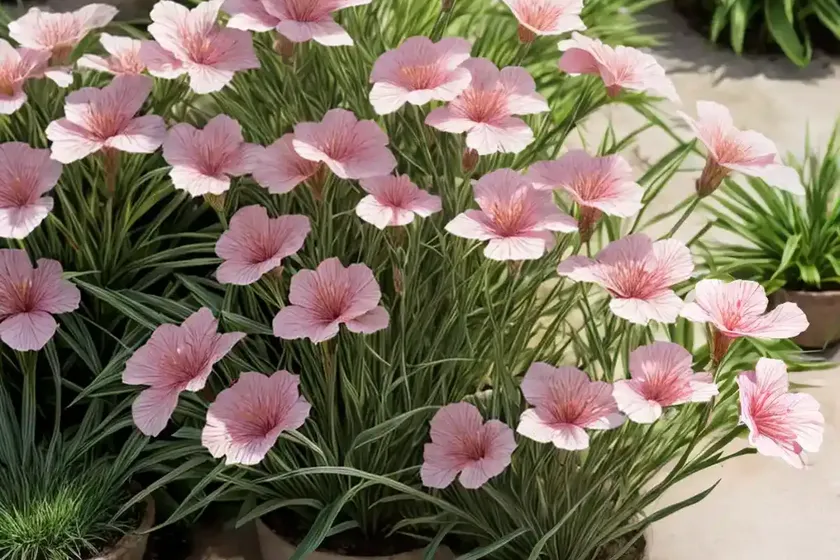
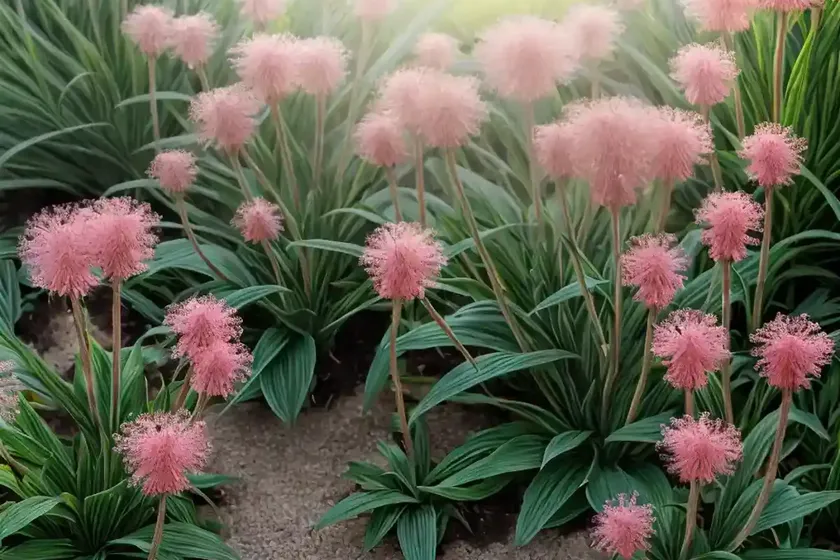
Coccyganthe, scientifically known as Lychnis flos-cuculi, is a delicate and charming flowering plant that captivates the hearts of many gardeners. With its captivating bloom, this perennial herbaceous plant has been cherished for centuries and continues to attract plant enthusiasts due to its versatility and visual appeal. In this comprehensive guide, we will explore the cultivation, characteristics, and care of Coccyganthe, ensuring that you are equipped with the knowledge to cultivate and nurture this beautiful plant in your own garden.
What is Coccyganthe (Lychnis flos-cuculi)?
Coccyganthe, or Lychnis flos-cuculi, is an herbaceous perennial plant that belongs to the family Caryophyllaceae. It is native to Europe and Western Asia, often found in damp meadows, marshes, and along riverbanks. This beautiful plant is often referred to by various common names, including Ragged Robin, Meadow Campion, Cuckoo Flower, and Lus‐bell. The name “Ragged Robin” is derived from its deeply cut and ragged-looking petals.
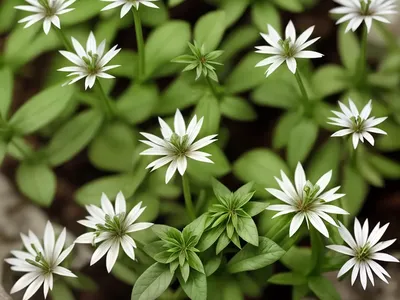
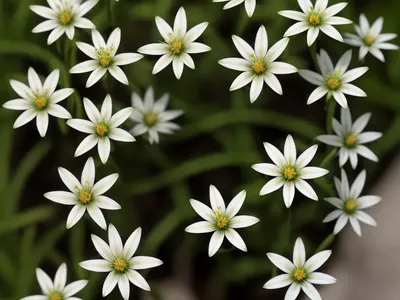
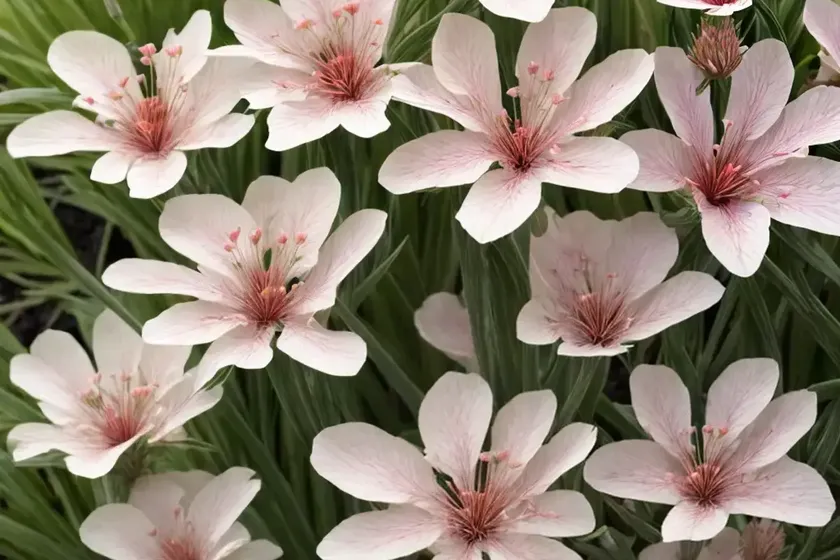
Coccyganthe is characterized by its delicate, deeply lobed, and narrow leaves, which are arranged opposite each other on the stems. The flowers of Coccyganthe are particularly striking, with their deep pink to pale lilac petals and a deeply fringed appearance, adding a whimsical touch to any garden landscape. This plant typically blooms in late spring to early summer, and its flowers are known for being attractive to pollinators such as bees and butterflies.
Key Takeaways – Coccyganthe (Lychnis flos-cuculi)
Here are the key takeaways about Coccyganthe (Lychnis flos-cuculi) before we delve deeper into its cultivation, care, and characteristics:
- Common Name: Coccyganthe, Ragged Robin, Meadow Campion, Cuckoo Flower, Lus‐bell
- Scientific Name: Lychnis flos-cuculi
- Plant Type: Herbaceous perennial
- Flower Color: Deep pink to pale lilac
- Bloom Time: Late spring to early summer
- Sunlight: Full sun to partial shade
- Soil Type: Moist, well-draining
- Height: 18-24 inches
- Watering: Regular, adequate moisture
- Uses: Ornamental, pollinator-friendly plant
- Special Features: Attracts butterflies and bees, ideal for wildflower gardens and naturalistic landscapes
Now, let’s explore the various aspects of Coccyganthe, including its cultural preferences, uses, care requirements, propagation methods, and interesting facts.
Culture
Understanding the cultural preferences of Coccyganthe is essential for successful cultivation. As with any plant, providing the right growing conditions is imperative for its health and vigor. Let’s delve into the cultural requirements of Coccyganthe to ensure that you can create an ideal environment for its growth.
Water
Coccyganthe thrives in moist soil conditions, making it well-suited for locations with consistent moisture, such as damp meadows, marshes, and along water bodies. When cultivating Coccyganthe in a garden setting, it is crucial to ensure adequate watering to mimic its natural habitat. Regular watering, particularly during dry spells, is essential to maintain the moisture levels in the soil.
- Watering Guidelines:
- Water regularly, particularly during dry spells.
- Provide consistent moisture to mimic natural habitat.
- Avoid waterlogging as it can lead to root rot.
Sunlight
In terms of sunlight requirements, Coccyganthe prefers full sun to partial shade. While it can tolerate partial shade, providing ample sunlight is crucial for promoting abundant flowering and overall plant health. When selecting a planting location for Coccyganthe, opt for an area that receives at least 6-8 hours of direct sunlight each day.
- Sunlight Preferences:
- Full sun to partial shade is ideal.
- Ensure at least 6-8 hours of direct sunlight daily.
- Partial shade can be tolerated, but may impact flowering.
Soil
The soil preferences of Coccyganthe align with its natural habitat, favoring moist, well-draining soil. The plant thrives in rich, humus-laden soil that retains moisture without becoming waterlogged. When cultivating Coccyganthe, amending the soil with organic matter such as compost can further improve its growing conditions and promote vigorous growth.
- Soil Guidelines:
- Use moist, well-draining soil.
- Incorporate organic matter to improve soil structure.
- Avoid waterlogged or compacted soil.
Fertilizer
Coccyganthe generally does not have high fertilizer requirements, especially if the soil is rich and well-nourished. However, applying a balanced and diluted fertilizer during the growing season can provide an additional boost to the plant’s growth and flowering. Opt for a general-purpose liquid fertilizer and apply it according to the manufacturer’s instructions.
- Fertilization Tips:
- Apply a balanced and diluted fertilizer during the growing season.
- Avoid excessive use of high-nitrogen fertilizers.
- Follow the manufacturer’s instructions for application.
Pruning
Pruning plays a crucial role in maintaining the appearance and vigor of Coccyganthe. While the plant does not require extensive pruning, certain maintenance practices can help promote better flowering and overall plant health. Here are some essential pruning tips for Coccyganthe:
- Deadheading: Remove spent flowers to encourage continuous blooming.
- Cutting Back: After the flowering season, consider cutting back the plant to promote new growth and maintain its shape.
- Thinning: If the plant becomes overly dense, thin out crowded stems to improve air circulation and reduce the risk of disease.
Propagation
Propagating Coccyganthe allows you to expand your plant collection and share this charming species with fellow gardening enthusiasts. The two primary methods of propagation for Coccyganthe are through seeds and division.
Propagation by Seeds
Coccyganthe can be propagated from seeds, which are typically produced after the flowering season. To collect seeds for propagation, allow the spent flowers to mature and form seed pods. Once the seed pods have dried, carefully collect the seeds and store them in a cool, dry place until the following spring.
When sowing Coccyganthe seeds, follow these guidelines for successful germination:
- Seed Treatment: Stratify the seeds by cold-treating them for 2-4 weeks before sowing to break dormancy.
- Sowing Depth: Sow the seeds at a shallow depth in a seed-starting mix or well-prepared garden soil.
- Germination Time: Germination generally occurs within 2-4 weeks, depending on the conditions.
Propagation by Division
Division is another effective method for propagating Coccyganthe, particularly for established plants. This method involves separating the plant’s rhizomes or clumps into individual sections, each with a portion of the roots and foliage.
When dividing Coccyganthe, follow these steps for successful propagation:
- Timing: Early spring or late summer/early fall is the ideal time for division.
- Preparation: Gently lift the plant and remove excess soil to expose the rhizomes or clumps.
- Division: Using a sharp and clean tool, carefully separate the rhizomes or clumps into sections, ensuring that each division has a healthy portion of roots and foliage.
- Replanting: Immediately replant the divisions in prepared soil and water thoroughly to promote establishment.
Container Popularity
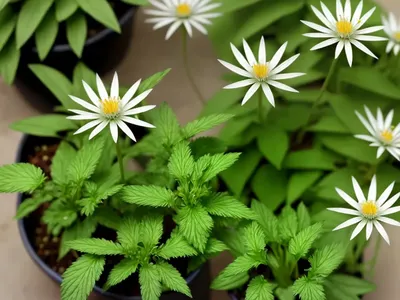
Coccyganthe’s charming appearance and adaptability make it a popular choice for container gardening. Whether grown on a balcony, patio, or terrace, Coccyganthe adds a touch of elegance to container displays. Additionally, its ability to attract pollinators makes it a valuable addition to urban and suburban landscapes.
- Container Gardening Tips:
- Choose a suitably sized container with drainage holes to ensure proper drainage.
- Use a well-draining potting mix enriched with organic matter.
- Place the container in a location that receives adequate sunlight.
- Water regularly and monitor moisture levels to prevent soil from drying out.
Common Diseases
While Coccyganthe is relatively resistant to diseases, certain environmental conditions and factors can predispose the plant to specific ailments. Understanding and identifying common diseases that may affect Coccyganthe is crucial for early intervention and effective management.
Disease Diagnosis
As a plant scientist, it is important to be able to identify and diagnose potential diseases that may affect Coccyganthe. Here are some common diseases that can impact the health of Coccyganthe:
- Powdery Mildew: Characterized by a white powdery growth on the leaves, powdery mildew can affect Coccyganthe, particularly in humid conditions.
- Leaf Spot: Irregularly shaped spots on the plant’s foliage may indicate a fungal leaf spot disease, which can impact the overall health and appearance of Coccyganthe.
- Root Rot: Excessive moisture or poorly draining soil can lead to root rot, causing wilting, yellowing, and eventual collapse of the plant.
Understanding the symptoms and signs of these diseases is essential for implementing appropriate management strategies to protect Coccyganthe from potential damage.
Disease Prevention and Management
Preventive measures and early intervention are key components of disease management for Coccyganthe. Here are some strategies to prevent and manage common diseases:
- Cultural Practices: Ensure proper spacing and adequate air circulation to reduce the risk of fungal diseases. Avoid overhead watering to minimize humidity around the plant.
- Sanitation: Remove and dispose of affected plant debris to prevent the spread of diseases. Clean and sterilize gardening tools to prevent transmission of pathogens.
- Fungicidal Treatments: Use fungicidal sprays or treatments to control and manage fungal diseases, following the manufacturer’s recommendations and guidelines.
Implementing these preventive measures and management strategies can help safeguard Coccyganthe from common diseases and ensure its continued health and vitality.
Common Pests
While Coccyganthe is relatively resistant to pests, it may occasionally encounter certain insect pests that can affect its growth and overall well-being. Identifying and addressing these pests promptly is important to minimize potential damage and preserve the beauty of Coccyganthe.
Pest Identification
As a plant scientist, it is crucial to be able to identify common pests that may impact Coccyganthe. Here are some pests to watch out for:
- Aphids: These small, soft-bodied insects can cluster on the tender shoots and buds of Coccyganthe, causing damage through feeding and honeydew secretion.
- Leafhoppers: These nimble insects can feed on the sap of Coccyganthe, leading to stippling and yellowing of the leaves.
- Slugs and Snails: These mollusks can feed on the foliage and tender parts of Coccyganthe, causing irregular holes and damage to the plant.
Pest Control
Implementing effective pest control measures is essential for protecting Coccyganthe from potential infestations. Here are strategies for pest control and management:
- Natural Predators: Encourage natural predators such as ladybugs and lacewings to control aphid populations.
- Barriers: Use physical barriers such as copper tape to deter slugs and snails from reaching Coccyganthe.
- Organic Treatments: Apply organic insecticidal soaps or neem oil to control aphids and other soft-bodied pests.
By being vigilant and proactive in pest control, you can maintain the health and vitality of Coccyganthe while minimizing the impact of common pests.
Botanist’s Tips
As a botanist specializing in plant sciences, here are some additional tips and insights for successfully cultivating and caring for Coccyganthe:
- Companion Planting: Pair Coccyganthe with other pollinator-friendly plants such as lavender, bee balm, and coneflowers to create a vibrant and ecologically beneficial garden.
- Wildlife Habitat: Embrace the role of Coccyganthe as a wildlife-friendly plant, attracting pollinators and contributing to the biodiversity of your garden or landscape.
- Ethnobotanical Significance: Explore the historical and cultural significance of Coccyganthe, including its traditional uses and folklore, enriching your understanding of this captivating plant.
By incorporating these botanist’s tips into your approach to Coccyganthe cultivation, you can enhance the overall growing experience and appreciation for this remarkable plant.
Fun Facts
Uncover some fascinating and lesser-known facts about Coccyganthe that add to its allure and appeal:
- Etymological Origin: The genus name “Lychnis” is derived from the Greek word “lychnos,” meaning lamp, which may reference the visually striking flowers.
- Ecological Contribution: Coccyganthe serves as an important nectar source for butterflies and bees, supporting local pollinator populations.
- Cultural Symbolism: In folklore and traditional beliefs, Coccyganthe has been associated with themes of love, beauty, and the arrival of spring, adding a touch of enchantment to its reputation.
By delving into these fun facts, you can gain a deeper appreciation for the botanical and cultural significance of Coccyganthe.
Links to External Resources
Continue your journey of exploration and learning by accessing additional resources and information about Coccyganthe from reputable sources:
- Royal Horticultural Society: Growing Lychnis flos-cuculi
- Missouri Botanical Garden: Lychnis flos-cuculi
- University of Maryland Extension: Growing Perennials
These external resources provide valuable insights, cultivation guidelines, and botanical information to further enrich your understanding of Coccyganthe.
In conclusion, Coccyganthe (Lychnis flos-cuculi) stands out as a delightful and versatile perennial plant with its charming flowers, ecological significance, and cultural allure. By embracing its cultural uses, tending to its specific cultural requirements, and incorporating botanist’s tips, you can cultivate Coccyganthe with confidence and appreciation for its unique qualities. Let the captivating blooms of Coccyganthe grace your garden, bringing joy to both you and the pollinators it attracts.
As you embark on your Coccyganthe cultivation journey, remember to share your experiences and discoveries with fellow plant enthusiasts, fostering a community of admiration for this enchanting flowering plant. Through collective appreciation and understanding, we can continue to celebrate and safeguard the beauty of Coccyganthe for generations to come.