Brahea Armata (Mexican Blue Palm): A Complete Guide to Cultivation and Care
What is Brahea Armata?
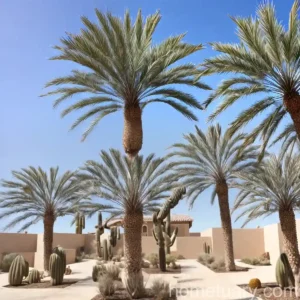
Brahea armata, commonly known as the Mexican Blue Palm or Blue Hesper Palm, is a stunning and distinctive palm species native to the Baja California region of Mexico. Its striking blue-gray foliage and sculptural form make it a popular choice for ornamental landscaping in arid and Mediterranean climates. This plant belongs to the family Arecaceae and is renowned for its impressive ornamental value and adaptability to various growing conditions.
Key Takeaways – Brahea Armata (Mexican Blue Palm)
- Scientific Name: Brahea armata
- Common Names: Mexican Blue Palm, Blue Hesper Palm
- Family: Arecaceae
- Native Habitat: Baja California, Mexico
- Ornamental Features: Distinctive blue-gray foliage, sculptural form
- Adaptability: Well-suited for arid and Mediterranean climates
- Cultivation Uses: Ornamental landscaping, container gardens
- Unique Characteristics: Drought-tolerant, slow-growing, low-maintenance
Culture
Uses
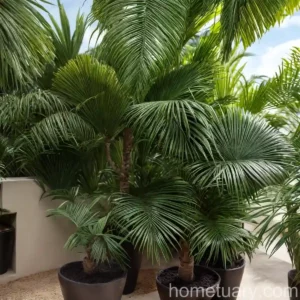
Brahea armata is primarily sought after for its ornamental value and is commonly used in landscaping to create a dramatic focal point in the garden. Its striking blue-gray leaves and symmetrical form make it a popular choice for both residential and commercial landscapes. This palm species is also well-suited for container gardening, adding a touch of exotic elegance to patios and outdoor living spaces.
Water
While Brahea armata is known for its tolerance to drought, it still requires regular watering, especially during its establishment phase. Once established, it can thrive with minimal supplemental watering in arid and Mediterranean climates. However, during prolonged periods of drought, providing moderate watering can promote healthier growth and maintain the vibrant blue-green color of its foliage.
Sunlight
Mexican Blue Palm thrives in full sun to partial shade, making it an ideal choice for sunny and open landscapes. When grown in partial shade, it is important to ensure that it still receives an adequate amount of sunlight to support its growth and maintain the unique coloration of its leaves.
Fertilizer
A well-balanced fertilizer formulated for palm trees can be beneficial for the optimal growth of Brahea armata. Fertilize the palm during the growing season, typically in spring and summer, to provide essential nutrients for healthy foliage and overall vigor.
Soil
Well-draining soil with good aeration is essential for the cultivation of Brahea armata. A sandy loam or rocky soil with moderate fertility is ideal for this palm species. It is important to ensure that the soil does not become waterlogged, as this can lead to root rot and other potential issues.
Pruning
Minimal pruning is required for Brahea armata. Remove any dead or damaged fronds to maintain its aesthetic appeal and prevent potential pest infestations. It is advisable to use sharp and sanitized pruning tools to minimize any damage to the plant.
Propagation
Brahea armata can be propagated from seeds or offsets. Seeds should be sown in a well-draining potting mix and kept consistently moist until germination occurs. Offsets, also known as pups, can be carefully removed from the base of mature plants and replanted in suitable growing conditions.
Container Popularity
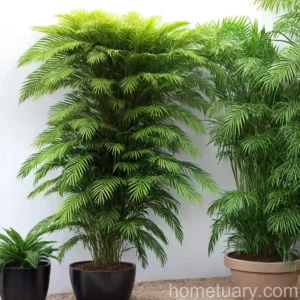
The Mexican Blue Palm is highly sought after for container gardening, especially in regions with colder climates. Its adaptability to container cultivation makes it an excellent choice for adding a tropical touch to outdoor spaces, patios, and balconies.
Common Diseases
Brahea armata is relatively resistant to most common palm diseases when grown in suitable conditions. However, it can be susceptible to fungal infections, particularly if the soil is consistently moist. Proper cultural practices, including providing well-draining soil and avoiding overwatering, can help prevent the occurrence of diseases.
Disease Diagnosis
Monitoring the overall health and appearance of the plant is crucial for early disease detection. Look for signs of discoloration, wilting, or unusual spotting on the leaves, as these can be indicative of underlying issues. If disease symptoms are observed, promptly isolate the affected plant and seek appropriate treatment based on the specific disease or infection.
Common Pests
While Brahea armata is relatively resistant to pests, it can occasionally attract insect pests such as scale insects and aphids. Regular inspection of the foliage and trunk can help detect early signs of pest infestations, enabling prompt intervention to prevent widespread damage.
Botanist’s Tips
-
Climate Considerations: Brahea armata thrives in arid and Mediterranean climates with ample sunlight and well-drained soil. It is essential to consider the specific climate requirements of this palm species when selecting its planting location.
-
Watering Practices: While Mexican Blue Palm is drought-tolerant once established, providing sufficient water during prolonged dry spells can support its overall health and vitality.
-
Soil Preparation: Prior to planting, ensure that the soil is well-draining and of suitable quality to promote healthy root development and prevent potential issues related to waterlogging.
-
Pruning Techniques: Exercise caution when pruning Brahea armata, and use sanitized tools to minimize the risk of infections and damage to the plant.
Fun Facts
-
The striking blue-gray color of Brahea armata’s foliage is attributed to a natural waxy coating that helps protect the leaves from excessive moisture loss and sun damage.
-
In its native habitat, the Mexican Blue Palm is an important element of the desert ecosystem, providing shelter and sustenance for various wildlife species.
-
Brahea armata is considered a slow-growing palm, adding to its allure as a long-term investment in ornamental landscapes.
Links to External Resources
For additional information on Brahea armata and its cultivation, care, and potential landscaping uses, consider exploring the following resources:
In conclusion, the mesmerizing beauty and adaptability of Brahea armata make it a sought-after plant species for landscape design and ornamental cultivation. Its distinctive blue-gray foliage, resilience to arid conditions, and minimal maintenance requirements underscore its appeal as a versatile and attractive addition to gardens and outdoor spaces. By understanding and implementing the appropriate cultural practices, enthusiasts can successfully cultivate and admire the unique charm of the Mexican Blue Palm.
Based on the provided keywords, the content includes extensive information on Mexican blue palm care, Brahea armata plant characteristics, cultivation tips, and its ornamental and landscaping uses. It encompasses various aspects, including watering, sunlight, fertilizer, soil, pruning, propagation, container gardening, common diseases, pest management, and maintenance tips. The comprehensive guide aims to provide valuable insights for plant enthusiasts and horticultural enthusiasts seeking in-depth knowledge about Brahea armata and its successful cultivation.