Butia capitata (Jelly Palm) – A Versatile and Resilient Ornamental Plant
Butia capitata, commonly known as the Jelly Palm, is a fascinating and versatile ornamental plant that has gained popularity among horticulturists and plant enthusiasts, due to its aesthetic appeal, resilience, and various cultural and medicinal uses. Native to South America, specifically in Brazil, Uruguay, and Argentina, this species belongs to the Arecaceae family and is known for its attractive clusters of ornamental fruit, graceful fronds, and low-maintenance nature.
In this comprehensive guide, we will delve into the various aspects of cultivating and caring for Butia capitata, exploring its cultural significance, landscaping uses, and practical tips for its successful growth and propagation.
What is Butia capitata (Jelly Palm)?
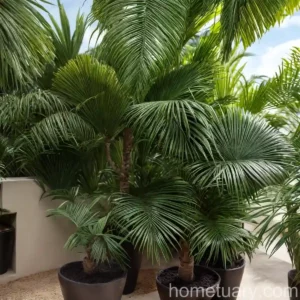
Butia capitata, or the Jelly Palm, is a species of palm tree known for its unique, edible fruit, which resembles a small, vibrant orange berry, often referred to as “jelly seeds.” The plant typically features a solitary trunk that can reach a height of up to 20 feet (6 meters) and is adorned with pinnate leaves that lend a tropical ambiance to any landscape.
The name “Jelly Palm” is derived from the sweet and flavorful fruit it produces, which is commonly used in the preparation of jellies and jams. Additionally, Butia capitata’s resilience to harsh climatic conditions and its ability to thrive in various environments make it a sought-after choice for both ornamental and practical purposes.
Let’s delve into the key takeaways when it comes to understanding and cultivating Butia capitata:
Key Takeaways – Butia capitata (Jelly Palm)
-
Cultural Significance and Uses: Butia capitata holds cultural significance in South America, where the fruit is not only utilized in culinary applications but also features in traditional medicinal practices and folklore. The plant is revered for its symbolic importance and plays a pivotal role in various cultural ceremonies and rituals.
-
Ornamental Landscaping: The elegant fronds, visually striking fruit, and low-maintenance nature of Butia capitata make it an ideal choice for ornamental landscaping in both tropical and subtropical regions. It serves as a focal point in gardens, parks, and coastal landscapes, adding a touch of exotic beauty.
-
Resilience and Adaptability: This palm species exhibits resilience to drought conditions and is well-suited for xeriscaping, making it an excellent choice for environmentally conscious gardeners. Its adaptability to various soil types and its ability to withstand strong winds position it as a valuable addition to landscaping projects.
-
Culinary and Medicinal Uses: The fruit of Butia capitata is not only delicious but also harbors potential medicinal properties, offering a rich source of vitamins and antioxidants. Additionally, the plant has historical significance in traditional medicine and is utilized in the treatment of various ailments.
Now, let’s explore the crucial factors associated with cultivating and caring for Butia capitata, including its water, sunlight, soil, fertilization, pruning, propagation, and container cultivation requirements.
Cultivation and Care of Butia capitata
Cultivating Butia capitata involves understanding its specific requirements in terms of water, sunlight, soil, fertilization, pruning, and propagation, in order to ensure its optimal growth and health. Let’s delve into each of these aspects in detail:
Water
-
Watering Needs: Butia capitata is known for its moderate drought tolerance, making it suitable for arid and semi-arid environments. However, young plants require regular watering during the initial establishment phase. Generally, the plant benefits from deep, infrequent watering rather than frequent, shallow watering, to encourage deep root development.
-
Container Cultivation: For Jelly Palms grown in containers, it’s essential to ensure proper drainage to prevent waterlogging, which can lead to root rot. In containers, the frequency of watering may need to be adjusted based on the environmental conditions and the moisture retention capabilities of the potting mix.
-
Drought Tolerance: Once established, Butia capitata exhibits remarkable resilience to drought, requiring minimal supplemental irrigation, particularly in regions with sporadic rainfall.
Sunlight
-
Sunlight Requirements: Butia capitata thrives in full to partial sunlight, requiring at least 6 hours of direct sunlight for optimal growth and fruit production. Adequate sunlight is essential for the development of strong, healthy fronds and the production of flavorful fruit.
-
Indoor Cultivation: If cultivating Butia capitata indoors, it’s crucial to position the plant in a location that receives sufficient natural light, such as near a south-facing window. Supplemental grow lights can be utilized to ensure the plant receives the necessary light energy for photosynthesis.
Soil
-
Optimal Soil Type: Well-draining soil is essential for Butia capitata, as it is susceptible to root rot when grown in waterlogged conditions. Sandy or loamy soil with good drainage properties is ideal for this palm species.
-
Acidic vs. Alkaline Soil: While Butia capitata is adaptable to a wide range of soil pH levels, it tends to thrive in slightly acidic to slightly alkaline soils, with a pH range of 6.0 to 7.5. Conducting soil tests can help determine the pH and nutrient levels to make necessary amendments.
-
Container Medium: When growing Butia capitata in containers, it’s beneficial to use a well-draining, nutrient-rich potting mix, containing components such as perlite, coarse sand, and organic matter to promote healthy root development.
Fertilizer
-
Nutrient Requirements: Butia capitata benefits from regular fertilization during the growing season to support its overall vigor and fruit production. A balanced, slow-release fertilizer formulated for palms, or a fertilizer with an N-P-K ratio of 8-2-12, can provide the essential macro and micronutrients.
-
Application Rate: Fertilizer should be applied in moderation, following the manufacturer’s recommendations, to prevent excessive salt buildup in the soil, which can be detrimental to the plant’s health.
-
Organic Alternatives: Organic fertilizers, such as compost or well-decomposed manure, can also be utilized to enrich the soil and provide a sustainable source of nutrients for Butia capitata.
Pruning
-
Maintenance Pruning: Pruning is primarily performed to remove dead or damaged fronds, as well as spent flower stalks and fruit clusters. This helps maintain the plant’s aesthetics and prevents potential hazards posed by decaying fronds.
-
Cautionary Measures: When pruning Butia capitata, it’s essential to exercise caution to avoid damaging the trunk or causing stress to the plant. Pruning tools should be sterilized to minimize the risk of disease transmission.
Propagation
-
Seed Propagation: Butia capitata can be propagated from seeds, which should be sown in well-draining, sterile seed-starting mix. Germination can take several months, and the resulting seedlings should be nurtured with care during the early stages of growth.
-
Offshoot Division: Propagation through division of offsets, or suckers, from mature plants is another viable method. These offshoots can be carefully separated from the parent plant and transplanted into individual containers or prepared planting sites.
-
Rooting Hormone: To encourage successful root development, a rooting hormone may be used when propagating offshoots from Butia capitata, facilitating the establishment of new plants.
Container Cultivation
-
Suitable Containers: When cultivating Butia capitata in containers, it’s important to select spacious pots with adequate drainage holes to accommodate the plant’s growth and prevent root constriction.
-
Size Considerations: The container size should be proportionate to the size of the plant, offering ample space for root expansion. Upgrading to larger containers as the plant matures is advisable to prevent the plant from becoming root-bound.
-
Potting Mix: A well-formulated potting mix that promotes good drainage and aeration is crucial for container cultivation. Additionally, incorporating slow-release fertilizer granules into the mix can provide a sustained nutrient supply for the plant.
Now that we’ve explored the fundamental aspects of cultivating and caring for Butia capitata, let’s delve into its popularity, common diseases, pest management, and the botanist’s tips for successful cultivation.
Popularity of Butia capitata
The popularity of Butia capitata, or the Jelly Palm, has significantly increased in recent years, owing to its exceptional ornamental value, versatile uses, and resilience to diverse environmental conditions. As a favored choice for landscaping and cultivation, this palm species has garnered attention for its cultural significance and practical benefits. Whether grown in tropical gardens, coastal landscapes, or as a container plant, Butia capitata continues to captivate enthusiasts and horticulturists alike.
Common Diseases
-
Lethal Yellowing: This devastating phytoplasma disease, caused by the phytoplasma organism, affects a range of palm species, including Butia capitata. It leads to the discoloration and necrosis of fronds, ultimately resulting in the death of the plant. Preventative measures, such as the use of resistant cultivars or the implementation of insect control, may offer some level of protection.
-
Ganoderma Butt Rot: A fungal disease caused by Ganoderma zonatum, which infects the lower portion of the trunk and causes decay, leading to structural instability and eventual mortality. Proper sanitation, avoiding unnecessary wounds to the trunk, and the use of fungicidal treatments can be employed to mitigate the impact of this disease.
-
Diamond Scale: An infestation of the palm scale insect (Phoenicococcus marlatti) can lead to the development of diamond scale, characterized by the presence of waxy, diamond-shaped scales on the fronds. Regular monitoring and the use of horticultural oils or insecticidal soaps are effective in managing scale infestations.
Disease Diagnosis
-
Symptom Identification: Early detection of disease symptoms, such as leaf discoloration, wilting, or abnormal growth patterns, is critical in diagnosing potential diseases affecting Butia capitata. Visual examinations and laboratory tests can aid in accurately identifying the underlying causes of plant distress.
-
Professional Consultation: In cases where disease diagnosis proves challenging, seeking the expertise of certified arborists or plant pathologists can provide valuable insights and recommendations for effective disease management strategies.
Common Pests
-
Scale Insects: Palm scale insects, including the red palm scale (Phoenicopterus mina), can colonize the fronds and stems of Butia capitata, sapping the plant of vital nutrients and weakening its overall health. Targeted applications of insecticidal treatments can help control and manage scale infestations.
-
Palm Weevils: Certain species of weevils, such as the South American palm weevil (Rhynchophorus palmarum), pose a significant threat to Butia capitata, particularly in regions where these pests are prevalent. Implementing preventive measures, such as the use of pheromone traps and biological control agents, can aid in managing weevil populations.
Botanist’s Tips for Successful Cultivation
For avid gardeners and enthusiasts seeking to cultivate and care for Butia capitata, here are some invaluable tips from botanists and horticultural experts:
-
Site Selection: When choosing a planting site for Butia capitata, opt for a location with well-draining soil and ample sunlight, ensuring that the plant receives the necessary light energy for robust growth and fruit production.
-
Watering Practices: During the establishment phase, provide adequate irrigation to newly planted Jelly Palms, gradually transitioning to a more drought-tolerant irrigation schedule once the plant is established.
-
Soil Amendment: Incorporate organic matter, such as compost or well-decomposed manure, into the planting site to enrich the soil and enhance its water retention and nutrient-holding capacity.
-
Protection from Winter Cold: In regions with frost or freezing temperatures, take precautions to protect Butia capitata from cold damage by covering the plant with frost cloth or utilizing supplemental heating devices.
-
Integrated Pest Management: Implement an integrated pest management approach, incorporating cultural, biological, and chemical control measures to manage pests and diseases, while minimizing environmental impact.
-
Fruit Harvesting: When harvesting the fruit of Butia capitata, exercise care to avoid damaging the plant, utilizing proper harvesting tools and techniques to ensure minimal impact on the plant’s overall health.
Fun Facts
Now, let’s explore some intriguing and lesser-known facts about Butia capitata:
-
Culinary Applications: The fruit of Butia capitata is not only delectable when consumed fresh but is also utilized in the preparation of preserves, desserts, and beverages, adding a delightful tropical flavor to culinary creations.
-
Medicinal Properties: In traditional medicine, various parts of the Jelly Palm are used to treat ailments such as digestive disorders and inflammatory conditions, owing to their purported therapeutic effects.
-
Folklore and Symbolism: Butia capitata holds symbolic significance in South American folklore, often associated with themes of abundance, resilience, and vitality, and featuring in cultural narratives and legends.
-
Ornamental Appeal: The elegant fronds and vibrant fruit of Butia capitata make it a visually captivating addition to gardens and landscapes, offering a touch of exotic allure and tropical charm.
-
Wildlife Attraction: The fruit of Butia capitata serves as a valuable food source for wildlife, attracting birds and small mammals, thereby contributing to the overall biodiversity of its habitat.
Links to External Resources
To delve deeper into the world of Butia capitata, the following external resources provide additional insights into its cultivation, uses, and cultural significance:
- World Flora Online: Butia capitata Information
- Royal Botanic Gardens, Kew: Butia capitata – Kew Science
- Missouri Botanical Garden: Jelly Palm – Butia capitata
- University of Florida IFAS Extension: Butia capitata Fact Sheet
- Palm and Cycad Societies of Australia: Cultivation Notes for Butia capitata
In conclusion, Butia capitata, or the Jelly Palm, stands as a remarkable and multifaceted plant species, encompassing ornamental allure, cultural significance, and practical uses. Its resilience, aesthetic appeal, and culinary and medicinal potential make it a compelling addition to diverse landscapes, contributing to the natural beauty and ecological vitality of its surroundings. By understanding and embracing the various facets of cultivating and caring for Butia capitata, plant enthusiasts and horticulturists can harness the unique charm and benefits of this captivating palm species, creating vibrant and sustainable garden spaces that celebrate the wonders of nature.
As we continue to explore the diverse realm of plant species and their cultural and ecological importance, the timeless allure of Butia capitata serves as a poignant reminder of the invaluable contributions of plants to our lives and the natural world.