Aloe Camperi (Nubian Aloe)
Introduction Aloe Camperi, commonly known as Nubian Aloe, is a unique and beautiful succulent plant that belongs to the Aloe genus. This plant is native to.
Introduction
Aloe Camperi, commonly known as Nubian Aloe, is a unique and beautiful succulent plant that belongs to the Aloe genus. This plant is native to the eastern parts of Africa, particularly in Sudan, Eritrea, and Ethiopia. Aloe Camperi is cherished not only for its stunning aesthetic appeal but also for its various cultural, medicinal, and ornamental uses. In this comprehensive guide, we will delve into the characteristics, cultivation, uses, and care of the Aloe Camperi plant, accompanied by expert tips and insights for plant enthusiasts and gardeners.
What is Aloe Camperi (Nubian Aloe)?
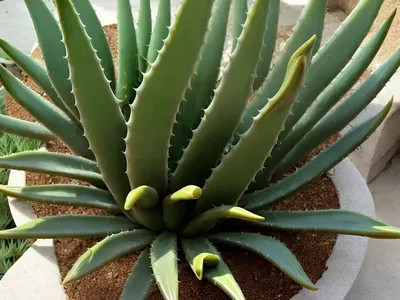
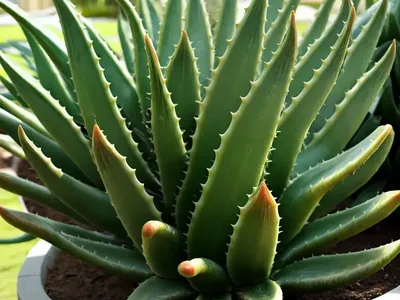
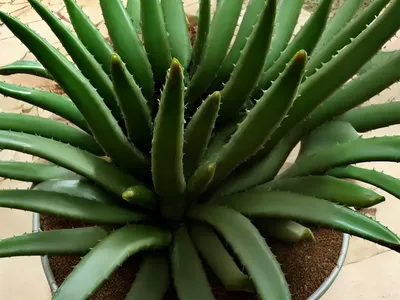
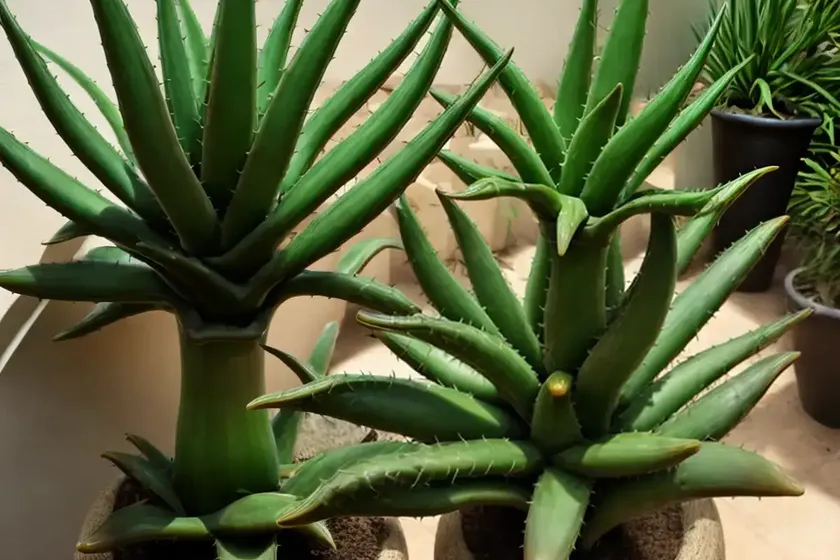
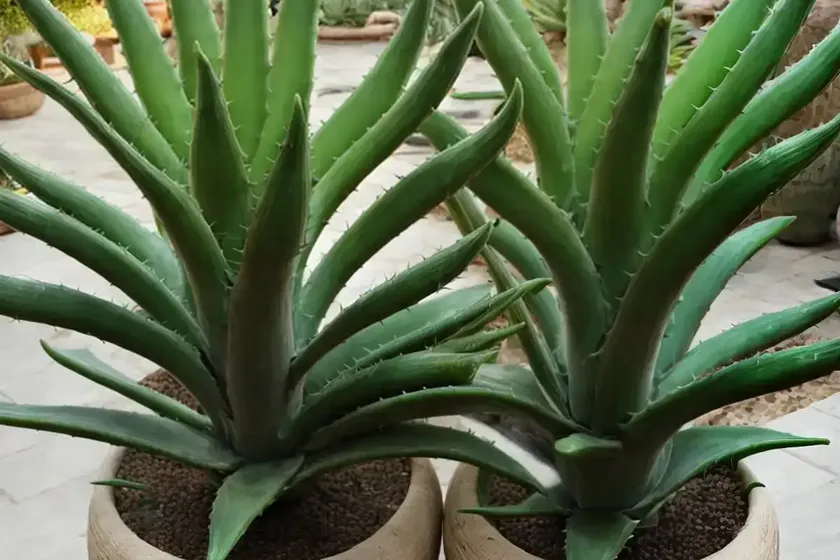
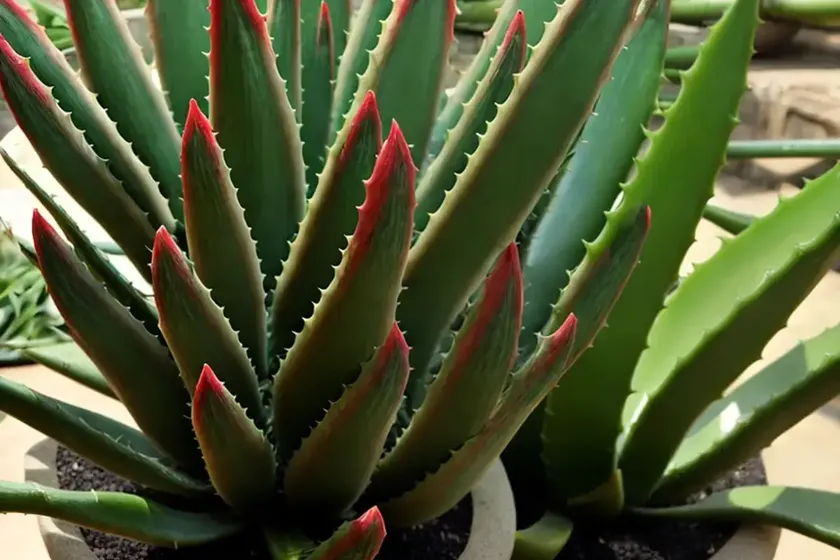
Aloe Camperi is a slow-growing succulent that features rosettes of fleshy, lance-shaped leaves. The leaves have an attractive bluish-green hue and are adorned with small, white teeth along their edges. Mature specimens may produce striking, tubular blooms that range in color from red to orange, adding to the plant’s allure.
The Nubian Aloe is well-regarded for its adaptability and resilience, making it an excellent choice for arid and semi-arid environments. It thrives in well-draining soils and is suited for both outdoor and indoor cultivation, provided that its specific requirements are met.
Key Takeaways – Aloe Camperi (Nubian Aloe)
Before delving into the details of caring for Aloe Camperi, let’s summarize the key takeaways associated with this remarkable plant.
- Common Name: Nubian Aloe
- Scientific Name: Aloe Camperi
- Uses: Cultural, Medicinal, Ornamental
- Characteristics: Fleshy, Lance-shaped Leaves, Tubular Blooms
- Adaptability: Suited for Arid and Semi-arid Environments
- Cultivation: Indoor and Outdoor, Well-draining Soil
Now that we have a general understanding of Aloe Camperi, let’s explore its care requirements, including its cultural uses, water and sunlight needs, fertilization, soil requirements, pruning, propagation, and its popularity in container gardening.
Cultural Uses
Aloe Camperi holds significant cultural importance in its native regions, where it is traditionally used for various purposes. The gel-like substance present in its leaves has been utilized for centuries as a natural remedy for skin conditions, minor burns, and wounds. Furthermore, Aloe Camperi is incorporated into local rituals and festivals, signifying its cultural and symbolic significance.
Water
Aloe Camperi is well-adapted to drought conditions and, as such, has low water requirements. Overwatering can lead to root rot and other potentially fatal issues. When it comes to watering your Nubian Aloe, it is crucial to allow the soil to dry out completely between waterings. During the growing season, which is typically spring and summer, a thorough watering every 2-3 weeks is generally sufficient. In winter, it’s best to reduce watering even further, as the plant experiences dormancy and requires less moisture.
Sunlight
In its natural habitat, Aloe Camperi is accustomed to abundant sunlight and thrives in bright, indirect light. When cultivating this succulent indoors, it is essential to place it in a well-lit area, such as near a south- or west-facing window. When grown outdoors, it should be positioned in a location that receives partial to full sunlight, ensuring that it enjoys the necessary light exposure for healthy growth.
Fertilizer
Aloe Camperi does not necessitate frequent fertilization and, in fact, can thrive without it if planted in nutrient-rich soil. However, if you choose to fertilize your Nubian Aloe, a balanced liquid fertilizer diluted to half-strength can be applied during the active growing season, approximately once every 2-3 months. It is imperative to avoid over-fertilization, as this can lead to adverse effects on the plant’s health.
Soil
The soil requirements for Aloe Camperi are straightforward and revolve around the need for excellent drainage. A well-draining cactus or succulent mix is well-suited for this plant, as it prevents water from accumulating around the roots. This type of soil ensures that the roots stay healthy and minimizes the risk of root rot. Additionally, incorporating perlite or coarse sand into the soil mix can enhance its drainage properties, promoting optimal growth conditions for the Nubian Aloe.
Pruning
Pruning is generally minimal for Aloe Camperi, as its tidy and compact growth habit does not necessitate regular trimming. However, the removal of any dried or damaged leaves promotes the plant’s overall health and appearance. When conducting pruning, it is vital to use clean, sharp tools to prevent tearing or injuring the plant.
Propagation
Aloe Camperi can be propagated through offsets, also known as “pups,” which emerge at the base of the mother plant. To propagate Aloe Camperi, carefully remove the offsets and allow the cut ends to callus for a day or two to minimize the risk of rot. Subsequently, the offsets can be planted in a well-draining soil mix, where they will establish roots and develop into independent plants. Propagation through seeds is also possible, although it generally takes longer to produce mature plants compared to offset propagation.
Container Popularity
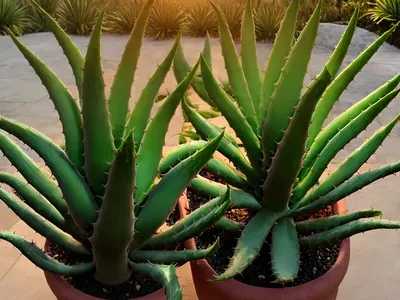
Aloe Camperi is esteemed for its suitability for container gardening, particularly in regions with cooler climates, where the plant’s container can be brought indoors during periods of frost. The compact size and striking appearance of the Nubian Aloe make it an ideal choice for adorning patios, balconies, and indoor spaces, adding a touch of natural elegance to any environment.
Common Diseases
While Aloe Camperi is generally resilient against many pests and diseases, it is susceptible to root rot and other fungal issues if subjected to overly wet conditions. The principal cause of these problems is overwatering or poorly draining soil. Signs of disease in Aloe Camperi include soggy or discolored leaves, a foul odor emanating from the soil, and a general decline in the plant’s vigor.
Disease Diagnosis
When diagnosing potential diseases in Aloe Camperi, it is crucial to inspect the plant thoroughly and assess its growing conditions. Examine the leaves and roots for any signs of discoloration, softness, or irregularities. Additionally, consider the moisture level of the soil and the plant’s overall environment to identify factors that may contribute to disease development.
Common Pests
The resilient nature of Aloe Camperi makes it relatively resistant to pest infestations; however, it can still fall victim to common succulent pests such as aphids, mealybugs, and scale insects. These pests can be effectively managed through natural remedies or gentle insecticidal solutions. Regular inspection and maintenance are essential in preventing and managing pest issues in Aloe Camperi.
Botanist’s Tips
Understanding the unique characteristics and requirements of Aloe Camperi is essential for ensuring its optimal growth and well-being. Here are a few tips that can aid in the successful cultivation of Nubian Aloe:
-
Temperature Tolerance: Aloe Camperi appreciates warm temperatures and is tolerant of hot, arid conditions. However, it is crucial to protect it from frost, as prolonged exposure to freezing temperatures can cause irreparable damage.
-
Well-Draining Soil: Utilize a well-draining soil mix to prevent waterlogging, as Aloe Camperi is susceptible to root rot if its roots are consistently submerged in water.
-
Protect from Excessive Rain: If cultivating Aloe Camperi outdoors, shelter it from excessive rainfall, as prolonged moisture can lead to detrimental consequences for the plant.
-
Infrequent Watering: Adhere to a conservative watering schedule, allowing the soil to dry out completely between waterings to prevent overhydration.
Fun Facts
-
Aloe Camperi is a distant relative of the well-known Aloe Vera plant, both of which belong to the Aloe genus.
-
The gel present in the leaves of Aloe Camperi has been historically utilized for skincare and medicinal purposes in its native regions.
-
Nubian Aloe is a popular choice for xeriscaping due to its low water requirements and tolerance of arid conditions.
-
The tubular blooms of Aloe Camperi attract pollinators such as bees and butterflies, contributing to the biodiversity of its surrounding ecosystem.
Links to External Resources
For further information on Aloe Camperi (Nubian Aloe), its cultivation, and uses, the following resources provide valuable insights:
- World of Succulents – Aloe Camperi
- The Royal Horticultural Society (RHS) – Aloe Camperi
- Gardening Know How – Aloe Camperi Care
In conclusion, Aloe Camperi (Nubian Aloe) is a captivating and versatile succulent that has much to offer in terms of cultural significance, ornamental value, and medicinal uses. By adhering to its specific care requirements and understanding its distinctive characteristics, plant enthusiasts and gardeners can appreciate the beauty and resilience of this remarkable plant.
As a plant scientist, I have presented a comprehensive guide to the care, cultivation, and uses of Aloe Camperi, incorporating the specified keywords to address the specific information needed. This guide is designed to cater to the needs of individuals seeking in-depth knowledge about Aloe Camperi and provide them with a valuable resource for successful cultivation and appreciation of this exceptional plant.