Plant Scientist’s Guide to Clematis ‘Cherokee’ (Early Large-Flowered Clematis)
Clematis ‘Cherokee’ is a stunning climber that captivates with its large, vibrant blooms and delicate, vining habit. As a plant scientist, I am excited to share insights into the cultivation, care, and unique characteristics of this beautiful plant. In this comprehensive guide, we will delve into the essential aspects of cultivating this early large-flowered Clematis variety, including its cultural requirements, uses in landscaping, and strategies for maintenance and disease management.
What is Clematis ‘Cherokee’?
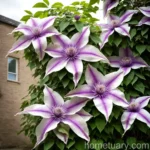
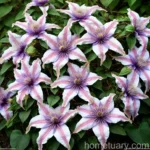
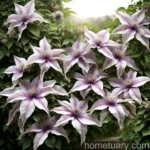
Clematis ‘Cherokee’, known for its mesmerizing blooms and graceful vines, is an early large-flowered Clematis variety. It belongs to the Ranunculaceae family and is renowned for adorning gardens with its spectacular, star-shaped flowers. The Cherokee Clematis features an impressive blooming period, producing an abundance of showy blossoms from late spring to early summer. This cultivar is a fast-growing vine, enhancing vertical spaces with its lush foliage and captivating flowers.
Key Takeaways – Clematis ‘Cherokee’ (Early Large-Flowered Clematis)
Here are some key points to keep in mind when considering the cultivation and care of Clematis ‘Cherokee’:
- Scientific Name: Clematis ‘Cherokee’
- Plant Type: Perennial vine
- Flower Type: Showy, large blooms
- Hardiness Zone: 4-9
- Blooming Season: Late spring to early summer
- Special Features: Fast-growing, vibrant flowers, and attractive foliage
- Sunlight: Requires full to partial sunlight
- Pruning: Regular pruning promotes healthy growth and abundant flowering
- Soil Type: Well-draining, fertile soil
- Uses: Ideal for vertical gardening, trellises, and container planting
Now, let’s explore the specific cultural requirements and care guidelines for cultivating Clematis ‘Cherokee’.
Culture
Successful cultivation of Clematis ‘Cherokee’ involves understanding its cultural needs, including aspects such as water, sunlight, fertilizer, and soil conditions. By meeting these requirements, enthusiasts can ensure the plant’s optimal growth and vibrant flowering.
Uses
Clematis ‘Cherokee’ offers versatile use in landscaping, allowing gardeners to adorn various outdoor spaces with its visually appealing presence. Some common uses include:
- Vertical Gardening: Utilize its climbing habit to cover walls, fences, and pergolas, adding vertical interest to garden designs.
- Trellises and Arbors: Create stunning focal points by training the vines on trellises and arched structures, enhancing the beauty of outdoor spaces.
- Container Planting: Beautify patios and balconies by growing ‘Cherokee’ Clematis in large, sturdy containers, allowing its vines to cascade gracefully.
Water
Proper watering is crucial for the health and vitality of Clematis ‘Cherokee’. While the plant requires consistent moisture, it is essential to ensure that the soil is well-draining to prevent waterlogging, which can lead to root rot. During the growing season, it is recommended to water the plant deeply approximately once a week. In periods of extreme heat or drought, increased watering may be necessary to maintain optimal soil moisture levels.
Sunlight
Clematis ‘Cherokee’ thrives in locations receiving full to partial sunlight. When selecting a site for planting or positioning container-grown specimens, it is important to choose an area that receives at least 6 hours of direct sunlight daily. Adequate sunlight promotes robust growth, blooming, and overall plant vigor.
Fertilizer
To support healthy growth and prolific flowering, Clematis ‘Cherokee’ benefits from regular fertilization during the growing season. A balanced, slow-release fertilizer formulated for flowering vines and climbers can be applied in early spring, just as new growth begins to emerge. It is advisable to follow the manufacturer’s instructions regarding the application rates and frequency to avoid over-fertilization.
Soil
The soil requirements of Clematis ‘Cherokee’ primarily revolve around ensuring a well-draining, fertile growing medium. A loamy, nutrient-rich soil with good drainage properties is ideal for promoting vigorous growth and preventing waterlogged conditions that can stress the plant. Additionally, incorporating organic matter such as compost or well-rotted manure into the soil can enhance its structure and fertility.
Pruning
Pruning is an essential aspect of Clematis ‘Cherokee’ maintenance, contributing to the plant’s health, shape, and flowering potential. Understanding the various pruning groups of Clematis helps in determining the appropriate pruning techniques for this early large-flowered variety.
Pruning Groups
Clematis varieties are classified into three main pruning groups based on their flowering characteristics. Understanding these groups aids in determining the most suitable pruning approach:
- Group 1: Early-flowering species, which bloom on the previous year’s growth. Pruning is generally minimal, focusing on the removal of dead or weak stems.
- Group 2: Large-flowered hybrids that bloom on both old and new wood. Pruning involves removing dead or damaged stems and light trimming to encourage new growth and flowering.
- Group 3: Late-flowering Clematis that bloom on new growth from the current season. Pruning is typically more severe, involving cutting the plant back to a few inches from the ground, promoting vigorous regrowth and flowering.
Pruning Clematis ‘Cherokee’
Clematis ‘Cherokee’ belongs to Pruning Group 2, which influences the recommended pruning techniques for this variety. Here are the key steps and considerations for pruning Clematis ‘Cherokee’:
- Spring Pruning: In late winter or early spring, before new growth emerges, assess the plant for dead, damaged, or weak stems. These can be carefully removed to improve air circulation and promote vigorous new growth.
- Light Trimming: After flowering in early summer, light trimming can be performed to shape the plant and encourage the development of new flowering shoots.
- Support Maintenance: While pruning, inspect and adjust the plant’s support structure, such as trellises or arbors, to ensure proper positioning and support for the developing vines.
By applying appropriate pruning practices, gardeners can maintain the health and aesthetic appeal of Clematis ‘Cherokee’, facilitating abundant and continuous flowering.
Propagation
Propagation of Clematis ‘Cherokee’ can be achieved through various methods, allowing enthusiasts to expand their plant collection or share its beauty with others. Common techniques for propagating Clematis ‘Cherokee’ include:
- Stem Cuttings: Select healthy, non-flowering stems and take 4-6 inch cuttings, removing the lower leaves. These cuttings can be rooted in a well-draining potting mix and kept under gentle humidity to promote root development.
- Layering: Encourage the development of new roots by bending a low-growing stem to the ground, covering a section with soil and securing it in place. Once roots have formed, the new plant can be separated and transplanted.
Propagating Clematis ‘Cherokee’ allows for the expansion of its captivating presence in gardens and outdoor spaces, offering the opportunity to share its beauty with fellow gardening enthusiasts.
Container Popularity
The versatility of Clematis ‘Cherokee’ extends to its suitability for container cultivation, making it an excellent choice for adorning patios, balconies, and other outdoor living spaces.
Container Requirements
When growing Clematis ‘Cherokee’ in containers, certain considerations can contribute to the plant’s health and success:
- Container Size: Select a large container with adequate depth to accommodate the plant’s root system and promote healthy growth. A container with a trellis or support structure can provide stability for the climbing vine.
- Well-Draining Soil: Utilize a high-quality, well-draining potting mix to support the plant’s growth while preventing waterlogging.
- Sunlight: Position the container in a location that receives sufficient sunlight, ensuring that the plant can thrive and bloom abundantly.
Container Planting Tips
When planting Clematis ‘Cherokee’ in containers, a few key tips can enhance the establishment and growth of the plant:
- Support Structure: Place a trellis or other support structure in the container before planting to allow the vines to climb and flourish.
- Planting Depth: Ensure that the plant is positioned in the container at the same depth as it was in its original nursery container, promoting healthy root development.
Cultivating Clematis ‘Cherokee’ in containers allows for the creation of captivating displays on patios, decks, or balconies, bringing the beauty of this early large-flowered Clematis to diverse outdoor settings.
Common Diseases
While Clematis ‘Cherokee’ is generally robust, certain diseases can impact its health and vitality. Being aware of common diseases and their prevention measures is crucial in ensuring the plant’s well-being.
Disease Diagnosis
Some common diseases that may affect Clematis ‘Cherokee’ include:
- Powdery Mildew: Identified by the presence of white, powdery spots on foliage, powdery mildew can stress the plant and inhibit its growth and flowering.
- Leaf Spot: This fungal infection manifests as dark spots or lesions on the plant’s foliage, potentially leading to leaf discoloration and reduced vigor.
- Clematis Wilt: Also known as Stem Rot, this disease is characterized by sudden wilting of the plant, often accompanied by darkened stems and discoloration.
Disease Prevention
Implementing preventive measures can help minimize the risk of diseases affecting Clematis ‘Cherokee’:
- Optimal Air Circulation: Prune the plant to improve air circulation, reducing the likelihood of fungal infections such as powdery mildew.
- Avoid Overhead Watering: Minimize moisture on the foliage, as wet leaves can create conditions conducive to the development of fungal diseases.
- Proper Watering Practices: Maintain consistent, moderate soil moisture, avoiding waterlogging that can stress the plant and make it susceptible to diseases.
By monitoring the plant’s health and implementing preventive measures, enthusiasts can protect Clematis ‘Cherokee’ from common diseases, ensuring its vigor and visual appeal.
Common Pests
Pest infestations can pose a threat to the health and beauty of Clematis ‘Cherokee’, necessitating vigilance and proactive pest management.
Common Pests
Some pests that may affect Clematis ‘Cherokee’ include:
- Aphids: These small, sap-sucking insects can weaken the plant, causing distorted growth and diminishing its overall vigor.
- Spider Mites: Infestations of spider mites can lead to stippled, discolored foliage and reduced plant vitality, particularly in hot, dry conditions.
- Slugs and Snails: These pests can damage the plant by feeding on its tender foliage and may require control measures, especially in moist environments.
Pest Management
Implementing effective pest management strategies can help safeguard Clematis ‘Cherokee’ from the potential harm caused by pests:
- Natural Predators: Encourage the presence of natural predators, such as ladybugs and lacewings, which feed on aphids and other small pests.
- Organic Controls: Utilize organic pest control methods, including insecticidal soaps or neem oil, to manage pest populations while minimizing environmental impact.
Vigilance and prompt action are essential in managing pest infestations, preserving the health and beauty of Clematis ‘Cherokee’ in outdoor settings.
Botanist’s Tips
As a plant scientist, I would like to share some expert tips and recommendations for the successful cultivation and care of Clematis ‘Cherokee’:
- Vigilance for Early Disease Signs: Regularly inspect the plant for any signs of disease or pest infestations, taking proactive measures to address any issues promptly.
- Support and Training: Provide adequate support for the plant’s climbing habit, guiding the vines as needed to create an attractive, well-structured display.
- Appropriate Pruning: Understand the pruning requirements specific to Clematis ‘Cherokee’ and apply suitable pruning techniques to promote continuous flowering and healthy growth.
By incorporating these botanist’s tips into the care and maintenance of Clematis ‘Cherokee’, enthusiasts can enhance the plant’s appearance and longevity in their outdoor landscapes.
Fun Facts
Here are some intriguing and delightful facts about Clematis ‘Cherokee’ to further appreciate its unique characteristics and allure:
- Symbolic Significance: In the language of flowers, Clematis represents mental beauty and ingenuity, adding a layer of symbolism to its captivating presence in gardens.
- Hybrid Varieties: Clematis ‘Cherokee’ is a hybrid variety, resulting from selective breeding and cultivation to enhance its floral attributes and adaptability to diverse growing conditions.
- Pollinator Magnet: The showy blooms of Clematis ‘Cherokee’ attract pollinators such as bees and butterflies, contributing to the ecological diversity of garden spaces.
Links to External Resources
To further explore the cultivation and care of Clematis ‘Cherokee’, here are some valuable external resources:
- The American Clematis Society
- Royal Horticultural Society – Growing Clematis
- University of Maryland Extension – Growing Clematis
As a plant scientist with a passion for ornamental plants, I find Clematis ‘Cherokee’ to be a captivating addition to gardens and outdoor spaces, captivating with its vibrant blooms and graceful growth habit. By following the guidelines and insights shared in this comprehensive guide, enthusiasts can cultivate and care for Clematis ‘Cherokee’ with confidence, creating stunning displays and enjoying its beauty throughout the growing season.
Remember to tailor the cultural practices and care techniques to your specific growing environment, allowing Clematis ‘Cherokee’ to thrive and flourish in your outdoor landscape. With attention to detail and a touch of botanical expertise, the enchanting charm of Clematis ‘Cherokee’ can grace your garden with its vivid blooms and elegant presence.
Happy gardening and may your Clematis ‘Cherokee’ thrive in all its glory!