Plant Scientist’s Guide to Clematis ‘Alaina’ (Early Large-Flowered Clematis)
Clematis ‘Alaina’ is a beautiful and versatile plant that is a popular choice among gardeners due to its stunning large flowers and ease of care. As a plant scientist with a passion for studying and cultivating various plant species, I’m excited to share with you the key insights and tips for successfully growing and caring for Clematis ‘Alaina’.
What is Clematis ‘Alaina’?
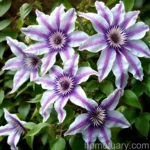
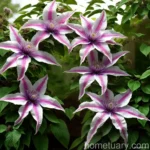
Clematis ‘Alaina’ is a member of the Ranunculaceae family and is a cultivar of the early large-flowered Clematis varieties. This deciduous vine is known for its showy, 6-8 inch diameter flowers that bloom prolifically in late spring and early summer. The flowers of Clematis ‘Alaina’ are a deep pink with slightly ruffled edges, adding a touch of elegance and vibrancy to any garden or landscape.
This cultivar is prized for its ability to climb and can reach a height of 6-8 feet, making it an excellent choice for trellises, fences, and pergolas. With proper care and maintenance, Clematis ‘Alaina’ can be a focal point in gardens and outdoor spaces, attracting admiration and interest from plant enthusiasts and casual observers alike.
Key Takeaways – Clematis ‘Alaina’ (Early Large-Flowered Clematis)
Before diving into the details of caring for Clematis ‘Alaina’, let’s take a moment to highlight the essential aspects of this beautiful plant:
- Scientific Name: Clematis ‘Alaina’
- Common Name: Early Large-Flowered Clematis
- Family: Ranunculaceae
- Flower Color: Deep pink
- Bloom Time: Late spring to early summer
- Growth Habit: Climbing vine
- Mature Height: 6-8 feet
- Foliage: Deciduous
- Uses: Trellises, fences, pergolas, containers
- Special Features: Large, showy flowers
Now that we have a basic understanding of Clematis ‘Alaina’, let’s explore the specific care requirements and best practices for nurturing this stunning plant.
Culture
The culture of Clematis ‘Alaina’ encompasses various factors, including its preferred growing conditions, maintenance needs, and overall care routine. Understanding the cultural requirements of this plant is crucial for ensuring its optimal growth and blooming potential.
Uses
Clematis ‘Alaina’ can be utilized in several ways to enhance the visual appeal and charm of outdoor spaces. Some common uses of this early large-flowered Clematis include:
- Trellises: Clematis ‘Alaina’ is well-suited for climbing on trellises, where its vibrant flowers can create a captivating display.
- Fences: When trained to grow along fences, Clematis ‘Alaina’ adds a vertical dimension and a pop of color to the landscape.
- Pergolas: The climbing nature of this plant makes it an ideal choice for adorning pergolas, offering shade and beauty simultaneously.
- Containers: In container gardens, Clematis ‘Alaina’ brings its elegant blooms to eye level, making it a versatile option for patios and balconies.
Water
Proper watering is essential for the health and vitality of Clematis ‘Alaina’. While this plant appreciates moist soil, it is important to maintain a balance and avoid waterlogging, which can lead to root rot. Here are some key points to consider regarding watering:
- Consistent Moisture: Clematis ‘Alaina’ benefits from consistent moisture, especially during the active growing season.
- Mulching: Applying a layer of organic mulch around the base of the plant can help retain soil moisture and regulate the temperature of the root zone.
- Watering Schedule: Adjust the frequency of watering based on environmental factors such as temperature and rainfall, ensuring that the soil does not dry out completely between waterings.
Sunlight
As with many flowering plants, sunlight plays a crucial role in the growth and blooming of Clematis ‘Alaina’. Providing the appropriate amount of sunlight is key to promoting healthy growth and abundant flowering. Consider the following sunlight requirements for this early large-flowered Clematis:
- Full Sun to Partial Shade: Clematis ‘Alaina’ thrives in locations with full sun to partial shade, allowing for 6-8 hours of sunlight per day.
- Afternoon Shade: In regions with hot summers, providing some shade during the intense afternoon hours can help protect the plant from heat stress.
Fertilizer
Fertilization is an important aspect of caring for Clematis ‘Alaina’, as it can contribute to the overall vigor and flowering capacity of the plant. By providing the appropriate nutrients, you can support the healthy growth of this early large-flowered Clematis. Consider the following guidelines for fertilizing Clematis ‘Alaina’:
- Balanced Fertilizer: Use a balanced, water-soluble fertilizer formulated for flowering plants, applying it according to the manufacturer’s instructions.
- Timing: Apply fertilizer in early spring as new growth emerges, and consider a second application after the first wave of flowering to support additional blooms.
- Avoid Over-Fertilization: While fertilizer is beneficial, over-feeding can lead to excessive foliage growth at the expense of flowers, so be mindful of the application rates.
Soil
The soil in which Clematis ‘Alaina’ is planted plays a critical role in providing the necessary nutrients and support for the plant’s root system. Understanding the soil preferences of this cultivar is essential for promoting its overall health and vitality. Consider the following soil preferences for Clematis ‘Alaina’:
- Well-Draining Soil: Clematis ‘Alaina’ thrives in well-draining, loamy soil that provides good aeration to the roots.
- Organic Matter: Amending the soil with organic matter such as compost or well-rotted manure can improve its structure and fertility, benefiting the plant’s growth.
- pH Level: Aim for a slightly acidic to neutral pH level in the soil, ideally in the range of 6.5 to 7.0, to ensure optimal nutrient uptake.
Pruning
Pruning is an essential practice for maintaining the form, health, and flowering potential of Clematis ‘Alaina’. By understanding the appropriate pruning techniques and timing, you can encourage a strong and vigorous growth habit in this early large-flowered Clematis. Consider the following pruning guidelines for Clematis ‘Alaina’:
- Pruning Group: Clematis ‘Alaina’ belongs to Pruning Group 2, which includes early to midseason flowering varieties that bloom on both old and new wood.
- Early Spring Pruning: In early spring, remove any weak or damaged stems and prune lightly to shape the plant, taking care not to remove the developing flower buds.
- Post-Flowering Pruning: After the initial bloom period, perform a more thorough pruning by cutting back the stems to a pair of strong, healthy buds, which can encourage a second flush of flowers in some cases.
Propagation
Propagating Clematis ‘Alaina’ allows you to expand your collection of these stunning plants or share them with fellow gardening enthusiasts. By using reliable propagation methods, you can successfully create new plants from existing ones. Consider the following tips for propagating Clematis ‘Alaina’:
- Stem Cuttings: Propagating Clematis ‘Alaina’ from stem cuttings is a common and effective method. Select a healthy stem and take a cutting just below a node, removing the lower leaves and planting the cutting in a well-draining rooting medium.
- Layering: Another method of propagation involves layering, where a portion of a stem is bent down and buried in the soil to encourage the development of roots. Once rooted, the new plant can be separated and transplanted.
Container Popularity
Clematis ‘Alaina’ is well-suited for container gardening, offering a vertical element and a profusion of blooms in a compact and manageable form. The popularity of growing this early large-flowered Clematis in containers stems from its adaptability and ornamental value. Consider the following points regarding its container popularity:
- Container Selection: Choose a large, sturdy container with adequate drainage holes to accommodate the growth of Clematis ‘Alaina’ and provide ample support for its climbing habit.
- Growing Medium: Use a well-draining potting mix rich in organic matter, and consider adding slow-release fertilizer to provide nutrients over an extended period.
Common Diseases
As a plant scientist, it’s important to be aware of the potential diseases that can affect Clematis ‘Alaina’ and understand the preventive measures and treatments available. By identifying common diseases early and taking appropriate action, you can help protect the health and beauty of this early large-flowered Clematis. Consider the following common diseases and their management:
Disease Diagnosis
- Powdery Mildew: Powdery mildew, characterized by a white powdery growth on the leaves and stems, can affect Clematis ‘Alaina’, especially in humid conditions. Improve air circulation, avoid overhead watering, and consider applying fungicidal treatments to manage powdery mildew.
- Leaf Spot: Leaf spot diseases can cause dark spots or lesions on the leaves of Clematis ‘Alaina’. Remove and dispose of affected plant material, and consider applying fungicidal sprays if the issue persists.
Common Pests
While Clematis ‘Alaina’ is generally resistant to many pests, it is important to be vigilant and monitor for any potential pest infestations. By recognizing common pests and adopting proactive pest management strategies, you can help safeguard the well-being of this cultivar. Consider the following common pests and their management:
- Aphids: Aphids can sometimes appear on the new growth of Clematis ‘Alaina’, feeding on plant sap and potentially causing distortion or stunting of the foliage. Use a strong blast of water or insecticidal soap to manage aphids, and encourage natural predators such as ladybugs to aid in control.
- Spider Mites: Spider mites, indicated by stippling or webbing on the leaves, can affect Clematis ‘Alaina’. Rinse the foliage regularly to reduce mite populations, and consider using horticultural oil to manage infestations.
Botanist’s Tips
As a botanist with a passion for plant care and cultivation, I have gathered some valuable tips and insights to help you maximize the beauty and potential of Clematis ‘Alaina’. Consider the following botanist’s tips for growing and caring for this stunning early large-flowered Clematis:
- Companion Plants: Pair Clematis ‘Alaina’ with compatible companion plants such as climbing roses, perennial vines, or shrubs to create visually appealing combinations in the garden.
- Support Structures: Install sturdy and visually appealing trellises or support structures for Clematis ‘Alaina’ to showcase its climbing ability and floral display.
- Pollinator-Friendly: Consider the pollinator-friendly nature of Clematis ‘Alaina’ and integrate it into garden designs that aim to support and attract beneficial pollinators such as bees and butterflies.
Fun Facts
To further appreciate and celebrate the charm of Clematis ‘Alaina’, here are some engaging and intriguing fun facts about this early large-flowered Clematis:
- The flowers of Clematis ‘Alaina’ are not only visually striking but also emit a subtle fragrance, adding a sensory dimension to their appeal.
- This cultivar is known for its ability to cascade gracefully, allowing for creative and eye-catching displays in hanging baskets or elevated planters.
- Clematis ‘Alaina’ can be trained to climb over arches or arbor structures, enhancing the architectural interest of garden landscapes.
Links to External Resources
To expand your knowledge and explore additional information about Clematis ‘Alaina’, I have curated a selection of external resources that offer valuable insights and guidance on growing and caring for this early large-flowered Clematis:
- American Clematis Society
- Royal Horticultural Society – Clematis Care Guide
- University of Maryland Extension – Clematis
- North Carolina State University – Growing Clematis in the Landscape
- The Spruce – Tips for Growing Clematis
By delving into these resources, you can gain a comprehensive understanding of Clematis ‘Alaina’ and its cultivation, as well as access expert guidance and best practices for nurturing this captivating plant.
In conclusion, Clematis ‘Alaina’ stands out as a charismatic and versatile addition to gardens and landscapes, offering an abundance of large, showy flowers and an elegant climbing habit. By embracing the insights and tips provided in this comprehensive guide, you can embark on a rewarding journey of growing and caring for Clematis ‘Alaina’, creating stunning floral displays and enhancing the allure of outdoor spaces.
Remember to maintain consistent care, monitor for potential issues, and celebrate the seasonal beauty of Clematis ‘Alaina’ as it graces your garden with its enchanting blooms. With the right knowledge and dedication, you can cultivate a thriving and visually captivating display of this early large-flowered Clematis, enriching your gardening experience and delighting all who encounter its stunning floral presence.