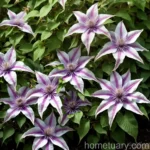
Clematis ‘Josephine’ (Early Large-Flowered Clematis): A Comprehensive Guide
Clematis ‘Josephine’, also known as Early Large-Flowered Clematis, is a stunning and popular flowering vine loved by gardeners for its large, colorful blooms and vigorous growth habit. In this comprehensive guide, we will delve into the world of Clematis ‘Josephine’, exploring its characteristics, cultivation, care, common uses, and more. Whether you’re a seasoned gardener or just beginning to explore the wonders of this beautiful plant, this guide will provide you with essential insights into cultivating and appreciating the splendor of Clematis ‘Josephine’.
What is Clematis ‘Josephine’?
Clematis ‘Josephine’ is a cultivar renowned for its remarkable early large-flowered variety, adored for its prolific blooms and graceful climbing vines. Belonging to the Ranunculaceae family, this stunning flowering plant is a deciduous vine, characterized by its showy, petal-like sepals that appear in an array of vibrant colors. The ‘Josephine’ cultivar is widely cherished for its ability to add vertical interest, elegance, and vibrant hues to gardens, making it a popular choice for trellises, arbors, and other support structures.
Key Takeaways – Clematis ‘Josephine’ (Early Large-Flowered Clematis)
Before delving into the specifics of cultivating and caring for Clematis ‘Josephine’, let’s briefly outline the key takeaways associated with this exquisite early large-flowered variety:
- Common Name: Clematis ‘Josephine’, Early Large-Flowered Clematis
- Family: Ranunculaceae
- Bloom Time: Early summer to mid-fall
- Growth Habit: Vigorous climbing vine
- Uses: Vertical gardening, trellises, arbors, containers, mixed borders
- Special Features: Large, showy blooms, early flowering, wide color range
Now that we’ve established an introductory understanding of Clematis ‘Josephine’, let’s embark on a detailed exploration of its culture, uses, care requirements, and more.
Culture
Understanding the specific cultural requirements of Clematis ‘Josephine’ is crucial to its successful growth and development. This section will comprehensively cover the plant’s preferred conditions, including water, sunlight, fertilizer, soil, and propagation techniques.
Water
Proper watering is essential to ensure the health and vitality of Clematis ‘Josephine’. While it’s important to maintain consistent soil moisture, excess water can lead to root rot, so a well-draining soil is vital. During the plant’s active growth period, regular watering is necessary, particularly during dry spells. Mulching around the base of the plant can assist in retaining moisture and regulating soil temperature.
Sunlight
Clematis ‘Josephine’ thrives in locations with ample sunlight, ideally receiving at least six hours of direct sunlight each day. However, it’s important to note that while the plant craves sunlight, its root systems should remain shaded and cool. Therefore, placing mulch or other plants around the base of the vine can help to achieve this balance.
Fertilizer
Feeding Clematis ‘Josephine’ appropriately can greatly enhance its growth and blooming potential. A balanced, slow-release fertilizer can be applied in early spring as new growth emerges. Additionally, a second application following the first wave of flowering can provide the plant with essential nutrients to support a second flush of blooms later in the season.
Soil
The soil composition plays a crucial role in the overall health and performance of Clematis ‘Josephine’. Well-draining, fertile, and slightly alkaline soils are preferred, with a pH level ranging between 6.5 and 7.0. Incorporating organic matter into the soil can significantly improve its structure and fertility, providing an optimal environment for the vine to thrive.
Pruning
Proper pruning is essential for maintaining the health, shape, and blooming capacity of Clematis ‘Josephine’. Understanding the specific pruning requirements for this variety is crucial. Pruning techniques can vary based on the plant’s blooming characteristics, with early large-flowered varieties typically falling into different pruning groups.
Clematis ‘Josephine’ is categorized as a Group 2 early large-flowered cultivar. This means that it blooms on both old and new wood, requiring specific pruning techniques to encourage prolific flowering.
- Early Spring Maintenance: In early spring, before new growth emerges, remove any dead, damaged, or weak stems. Cut back the remaining healthy stems to a pair of strong buds to promote vigorous growth and abundant flowering.
- Post-Flowering Pruning: Following the first wave of flowering, typically in early summer, a light pruning can be undertaken to remove any spent flowers and wayward growth. This can encourage the development of new buds for a second round of blooms.
Propagation
Incorporating new Clematis ‘Josephine’ plants into your garden can be accomplished through various propagation methods. The most common techniques for propagating Clematis ‘Josephine’ include:
- Layering: Propagation by layering involves encouraging a stem to produce roots while still attached to the mother plant. This can be achieved by bending a young, pliable stem to the ground, pegging it in place, and allowing it to form roots over time. Once well-rooted, the new plant can be separated and transplanted.
- Softwood Cuttings: Softwood cuttings, taken in late spring to early summer, offer an effective means of propagating Clematis ‘Josephine’. By preparing and planting cuttings from healthy, young stems, new plants can be established with relative ease.
- Division: For mature Clematis ‘Josephine’ plants, division can be employed to create new plants. This involves carefully dividing the root ball of an established plant into sections, each containing roots and shoots, and transplanting them into separate locations or containers.
Uses
Clematis ‘Josephine’ offers a myriad of uses in the garden, contributing to an array of garden settings and designs. Whether employed for vertical interest, potted displays, or mixed borders, the versatile nature of Clematis ‘Josephine’ makes it a valuable addition to any landscape. Major uses of Clematis ‘Josephine’ include:
- Vertical Gardening: Clematis ‘Josephine’ adds vertical dimension to gardens, flourishing on trellises, arbors, and pergolas. Its climbing nature allows it to reach great heights, making it an excellent choice for creating striking focal points in the garden.
- Containers: The compact climbing habit of Clematis ‘Josephine’ lends itself well to container cultivation, allowing even small garden spaces to accommodate the plant. Placing containers of Clematis ‘Josephine’ on patios, decks, or balconies offers an easy way to enjoy its captivating blooms.
- Mixed Borders: When planted among shrubs and perennials, Clematis ‘Josephine’ brings a delightful vertical element to mixed borders. Pairing it with complementary plants can create visually captivating and dynamic garden compositions.
Popularity
Clematis ‘Josephine’ has earned widespread popularity among gardeners and landscape enthusiasts for its enchanting blooms, resilient nature, and versatility. Its striking beauty, combined with relative ease of cultivation, has contributed to its status as a beloved addition to gardens worldwide. The plant’s exceptional popularity is evident in its wide availability at nurseries and garden centers, where it continues to capture the hearts of countless gardening enthusiasts.
Common Diseases
While Clematis ‘Josephine’ exhibits a robust nature, it is susceptible to certain diseases that can impact its overall health and vigor. Recognizing and addressing common diseases promptly is crucial for safeguarding the plant’s well-being. Some of the common diseases that may affect Clematis ‘Josephine’ include:
- Clematis Wilt: This fungal disease, caused by the pathogen Phoma clematidina, can lead to wilting, browning of leaves, and rapid decline. Improving air circulation around the plant, maintaining proper watering practices, and promptly removing and disposing of infected plant material can help manage this disease.
- Powdery Mildew: Powdery mildew, caused by various fungal species, can result in the development of a powdery white coating on the foliage of Clematis ‘Josephine’. Adequate spacing, ensuring good air circulation, and selecting mildew-resistant cultivars can aid in preventing and managing this disease.
Disease Diagnosis
Diagnosing diseases in Clematis ‘Josephine’ involves closely observing the plant for abnormal symptoms and changes in growth patterns. Early detection can greatly enhance the effectiveness of treatment and management strategies. When inspecting Clematis ‘Josephine’ for signs of disease, attention should be paid to the following indicators:
- Leaf Discoloration: Yellowing, browning, or unusual discoloration of the leaves can signal the presence of disease or stress.
- Foliage Abnormalities: Distorted or malformed foliage, as well as the presence of unusual growths or spots, may indicate the onset of disease.
- Wilting: Sudden wilting or drooping of the plant, especially when soil moisture is adequate, can serve as a warning sign of disease.
Promptly seeking the guidance of experienced gardeners or plant health professionals can aid in accurate disease diagnosis and the implementation of appropriate measures for management and control.
Common Pests
In addition to diseases, Clematis ‘Josephine’ may face potential threats from various pests, which can impact its growth and overall vitality. Recognizing and addressing common pests promptly is critical for safeguarding the plant’s well-being. Some of the common pests that may affect Clematis ‘Josephine’ include:
- Aphids: These small, soft-bodied insects can appear on the new growth of Clematis ‘Josephine’, feeding on plant sap and potentially causing leaf distortion and stunted growth.
- Spider Mites: Spider mites are microscopic pests that can thrive in dry conditions, often infesting the undersides of the plant’s leaves and causing stippling or discoloration.
- Slugs and Snails: These mollusks can feed on the foliage and tender young shoots of Clematis ‘Josephine’, causing visible damage and affecting the plant’s overall health.
Botanist’s Tips
As a plant scientist with a passion for Clematis ‘Josephine’, I’ve gathered valuable insights and tips to aid fellow gardeners in ensuring the health and vibrancy of this magnificent flowering vine. Based on years of research and hands-on experience, here are some essential tips for successfully cultivating Clematis ‘Josephine’:
- Support Structure: Prior to planting, ensure that a sturdy support structure, such as a trellis or arbor, is in place to accommodate the vigorous climbing habit of Clematis ‘Josephine’. Providing the plant with a stable and reliable support system is crucial for its successful growth and display of blooms.
- Root Zone Protection: Mulching around the base of the plant not only aids in retaining soil moisture but also helps to protect the root zone from excessive heat. By employing a layer of organic mulch, such as compost or shredded bark, gardeners can create an optimal environment for the development of healthy roots.
- Pruning Vigilance: Regular monitoring and timely pruning are essential for managing Clematis ‘Josephine’. By remaining attentive to the plant’s growth and promptly removing any damaged or diseased growth, gardeners can contribute to the plant’s overall health and longevity.
Fun Facts
Delving into the world of Clematis ‘Josephine’ reveals a plethora of captivating details and unique characteristics. Here are some fascinating fun facts about this early large-flowered gem to spark your interest:
- Color Diversity: Clematis ‘Josephine’ is available in a wide range of captivating colors, including shades of pink, lavender, purple, and white, offering gardeners abundant options for adding visual interest to their landscape.
- Pollinator Magnet: The nectar-rich blooms of Clematis ‘Josephine’ serve as a valuable food source for pollinators such as bees, butterflies, and hummingbirds, contributing to the biodiversity and ecological balance of the garden.
- Long Blooming Season: With its early flowering habit, Clematis ‘Josephine’ offers an extended blooming season, often gracing the garden with an abundance of blooms from early summer through mid-fall.
Now that we’ve explored the various facets of Clematis ‘Josephine’, from its cultural requirements to its uses and special characteristics, let’s turn our attention towards valuable external resources to further enhance our knowledge and appreciation of this captivating plant.
Links to External Resources
To expand your understanding of Clematis ‘Josephine’ and access additional information, resources, and inspiration, consider exploring the following external links:
- The American Clematis Society: The official website of The American Clematis Society provides valuable information on the cultivation, care, and appreciation of various Clematis varieties, including ‘Josephine’.
- Royal Horticultural Society (RHS) – Clematis Group: The RHS offers detailed guidance on the pruning and cultivation of Group 2 Clematis varieties, which includes ‘Josephine’.
- University of Maryland Extension – Clematis wilt in the Maryland garden: This resource offers valuable insights into managing and preventing the common disease known as Clematis wilt, which can impact ‘Josephine’ and other Clematis varieties.
By delving into these external resources, you can gain a comprehensive understanding of Clematis ‘Josephine’ and further elevate your gardening experience.
In conclusion, Clematis ‘Josephine’ stands as a remarkable addition to garden landscapes, captivating enthusiasts with its early large-flowered charm, climbing elegance, and vibrant blooms. By understanding its culture, uses, care requirements, and key characteristics, gardeners can foster the health and splendor of this captivating vine, adding an enchanting touch to their outdoor spaces. With the insights provided in this comprehensive guide, I hope you feel empowered to embark on an enriching journey with Clematis ‘Josephine’, embracing its beauty and resilience in your own garden sanctuary.
Keywords: Clematis Josephine, Clematis Josephine care, Josephine Clematis plant, Early Large-Flowered Clematis, Clematis Josephine variety, Growing Clematis Josephine, Clematis Josephine pruning, Tips for Clematis Josephine, How to care for Clematis Josephine, Josephine Clematis characteristics, Early flowering Clematis varieties, Features of Clematis Josephine, Clematis Josephine bloom time, Josephine Clematis planting guide, Clematis Josephine varieties, Clematis Josephine disease resistance, Clematis Josephine soil requirements, Clematis Josephine support structures, Josephine Clematis trellis, Clematis Josephine watering needs, Josephine Clematis sunlight requirements, Clematis flowers information, Large-flowered Clematis varieties, Clematis Josephine color options, How to propagate Clematis Josephine, Clematis Josephine garden design, Clematis Josephine landscaping ideas, Early blooming Clematis Josephine, Josephine Clematis growth habits, Clematis Josephine vining plants, Clematis Josephine container gardening, Josephine Clematis trailing vines, Clematis Josephine as a focal point, Clematis Josephine vertical gardening, Clematis Josephine climbing plants, Clematis Josephine pruning techniques, Josephine Clematis getaway, Clematis Josephine as ground cover, Clematis Josephine pollinator-friendly, Josephine Clematis companion plants, Clematis Josephine fragrance, Clematis Josephine maintenance tips, Josephine Clematis for border planting, Clematis Josephine in mixed beds, Clematis Josephine flowering season, Josephine Clematis in cottage gardens, Clematis Josephine in a small garden, Tips for growing large-flowered Clematis, Clematis Josephine unique features, Clematis Josephine as a cut flower