Chocolate Mint (Mentha X Piperita F. Citrata ‘chocolate’)
As plant scientists, we are constantly intrigued by the diverse and fascinating world of plants. Among the myriad of plant species, the Chocolate Mint.
Introduction
As plant scientists, we are constantly intrigued by the diverse and fascinating world of plants. Among the myriad of plant species, the Chocolate Mint, scientifically known as Mentha x Piperita F. Citrata ‘Chocolate’, stands out due to its delightful aroma and versatile uses. In this comprehensive guide, we will delve into the nuances of Chocolate Mint, exploring its culture, uses, care requirements, common diseases and pests, propagation methods, and much more. Whether you are a gardening enthusiast, a culinary aficionado, or an aspiring botanist, this guide will equip you with the essential knowledge to cultivate and appreciate the captivating Chocolate Mint plant.
What is Chocolate Mint (Mentha x Piperita F. Citrata ‘Chocolate’)?
Chocolate Mint, a delightful cultivar of the Mentha genus, is a charming perennial herb renowned for its enticing chocolate aroma and flavor. This unique variety is a hybrid of Mentha piperita and Mentha aquatica, resulting in a refreshing, aromatic herb that adds a touch of sophistication to both culinary and ornamental gardens.
Key Takeaways – Chocolate Mint (Mentha x Piperita F. Citrata ‘Chocolate’)
Before delving into the specifics of Chocolate Mint, let’s unveil the key takeaways that will guide our exploration of this distinctive plant:
- Chocolate Mint, scientifically known as Mentha x Piperita F. Citrata ‘Chocolate’, is a captivating perennial herb celebrated for its aromatic chocolate scent and flavor.
- This herb is a hybrid of Mentha piperita and Mentha aquatica, combining the best traits of both species to yield a delightful and versatile plant.
- Chocolate Mint is prized for its culinary uses, as well as its ornamental value, making it a popular choice for gardens and containers.
- As we explore the culture, uses, care requirements, and other facets of Chocolate Mint, these key takeaways will serve as foundational knowledge to appreciate the plant’s distinctive attributes.
Culture of Chocolate Mint
Understanding the optimal conditions for cultivating Chocolate Mint is crucial for ensuring its growth, health, and productivity. Let’s explore the cultural requirements for this enchanting herb, encompassing aspects such as water, sunlight, fertilizer, soil, and pruning techniques.
Water
Chocolate Mint thrives in moist soil and appreciates regular watering to maintain its vibrant growth. However, it is essential to strike a balance, ensuring that the soil is well-drained to prevent waterlogging, which can be detrimental to the plant’s health. When irrigating Chocolate Mint, it is advisable to water deeply, allowing the soil to dry slightly between watering sessions. This practice encourages the development of a robust root system while minimizing the risk of root rot.
Sunlight
In terms of sunlight exposure, Chocolate Mint flourishes in partial shade to full sun, making it a versatile addition to various garden settings. When grown in regions with intense heat, providing the plant with partial shade during the hottest part of the day can prevent stress and scorching of the leaves. On the other hand, in cooler climates, Chocolate Mint can thrive in full sun, basking in the ample light to fuel its growth and aromatic potency.
Fertilizer
Chocolate Mint appreciates a modest application of balanced fertilizer during the growing season to support its nutritional needs. A general-purpose, slow-release fertilizer with an equal balance of nitrogen, phosphorus, and potassium can be applied once a month during the growing period. Alternatively, organic fertilizers such as compost and well-decomposed manure can be incorporated into the soil to provide sustained nourishment to the plant.
Soil
The soil preferences of Chocolate Mint align with its natural habitat, thriving in rich, loamy soil that offers good drainage and moisture retention. A slightly acidic to neutral soil pH ranging from 6.0 to 7.0 is ideal for Chocolate Mint, promoting nutrient availability and overall plant health. To enhance the soil structure and moisture retention, incorporating organic matter such as compost or peat moss can prove beneficial when preparing the planting site.
Pruning
Pruning is an essential aspect of Chocolate Mint care, contributing to the plant’s vigor, shape, and aroma. Regular pruning helps prevent the plant from becoming overly leggy, encourages bushier growth, and promotes the development of fresh, aromatic foliage. When pruning Chocolate Mint, it is advisable to trim the stems and leaves regularly, ensuring that the plant maintains an attractive and compact form.
Uses of Chocolate Mint
The versatile uses of Chocolate Mint encompass both culinary and ornamental applications, elevating its value and appeal in diverse settings. Let’s explore the multifaceted utilizations of this captivating herb, ranging from culinary enhancements to its ornamental charm.
Culinary Uses
One of the primary appeals of Chocolate Mint lies in its exceptional culinary value, offering a unique and delightful addition to a wide array of dishes and beverages. The aromatic leaves of Chocolate Mint infuse a hint of chocolate flavor and fragrance, enriching culinary creations with a delightful twist. From desserts and beverages to savory dishes, this herb lends a distinctive touch to an assortment of culinary pursuits.
Some popular culinary uses of Chocolate Mint include:
- Infusing its leaves into teas, creating aromatic and flavorful blends.
- Incorporating its fresh leaves into desserts such as chocolate-based treats, ice creams, and fruit salads.
- Adding a refreshing dimension to beverages like cocktails, mocktails, and infused waters.
- Using its leaves as a garnish or flavor accent in savory dishes, transforming traditional recipes with a hint of chocolate essence.
The culinary versatility of Chocolate Mint makes it a prized addition to kitchen gardens and culinary landscapes, inspiring experimentation and creativity in the realm of gastronomy.
Ornamental Value
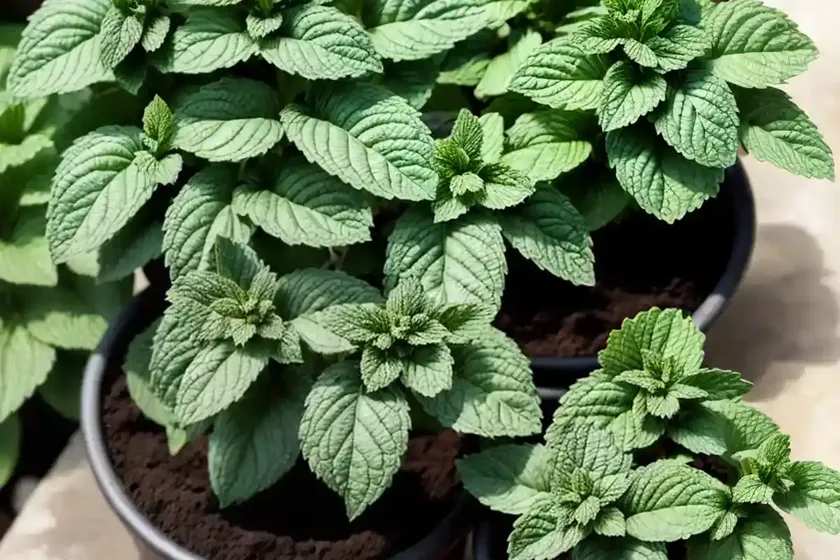
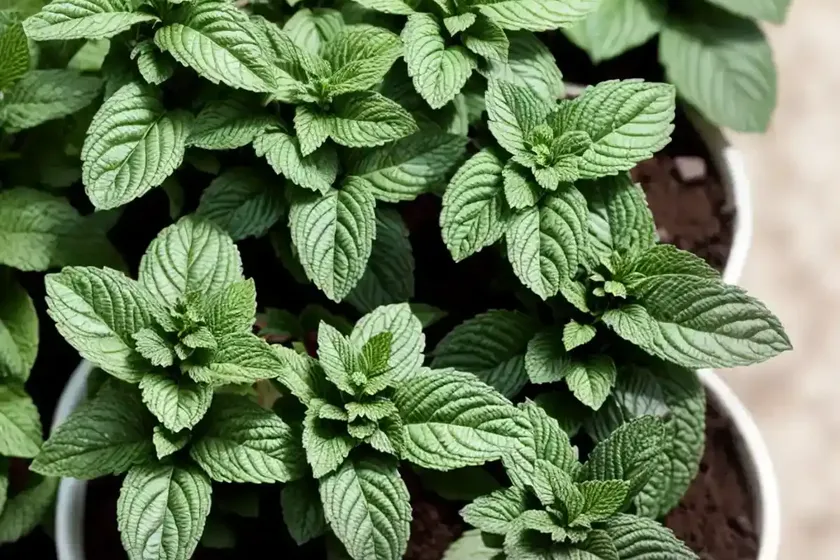
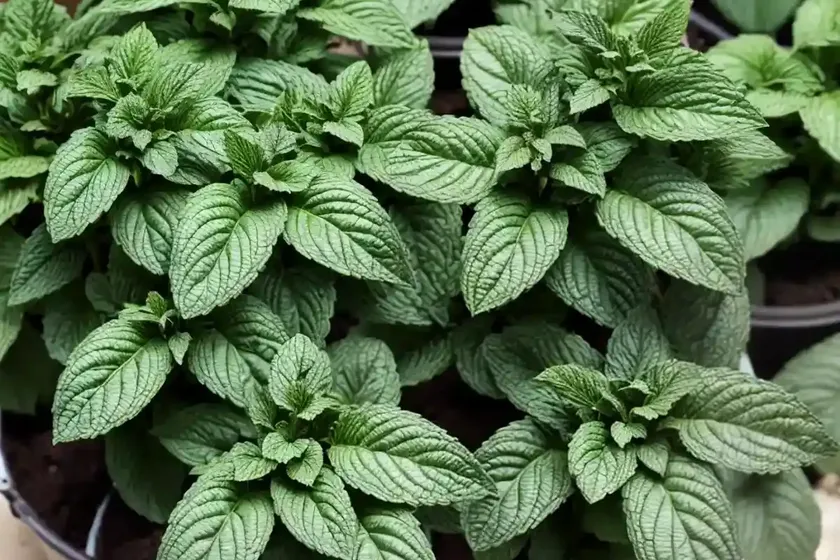
Beyond its culinary applications, Chocolate Mint contributes to ornamental landscapes with its lush foliage and captivating aroma. Whether cultivated in garden beds, borders, or containers, this herb enhances the visual appeal of the surroundings with its vibrant green leaves and enchanting fragrance. Additionally, the alluring scent of Chocolate Mint can contribute to sensory gardens, enriching the outdoor experience with its aromatic presence.
The ornamental value of Chocolate Mint extends to its potential for companion planting, where it can complement other herbs, flowers, or vegetables, adding both aesthetic and aromatic dimensions to the garden landscape. By intertwining culinary and ornamental uses, Chocolate Mint epitomizes the concept of functional beauty, combining visual charm with practical applications.
Pruning
Producing a top quality tree fruit requires regular and correctly-timed pruning. Pruning not only controls the size of the tree but also encourages the development of structure, form, and fruit production. A multi-year plan for the establishment and training of a tree and its early pruning will help ensure the success of the family orchard.
Propagation
Propagating Chocolate Mint allows plant enthusiasts to expand their collection and share the joy of growing this captivating herb with others. Mint plants, including Chocolate Mint, can be propagated through various methods such as division, cuttings, and seed sowing. Each approach offers unique advantages and considerations, empowering cultivators to select the most suitable method based on their preferences and resources.
Division
Dividing mature Chocolate Mint plants is a straightforward and effective propagation method that involves separating the plant into smaller sections, each with viable roots and shoots. This approach not only facilitates the multiplication of Chocolate Mint but also rejuvenates the parent plant by promoting fresh growth and vitality. When division is performed with care and attention to the plant’s needs, it can yield multiple healthy specimens from a single parent plant.
Cuttings
Taking stem cuttings from healthy, established Chocolate Mint plants provides an efficient means of propagating the herb, yielding genetically identical offspring. This method involves harvesting a section of the plant’s stem and encouraging it to develop roots, culminating in a new, independent plant. Through the careful selection of suitable cuttings and the implementation of conducive rooting conditions, cuttings can swiftly generate new Chocolate Mint plants, ensuring a continued supply of this captivating herb.
Seed Sowing
Growing Chocolate Mint from seeds offers an alternative approach to propagation, providing the opportunity to observe the plant’s developmental stages from germination to maturity. When sowing Chocolate Mint seeds, maintaining optimal moisture and temperature conditions promotes successful germination, initiating the growth of new seedlings. This method allows cultivators to witness the transformation of seeds into thriving plants, fostering a deeper understanding of the plant’s life cycle.
Container Popularity
Given its versatility and adaptability, Chocolate Mint is prized for its suitability for container cultivation, allowing plant enthusiasts to enjoy its charms in diverse settings. Whether integrated into culinary gardens, displayed on balconies, or showcased on patios, Chocolate Mint thrives in containers, offering an accessible and manageable way to cultivate this captivating herb.
Container Common Diseases
While container cultivation offers various benefits, it is important to be mindful of potential diseases and issues that can affect Chocolate Mint when grown in containers. Understanding the common diseases and their management can help maintain the health and vigor of Chocolate Mint, ensuring a thriving presence in container gardens.
Disease Diagnosis
The diagnosis of diseases in Chocolate Mint often revolves around careful observation of the plant’s symptoms, coupled with an understanding of common pathogens and environmental factors that contribute to disease development. Common diseases that may afflict Chocolate Mint in containers include powdery mildew, rust, and fungal rots, which can manifest as characteristic discolorations, lesions, or deformities on the plant’s foliage and stems.
Disease management
Mint rust is one of the most common diseases that affect Chocolate Mint, caused by the fungus Puccinia menthae. Infected plants exhibit orange pustules on their foliage, indicating the presence of the pathogen. To manage mint rust, it is essential to practice proper sanitation and proactive measures, such as removing and disposing of infected plant material, maintaining adequate air circulation, and employing organic fungicidal sprays when necessary.
Common Pests
In addition to diseases, Chocolate Mint in containers may also encounter pests that can compromise its health and appearance. Unwelcome visitors such as aphids, spider mites, and whiteflies can pose challenges to the well-being of Chocolate Mint, necessitating vigilant monitoring and strategic intervention to mitigate their impact.
Plant Name: “Chocolate Mint (Mentha x Piperita F. Citrata ‘Chocolate’)”
As a plant scientist, the comprehensive exploration of Chocolate Mint, encompassing its culture, uses, care requirements, propagation methods, and potential challenges, equips plant enthusiasts and gardening aficionados with the essential knowledge to cultivate and appreciate this captivating herb. By incorporating Chocolate Mint into their horticultural pursuits, individuals can savor its aromatic delights, elevate their culinary creations, and enhance their garden landscapes with a touch of sophistication and allure. As we continue to immerse ourselves in the captivating realm of plants, the exquisite Chocolate Mint stands as a testament to the diversity, versatility, and enchanting qualities of the botanical world.
Botanist’s Tips
To further enhance the care and cultivation of Chocolate Mint, here are some additional botanist’s tips to guide plant enthusiasts in their endeavors:
- Regularly harvest the leaves of Chocolate Mint to promote continuous growth and to prevent the plant from becoming overly invasive.
- When growing Chocolate Mint in containers, select spacious pots with adequate drainage to accommodate the plant’s vigorous growth and maintain optimal soil moisture.
- To enhance the aromatic potency of Chocolate Mint, consider bruising the leaves gently to release their flavorful oils, enriching culinary creations with a more pronounced chocolate essence.
- Maintain vigilance against potential pests and diseases by implementing proactive measures, such as regular inspection, cultural controls, and organic remedies, to ensure the well-being of Chocolate Mint.
Fun Facts
The world of plants never ceases to amaze us with its intriguing facets and captivating details. Here are some fun facts about Chocolate Mint to enrich our appreciation of this delightful herb:
- Chocolate Mint is a natural hybrid of Mentha piperita and Mentha aquatica, blending the aromatic traits of both parent species.
- The enticing chocolate aroma of Chocolate Mint originates from the presence of compounds such as menthol, pulegone, and carvone, contributing to its unique fragrance and flavor.
- In addition to its culinary and ornamental uses, Chocolate Mint has historical associations with medicinal applications, showcasing its diverse attributes.
Links to External Resources
To further expand your knowledge and exploration of Chocolate Mint and its captivating attributes, we recommend delving into the following external resources:
- The Spruce – Growing Chocolate Mint Plants
- University of Maryland Extension – Growing Herbs: Mint
- Royal Horticultural Society – Mentha x Piperita
- National Gardening Association – Growing Mint
- NC State Extension – Growing Mints
In closing, the captivating Chocolate Mint (Mentha x Piperita F. Citrata ‘Chocolate’) embodies the enchanting qualities of the botanical world, offering a delightful sensory experience and diverse applications to plant enthusiasts and culinary aficionados alike. By embracing its versatility, embracing and enhancing its aromatic charm, and by understanding its cultural preferences, we can nurture and appreciate the multifaceted appeal of Chocolate Mint in our horticultural pursuits. As we continue to explore the rich tapestry of plants, may the aromatic allure of Chocolate Mint serve as a testament to the captivating diversity and beauty of the botanical realm.


