Water Mint (Mentha Aquatica)
As a plant scientist and enthusiast, I am thrilled to delve into the world of Water Mint (Mentha Aquatica). This versatile plant has piqued the interest of.
As a plant scientist and enthusiast, I am thrilled to delve into the world of Water Mint (Mentha Aquatica). This versatile plant has piqued the interest of many due to its varied uses, distinctive characteristics, and intriguing folklore. In this comprehensive guide, we will explore the cultivation, uses, care tips, and much more about Water Mint. Whether you are a gardener, herbalist, chef, or simply a plant lover, there is something fascinating about this botanical wonder for everyone.
What is Water Mint?
Water Mint, scientifically known as Mentha Aquatica, is a perennial herb belonging to the Lamiaceae family. This delightful plant is native to Europe, Asia, and parts of Africa, where it thrives in marshes, wetlands, and along stream banks. It is well-known for its invigorating fragrance, refreshing taste, and a myriad of practical and medicinal applications.
Key Takeaways – Water Mint (Mentha Aquatica)
Before we delve deeper into the details, let’s highlight some key takeaways about Water Mint:
- Scientific Name: Mentha Aquatica
- Family: Lamiaceae
- Common Names: Water Mint, Marsh Mint, Wild Mint
- Usage: Culinary, Medicinal, Aromatic
- Habitat: Wetlands, Marshes, Stream Banks
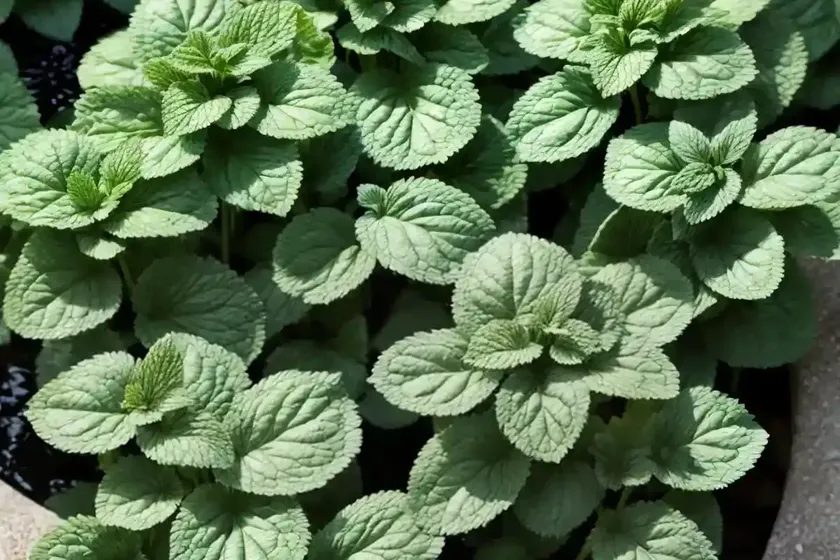
- Characteristics: Refreshing aroma, serrated leaves, purple flowers
- Propagation: Rhizomes, Cuttings, Seeds
- Cultural Requirements: Moist soil, Full to Partial Sun
- Popular Varieties: Variegated Water Mint, Aquatic Mint, Pennyroyal Mint
Now, let’s embark on a fascinating journey to explore the diverse facets of Water Mint, from its cultural requirements to its culinary and medicinal uses.
Culture
Water
Water Mint, as the name suggests, has an affinity for water. Its natural habitat in marshes, wetlands, and along streams indicates its need for consistent moisture. When cultivating Water Mint, it is essential to ensure that it receives an adequate water supply, whether through regular watering or by positioning it near bodies of water in a garden or natural setting. The soil should remain consistently moist, but not waterlogged, to support the plant’s lush growth.
Sunlight
In terms of sunlight requirements, Water Mint thrives in full to partial sun. While it can tolerate some shade, providing it with at least 4-6 hours of sunlight daily fosters robust growth and enhances its aromatic properties. In hotter regions, partial shade during the hottest part of the day can be beneficial to prevent the plant from wilting or drying out.
Fertilizer
Water Mint is not particularly demanding when it comes to fertilization. A balanced, general-purpose fertilizer applied in spring as new growth emerges can provide the necessary nutrients for healthy development. Organic options such as compost or well-rotted manure can also be beneficial and align well with the natural growth environment of Water Mint.
Soil
The ideal soil for Water Mint is one that retains moisture well while ensuring good drainage. A fertile, loamy soil with a slightly acidic to neutral pH (6.0-7.0) is conducive to its growth. If the natural soil conditions are not suitable, the addition of organic matter such as peat moss or compost can improve the soil structure and moisture retention capacity, creating a hospitable environment for Water Mint to thrive.
Pruning
Pruning Water Mint serves multiple purposes, including promoting bushier growth, maintaining its shape, and harvesting for culinary or medicinal use. Regular pinching back of the stems, especially during the growing season, encourages lateral branching and prevents the plant from becoming leggy. Additionally, removing spent flowers not only enhances the appearance of the plant but also redirects its energy towards producing new growth and essential oils.
Uses
Culinary Uses
Water Mint’s refreshing flavor and aromatic properties make it a delightful addition to a variety of culinary creations. Its leaves, whether used fresh or dried, impart a bright, minty flavor to dishes, beverages, and desserts. They can be used to flavor salads, fruit salads, sauces, cocktails, and teas, adding a cooling and invigorating element to the recipe. Water Mint is often featured in recipes for mint sauces, jellies, marinades, and garnishes, enhancing the overall sensory experience of the culinary fare.
Medicinal Uses
Water Mint has a long history of medicinal use, owing to its bioactive compounds and distinct properties. It is revered for its digestive benefits, soothing properties, and as a natural remedy for various ailments. The essential oil derived from Water Mint is used in aromatherapy and herbal preparations for its calming and invigorating effects. Additionally, infusions or tinctures made from its leaves are utilized to alleviate digestive discomfort, relieve headaches, and promote overall well-being.
Aromatic Uses
The invigorating scent of Water Mint makes it a popular choice for aromatic and sensory applications. Its fresh leaves can be used in potpourri, sachets, and herbal blends to impart a pleasant fragrance to living spaces and promote a sense of refreshment. The extraction of its essential oil, with its characteristic minty aroma, is utilized in perfumery, bath and body products, and therapeutic treatments for its uplifting and revitalizing properties.
Propagation
Rhizomes
Water Mint can be propagated through division using its rhizomes. These underground stems or roots can be carefully divided into sections, each containing viable buds or roots, and planted in suitable growing conditions. This method of propagation allows for the rapid establishment of new plants and is particularly effective in expanding existing Water Mint patches or creating new ones.
Cuttings
Propagation via stem cuttings is a reliable method to propagate Water Mint. Selecting healthy, non-flowering stems and rooting them in water or directly in the soil results in the development of new plants. This approach facilitates the preservation of specific cultivars and the production of genetically identical offspring, ensuring desirable traits and flavors are maintained.
Seeds
While Water Mint can be grown from seeds, this method is less commonly utilized due to the variability in seed viability and the potential for cross-pollination. However, for those interested in exploring the genetic diversity of Water Mint or developing new varieties, seed propagation can be an intriguing and rewarding endeavor.
Container Popularity
Water Mint’s adaptability to container cultivation has made it an appealing choice for gardeners with limited space or those seeking to control its potentially vigorous growth. The use of sizeable, moisture-retentive containers allows individuals to enjoy the beauty and utility of Water Mint without fear of it spreading uncontrollably in the garden.
Container Common Diseases
While Water Mint generally thrives in the controlled environment of a container, it is not immune to certain diseases that can impact its health and growth. Root rot, caused by overwatering or poor drainage, is a common concern in container-grown Water Mint. Additionally, pests such as aphids and spider mites can infest plants, especially when they are grown in protected environments. Vigilance and proactive management are essential for maintaining the health and vitality of containerized Water Mint.
Disease Diagnosis
Diagnosing and addressing diseases in container-grown Water Mint involves careful observation of the plant’s overall health, including the appearance of its leaves, stems, and roots. Symptoms such as wilting, yellowing foliage, or stunted growth can indicate potential issues that require attention. By promptly identifying and addressing diseases, the impact on the plant’s growth and productivity can be minimized, ensuring a thriving container garden.
Common Pests
Despite being cultivated in containers, Water Mint is susceptible to pest infestations that can compromise its vigor and aesthetic appeal. Aphids, spider mites, and caterpillars are among the common pests that may target Water Mint, particularly in sheltered environments. Monitoring for early signs of infestation and employing integrated pest management strategies can aid in effectively managing pest pressures and preserving the health of containerized Water Mint.
Botanist’s Tips
As a plant scientist with a passion for Water Mint, I offer the following tips to fellow enthusiasts and cultivators:
- Moisture Management: Pay close attention to the moisture levels of the soil, ensuring it remains consistently moist without becoming waterlogged to support the lush growth of Water Mint.
- Harvesting Practices: When harvesting Water Mint, employ gentle and selective pruning methods to encourage new growth and maintain the overall health of the plant.
- Pest Surveillance: Regularly monitor both outdoor and container-grown Water Mint for signs of pest activity, intervening promptly to prevent widespread damage and optimize plant health.
Fun Facts
Uncover some captivating tidbits and intriguing facts about Water Mint:
- The soothing aroma of Water Mint has been historically associated with cleansing rituals and spiritual practices, where it was burned as incense to purify spaces and promote clarity of thought.
- Water Mint has been used in the preparation of traditional herbal remedies and tisanes to ease respiratory congestion and soothe digestive discomfort, showcasing its diverse range of medicinal applications.
- In folklore, Water Mint has been linked to tales of vitality and renewal, often symbolizing vitality, resilience, and the blessings of water.
Links to External Resources
For further exploration and in-depth information about Water Mint, consider perusing the following resources:
- Kew Science – Mentha Aquatica
- RHS – Growing Water Mint
- Plants for a Future – Mentha Aquatica
- The Herb Society – Water Mint (Mentha Aquatica)
- Medical News Today – Health Benefits of Mint
Wrapping Up
In conclusion, Water Mint (Mentha Aquatica) stands as a captivating plant with multifaceted uses, alluring fragrances, and cultural significance. Whether as a culinary herb, a source of natural remedies, or an aromatic delight, its presence enriches gardens, kitchens, and minds alike. As we continue to appreciate and cultivate this remarkable plant, let us embrace its versatility and the rich tapestry of stories and traditions that it embodies.
Plant Name: “Water Mint (Mentha Aquatica)”
I hope you have enjoyed this comprehensive guide to Water Mint and that it has sparked your curiosity and enthusiasm for this remarkable plant. With its captivating aroma, culinary appeal, and medicinal properties, Water Mint truly is an extraordinary addition to any garden or herbal collection.
Thank you for joining me on this educational journey through the diverse world of Water Mint!
References
- Beckett, K., & Roberts, E. (2018). The New Gardening for Wildlife: A Guide for Nature Lovers. London: Bloomsbury.
- Grieves, M. (2003). A Modern Herbal: The Medicinal, Culinary, Cosmetic, and Economic Properties, Cultivation and Folk-Lore of Herbs, Grasses, Fungi, Shrubs, & Trees with All Their Modern Scientific Uses. New York: Dover Publications.
- Green, J. (2012). The Herbal Medicine-Maker’s Handbook: A Home Manual. Berkeley, Calif.: Crossing Press.
- Holmes, P. (2008). The Energetics of Western Herbs: Treatment Strategies Integrating Western and Oriental Herbal Medicine: Treatment Strategies Integrating Western and Oriental Herbal Medicine. Twin Lakes, Wis.: Lotus Press.
- Scott, R. (2014). Potted History: The Story of Plants in the Home. London: Frances Lincoln.


