Chir Pine (Pinus Roxburghii)
In the realm of forestry and botany, the Chir Pine, scientifically known as Pinus Roxburghii, holds significant importance. Not only does it harbor.

In the realm of forestry and botany, the Chir Pine, scientifically known as Pinus Roxburghii, holds significant importance. Not only does it harbor ecological significance, but it also possesses cultural and economic value. This article will delve into the intricate details of the Chir Pine, unveiling its ecological role, habitat, uses, anatomy, and much more. From its adaptations to climate change to its timber industry applications, we will explore all aspects of this remarkable plant.
What is Plant: Chir Pine (Pinus Roxburghii)?
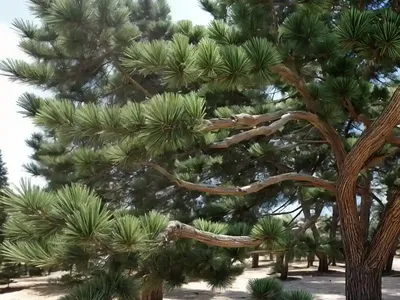
The Chir Pine, or Pinus Roxburghii, belongs to the genus Pinus and is a member of the Pinaceae family. This evergreen coniferous tree is native to the Himalayas, where it thrives in high altitudes ranging from 500 to 2,000 meters above sea level. The Chir Pine is a sizable tree, typically reaching heights between 30 and 50 meters, with a straight trunk and a conical crown. Its needle-like leaves, or “needles,” are bundled in fascicles of three, each measuring about 15-20 cm in length.
Key Takeaways – Chir Pine (Pinus Roxburghii)
- Scientific Name: Pinus Roxburghii
- Common Name: Chir Pine
- Family: Pinaceae
- Habitat: Himalayan region
- Leaf Characteristics: Needle-like leaves in bundles of three
- Climate Requirements: Thrives in high altitudes (500-2000 meters above sea level)
- Economic Value: Timber, resin, and ecological services
- Conservation Status: Faces challenges due to deforestation and habitat degradation
Now, let’s delve into the various aspects that define the Chir Pine and its significance in the ecosystem and human society.
Culture
Water
The Chir Pine typically thrives in areas with well-drained soil, though it can also adapt to a variety of soil types and moisture conditions. In its native habitat, it can endure periods of both drought and high rainfall. However, young Chir Pine saplings may require regular watering until they establish a robust root system.
Sunlight
As with many coniferous species, the Chir Pine thrives in full sunlight. To promote optimal growth and development, it’s essential to plant these trees in locations where they can receive direct sunlight for a significant portion of the day.
Fertilizer
In natural forest settings, the Chir Pine obtains its essential nutrients from the decomposition of organic matter on the forest floor. However, when cultivating Chir Pine in non-forested areas or in nurseries, a balanced fertilizer with a focus on nitrogen and phosphorus may aid in the trees’ initial establishment and growth.
Soil
While the Chir Pine is adaptable to a variety of soil types, it prefers well-drained soils that are not overly waterlogged. It can thrive in sandy, loamy, and clay soils, as long as they are not waterlogged.
Uses
The Chir Pine serves a multitude of purposes, reflecting its cultural, economic, and ecological significance. Below are some of the key uses of this remarkable tree:
-
Timber: The wood of the Chir Pine is highly valued and is used in various construction and woodworking applications. It is known for its durability and is used in the production of furniture, plywood, and construction material.
-
Resin: The Chir Pine yields resin, which has a range of applications including in the production of varnishes, adhesives, and as a raw material for various industrial products.
-
Ecological Services: As a dominant species in its habitat, the Chir Pine plays a crucial role in stabilizing soil, providing habitat for wildlife, and contributing to the overall biodiversity of the region.
-
Traditional Uses: In local communities, the Chir Pine has been traditionally used for a multitude of purposes, including as fuelwood, fodder, and for medicinal properties.
Pruning
While the Chir Pine doesn’t require frequent pruning in natural settings, it can benefit from selective pruning to remove dead or damaged branches. This can also help shape the tree for aesthetic purposes in landscape settings.
Propagation
The Chir Pine can be propagated through both seed and vegetative methods. When propagating from seed, it’s essential to use viable seeds from mature cones. Vegetative propagation techniques, such as grafting, can also be employed to produce clones of desirable Chir Pine specimens.
Container Popularity
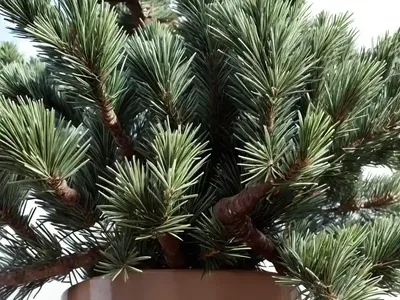
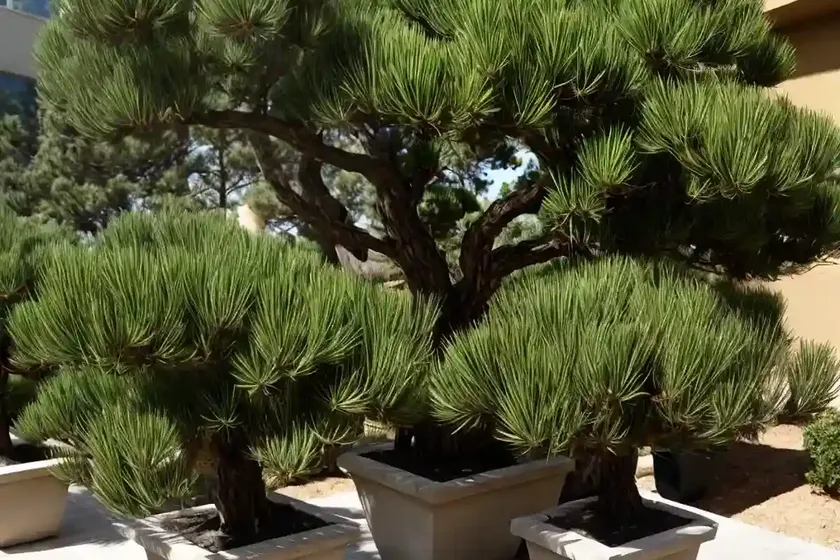
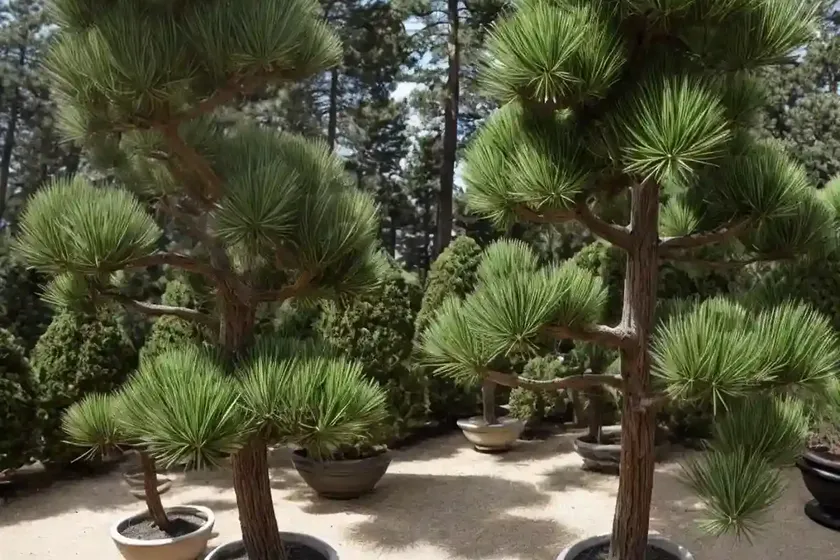
In certain regions, the Chir Pine is also grown in containers, especially as young saplings in nurseries. This allows for more controlled growing conditions and facilitates the transplanting of the trees into forest restoration projects and landscaping efforts.
Container Common Diseases
When grown in containers, Chir Pines may be susceptible to certain diseases, including root rot and fungal infections. Proper soil drainage and sanitation practices are essential to mitigate disease risks in container-grown Chir Pine saplings.
Disease Diagnosis
In natural forest settings, Chir Pines can be affected by a range of diseases, including Dothistroma needle blight and rust diseases. Regular monitoring and prompt diagnosis are crucial in managing and mitigating the impact of diseases on Chir Pine populations.
Common Pests
Chir Pines can also be vulnerable to pests such as bark beetles and processionary caterpillars. Integrated pest management strategies, including the use of pheromone traps and biological controls, are often employed to manage pest infestations in Chir Pine forests.
Botanist’s Tips
-
When cultivating Chir Pines, it’s essential to consider their natural habitat and attempt to replicate these conditions as closely as possible, especially with regard to soil type and moisture levels.
-
Careful monitoring of the trees for signs of disease or pest infestations is crucial to maintain healthy Chir Pine populations.
Fun Facts
-
The resin extracted from Chir Pines has been historically treasured and was even used in ancient mummification processes in Egypt.
-
Chir Pine forests play a vital role in providing ecosystem services, including watershed protection and soil stabilization, in the Himalayan region.
Links to External Resources
- Pinus Roxburghii Species Profile
- Chir Pine timber properties
- Chir Pine forest conservation efforts
- Chir Pine traditional uses
As we delve into the intricate details of the Chir Pine (Pinus Roxburghii), it becomes clear that this remarkable tree holds immense ecological, cultural, and economic significance. From its role in providing timber and resin to its ecological importance in the Himalayan region, the Chir Pine stands as a testament to the diverse values that plants bring to our world. As botanists and conservationists continue to study and understand the Chir Pine, one thing remains certain – this majestic tree is deeply ingrained in the fabric of its ecosystem and in the lives of those who interact with it.
In an era of environmental challenges and rapid ecological changes, the conservation and sustainable management of species like the Chir Pine become increasingly critical. By unraveling the various dimensions of its importance and understanding its ecological role, we can pave the way for informed conservation strategies and a deeper appreciation for the intricate web of life in which the Chir Pine is a fundamental component.
As we conclude our journey into the world of the Chir Pine, let us remember that the beauty and significance of plants often lie in the details – the unique adaptations, the ecological interactions, and the myriad ways in which they touch our lives.
The Chir Pine serves as a compelling example of the profound impact that a single plant species can have, and it reminds us of the intricate connections that bind together the natural world and human society. It is a reminder of the need to nurture and protect our botanical companions, for in doing so, we also nurture and protect the very foundations of life on Earth.