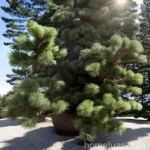
Pinus Mugo var. Pumilio (Dwarf Mountain Pine)
Introduction
Pinus mugo var. pumilio, commonly known as the Dwarf Mountain Pine, is a captivating evergreen plant that belongs to the Pinaceae family. This perennial shrub is native to the mountainous regions of Central and Southern Europe, where it thrives in harsh and rugged environments. The distinct characteristics and adaptable nature of the Dwarf Mountain Pine make it a popular choice for landscaping, container gardening, and other horticultural applications.
Pinus Mugo var. Pumilio Characteristics
- Scientific Name: Pinus mugo var. pumilio
- Common Name: Dwarf Mountain Pine
- Family: Pinaceae
- Type: Evergreen shrub
- Native Range: Central and Southern Europe
- Growth Habit: Low-growing and compact
- Foliage: Dark green needles
- Cone Appearance: Decorative and unique
Key Takeaways
Pinus Mugo var. Pumilio (Dwarf Mountain Pine)
- Characteristics: The Dwarf Mountain Pine is a low-growing evergreen shrub with dark green needles and decorative cones. It is well-adapted to mountainous environments and exhibits a compact growth habit.
- Uses: This plant is commonly used in landscaping, container gardening, and as a specimen tree. It is also suitable for erosion control and as a groundcover in various settings.
- Water: The Dwarf Mountain Pine requires regular watering, especially during the establishment phase. However, it is moderately drought-tolerant once established.
- Sunlight: It thrives in full sun to partial shade and prefers well-drained soil.
- Fertilizer: Minimal fertilizer is needed, and it should be applied sparingly to avoid excessive growth.
- Soil: Well-draining, acidic soil is ideal for the Dwarf Mountain Pine.
- Pruning: Pruning is recommended to maintain its compact shape and remove dead or damaged branches.
- Propagation: This plant can be propagated via seeds or cuttings, with proper attention to soil moisture and temperature.
- Container Popularity: The Dwarf Mountain Pine is a popular choice for container gardening due to its compact size and aesthetic appeal.
- Common Diseases: This plant may be susceptible to certain fungal diseases, and proper care and maintenance can help prevent these issues.
- Common Pests: Potential pests include aphids, pine sawflies, and scale insects. Vigilant monitoring and appropriate pest management measures can help protect the plant.
- Botanist’s Tips: Understanding the natural habitat of the Dwarf Mountain Pine and providing suitable growing conditions are essential for its successful cultivation.
- Fun Facts: The resilient nature of the Dwarf Mountain Pine allows it to thrive in challenging environments, making it a fascinating addition to various landscapes.
Culture
Uses
The Dwarf Mountain Pine, with its unique appearance and adaptable nature, serves several horticultural and environmental purposes:
– Landscaping: It is commonly used as an ornamental shrub in residential and commercial landscapes, adding texture and visual interest.
– Container Gardening: Due to its compact size, the Dwarf Mountain Pine is an excellent choice for container gardening on patios, balconies, and other outdoor spaces.
– Erosion Control: Its low-growing and spreading habit makes it effective for stabilizing soil on slopes and preventing erosion.
– Groundcover: In larger garden settings, the Dwarf Mountain Pine can be used as an attractive groundcover to create visual appeal and suppress weed growth.
– Specimen Tree: When planted as a standalone feature, this plant showcases its unique foliage and cones, creating a focal point in the landscape.
Water
Proper watering is essential for the health and vitality of Pinus mugo var. pumilio. During the initial establishment period, which typically lasts for the first year after planting, regular watering is crucial. A consistent watering schedule, ensuring that the soil remains evenly moist but not waterlogged, is recommended. Once the plant is established, it exhibits moderate tolerance to drought and can withstand periods of reduced water availability.
Sunlight
The Dwarf Mountain Pine thrives in locations with full sun to partial shade. It prefers a minimum of six hours of direct sunlight per day to maintain its vigorous growth and retain the deep green color of its needles. Partial shade can also be suitable, especially in regions with intense afternoon sun or during hot summers. When planted in areas with partial shade, the plant’s growth habit may be slightly more open, catering to its adaptability to different light conditions.
Fertilizer
Minimal fertilization is required for Pinus mugo var. pumilio, and it is essential to avoid overfeeding to prevent excessive growth. A well-balanced, slow-release fertilizer formulated for acid-loving plants can be applied in early spring before new growth emerges. The application should be followed by thorough watering to distribute the nutrients throughout the root zone. Overfertilization can lead to abnormal growth and reduce the plant’s overall resilience, so it is crucial to apply fertilizers sparingly and according to the manufacturer’s recommendations.
Soil
The Dwarf Mountain Pine thrives in well-draining soil with a slightly acidic pH. It is adaptable to various soil types, including sandy, loamy, or rocky soils, as long as they provide good drainage. Amending the soil with organic matter or peat moss can improve its texture and drainage, especially in heavy clay soils. Ensuring proper soil conditions is vital for the healthy development and longevity of Pinus mugo var. pumilio.
Pruning
Pruning Techniques
Regular pruning is beneficial for maintaining the compact and attractive form of Pinus mugo var. pumilio. When the plant is young, it is essential to establish a well-branched framework by selectively pruning to encourage branching and density. As the plant matures, periodic pruning can help remove any dead, damaged, or diseased branches, improving its overall health and appearance. Additionally, selective pruning can be performed to manage the size and shape of the plant, ensuring that it remains in proportion with its surroundings.
Pruning should be conducted during the dormant season, preferably in late winter or early spring, before new growth emerges. Using sharp and clean pruning tools, such as bypass pruners, ensures clean cuts and minimizes the risk of introducing pathogens. It is important to trim the branches just above a bud or lateral shoot to encourage new growth and maintain the plant’s natural form. Overzealous pruning, especially the removal of essential growth points, should be avoided to prevent stress and potential decline of the plant.
Propagation
Propagation Methods
Pinus mugo var. pumilio can be propagated by several methods, including seed germination and vegetative propagation through cuttings. Each method has its advantages and requires careful attention to environmental conditions and timing to achieve successful results.
Seed Propagation
- Seed Collection: Mature cones should be collected when they begin to open, usually in late summer or early fall. Place the cones in a warm, well-ventilated area to encourage them to release their seeds.
- Seed Preparation: After collecting the seeds, remove them from the cones and allow them to air-dry for a few days. Once dry, store the seeds in a cool, dry place until the following spring.
- Seed Germination: In early spring, sow the seeds in containers filled with a well-draining, acidic seed-starting mix. Maintain consistent moisture and warmth to promote germination, which usually occurs within a few weeks. Young seedlings should be monitored and provided with adequate light as they continue to grow.
Vegetative Propagation
- Cutting Selection: Choose healthy and semi-hardwood cuttings from the current season’s growth, typically in late summer to early autumn. Each cutting should consist of several inches of stem with a few sets of needles attached.
- Rooting Medium: Dip the base of the cuttings in a rooting hormone to encourage root development and then plant them in a well-draining propagation medium. Maintain high humidity and provide bottom heat to expedite the rooting process.
- Rooting Process: It may take several weeks for the cuttings to develop roots, and regular monitoring of moisture levels and environmental conditions is essential. Once roots have formed, the new plants can be transplanted into individual containers or directly into the garden.
Tip: Regardless of the propagation method chosen, providing consistent moisture and appropriate environmental conditions is crucial for the successful establishment of young Dwarf Mountain Pine plants.
Container
Container Gardening with Dwarf Mountain Pine
The compact size and visual appeal of Pinus mugo var. pumilio make it an excellent choice for container gardening. Whether placed on patios, balconies, or garden pathways, this versatile evergreen shrub adds an element of natural beauty to outdoor spaces. When selecting containers for planting Dwarf Mountain Pine, consider the following factors to ensure its successful growth and development:
- Container Size: Choose a properly-sized container that accommodates the plant’s root system while allowing room for future growth. A container with a diameter of at least 18 inches provides sufficient space for the plant to thrive.
- Drainage: Ensure that the container has adequate drainage holes at the bottom to prevent waterlogging, which can lead to root rot and other issues.
- Soil: Use a well-draining, acidic potting mix formulated for acid-loving plants. Incorporating organic matter or peat moss into the potting mix can help improve its texture and water retention capabilities.
- Placement: Position the container in a location that receives ample sunlight, as the Dwarf Mountain Pine thrives in full sun to partial shade.
- Watering: Regularly monitor the moisture levels in the container and water as needed, ensuring that the soil remains consistently moist but not waterlogged.
- Fertilization: Apply a balanced, slow-release fertilizer in early spring to provide essential nutrients for the plant’s growth and vitality.
Common Diseases
Disease Diagnosis
The resilience of Pinus mugo var. pumilio is generally a notable attribute, but certain environmental conditions can predispose it to fungal diseases. Proper care and attention to growing conditions can help prevent and mitigate potential disease issues. Some of the common diseases that may affect the Dwarf Mountain Pine include:
- Diplodia Tip Blight: This fungal disease often affects the new growth of the plant, causing dieback and browning of the needles. It is typically identified by the presence of small, black fruiting bodies on the infected needles. Pruning affected branches and promoting good air circulation can help manage this disease.
- Rust Diseases: Several species of rust fungi can impact the needles of the Dwarf Mountain Pine, leading to discoloration and reduced vigor. Choosing resistant varieties and maintaining proper irrigation and sanitation practices can aid in preventing rust diseases.
- Needle Cast: This disease is characterized by the premature shedding of needles and can lead to thinning foliage. Ensuring proper spacing between plants, promoting good air circulation, and avoiding overhead watering can help reduce the risk of needle cast.
Disease Resistance
While the Dwarf Mountain Pine exhibits a degree of resistance to certain fungal diseases, selecting healthy planting sites and providing appropriate cultural care can contribute to its overall disease resistance. Implementing good watering practices, avoiding overhead irrigation, and maintaining proper plant spacing are essential for minimizing the risk of disease development. When selecting new plants for the landscape, it is beneficial to choose disease-resistant cultivars to enhance the plant’s long-term health and vitality.
Common Pests
Pest Management
Several pests can potentially affect the health and appearance of Pinus mugo var. pumilio, but diligent monitoring and timely pest management measures can help minimize their impact. Some of the common pests to watch for include:
- Aphids: These small insects can cluster on the new growth of the plant, sucking sap from the needles and causing distortion and discoloration. Insecticidal soaps or horticultural oils can be used to control aphid populations, and natural predators, such as ladybugs, can also aid in managing infestations.
- Pine Sawflies: The larvae of sawflies can defoliate the plant when present in high numbers. Physical removal of the larvae or the application of insecticidal products specific to sawflies can help manage infestations.
- Scale Insects: Scale insects can attach themselves to the needles and stems of the plant, feeding on plant sap and causing yellowing and weakening. Applying horticultural oils or insecticidal soaps during the crawler stage is an effective method of controlling scale populations.
Pest Prevention
To minimize the risk of pest infestations, it is essential to promote overall plant health by providing suitable growing conditions and proper care. Regularly inspecting the plant for signs of pests and promptly addressing any issues can prevent pest populations from reaching damaging levels. Implementing integrated pest management (IPM) practices, which prioritize natural and cultural control methods before resorting to chemical interventions, helps maintain a balanced and healthy garden ecosystem.
Botanist’s Tips
Tips for Successful Cultivation
Understanding the natural growth habits and habitat preferences of Pinus mugo var. pumilio is fundamental to its successful cultivation. Incorporating the following tips can contribute to the plant’s overall health and longevity:
- Site Selection: Choose a planting site with well-drained soil and ample sunlight, considering the natural habitat of the plant in mountainous regions. Ensure that the site offers sufficient space for the plant to spread and develop its characteristic low-growing form.
- Watering: During the establishment phase, provide regular watering to promote root establishment and growth. Once established, allow the soil to dry slightly between watering sessions to encourage the development of a robust and resilient root system.
- Fertilization: Avoid excessive fertilization, as the Dwarf Mountain Pine thrives in nutrient-poor soils. Applying a balanced fertilizer sparingly and according to the plant’s specific needs can enhance its growth and vitality.
- Pruning: Regularly prune the plant to maintain its compact form, remove dead or damaged branches, and encourage healthy growth. Pruning should be conducted using clean and sharp tools during the appropriate season.
- Pest Management: Monitor the plant for signs of pests and diseases, addressing any issues promptly through natural and cultural control methods. Minimizing stress and promoting overall plant health are key elements of successful pest management.
Fun Facts
Fascinating Aspects of Pinus Mugo var. Pumilio
- The resilience of Pinus mugo var. pumilio allows it to thrive in challenging environments, including the harsh conditions of mountainous regions in Europe, showcasing its remarkable adaptability.
- The appealing appearance of the Dwarf Mountain Pine, with its dark green needles and decorative cones, makes it a captivating addition to various landscapes and garden settings.
- Its compact size and versatile uses, such as in container gardening, erosion control, and as a specimen tree, contribute to the widespread appreciation of the plant among gardening enthusiasts and landscape designers.
Links to External Resources
Additional Information
For further exploration of Pinus mugo var. pumilio and related topics, consider the following external resources:
- Royal Horticultural Society – Pinus mugo (mountain pine)
- Missouri Botanical Garden – Pinus mugo
- North Carolina State University Extension – Diseases of Pines in Nurseries and Landscapes
Cultivation Tips
Explore horticultural guidelines and best practices for cultivating Pinus mugo var. pumilio:
- Gardening Know How – Mountain Pine Plant Care: Tips On Growing Mugo Pine
- The Spruce – Tips for Growing Dwarf Pines
Conclusion
The captivating allure of Pinus mugo var. pumilio, or the Dwarf Mountain Pine, lies in its unique characteristics, adaptable nature, and versatile uses. Whether incorporated into landscapes, container gardens, or erosion control projects, this resilient evergreen plant adds an element of natural beauty and interest. By understanding its specific cultivation requirements and providing suitable growing conditions, gardening enthusiasts and landscape designers can fully appreciate the charm and functionality of the Dwarf Mountain Pine in various settings. As an enduring symbol of strength and adaptability, the Dwarf Mountain Pine continues to captivate and inspire those who encounter its distinctive presence in the natural world.
a href=’#1′>Back to Keyword list
1. Pinus mugo var. pumilio characteristics
2. Dwarf Mountain Pine growth habits
3. Pinus mugo pumilio care tips
4. Varieties of Pinus mugo
5. Pinus mugo var. pumilio size
6. How to cultivate Pinus mugo pumilio
7. Dwarf Mountain Pine species overview
8. Pinus mugo var. pumilio appearance
9. Pinus mugo var. pumilio landscape uses
10. Tips for landscaping with Dwarf Mountain Pine
11. Pinus mugo var. pumilio maintenance requirements
12. Pinus mugo var. pumilio planting guide
13. Pinus mugo pumilio disease resistance
14. Understanding the growth cycle of Pinus mugo var. pumilio
15. Pinus mugo pumilio pruning techniques
16. Pinus mugo var. pumilio in container gardening
17. Propagation methods for Dwarf Mountain Pine
18. Pinus mugo pumilio sunlight requirements
19. Pinus mugo var. pumilio soil preferences
20. Pinus mugo pumilio drought tolerance
21. Pinus mugo var. pumilio in rock gardens
22. Attracting wildlife with Pinus mugo pumilio
23. Pinus mugo var. pumilio as a bonsai plant
24. Pinus mugo pumilio in alpine gardens
25. Pinus mugo var. pumilio unique features
26. Pinus mugo pumilio companion plants
27. Pinus mugo var. pumilio for erosion control
28. Pinus mugo pumilio medicinal properties
29. Pinus mugo var. pumilio winter care
30. Pinus mugo pumilio in urban environments
31. Pinus mugo var. pumilio as a specimen tree
32. Pinus mugo pumilio wildlife habitat benefits
33. Pinus mugo var. pumilio for windbreaks
34. Pinus mugo pumilio as a groundcover
35. Pinus mugo var. pumilio native range
36. [