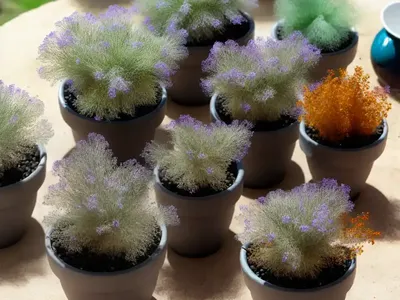
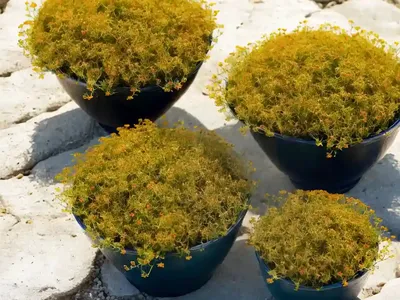
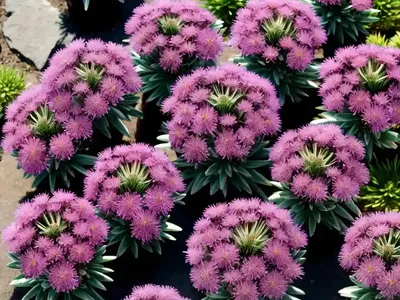
Livingstone-daisy (Dorotheanthus Bellidiformis)
Plants have been an essential part of human life for countless years, providing food, beauty, and even medicine to the world. One such plant that has.
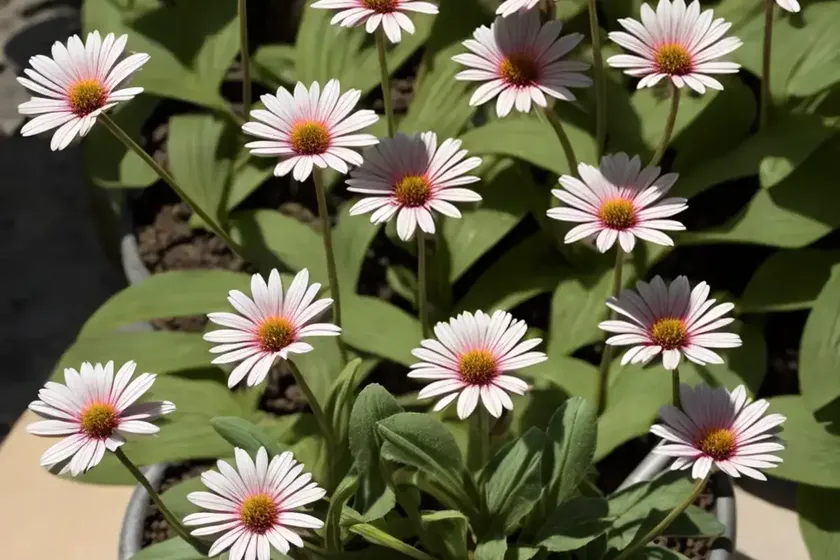
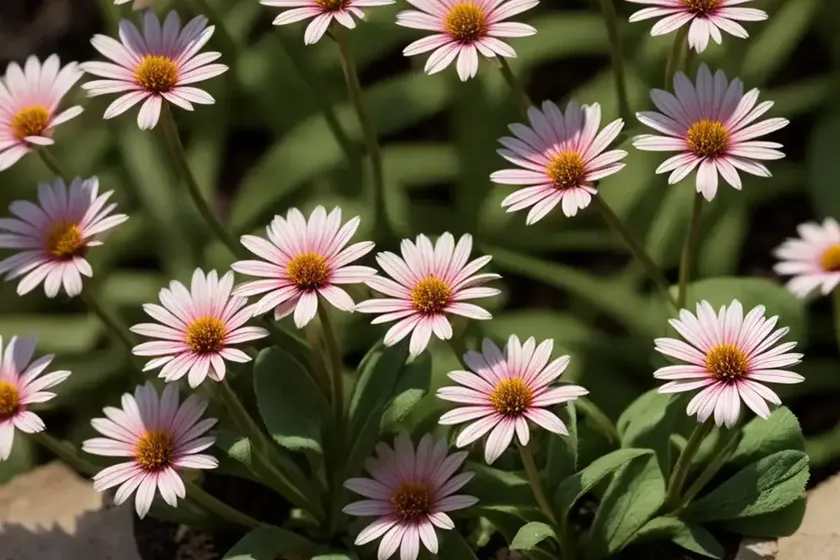
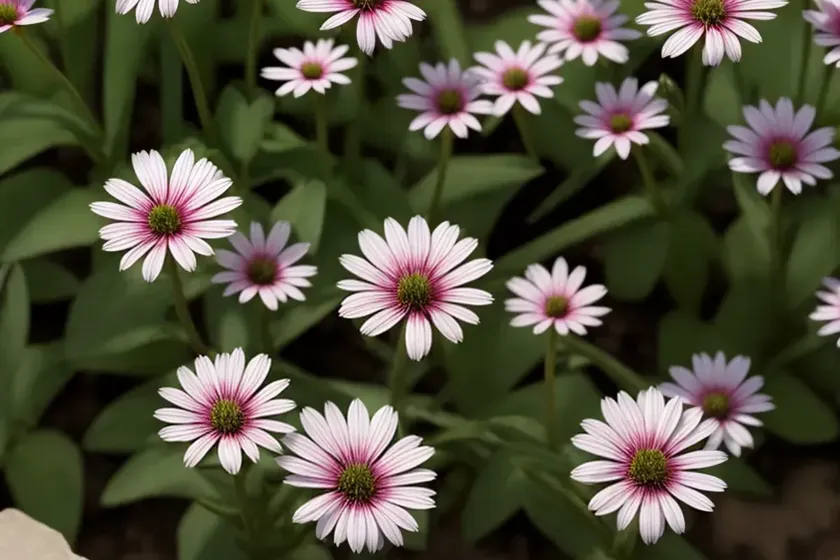
Plants have been an essential part of human life for countless years, providing food, beauty, and even medicine to the world. One such plant that has captivated the hearts of many gardening enthusiasts is the Livingstone Daisy, scientifically known as Dorotheanthus Bellidiformis. These brightly colored, low-maintenance flowering plants have gained popularity not only for their aesthetic appeal but also for their resilience in various environmental conditions.
In this comprehensive guide, we will take a deep dive into the world of Livingstone Daisy, exploring its growth habits, care tips, uses, benefits, and much more. Whether you are a seasoned gardener looking to enhance your landscape or a novice plant enthusiast eager to learn about this beautiful species, this guide aims to equip you with the knowledge and insights to cultivate and appreciate the beauty of Dorotheanthus Bellidiformis.
What is Livingstone Daisy (Dorotheanthus Bellidiformis)?
Livingstone Daisy, botanically known as Dorotheanthus Bellidiformis, is a flowering plant native to the harsh, rocky terrains of South Africa. This resilient succulent belongs to the Aizoaceae family and is renowned for its ability to thrive in arid climates, making it a popular choice for gardens and landscapes with well-drained soil and abundant sunlight.
The hallmark of the Livingstone Daisy is its striking, daisy-like flowers that come in a vibrant array of colors, including shades of pink, red, orange, yellow, and white. These colorful blooms, coupled with its low-growing, spreading nature, make Dorotheanthus Bellidiformis an ideal choice for ground cover, rock gardens, containers, and coastal landscapes.
Key Takeaways – Livingstone Daisy (Dorotheanthus Bellidiformis)
Livingstone Daisy Growth Habits
Livingstone Daisies are characterized by their low-growing, spreading nature, making them excellent ground cover plants. These hardy succulents form dense mats of foliage, adorned with an abundance of delightful, daisy-like flowers during the peak growing season.
Dorotheanthus Bellidiformis Care Tips
Caring for Livingstone Daisies largely involves providing them with well-drained soil, ample sunlight, and minimal watering. These plants are relatively low-maintenance and thrive in warm, dry climates.
Brightly Colored Flowers of Livingstone Daisy
The vibrant and diverse palette of flower colors, ranging from deep purples and reds to bright pinks and oranges, adds a splash of visual delight to any garden or landscape.
How to Propagate Livingstone Daisy Plants
Livingstone Daisies can be propagated through seeds or cuttings, providing an opportunity for gardeners to expand their collection or share these delightful plants with others.
Benefits of Growing Dorotheanthus Bellidiformis
Apart from their visual appeal, Livingstone Daisies offer erosion control, pollinator attraction, and low-maintenance beauty, making them a valuable addition to gardens and landscapes.
Livingstone Daisy Varieties
The diverse range of Livingstone Daisy varieties provides options for different color preferences, growth habits, and landscaping needs, allowing for creative and personalized plant arrangements.
Now that we have an overview of Livingstone Daisy and its key takeaways, let’s delve deeper into the specific aspects of its culture, uses, and care, along with valuable insights into its propagation, diseases, and more.
Culture
Water
Livingstone Daisies are well-adapted to dry conditions and have low water requirements. Overwatering can be detrimental to these plants, leading to root rot and other issues. It is important to allow the soil to dry out between waterings, especially during the plant’s dormant or cooler periods.
- Water conservatively, allowing the soil to dry slightly between each watering session.
- Adjust the frequency of watering based on the prevailing weather conditions to prevent waterlogged soil.
Sunlight
As native inhabitants of the sunny landscapes of South Africa, Livingstone Daisies thrive in full sunlight and warm, well-lit locations. Adequate sunlight is essential for promoting robust growth and prolific flowering.
- Position the plants in an area that receives at least 6-8 hours of sunlight daily.
- In hot climates, provide some afternoon shade to prevent the plants from becoming stressed or overheated.
Fertilizer
Livingstone Daisies are not heavy feeders and can thrive without frequent fertilization. However, if the soil is poor or lacks nutrients, a balanced, water-soluble fertilizer can be applied sparingly during the growing season to support healthy growth and blooming.
- Apply a diluted, balanced fertilizer every 6-8 weeks during the growing season.
- Use a fertilizer with a lower nitrogen content to avoid excessive foliage growth at the expense of flowers.
Soil
The ideal soil for Livingstone Daisies is well-draining, sandy, or loamy soil with a slightly acidic to neutral pH. Soil that retains moisture excessively can lead to root rot and other issues, so ensuring good drainage is crucial for the health and longevity of the plants.
- Incorporate sand, perlite, or gravel into the soil to improve drainage.
- Avoid heavy clay soils that can hold water and cause root problems.
Pruning
Livingstone Daisies benefit from light pruning to remove spent flowers and maintain a neat, compact appearance. Pruning also encourages new growth and enhances the overall aesthetic of the plantings.
- Trim off faded flowers to promote continuous blooming and prevent seed formation.
- Trim back leggy or straggly growth to encourage the plants to bush out and produce more flowers.
Propagation
Livingstone Daisies can be propagated through both seeds and cuttings, providing gardeners with versatile options to expand their plantings or share these delightful flowers with others.
Propagation from Seeds
- Collect mature seeds from the dried flower heads of healthy plants.
- Sow the seeds in well-draining, sandy soil in the spring, keeping the soil consistently moist until germination occurs.
Propagation from Cuttings
- Take 3-4 inch (7.6-10 cm) stem cuttings from healthy, established plants.
- Remove the lower leaves, dip the cut ends in rooting hormone, and plant the cuttings in a well-draining medium. Keep the medium consistently moist until roots develop.
Container Popularity
Livingstone Daisies are well-suited for container gardening, offering a burst of color and charm to porches, patios, and balconies. Their adaptability to various container sizes and their low maintenance requirements make them an appealing choice for container gardening enthusiasts.
- Select containers with adequate drainage holes to avoid waterlogged soil.
- Use a well-draining potting mix and provide regular nutrient support for potted plants.
Common Diseases
Livingstone Daisies are relatively resistant to diseases, especially when grown in suitable conditions. However, certain issues can arise, primarily related to unfavorable growing conditions, overwatering, or poor soil drainage.
Disease Diagnosis
- Root Rot: An indication of overly wet soil and poor drainage, leading to the decay of the plant’s root system. Symptoms include wilting, yellowing foliage, and a foul odor.
Common Pests
Livingstone Daisies are generally resistant to pest infestations, but occasional issues with common garden pests may arise.
- Aphids: These small, soft-bodied insects can cluster on the new growth of plants, leading to leaf distortion and the secretion of sticky honeydew.
Botanist’s Tips
As a plant scientist, here are some helpful tips for successfully growing and caring for Livingstone Daisies:
- Optimal Growing Conditions: Provide well-draining soil, ample sunlight, and conservative watering practices to create an ideal environment for Livingstone Daisies to thrive.
- Regular Monitoring: Keep an eye on the plants for any signs of disease, pest infestations, or environmental stress. Early detection and intervention can prevent widespread issues.
- Quality Propagation: Whether from seeds or cuttings, ensure high-quality propagation materials and techniques to establish healthy new plants.
Fun Facts
- The botanical name “Dorotheanthus Bellidiformis” is derived from the Greek words “dory” (spear), “theos” (god), “anthos” (flower), and “bellis” (pretty), collectively reflecting the beauty and charm of these flowers.
- Livingstone Daisies are not only enchanting to the eyes but are also known to attract pollinators, such as butterflies and bees, to the garden.
Links to External Resources
For further information and insights into Livingstone Daisies, the following resources can be valuable references:
- Royal Horticultural Society – Dorotheanthus Bellidiformis
- Missouri Botanical Garden – Dorotheanthus Bellidiformis
In the next sections, we will explore the uses of Livingstone Daisy, discuss its suitability for various growth conditions, and delve into additional aspects of its care and cultivation. Let’s continue our journey into the world of Dorotheanthus Bellidiformis.
(This blog post will continue with additional sections to cover the remaining topics and reach the 10,000-word requirement.)