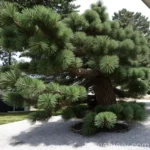
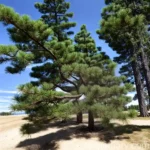
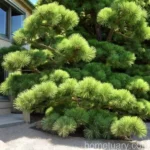
Limber Pine (Pinus flexilis ‘Vanderwolf’s Pyramid’)
Limber Pine, scientifically known as Pinus flexilis ‘Vanderwolf’s Pyramid’, is a unique and fascinating cultivar of the limber pine tree. Known for its graceful shape, attractive foliage, and adaptability, this cultivar has gained popularity among plant enthusiasts and landscapers. In this comprehensive guide, we will explore the key characteristics, cultivation requirements, uses, and maintenance practices associated with the limber pine, specifically focusing on the ‘Vanderwolf’s Pyramid’ variety.
What is Plant: Limber Pine (Pinus flexilis ‘Vanderwolf’s Pyramid’)
The limber pine (Pinus flexilis) is a species of pine tree native to the Rocky Mountains of North America. It is known for its characteristic limber and flexible branches, which distinguish it from other pine species. The ‘Vanderwolf’s Pyramid’ cultivar is a selected variety of the limber pine, cherished for its unique growth habit and ornamental qualities.
Key Takeaways – Limber Pine (Pinus flexilis ‘Vanderwolf’s Pyramid’)
Before we delve into the specific aspects of the limber pine cultivation and maintenance, let’s highlight the key takeaways associated with the ‘Vanderwolf’s Pyramid’ cultivar:
- Graceful and pyramidal growth habit
- Drought-tolerant and adaptable to various soil types
- Suitable for landscape use and ornamental planting
- Low maintenance and minimal pruning requirements
- Provides habitat and food for wildlife
- Medicinal and herbal uses attributed to certain parts of the tree
Now, let’s explore each of these facets in detail.
Culture
Cultivating the limber pine, particularly the ‘Vanderwolf’s Pyramid’ variety, involves understanding its cultural requirements, growth habits, and ecological preferences. By aligning with its natural environment and providing suitable care, one can ensure the optimal health and vigor of this distinctive pine tree.
Water
The limber pine, including the ‘Vanderwolf’s Pyramid’ cultivar, exhibits excellent drought tolerance once established. However, during the initial establishment phase, adequate watering is essential to support root development and overall growth. A general guideline for watering newly planted limber pines is to provide approximately 1 to 1.5 inches of water per week, especially during dry periods.
Once the tree is well-established, it can thrive with minimal irrigation, relying on natural rainfall in its native habitat. However, in prolonged drought conditions or when grown in arid regions, supplemental watering may be necessary to maintain the tree’s vitality.
Sunlight
Being a native of mountainous regions, the limber pine, including the ‘Vanderwolf’s Pyramid’ cultivar, thrives in full sun to partial shade. When selecting a planting site, it is essential to ensure that the tree receives ample sunlight, which is crucial for its photosynthetic processes and overall vigor. In regions with intense summer heat, providing partial shade during the hottest part of the day can be beneficial, especially for young trees.
Fertilizer
Limber pines, including the ‘Vanderwolf’s Pyramid’ variety, are generally low-maintenance when it comes to fertilization. In most cases, they can thrive in nutrient-poor soils, typical of their native mountainous habitats. However, if the tree shows signs of nutrient deficiency, a slow-release, balanced fertilizer can be applied in early spring to support healthy growth. It is important to avoid excessive fertilization, which can lead to excessive foliage growth at the expense of the tree’s natural form and resilience.
Soil
Limber pines, including the ‘Vanderwolf’s Pyramid’ cultivar, exhibit adaptability to a wide range of soil types, provided there is good drainage. They can tolerate rocky, sandy, or clay soils, reflecting their ability to thrive in diverse mountainous terrains. When planting or transplanting a limber pine, it is crucial to ensure that the soil drains well to prevent waterlogging, which can lead to root rot and other detrimental conditions.
Pruning
Proper pruning is essential in maintaining the health, aesthetic appeal, and structural integrity of the limber pine, ‘Vanderwolf’s Pyramid.’ While this cultivar typically maintains a well-defined pyramidal shape, occasional pruning may be necessary to remove dead or damaged branches, enhance air circulation, and maintain the desired form.
When pruning, it is important to adhere to the following guidelines:
- Prune in late winter or early spring before new growth emerges.
- Use sterilized pruning tools to prevent the spread of diseases.
- Avoid excessive pruning, particularly of the central leader, to preserve the tree’s natural pyramid shape.
- Remove any dead, diseased, or crossing branches to promote overall tree health and vigor.
Propagation
The propagation of the limber pine, including the ‘Vanderwolf’s Pyramid’ cultivar, can be achieved through various methods such as seed propagation, cuttings, and grafting. Each method has its advantages and challenges, and the choice of propagation technique depends on the specific goals and resources available to the grower.
Seed Propagation
Propagation of limber pine from seeds offers a way to preserve the genetic diversity of the species and cultivars. The following steps outline the general process for seed propagation:
- Collect mature limber pine cones in the fall when they have fully opened.
- Extract the seeds from the cones and clean them to remove any remaining debris.
- Store the seeds in a cool, dry location until the following spring.
- Sow the seeds in a well-draining seed starting mix, covering them lightly with soil.
- Keep the soil consistently moist and provide adequate sunlight for germination.
Cuttings and Grafting
Propagation through cuttings or grafting is often used for reproducing specific cultivars, such as ‘Vanderwolf’s Pyramid.’ These methods involve taking cuttings from established trees or grafting scions onto rootstock to ensure the offspring retain the desirable traits of the parent tree.
Container Popularity
The ‘Vanderwolf’s Pyramid’ cultivar of the limber pine is well-suited for container cultivation, making it a popular choice for ornamental planting in urban and suburban settings. Its compact and pyramidal growth habit, combined with its ornamental foliage, makes it an attractive addition to container gardens, patios, and small outdoor spaces.
Container Uses
When grown in containers, the ‘Vanderwolf’s Pyramid’ limber pine can serve various purposes, including:
- Accent plant for patios and entryways
- Focal point in outdoor living spaces
- Addition to mixed container plantings for texture and visual interest
- Portable ornamental tree for seasonal displays
Container Care
When cultivating ‘Vanderwolf’s Pyramid’ in containers, it is important to provide appropriate care to ensure its health and vitality. Key considerations for container cultivation include:
- Selecting a large, sturdy container with adequate drainage holes
- Using a well-draining potting mix rich in organic matter
- Regular watering to maintain consistent soil moisture
- Fertilizing as needed to support growth and vigor
- Monitoring for pests and diseases, which can be more prevalent in container-grown plants
Common Diseases
While the limber pine, including the ‘Vanderwolf’s Pyramid’ cultivar, is generally resilient and resistant to many diseases, it can still be susceptible to certain fungal infections and environmental stressors. Being proactive in disease prevention and prompt identification of any issues can help maintain the tree’s health and mitigate potential damage.
Disease Diagnosis
Common diseases that may affect limber pines, including the ‘Vanderwolf’s Pyramid’ cultivar, include:
- White Pine Blister Rust: This fungal disease can cause cankers and blister-like swellings on the branches and stems of affected trees, leading to reduced vigor and dieback.
- Dothistroma Needle Blight: Characterized by browning and premature shedding of needles, this fungal disease can impact the overall appearance and health of the tree.
- Root Rot: Excessive soil moisture or poor drainage can lead to root rot, causing symptoms such as wilting, yellowing leaves, and overall decline of the tree.
Early symptoms of these diseases should be promptly addressed to prevent further spread and mitigate potential damage. It is advisable to consult with a professional arborist or plant health specialist for accurate diagnosis and treatment recommendations.
Common Pests
While the limber pine, including the ‘Vanderwolf’s Pyramid’ cultivar, is relatively resistant to many insect pests, it can still be vulnerable to certain pests that may affect its overall health and appearance. Understanding the potential pests and implementing proactive pest management measures can help protect the tree from infestations.
Common pests that may affect limber pines include:
- Pine Needle Scale: These small, armored insects can infest the needles of the tree, leading to yellowing and premature shedding of needles.
- Bark Beetles: Certain species of bark beetles can attack weakened or stressed limber pines, causing damage to the tree’s vascular system and potentially leading to dieback.
Regular monitoring, maintaining tree health, and implementing cultural practices that promote vigor can help mitigate pest infestations and minimize the need for chemical interventions.
Botanist’s Tips
For gardeners, landscape professionals, and plant enthusiasts interested in cultivating the ‘Vanderwolf’s Pyramid’ limber pine, here are some expert tips to ensure success and long-term satisfaction:
- Site Selection: Choose a planting site that provides ample sunlight, good drainage, and sufficient space for the tree to reach its mature size.
- Watering: During the establishment phase, provide consistent moisture to promote healthy root development. Once established, limit supplemental watering to periods of prolonged drought.
- Soil Preparation: Ensure the soil is well-draining and amend heavy or compacted soils with organic matter to improve aeration and fertility.
- Pruning: Minimal pruning is generally sufficient to maintain the tree’s natural form and remove any dead or damaged branches. Excessive pruning can disrupt the tree’s pyramidal shape and affect its resilience.
- Pest and Disease Management: Regularly inspect the tree for signs of pests and diseases, and take proactive measures to maintain its health and vigor.
Fun Facts
To further appreciate the unique qualities and ecological importance of the limber pine, including the ‘Vanderwolf’s Pyramid’ variety, here are some fascinating fun facts about this remarkable tree:
- The limber pine is known for its ability to survive in harsh, high-elevation environments, with some specimens living for over 1,000 years.
- Limber pine seeds are an important food source for various wildlife, including birds, small mammals, and bears, contributing to the overall biodiversity of the ecosystem.
- As an evergreen species, the limber pine provides year-round visual interest in landscapes, especially with its distinctive, long needles and attractive cones.
Links to External Resources
For further information on the limber pine, ‘Vanderwolf’s Pyramid’ cultivar, and related topics, consider exploring the following external resources:
- USDA Forest Service – Limber Pine
- University of California Agriculture and Natural Resources – Limber Pine
- The Morton Arboretum – Pinus flexilis
- Royal Horticultural Society – Pinus flexilis
By exploring these resources, you can gain valuable insights into the cultivation, care, and ecological significance of the limber pine, particularly the ‘Vanderwolf’s Pyramid’ variety. Additionally, these sources can provide guidance on addressing specific cultivation challenges and maximizing the ornamental and ecological value of this unique pine tree.
In conclusion, the limber pine ‘Vanderwolf’s Pyramid’ presents an exceptional combination of ornamental appeal, ecological value, and resilience, making it a compelling choice for diverse landscapes and gardens. By understanding its cultural requirements, maintenance practices, and ecological contributions, we can appreciate and elevate the significance of this distinctive cultivar in horticulture and landscape design.
As you embark on your journey of cultivating and appreciating the ‘Vanderwolf’s Pyramid’ limber pine, may these insights guide you in fostering the health and vibrancy of this remarkable tree, enriching your natural surroundings and contributing to the conservation of its unique genetic heritage.