The Fascinating World of Dwarf Fothergilla (Fothergilla gardenii ‘Blue Mist’)
Welcome to the enchanting world of dwarf fothergilla, or Fothergilla gardenii ‘Blue Mist’, a captivating and versatile shrub that complements any landscape with its unique foliage and delightful fragrance. In this comprehensive guide, we will explore its characteristics, care requirements, uses, and much more.
What is Dwarf Fothergilla (Fothergilla gardenii ‘Blue Mist’)?
Dwarf fothergilla, scientifically known as Fothergilla gardenii ‘Blue Mist’, is a charming deciduous shrub that belongs to the witch hazel family, Hamamelidaceae. This delightful plant is native to the southeastern United States and is valued for its striking visual appeal and low-maintenance nature. The ‘Blue Mist’ variety is particularly renowned for its stunning blue-green foliage, adding a touch of elegance to any garden setting.
Key Takeaways – Dwarf Fothergilla (Fothergilla gardenii ‘Blue Mist’)
Before delving into the specifics of the dwarf fothergilla, let’s highlight the key takeaways that will guide us through our exploration of this remarkable shrub:
- Common Names: Fothergilla ‘Blue Mist’, Dwarf fothergilla, Blue Mist fothergilla, Dwarf Witch Alder, Fragrant Dwarf Fothergilla
- Scientific Name: Fothergilla gardenii ‘Blue Mist’
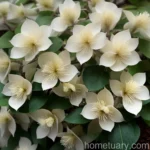
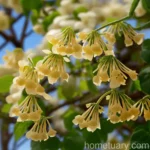
- Characteristics: Blue-green foliage, fragrant white bottlebrush-like flowers, compact growth habit
- Uses: Ornamental, erosion control, wildlife habitat, companion planting
- Water: Moderate moisture requirements; well-draining soil
- Sunlight: Full sun to partial shade
- Fertilizer: Minimal fertilizer needs; preference for organic amendments
- Soil: Acidic, organic-rich soil with good drainage
- Pruning: Light pruning to maintain shape and remove dead wood
- Propagation: Softwood cuttings, seeds
- Container: Well-suited for container gardening
- Popularity: Increasing popularity in gardens and landscapes
- Common Diseases: Minimal susceptibility to diseases
- Common Pests: Limited pest issues
- Botanist’s Tips: Select suitable companions, consider its autumn color, and appreciate its wildlife attraction
- Fun Facts: Unusual flower structure, remarkable autumn foliage color
- External Resources: Links to further reading and references
Now, let’s delve into the intricacies of caring for and appreciating the beauty of the dwarf fothergilla.
Table of Contents
1. Culture
2. Uses
3. Water
4. Sunlight
5. Fertilizer
6. Soil
7. Pruning
8. Propagation
9. Container Gardening
10. Popularity in Landscapes
11. Common Diseases
12. Pest Management
13. Botanist’s Tips
14. Fun Facts
15. Links to External Resources
Culture of Dwarf Fothergilla (Fothergilla gardenii ‘Blue Mist’)
Water
Dwarf fothergilla thrives in moderate moisture conditions, making it essential to ensure consistent soil moisture without allowing the roots to become waterlogged. Especially during periods of prolonged drought, regular watering is essential to support the shrub’s health and vigor. When establishing a new planting, frequent watering is crucial to aid in the development of a strong root system. However, it’s important to avoid overwatering, as excessive moisture can lead to root rot and other detrimental conditions.
Sunlight
In terms of sunlight requirements, dwarf fothergilla exhibits excellent adaptability and can flourish in a range of light conditions. While it prefers full sun to partial shade, it can tolerate shadier environments, making it a versatile choice for various garden settings. Optimal growth and flowering, however, are achieved when the shrub receives at least six hours of direct sunlight per day. In regions with intense heat, providing filtered shade during the hottest part of the day can help protect the plant from stress and sunburn.
Fertilizer
One of the key advantages of dwarf fothergilla is its minimal fertilizer requirements. This low-maintenance shrub generally fares well without the need for regular feeding, particularly when planted in organically rich soil. However, if necessary, applying a balanced, slow-release fertilizer in early spring can support the plant’s growth and overall health. It’s important to avoid excessive use of nitrogen-rich fertilizers, as they can stimulate excessive foliage at the expense of flowering and overall plant balance.
Soil
Dwarf fothergilla thrives in acidic, well-drained soil that is rich in organic matter. The ideal pH range for optimal growth and performance is between 5.0 and 6.5, ensuring that the shrub can efficiently access essential nutrients. When planting or transplanting, amending the soil with compost, peat moss, or well-rotted organic matter can enhance soil structure and fertility. Additionally, maintaining a layer of mulch around the base of the plant helps to conserve moisture, regulate soil temperature, and suppress weed growth, promoting a healthy growing environment for the fothergilla.
Uses of Dwarf Fothergilla (Fothergilla gardenii ‘Blue Mist’)
Ornamental
Dwarf fothergilla is primarily cultivated for its ornamental significance, adding a touch of elegance and charm to garden landscapes. Its compact growth habit, striking foliage, and delightful fragrance make it a popular choice for foundation plantings, borders, and mixed perennial beds. The ‘Blue Mist’ variety, in particular, stands out with its distinctive blue-green foliage, which creates a captivating visual statement in any setting.
Erosion Control
Due to its fibrous root system and tolerance of various conditions, dwarf fothergilla is also valued for its effectiveness in erosion control. When planted on slopes or embankments, this resilient shrub helps reduce soil erosion and stabilize the landscape. Its ability to adapt to diverse soil types and thrive under challenging conditions makes it an excellent choice for landscaping projects that aim to mitigate erosion issues.
Wildlife Habitat
Beyond its aesthetic appeal, dwarf fothergilla contributes to the ecological balance of garden environments by providing valuable habitat and food for wildlife. The fragrant white bottlebrush-like flowers attract pollinators such as bees and butterflies, while the shrub’s dense foliage and structure offer shelter for small birds and beneficial insects. By incorporating dwarf fothergilla in garden designs, homeowners can create a thriving ecosystem that supports biodiversity and ecological sustainability.
Companion Planting
In addition to its individual allure, dwarf fothergilla is well-suited for companion planting alongside other garden favorites. Its compact size and attractive foliage make it an excellent complement to a variety of perennials, flowering shrubs, and evergreens. When strategically paired with compatible plant species, it enhances the visual appeal of the landscape and fosters a harmonious garden composition that evolves throughout the seasons.
Pruning Dwarf Fothergilla (Fothergilla gardenii ‘Blue Mist’)
A key aspect of caring for dwarf fothergilla involves light pruning to maintain its desired shape and remove any dead or damaged wood. The best time to conduct pruning is immediately after the shrub has finished flowering, typically in late spring or early summer. During this period, the plant is actively growing, and pruning can be performed with minimal disruption to its natural rhythm.
When pruning, it is important to prioritize the removal of dead or diseased branches to encourage healthy new growth and prevent the spread of any potential issues. Additionally, selectively shaping the shrub can help maintain its compact form and enhance its visual appeal. It’s advisable to avoid extensive pruning, as dwarf fothergilla is best appreciated for its natural and graceful growth habit.
Propagation of Dwarf Fothergilla (Fothergilla gardenii ‘Blue Mist’)
The propagation of dwarf fothergilla can be accomplished through softwood cuttings or seeds, offering the opportunity to expand the presence of this captivating shrub in the garden. Softwood cuttings are typically collected in early summer when the growth is still tender and actively growing. These cuttings can be rooted in a suitable growing medium with high humidity to support their establishment. Alternatively, seeds from mature flowers can be collected and sown in a prepared seedbed during the fall or spring for propagation.
Container Gardening with Dwarf Fothergilla (Fothergilla gardenii ‘Blue Mist’)
Dwarf fothergilla is well-suited for container gardening, offering a versatile and visually captivating option for patio, balcony, and courtyard settings. When cultivating the shrub in containers, it is crucial to ensure adequate drainage to prevent waterlogging, as this can be detrimental to the plant’s health. Using a high-quality potting mix that offers good aeration and moisture retention supports the development of a flourishing dwarf fothergilla in a container environment.
Additionally, regular monitoring of moisture levels and proper fertilization can contribute to the shrub’s successful growth in a container. Selecting an appropriately sized container that accommodates the plant’s root system and providing a stable support structure can ensure a thriving and visually appealing presence in a container garden.
Popularity in Landscapes
Dwarf fothergilla has garnered increasing popularity in garden landscapes due to its exceptional visual appeal and adaptability. As homeowners and landscape designers seek versatile and low-maintenance options for ornamental planting, the unique attributes of dwarf fothergilla have made it a sought-after choice. Its distinctive blue-green foliage, enchanting fragrance, and seasonal changes in color and texture add layers of interest to garden compositions, making it a valuable addition to a diverse range of landscape designs.
Incorporating dwarf fothergilla in residential and commercial landscapes serves to enhance the aesthetic quality of outdoor spaces while requiring minimal maintenance. Its ability to thrive under varying light and moisture conditions, as well as its contribution to wildlife habitat and erosion control, further bolsters its appeal in modern landscape designs. Whether utilized as a striking focal point or integrated into mixed plantings, dwarf fothergilla continues to captivate gardening enthusiasts and landscape professionals alike.
Common Diseases and Disease Diagnosis
Dwarf fothergilla typically exhibits minimal susceptibility to diseases, reflecting its resilient nature and overall health. However, as with any plant, it is essential to remain vigilant and attentive to any signs of potential disease issues. The common diseases that may affect dwarf fothergilla include:
- Powdery Mildew: This fungal infection can lead to a powdery white coating on the leaves, affecting their appearance and health. Providing good air circulation and avoiding overhead watering can help prevent the development of powdery mildew.
- Leaf Spot: Leaf spot diseases, caused by various fungal pathogens, can result in the formation of unsightly spots on the foliage. Maintaining optimal growing conditions and promptly removing and disposing of affected leaves can aid in managing leaf spot.
When diagnosing and addressing potential diseases, it is important to promptly identify any issues and take appropriate measures to mitigate their impact. By regularly inspecting the shrub for any signs of disease, gardeners can intervene effectively and safeguard the health and vitality of the dwarf fothergilla.
Pest Management for Dwarf Fothergilla (Fothergilla gardenii ‘Blue Mist’)
Dwarf fothergilla experiences limited pest issues, contributing to its low-maintenance appeal and resilience in garden settings. Nonetheless, some potential pests that may occasionally impact the plant include:
- Aphids: These small, sap-sucking insects can cluster on the new growth of the shrub, affecting its overall vitality. By employing natural predators such as ladybugs and regularly monitoring the plant for signs of aphid infestation, gardeners can address this issue effectively.
- Scale Insects: Scale insects are another potential pest that can affect the health of dwarf fothergilla, particularly on the undersides of leaves and along branches. Pruning affected areas and applying horticultural oil during the dormant season can assist in managing scale infestations.
By maintaining proper cultural practices, such as providing suitable growing conditions and managing potential stress factors, gardeners can promote the resilience and natural pest resistance of dwarf fothergilla.
Botanist’s Tips for Dwarf Fothergilla (Fothergilla gardenii ‘Blue Mist’)
As a botanist, here are some valuable tips to maximize the enjoyment and success of cultivating and appreciating dwarf fothergilla:
-
Select Suitable Companions: When incorporating dwarf fothergilla in garden designs, consider its compatibility with other plants to create visually harmonious combinations. Pairing it with perennials, ornamental grasses, and flowering shrubs that thrive in similar growing conditions can yield stunning and cohesive landscape compositions.
-
Appreciate Its Autumn Color: Embrace and celebrate the striking autumn color transformation of dwarf fothergilla. The vibrant spectrum of red, orange, and yellow hues that adorn its foliage in the fall lends a captivating seasonal dimension to the garden landscape.
-
Appreciate Its Wildlife Attraction: Recognize the ecological value of dwarf fothergilla as a source of nectar and habitat for pollinators and beneficial wildlife. By fostering a diverse and vibrant ecosystem, its presence in the garden contributes to the conservation of biodiversity and ecological balance.
Fun Facts about Dwarf Fothergilla (Fothergilla gardenii ‘Blue Mist’)
- Unusual Flower Structure: The unique bottlebrush-like flowers of dwarf fothergilla emit a delightful fragrance and captivate attention with their intricate form, serving as a distinctive highlight in the garden.
- Remarkable Autumn Foliage Color: The shrub’s transition to vibrant autumn hues of red, orange, and yellow adds an enchanting seasonal spectacle to outdoor spaces, further enhancing its ornamental appeal.
Links to External Resources
For further information and resources on dwarf fothergilla (Fothergilla gardenii ‘Blue Mist’), consider exploring the following references:
- American Society for Horticultural Science – Dwarf Fothergilla: A Native Shrub with All-Season Appeal
- Missouri Botanical Garden – Fothergilla gardenii ‘Blue Mist’
- Clemson Cooperative Extension – Dwarf Fothergilla
- The Morton Arboretum – Fothergilla gardenii ‘Blue Mist’
By engaging with these reputable sources, you can gain valuable insights and guidance for cultivating, caring for, and appreciating the beauty of dwarf fothergilla in various garden and landscape settings.
In conclusion, dwarf fothergilla (Fothergilla gardenii ‘Blue Mist’) stands as a captivating and versatile addition to garden landscapes, captivating admirers with its distinctive foliage, fragrant flowers, and seasonal transitions. As you embark on your journey of integrating this delightful shrub into your outdoor spaces, may the insights shared here guide you in fostering its health and vitality, appreciating its ornamental significance, and embracing its contributions to the natural world.
Remember to savor the enchantment of each bottlebrush-like bloom, revel in the kaleidoscope of autumnal hues, and relish the beauty of this remarkable shrub – a true jewel in the tapestry of the botanical realm.
Happy gardening!
Disclaimer: This blog post serves as a comprehensive guide to understanding and caring for the introductory matter, the Dwarf Fothergilla (Fothergilla gardenii ‘Blue Mist’). The information presented is based on available research and horticultural practices.
Please note that the specific care and cultivation practices for individual plants may vary and should be adapted based on local climate, soil conditions, and horticultural recommendations.