Understanding Japanese Wisteria (Wisteria floribunda ‘Multijuga’)
As a plant scientist, I am fascinated by the diversity and beauty of plant life. Among the many enchanting botanical specimens, the Japanese wisteria (Wisteria floribunda ‘Multijuga’) holds a special place due to its stunning appearance and unique characteristics.
In this comprehensive guide, I will delve into the intricate details of the Japanese wisteria, covering everything from its cultural significance to its propagation methods. We will explore its uses, optimal growing conditions, common diseases, and much more. Whether you are a seasoned gardener or a novice plant enthusiast, I hope this guide will provide valuable insights into this captivating plant and equip you with the knowledge to cultivate and appreciate it to the fullest.
What is Japanese Wisteria (Wisteria floribunda ‘Multijuga’)?
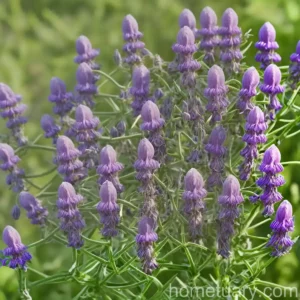
The Japanese wisteria, scientifically known as Wisteria floribunda ‘Multijuga’, is a deciduous climbing vine that belongs to the pea family, Fabaceae. Originating from Japan, this species is renowned for its abundant clusters of fragrant, pea-like flowers that adorn its vines, creating a mesmerizing spectacle during the blooming season. The ‘Multijuga’ cultivar is particularly esteemed for its exceptionally long flower clusters, which can reach up to 3 feet in length, adding to the plant’s allure.
Key Takeaways – Japanese Wisteria (Wisteria floribunda ‘Multijuga’)
- Culture
- Uses
- Water
- Sunlight
- Fertilizer
- Soil
- Pruning
- Propagation
- Container Popularity
- Container Common Diseases
- Disease Diagnosis
- Common Pests
- Botanist’s Tips
- Fun Facts
- Links to External Resources
Culture
Historical Significance
Japanese wisteria has deep cultural roots in its native land, where it is revered for its beauty and symbolism. In Japan, the vibrant blooms of wisteria are celebrated during the annual “Fuji Matsuri” or Wisteria Festival. This event attracts numerous visitors who flock to witness the breathtaking displays of wisteria in full bloom, showcasing the profound impact of this plant on Japanese culture.
Ornamental Value
Beyond its cultural significance, the Japanese wisteria has become a beloved ornamental plant in various parts of the world, admired for its graceful vines and enchanting flowers. It is often featured in gardens, parks, and arboretums, where its remarkable beauty captivates the hearts of onlookers.
Arboriculture
As a climbing vine, Japanese wisteria is frequently trained to grow on arbors, pergolas, and trellises, transforming these structures into enchanting floral displays. Its vigorous growth habit and cascading clusters of flowers make it an ideal choice for adding vertical interest and a touch of elegance to outdoor spaces.
Uses
Horticultural Utilization
The primary use of Japanese wisteria lies in its horticultural appeal. Its ornamental value makes it a sought-after addition to gardens and landscapes, where it graces the surroundings with its splendid blossoms. Whether grown as a standalone specimen or as part of a floral display, the Japanese wisteria never fails to captivate admirers.
Medicinal and Aromatic Properties
In addition to its ornamental allure, wisteria has been associated with certain medicinal uses in traditional herbal practices. However, it is important to exercise caution, as certain parts of the plant can be toxic if ingested. Furthermore, the flowers of the Japanese wisteria possess a delightful fragrance, contributing to the plant’s aromatic appeal.
Water
Watering Requirements
Japanese wisteria benefits from consistently moist but well-drained soil, especially during its active growing season. Adequate water supply is crucial for promoting healthy growth and robust blooming. However, it is essential to avoid waterlogging, as excessively wet conditions can lead to root rot and other moisture-related issues.
Drought Tolerance
While Japanese wisteria appreciates regular watering, it also exhibits a degree of drought tolerance once established. Mature plants can withstand brief periods of reduced water availability, but prolonged drought stress may adversely impact their vigor and flowering capacity.
Sunlight
Sun Exposure
Japanese wisteria thrives in full sun, where it receives a minimum of 6 hours of direct sunlight per day. Ample sunlight is essential for stimulating robust flowering and maintaining the overall health and vigor of the plant. Inadequate sunlight may result in reduced blooming and diminished growth.
Partial Shade
In regions with intense summer heat, providing partial shade during the hottest part of the day can be beneficial, particularly for young wisteria plants. This helps to prevent excessive heat stress and sunburn, ensuring optimal growth and floral development.
Fertilizer
Nutrient Requirements
To support the luxuriant growth and abundant flowering of Japanese wisteria, it is essential to provide a balanced and nourishing fertilizer regimen. A fertilizer with a higher phosphorus content can promote prolific blooming, while ensuring an adequate supply of nitrogen and potassium supports healthy foliage and overall plant vigor.
Fertilization Schedule
Applying a slow-release fertilizer in early spring, before the onset of new growth, can provide the necessary nutrients for the upcoming growing season. Additionally, a supplemental application after the first wave of flowering can further bolster the plant’s vitality and encourage potential reblooms.
Soil
Soil Composition
Japanese wisteria thrives in fertile, loamy soil that offers good drainage and aeration. It performs best in a slightly acidic to neutral pH range, which facilitates optimal nutrient uptake and root health. Heavy or compacted soils should be amended with organic matter to enhance their structure and permeability.
Moisture Retention
The soil should be capable of retaining adequate moisture without becoming waterlogged. Mulching around the base of the plant helps to conserve soil moisture, suppress weed growth, and insulate the roots, creating a conducive environment for healthy wisteria growth.
Pruning
Pruning Practices
Pruning is a crucial aspect of maintaining the health and appearance of Japanese wisteria. Proper pruning helps to manage the plant’s growth, shape its form, and encourage abundant flowering. It also aids in controlling the extent of its climbing habit, preventing it from becoming overly invasive or unwieldy.
Timing
The ideal time for pruning Japanese wisteria is during the dormant season, typically in late winter or early spring before new growth begins. This allows for the removal of old, damaged, or overcrowded growth without impeding the upcoming bloom cycle.
Propagation
Propagation Methods
Japanese wisteria can be propagated through various means, including:
– Seed Propagation: Growing wisteria from seeds is possible, but it requires patience, as the plants may not bloom for several years after germination.
– Softwood Cuttings: Taking softwood cuttings from healthy, actively growing shoots and rooting them under controlled conditions can yield new wisteria plants.
– Layering: Air layering or ground layering can be used to encourage the formation of roots on a healthy portion of the stem, producing a new plant that is genetically identical to the parent.
Vigilance Against Invasive Spread
It is essential to exercise caution when propagating Japanese wisteria, as its vigorous growth habit and potential for invasive spread can pose ecological challenges in certain regions. Responsible propagation and cultivation practices are pivotal for preventing the plant from escaping into natural habitats and outcompeting native species.
Container Popularity
Container Cultivation
Japanese wisteria can be grown in containers, allowing individuals with limited outdoor space to enjoy the beauty of this plant. Container cultivation also provides the flexibility to move the wisteria to different locations, enabling optimal sunlight exposure and aesthetic versatility.
Selection of Container
When selecting a container for wisteria, choose a spacious and sturdy option that provides ample room for root development. The container should also have drainage holes to prevent waterlogging and ensure adequate aeration of the root system.
Soil Considerations
Using a well-draining potting mix with added organic matter can create a conducive growing environment for wisteria in containers. Regular monitoring of soil moisture and watering as needed are essential for sustaining healthy growth in a containerized setting.
Container Common Diseases
Root Rot
In container-grown wisteria, root rot can pose a significant threat, especially if the soil becomes overly saturated or if the container lacks proper drainage. Preventative measures, such as using well-draining soil and providing proper irrigation, are essential for averting this issue.
Pests and Diseases
Containerized wisteria may also be susceptible to common pests and diseases that can affect plants in confined growing spaces. Regular monitoring for signs of infestations or disease symptoms is critical for early intervention and targeted management.
Disease Diagnosis
Symptoms of Common Diseases
The onset of yellowing, wilting, or malformed foliage, as well as the presence of unusual discolorations or lesions, can indicate potential disease issues in Japanese wisteria. Promptly identifying and diagnosing these symptoms is essential for implementing effective disease management strategies and safeguarding the plant’s health.
Professional Consultation
If uncertain about the nature of a particular disease or the appropriate course of action, seeking guidance from a qualified plant health specialist or horticulturist can provide valuable insights and aid in formulating a targeted treatment plan.
Common Pests
Aphid Infestations
Aphids are notorious pests that may target Japanese wisteria, feeding on the sap of tender shoots and causing distortions and stunted growth. Vigilant monitoring and the use of natural predators or insecticidal treatments can help to manage aphid populations and minimize their impact on the plant.
Caterpillar Damage
Certain caterpillar species can feed on the foliage of wisteria, leading to defoliation and aesthetic decline. Employing measures such as hand-picking caterpillars or using biological control agents can help mitigate their impact and prevent extensive damage.
Botanist’s Tips
Vigorous Support Structure
When growing Japanese wisteria, it is essential to provide a sturdy and durable support structure, such as a robust trellis or arbor, capable of withstanding the weight of the cascading vines and prolific flower clusters. This ensures the safety of the plant and enhances the visual impact of its display.
Pruning for Productivity
Regular and strategic pruning is key to maximizing the blooming potential of Japanese wisteria. By selectively removing excess growth and balancing the structure of the vines, gardeners can encourage the plant to channel its energy into producing an abundance of showy flowers.
Soil Enrichment
Amending the soil with organic matter, such as compost or well-rotted manure, can enhance the fertility and structure of the growing medium for Japanese wisteria. This supports robust growth and aids in the development of a healthy root system, contributing to the overall vitality of the plant.
Fun Facts
- Japanese wisteria can live for several decades, with some specimens exhibiting impressive longevity, adding to their timeless appeal.
- The fragrance of wisteria blooms is often likened to a delightful blend of floral and sweet notes, creating an enchanting olfactory experience.
- In addition to its ornamental use, wisteria has been associated with traditional folklore and symbolism in various cultures, adding to its mystique and allure.
Links to External Resources
For further information on Japanese wisteria and related topics, the following external resources provide valuable insights and guidance:
– Royal Horticultural Society – Wisteria floribunda ‘Multijuga’ care
– Missouri Botanical Garden – Growing Wisteria floribunda
– University of Florida IFAS Extension – Wisteria: A Plant for All Seasons and Senses
In conclusion, the Japanese wisteria (Wisteria floribunda ‘Multijuga’) stands as a botanical treasure, captivating the imagination with its long, fragrant flower clusters and graceful climbing habit. By understanding its cultural significance, optimal growing conditions, and maintenance requirements, enthusiasts can cultivate and appreciate this plant with confidence and delight. Whether adorning pergolas, trellises, or containers, the enchanting beauty and enduring charm of Japanese wisteria continue to captivate and inspire admirers worldwide.