Chinese Juniper (Juniperus chinensis ‘Blue Alps’)
The Chinese Juniper, scientifically known as Juniperus chinensis ‘Blue Alps’ is a popular evergreen shrub with a stunning blue-green foliage and a dense, spreading form. This charming plant is prized for its versatility and its ability to thrive in various environmental conditions. In this comprehensive guide, we’ll explore the cultural significance, uses, and maintenance requirements of the Chinese Juniper, as well as tips for propagation, pruning, and disease management. Whether you are a seasoned gardener or just embarking on your gardening journey, this guide will equip you with the knowledge and skills to cultivate and care for the Chinese Juniper successfully.
What is a Chinese Juniper (Juniperus chinensis ‘Blue Alps’)?
The Chinese Juniper, or Juniperus chinensis ‘Blue Alps’, belongs to the cypress family (Cupressaceae) and is native to East Asia, particularly China, Mongolia, Korea, and Japan. This resilient evergreen shrub is renowned for its adaptability and ornamental value, making it a popular choice for landscaping and garden design.
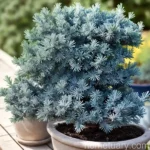
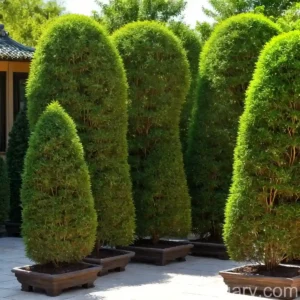
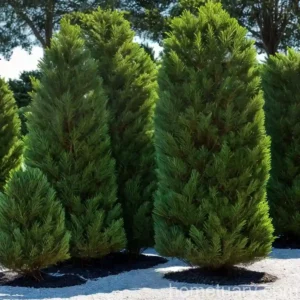
The ‘Blue Alps’ variety is distinguished by its striking blue-green foliage, which provides an attractive contrast in both formal and informal garden settings. Its dense, spreading habit and moderate growth rate make it an excellent choice for ground cover, hedges, borders, or accent plantings. Additionally, the Chinese Juniper exhibits excellent drought tolerance, making it well-suited for xeriscapes and water-wise gardens.
Key Takeaways – Chinese Juniper (Juniperus chinensis ‘Blue Alps’)
Before delving into the specific cultural requirements and maintenance practices for the Chinese Juniper, let’s summarize the key takeaways for this versatile and visually appealing shrub.
- Botanical Name: Juniperus chinensis ‘Blue Alps’
- Common Name: Chinese Juniper
- Characteristic Features: Striking blue-green foliage, dense spreading habit, evergreen
- Uses: Landscaping, ground cover, hedges, borders, containers, erosion control
- Cultural Requirements: Moderate water, full sunlight to partial shade, well-drained soil, minimal maintenance
- Maintenance Practices: Occasional pruning, minimal fertilization, disease and pest control as needed
- Propagation Methods: Seed propagation, cuttings, layering
- Popularity: Widely used in landscaping and garden design
- Disease Resistance: Generally resistant to common plant diseases
Now, let’s delve into the specific cultural requirements and maintenance practices to cultivate and care for the Chinese Juniper, ensuring its optimal growth and vitality.
Culture
Cultivating the Chinese Juniper successfully begins with understanding its specific requirements for water, sunlight, soil, and fertilization. By providing the appropriate cultural conditions, you can ensure that this striking evergreen shrub thrives and enhances the visual appeal of your garden or landscape.
Water
The Chinese Juniper is renowned for its exceptional drought tolerance, making it well-suited for regions with limited water availability and well-drained soils. When established, this resilient shrub typically requires minimal irrigation, relying on natural rainfall to meet its moisture needs. However, it is essential to provide adequate water during the establishment phase to promote healthy root development.
Watering Guidelines:
- Establishment Phase: Water deeply immediately after planting, and continue to water regularly for the first few months to support root establishment.
- Mature Plants: Once established, Chinese Junipers generally thrive in dry to moderately moist conditions. Water deeply during extended dry periods, but allow the soil to dry out between waterings.
- Avoid Overwatering: Ensure that the planting site has well-drained soil to prevent waterlogged conditions, as excessive moisture can lead to root rot and other moisture-related issues.
Sunlight
The Chinese Juniper thrives in full sunlight to partial shade, exhibiting its best growth and coloration when exposed to ample sunlight. When selecting a planting site, prioritize locations that receive abundant sunlight, especially during the morning hours, to promote vigorous growth and vibrant foliage color.
Sunlight Requirements:
- Full Sun: Plant in an area that receives at least 6-8 hours of direct sunlight per day for optimal growth and color development.
- Partial Shade: While tolerant of partial shade, ensure that the plant receives sufficient sunlight to prevent overly dense growth and maintain its characteristic blue-green foliage color.
Fertilizer
The Chinese Juniper is relatively low-maintenance when it comes to fertilization, primarily due to its adaptability and ability to thrive in nutrient-poor soils. However, providing a balanced fertilizer during the growing season can support healthy growth and enhance the overall vitality of the shrub.
Fertilization Tips:
- Timing: Apply a balanced, slow-release fertilizer in early spring before new growth emerges to provide essential nutrients for the upcoming growing season.
- Application Rates: Follow the manufacturer’s recommendations for the specific fertilizer product used, and avoid over-fertilization, which can lead to excessive, lush growth.
- Topdressing: Alternatively, incorporate a layer of organic compost or well-rotted manure around the base of the shrub in spring to replenish soil nutrients naturally.
Soil
The Chinese Juniper thrives in a wide range of soil types, provided that the soil is well-drained and offers good aeration for the root system. While adaptable to various soil pH levels, this evergreen shrub prefers neutral to slightly acidic soil conditions for optimal growth and vitality.
Soil Preferences:
- Well-Drained Soil: Plant in soil that allows excess water to drain away quickly, preventing waterlogged conditions.
- Soil pH: Chinese Junipers tolerate a broad pH range, but prefer slightly acidic to neutral soil (pH 6.0-7.0).
- Soil Amendments: Incorporate organic matter such as compost or peat moss when planting in heavy clay soils to improve drainage and enhance soil structure.
Pruning
Pruning the Chinese Juniper is an essential maintenance practice that not only controls the plant’s size and shape but also promotes healthy growth and maintains its ornamental appearance. Proper pruning techniques help to prevent overcrowding and improve air circulation within the canopy, reducing the risk of disease and pest infestations.
Pruning Guidelines:
- Timing: Conduct routine pruning in late winter to early spring before the onset of new growth. Avoid pruning in late summer or fall, as this can stimulate new growth that may not have sufficient time to harden off before winter.
- Tools: Use sharp, clean pruning shears or loppers to make precise cuts, minimizing the risk of damage to the branches.
- Pruning Objectives: Remove dead, diseased, or damaged branches, and selectively thin out the interior growth to maintain an open, airy form.
Propagation
The Chinese Juniper can be propagated through various methods, including seed propagation, cuttings, and layering. Each propagation method offers its unique advantages and challenges, allowing gardeners to select the most suitable approach based on their resources and preferences.
Propagation Techniques:
- Seed Propagation: Harvest mature cones from the shrub in autumn, extract the seeds, and sow them in seed trays or pots. Provide a cold stratification period to enhance germination rates, and transplant the seedlings into larger containers or the desired planting site once they have developed several true leaves.
- Cuttings: Collect semi-hardwood cuttings from healthy, disease-free branches in early summer. Dip the cut ends in a rooting hormone to promote root development, and plant the cuttings in a well-draining rooting medium. Maintain consistent moisture and humidity to encourage successful rooting.
- Layering: Select a low-growing, flexible branch and gently wound a small section of the underside. Apply rooting hormone to the wounded area, cover it with soil, and secure the branch in place. After a few months, the wounded section should develop roots, allowing for separation and transplantation.
Container Popularity
As an evergreen shrub with a compact and spreading growth habit, the Chinese Juniper is well-suited for container cultivation. Whether used as a standalone specimen or as part of a mixed container planting, the ‘Blue Alps’ variety adds visual interest and year-round color to outdoor spaces and patio areas.
Container Considerations:
- Container Size: Select a sufficiently large container that provides ample space for the shrub’s root system and accommodates its mature size. Ensure that the container has drainage holes to prevent waterlogging.
- Potting Mix: Use a well-draining commercial potting mix or create a customized blend using components such as perlite, compost, and peat moss.
- Watering: Check the soil moisture regularly, and water the plant when the top inch of the soil feels dry to the touch. Avoid overwatering, as excessive moisture retention in containers can lead to root rot.
Common Diseases
While the Chinese Juniper is generally resistant to most common plant diseases, it can occasionally experience issues related to fungal infections, particularly in conditions of poor air circulation and excessive moisture. Understanding the signs and symptoms of common diseases can help gardeners identify and address potential issues proactively.
Disease Diagnosis
Common Diseases:
- Tip Blight: Characterized by browning and dieback of branch tips, often caused by the fungal pathogens Phomopsis juniperovora or Kabatina juniperi.
- Needle Blight: Leads to discoloration and premature shedding of needles, caused by various fungal pathogens such as Phyllosticta juniperovora and Kabatina juniperi.
- Root Rot: Resulting from excessive soil moisture and poor drainage, leading to the decay of the root system. Phytophthora species are common causal agents of root rot in junipers.
Disease Management
Preventive Measures:
- Cultural Practices: Ensure proper spacing and pruning to improve air circulation within the canopy, reducing the risk of fungal infections.
- Irrigation: Water the shrub at the base to prevent foliage from remaining excessively wet, especially during the evening hours.
- Sanitation: Remove and dispose of any diseased plant material promptly to prevent the spread of fungal spores.
Common Pests
Being relatively low-maintenance and resistant to many common plant pests, the Chinese Juniper is seldom affected by significant pest infestations. However, certain insects may occasionally pose a threat to the shrub’s overall health and appearance.
Potential Pests:
- Juniper Scale (Carulaspis juniperi): Small, sap-feeding insects that appear as raised, waxy coverings on the branches, often causing yellowing and stunted growth.
- Spider Mites (Tetranychus urticae): Minute arachnids that feed on plant sap, leading to stippled or bronzed foliage and fine webbing on the branches.
Integrated Pest Management:
- Natural Predators: Encourage the presence of beneficial insects and predatory mites that feed on pest populations, helping to maintain a natural balance within the ecosystem.
- Horticultural Oils: Apply summer oil or horticultural oil to suffocate and control soft-bodied insect pests while minimizing the impact on non-target organisms.
Botanist’s Tips
Cultivating the Chinese Juniper successfully involves understanding its specific needs and paying attention to essential care practices. Here are some additional tips from botanists and horticultural experts to ensure the optimal growth and health of the ‘Blue Alps’ variety.
Expert Recommendations:
- Mulching: Apply a layer of organic mulch around the base of the shrub to conserve soil moisture and suppress weed growth. Keep the mulch layer several inches away from the main stem to prevent moisture-related issues.
- Winter Protection: In regions with harsh winter conditions, consider shading the shrub from the afternoon sun and protecting it from drying winter winds to minimize desiccation and winter burn.
- Companion Planting: Pair the Chinese Juniper with drought-tolerant perennials and ornamental grasses to create visually appealing and water-wise garden compositions.
- Regular Inspection: Periodically inspect the shrub for signs of pest infestations, diseases, or nutrient deficiencies, taking necessary corrective actions promptly to prevent potential issues from escalating.
Fun Facts
As we explore the enchanting world of the Chinese Juniper, let’s uncover some intriguing and lesser-known facts about this resilient and visually striking shrub.
Fascinating Tidbits:
- Symbolic Significance: In traditional Chinese culture, the Juniper tree is revered for its auspicious symbolism, symbolizing longevity, endurance, and the ability to overcome hardships.
- Medicinal Uses: Various parts of the Chinese Juniper, including the essential oil extracted from its berries, have been utilized in traditional medicine for their purported antimicrobial and aromatic properties.
- Wildlife Habitat: The dense, evergreen foliage of the Chinese Juniper provides valuable shelter and nesting sites for various bird species, contributing to the biodiversity of garden and natural landscapes.
- Landscape History: Throughout history, the Juniperus chinensis species has been celebrated for its use in classic Japanese gardens, rockeries, and traditional bonsai cultivation, showcasing its enduring appeal and cultural significance.
Links to External Resources
As you continue your journey in cultivating and caring for the Chinese Juniper, I recommend exploring the following external resources for additional insights, expert tips, and in-depth information on this captivating evergreen shrub.
-
Royal Horticultural Society – Juniperus chinensis ‘Blue Alps’
-
University of Florida IFAS Extension – Landscape Plants: Juniperus chinensis ‘Blue Alps’
-
North Carolina State University – Juniperus chinensis ‘Blue Alps’ Gallery
Conclusion
The Chinese Juniper, specifically the Juniperus chinensis ‘Blue Alps’ variety, is a captivating and resilient evergreen shrub that holds significant cultural, ornamental, and ecological value. With its stunning blue-green foliage, versatile growth habit, and minimal maintenance requirements, this charming shrub is a cherished addition to diverse garden and landscape settings.
By understanding and implementing the specific cultural requirements, maintenance practices, and propagation techniques discussed in this guide, you can cultivate and care for the Chinese Juniper with confidence, ensuring its enduring beauty and vitality in your outdoor space. Embrace the intrinsic elegance of the Chinese Juniper as it enhances your garden with its timeless allure and ornamental charm.