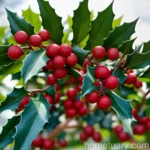
Black Sea Holly (Ilex Colchica): A Comprehensive Guide
Introduction
With its striking foliage and unique characteristics, the Black Sea Holly, scientifically known as Ilex colchica, is a fascinating plant that captivates plant enthusiasts and horticulturists alike. This guide aims to provide an in-depth understanding of this intriguing plant, covering its cultural uses, growth requirements, propagation methods, common diseases, and much more.
What is Black Sea Holly (Ilex Colchica)?
The Black Sea Holly, also referred to as Ilex colchica, is a species of holly native to the Caucasus region, particularly along the eastern coast of the Black Sea. It is a member of the Aquifoliaceae family, which includes about 480 species of flowering plants, commonly known as hollies. The Ilex colchica stands out with its dense, dark green foliage and distinct, spiny leaves, making it a unique addition to gardens and landscapes.
Key Takeaways – Black Sea Holly (Ilex Colchica)
Before delving into the specifics of the Black Sea Holly, let’s outline the key takeaways of this remarkable plant:
- Botanical Name: Ilex colchica
- Cultural Uses: Ornamental landscaping, wildlife habitat, and traditional uses
- Water Requirements: Moderate water needs, adaptable to different moisture levels
- Sunlight: Thrives in partial to full sun
- Fertilization: Minimal fertilizer requirements; thrives in nutrient-rich soil
- Soil Requirements: Well-draining, acidic to slightly alkaline soil
- Pruning: Limited pruning necessary; can be pruned to shape
- Propagation: Can be propagated from seeds or by semi-hardwood cuttings
- Container Popularity: Well-suited for container gardening
- Common Diseases: Susceptible to certain fungal diseases and root rots
- Common Pests: Occasionally affected by scale insects and spider mites
- Fun Facts: Resilient plant with medicinal uses and historical significance
Now, let’s explore each of these aspects in detail.
Culture
The Black Sea Holly has a rich cultural significance, both as an ornamental plant and in traditional uses. Its striking appearance and adaptability make it a popular choice for landscaping, while its historical and medicinal uses add to its allure.
Ornamental Landscaping
With its glossy, spiny leaves and attractive foliage, Ilex colchica is often used in ornamental landscaping to add texture and visual interest to gardens and landscapes. Whether as a standalone specimen, a hedge, or an accent plant in mixed borders, its evergreen nature and unique appearance make it a valuable addition to diverse garden designs.
Wildlife Habitat
The Black Sea Holly serves as an important plant for wildlife, providing shelter and food for various species. Its dense foliage and thorny leaves offer protection for birds, while its berries serve as a food source for wildlife, including songbirds and small mammals. Incorporating this plant into wildlife-friendly gardens can contribute to the conservation of local fauna.
Traditional Uses
In certain cultures, holly plants, including Ilex colchica, hold traditional and symbolic significance. From being used in festive decorations to embodying folklore and cultural traditions, the holly plant, including the Black Sea Holly, has been intertwined with various customs and beliefs for centuries.
Uses
The Black Sea Holly, with its unique characteristics, serves various purposes, from ornamental uses to medicinal and historical significance. Understanding its diverse uses can provide a comprehensive view of its value and relevance in different contexts.
- Ornamental Uses: Landscaping, hedges, mixed borders, and container gardening
- Wildlife Habitat: Provides shelter and food for birds and small mammals
- Folklore and Symbolism: Associated with cultural and festive traditions
- Medicinal Uses: Traditional uses in herbal medicine
- Historical Significance: Embedded in historical narratives and cultural practices
Water
Understanding the water requirements of the Black Sea Holly is crucial for ensuring its optimal growth and development. While adaptable to varying moisture levels, providing appropriate water is essential for its overall health.
Water Requirements
Ilex colchica has moderate water requirements and is adaptable to different moisture levels. To thrive, it is essential to provide consistent moisture, especially during the initial establishment period. Once established, it exhibits good drought tolerance, making it suitable for landscapes with varying watering regimes.
Watering Tips
- During the establishment phase, ensure regular watering to support root development.
- Once established, allow the soil to dry out slightly between waterings to encourage deep and robust root growth.
- Consider mulching around the plant to conserve soil moisture and regulate temperature fluctuations.
Sunlight
Proper sunlight exposure plays a pivotal role in the growth and vitality of the Black Sea Holly. Understanding its sunlight preferences is crucial for its overall well-being.
Sunlight Requirements
Ilex colchica thrives in partial to full sun, requiring at least 4-6 hours of direct sunlight daily for optimal growth. While it can tolerate partial shade, it may result in reduced flowering and berry production.
Sunlight Tips
- When planting, ensure the site receives adequate sunlight, especially during the morning hours.
- Consider the surrounding landscape and the potential for shade from nearby structures or trees.
- Regularly monitor the sunlight exposure and adjust as necessary to meet the plant’s requirements.
Fertilizer
Providing appropriate nutrition through fertilization is essential in promoting the health and vigor of the Black Sea Holly. Understanding its minimal fertilizer needs and suitable fertilizer types is crucial for its optimal growth.
Fertilization Requirements
Ilex colchica generally has minimal fertilizer requirements and can thrive in nutrient-rich soils. However, if the soil is deficient in essential nutrients, a balanced, slow-release fertilizer with a formulation tailored to acid-loving plants can be applied in spring.
Fertilization Tips
- Prior to applying any fertilizer, conduct a soil test to determine the specific nutrient needs of the soil.
- Avoid excessive fertilization, as it can lead to excessive foliage growth at the expense of berry production.
- Mulching with organic matter can contribute to the gradual release of nutrients and improve soil fertility.
Soil
The soil serves as the foundation for the growth and sustenance of the Black Sea Holly. Understanding its soil preferences and requirements is crucial for cultivating a thriving and healthy plant.
Soil Requirements
Ilex colchica thrives in well-draining, acidic to slightly alkaline soil. It is essential to ensure the soil is fertile and well-aerated to promote healthy root development and overall plant vigor. Amending the soil with organic matter can improve its structure and nutrient content.
Soil Preparation
- Conduct a soil test to assess the pH and nutrient levels of the soil and make necessary amendments based on the results.
- Prior to planting, ensure proper soil preparation by loosening the soil and incorporating organic matter to enhance its fertility and drainage.
- Monitor soil moisture levels to prevent waterlogging, which can compromise the health of the plant.
Pruning
Proper pruning practices are essential for shaping and maintaining the Black Sea Holly, ensuring its aesthetic appeal and overall health. Understanding the suitable pruning techniques and timing is crucial for achieving the desired form and promoting abundant berry production.
Pruning Techniques
Ilex colchica requires minimal pruning, mainly to maintain its shape and remove any damaged or diseased branches. Additionally, light pruning can be conducted to control its size and enhance its density. Pruning is typically performed in late winter to early spring before new growth emerges.
Pruning Tips
- Use sharp, clean pruning shears to make precise cuts and minimize the risk of introducing diseases.
- When shaping the plant, ensure to maintain its natural form and avoid excessive pruning that can impact its overall health.
- Remove any dead, diseased, or crossing branches to improve airflow and reduce the risk of disease.
Propagation
Understanding the propagation methods of the Black Sea Holly is essential for expanding the plant population and cultivating new specimens. Whether through seeds or cuttings, knowing the suitable techniques is crucial for successful propagation.
Propagation Methods
Ilex colchica can be propagated from seeds or semi-hardwood cuttings. While seeds can be collected from mature berries and sown in a prepared seedbed, semi-hardwood cuttings taken in late summer can be rooted under controlled conditions to produce new plants.
Propagation Tips
- When collecting seeds, ensure they are fully ripe and free from defects to maximize germination success.
- Select healthy, disease-free branches for taking cuttings and provide the appropriate environmental conditions to support rooting.
- Label and monitor the propagated plants closely to ensure their successful establishment.
Container Popularity
The Black Sea Holly’s adaptability and striking appearance make it well-suited for container gardening, adding texture and interest to outdoor spaces and patios. Understanding its requirements and suitable container practices is crucial for successful cultivation.
Container Requirements
When growing Ilex colchica in containers, it is essential to select a large container to accommodate its mature size and ensure proper root development. Use a well-draining potting mix formulated for acid-loving plants and provide regular watering and sunlight as per its requirements.
Container Tips
- Select a container with adequate drainage holes to prevent waterlogging, which can lead to root rot.
- Consider placing the container in a location that receives optimal sunlight, ensuring the plant’s needs are met.
- Monitor the soil moisture and adjust the watering frequency based on environmental conditions and the plant’s growth stage.
Common Diseases
Despite its resilience, the Black Sea Holly is susceptible to certain diseases that can impact its health and appearance. Understanding the common diseases and their prevention measures is crucial for maintaining a thriving plant.
Disease Prevention
- Phytophthora Root Rot: Ensure well-draining soil and avoid overwatering to prevent root rot caused by Phytophthora.
- Leaf Spot Diseases: Provide adequate air circulation and avoid overhead watering to minimize the risk of leaf spot diseases.
- Powdery Mildew: Maintain proper spacing between plants to promote airflow and reduce humidity levels, minimizing powdery mildew incidence.
Disease Diagnosis
Diagnosing and addressing diseases promptly is crucial for preventing the spread and impact on the Black Sea Holly. Familiarizing yourself with the symptoms and treatment options for common diseases is essential for effective disease management.
Diagnosis and Treatment
- Root Rot: Wilting, yellowing leaves, and poor growth may indicate root rot. Adjusting watering practices and improving soil drainage can help mitigate the condition.
- Leaf Spot Diseases: Circular, discolored spots on leaves can signal the presence of leaf spot diseases. Prune affected leaves and ensure optimal growing conditions to prevent further spread.
- Powdery Mildew: The presence of powdery, white patches on leaves and stems can indicate powdery mildew. Implement cultural practices and consider fungicidal treatments to address the issue.
Common Pests
While generally resistant to pests, the Black Sea Holly can occasionally be affected by certain insects, impacting its overall health. Understanding the common pests and suitable control measures is crucial for preventing infestations.
Common Pests
- Scale Insects: These small, sap-feeding insects can infest the foliage, leading to stunted growth and leaf discoloration.
- Spider Mites: Infestations by spider mites can cause stippling on leaves and the formation of fine webbing, impacting the plant’s vigor.
Pest Control
- Regularly inspect the foliage for signs of pest infestations and introduce natural predators, such as ladybugs, to manage populations.
- Consider the targeted application of horticultural oils or insecticidal soaps to control pest populations while minimizing environmental impact.
Botanist’s Tips
As a plant scientist, I would like to offer some additional insights and tips for cultivating and appreciating the Black Sea Holly:
- Companion Plants: Pair Ilex colchica with companion plants, such as winter-flowering bulbs, heathers, and other acid-loving species, to create visually appealing combinations.
- Wildlife Conservation: Encourage local biodiversity by incorporating the Black Sea Holly into wildlife-friendly gardens, providing essential resources for birds and small mammals.
- Natural Habitat: Consider the plant’s native range and growing conditions to create an environment that mimics its natural habitat, promoting its health and vitality.
Fun Facts
Delving into the intriguing characteristics and uses of the Black Sea Holly reveals some captivating and lesser-known facts about this remarkable plant:
- The berries of the Ilex colchica are known to be used in traditional herbal medicine for various remedies.
- The plant is historically associated with folklore and festive traditions in certain cultures, adding to its cultural significance.
- Its resilience, unique foliage, and wildlife-friendly attributes make it a valuable addition to sustainable and ecologically conscious landscapes.
Links to External Resources
For further exploration and information on the Black Sea Holly (Ilex colchica) and related topics, I recommend the following external resources:
- Royal Horticultural Society (RHS): Black Sea Holly – Ilex colchica
- University of Georgia Extension: Holly Planting, Pruning, and Care
- American Holly Society: Cultivation and Care of Holly Species
- National Gardening Association: Growing Holly
In conclusion, the Black Sea Holly, or Ilex colchica, stands as a captivating plant with diverse uses, unique characteristics, and cultural significance. From its ornamental appeal to its ecological value, this species offers a wealth of opportunities for plant enthusiasts, gardeners, and wildlife conservationists alike. By understanding its cultural uses, growth requirements, and propagation methods, we can appreciate and nurture the Black Sea Holly, contributing to sustainable and enriching landscapes.