The Fascinating World of Daylilies: Hemerocallis ‘Siloam Cherry Chimes’
Welcome to a deep dive into the captivating world of daylilies, with a specific focus on the Hemerocallis ‘Siloam Cherry Chimes’ variety. Daylilies are amongst the most beloved and widely cultivated flowering plants, known for their stunning beauty, resilience, and versatility. In this comprehensive guide, we’ll explore the cultivation, care, uses, and unique characteristics of the Hemerocallis ‘Siloam Cherry Chimes’ daylily variety.
What is a Daylily?
First and foremost, let’s unravel the essence of daylilies. The daylily, scientifically known as Hemerocallis, is a perennial flowering plant that belongs to the Hemerocallidaceae family. Native to Eurasia, including China, Korea, and Japan, daylilies have graced gardens and landscapes for centuries, enchanting enthusiasts with their vibrant blooms and relatively low maintenance requirements.
Hemerocallis ‘Siloam Cherry Chimes’
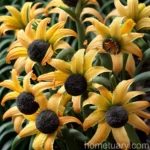
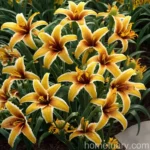
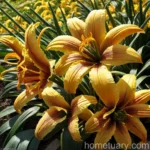
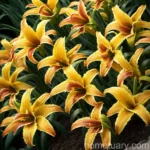
The Hemerocallis ‘Siloam Cherry Chimes’ cultivar is a particularly noteworthy variety within the daylily family. Renowned for its striking cherry-red blossoms and delightful fragrance, ‘Siloam Cherry Chimes’ has established itself as a prized addition to gardens and floral displays.
Key Takeaways – Hemerocallis ‘Siloam Cherry Chimes’ Daylily
Let’s begin by outlining some key takeaways regarding the Hemerocallis ‘Siloam Cherry Chimes’ daylily, providing a concise overview of its characteristics and cultivation requirements.
Cultivation
- Plant Type: Herbaceous perennial
- Blooming Season: Summer to early fall
- USDA Hardiness Zones: 3-9
Uses
- Garden Borders
- Mass Plantings
- Cut Flower Arrangements
Water
- Regular Watering: Especially during the growing season
- Well-Drained Soil: Preferably moist but not waterlogged
Sunlight
- Full Sun: At least 6 hours of direct sunlight daily
Fertilizer
- Balanced Fertilizer: Apply in early spring and after flowering
Soil
- Moist, Well-Draining Soil: Slightly acidic to slightly alkaline pH
Pruning
- Deadheading: Remove spent blooms to promote continuous flowering
- Trimming Foliage: Cut back foliage in late fall or early spring
Propagation
- Division: Every 3-5 years in early spring or late summer
- Seeds: Possible but may not yield consistent offspring
Container Popularity
- Suitable for Containers: Can thrive in large containers
- Versatile Display Options: Balconies, patios, and urban gardens
Common Diseases
- Rust: Fungal disease affecting foliage
- Leaf Streak: Causes elongated brown streaks on leaves
Disease Diagnosis
- Leaf Inspection: Check for discoloration, spots, or streaks
- Professional Consultation: Seek advice from local horticultural experts
Common Pests
- Aphids: Sap-sucking insects clustering on new growth
- Spider Mites: Tiny arachnids causing stippling on leaves
Botanist’s Tips
- Mulching: Use organic mulch to retain soil moisture and deter weeds
- Regular Inspection: Monitor for signs of pests and diseases
- Dividing Regularly: Maintain plant vigor through division every few years
Fun Facts
- Daylilies are edible and are used in culinary dishes in some cultures.
- The name “daylily” is derived from the flowers’ short blooming period, usually lasting for a day.
Daylily ‘Siloam Cherry Chimes’ in Detail
Now that we’ve outlined the core aspects of cultivating and caring for the Hemerocallis ‘Siloam Cherry Chimes’ daylily, let’s delve deeper into each of these factors.
Hemerocallis ‘Siloam Cherry Chimes’: A Closer Look
Named for its resemblance to the chimes of bells and the rich cherry-red hue of its blossoms, the ‘Siloam Cherry Chimes’ cultivar is cherished by gardeners and plant enthusiasts alike. With a compact yet prolific growth habit, this daylily boasts an abundance of blooms that are both visually captivating and fragrant.
Cultivation Guidelines
When considering the cultivation of the ‘Siloam Cherry Chimes’ daylily, it is crucial to harmonize with its natural tendencies and requirements. Let’s explore these aspects in further detail.
Hemerocallis ‘Siloam Cherry Chimes’ Care Guide
- Planting: Select a site with well-draining soil and ample sunlight.
- Watering: Provide consistent moisture, particularly during hot and dry spells.
- Sunlight: Ensure the plant receives at least 6 hours of direct sunlight daily.
- Fertilization: Apply a balanced fertilizer in spring and after blooming.
- Division: Divide the plant every few years to maintain vigor and flower production.
- Mulching: Mulch around the base to conserve moisture and suppress weed growth.
- Disease Prevention: Regularly inspect foliage and treat any signs of disease promptly.
- Pest Control: Monitor for aphids, spider mites, and other common pests.
Daylily Siloam Cherry Chimes Characteristics
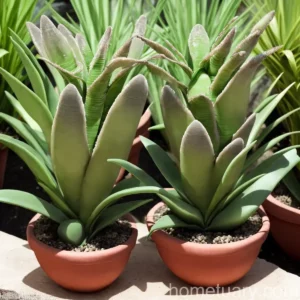
The ‘Siloam Cherry Chimes’ daylily showcases a range of characteristics that contribute to its allure and appeal in various garden settings.
Bloom
- Color: Rich cherry-red
- Fragrance: Pleasant, sweet scent
- Duration: Blooms last for a day but occur in succession
- Flower Form: Trumpet-shaped with a prominent central throat
Foliage
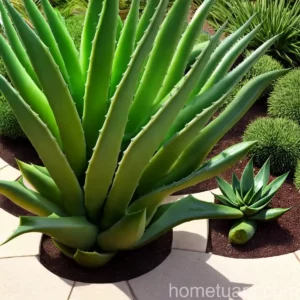
- Color: Strappy, medium green
- Texture: Semi-evergreen, slender leaves
- Height: Foliage typically reaches a height of around 18-24 inches
Landscape Design
- Borders: Adds vibrant color and texture to garden borders
- Mass Plantings: Ideal for creating swathes of bold color in landscape designs
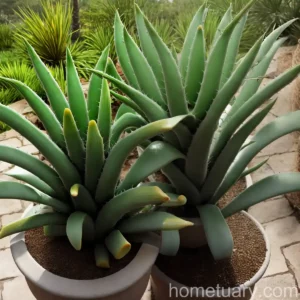
- Containers: Thrives and blooms abundantly in large containers
Seasonality
- Blooming Period: From midsummer to early fall
- Foliage Persistence: Semi-evergreen in milder climates
- Winter Hardiness: Withstands cold temperatures and snow cover
Soil Requirements and Water Needs
In understanding the specific needs of the ‘Siloam Cherry Chimes’ daylily, soil composition and water requirements play pivotal roles in ensuring optimal growth and flowering.
Soil Requirements
- Preferred pH: Slightly acidic to slightly alkaline (pH 6.0-7.5)
- Moisture Levels: Well-draining, consistently moist soil
Water Needs
- Regular Watering: Especially during periods of heat and drought
- Avoid Waterlogged Soil: Provide proper drainage to prevent root rot
Hemerocallis ‘Siloam Cherry Chimes’ Disease Resistance
Despite their resilience, daylilies such as the ‘Siloam Cherry Chimes’ variety are susceptible to certain diseases that can impact their health and appearance. Let’s explore these potential concerns and how to address them effectively.
Common Diseases
- Rust: Evidenced by orange powdery spots on foliage
- Leaf Streak: Causes brown streaks on leaves, affecting overall vigor
Disease Diagnosis
- Visual Inspection: Regularly examine leaves and stems for any signs of discoloration and abnormal patterns.
- Prompt Action: Treat any suspected diseases promptly with appropriate fungicides or remedies.
Hemerocallis ‘Siloam Cherry Chimes’ Pest Management
In addition to diseases, daylilies can fall prey to various pests that may compromise their health and vitality. Understanding these potential threats and implementing preventive measures is essential in safeguarding the ‘Siloam Cherry Chimes’ daylily.
Common Pests
- Aphids: Small, soft-bodied insects feeding on new growth
- Spider Mites: Tiny arachnids causing stippling and webbing on foliage
Pest Control Measures
- Natural Predators: Encourage beneficial insects such as ladybugs and lacewings.
- Spraying: In cases of severe infestation, use targeted insecticidal soaps or oils.
- Regular Monitoring: Inspect plants for any signs of pest activity, particularly during warm and dry periods.
Embracing the Beauty of Hemerocallis ‘Siloam Cherry Chimes’
The allure of daylilies, particularly the Hemerocallis ‘Siloam Cherry Chimes’ variety, extends far beyond their captivating blooms. They embody a harmonious blend of effortless elegance and enduring resilience, making them cherished treasures in a myriad of gardening and landscape settings.
Links to External Resources
Should you wish to further your exploration of daylilies, including the enchanting ‘Siloam Cherry Chimes’ cultivar, the following resources provide valuable insights and practical guidance:
- American Hemerocallis Society – www.daylilies.org
- Royal Horticultural Society – www.rhs.org.uk
- University of Illinois Extension – extension.illinois.edu
In conclusion, the Hemerocallis ‘Siloam Cherry Chimes’ daylily stands as a beacon of natural grace and botanical fascination, inviting both seasoned gardeners and novices to revel in its timeless beauty and unwavering charm.
From its vibrant cherry-red blossoms to its adaptability in diverse growing conditions, this esteemed daylily variety continues to captivate hearts and inspire awe, perpetuating its legacy as a beloved botanical treasure.
Whether as a striking feature in garden borders, a centerpiece in cut flower arrangements, or a radiant presence in container displays, the ‘Siloam Cherry Chimes’ daylily exemplifies the splendid union of form and function within the realm of horticulture.
It is through the continued admiration and stewardship of such botanical marvels that we uphold the rich tapestry of nature’s wonders, celebrating the enduring allure of daylilies and the perennial enchantment they bestow upon our world.