Chimonanthus praecox (Wintersweet): A Fragrant Winter Beauty
The winter season often evokes thoughts of bare trees and dormant gardens, but there are plants that defy the cold and bloom with fragrant flowers, bringing color and fragrance to the winter landscape. One such remarkable plant is Chimonanthus praecox, commonly known as Wintersweet. This captivating shrub not only adds beauty to the winter garden with its fragrant blooms but also has a rich history and a range of cultural and medicinal uses.
In this comprehensive guide, we will delve into the world of Chimonanthus praecox, exploring its characteristics, cultivation, uses, and much more. Whether you are a seasoned gardener or a newbie looking to add winter interest to your garden, this guide will equip you with the knowledge and understanding needed to nurture and appreciate this exceptional winter-blooming plant.
What is Chimonanthus praecox (Wintersweet)?
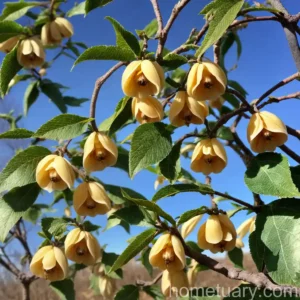
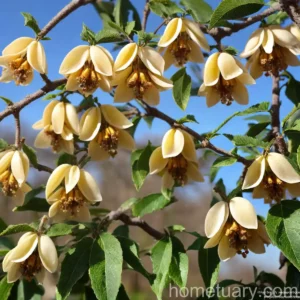
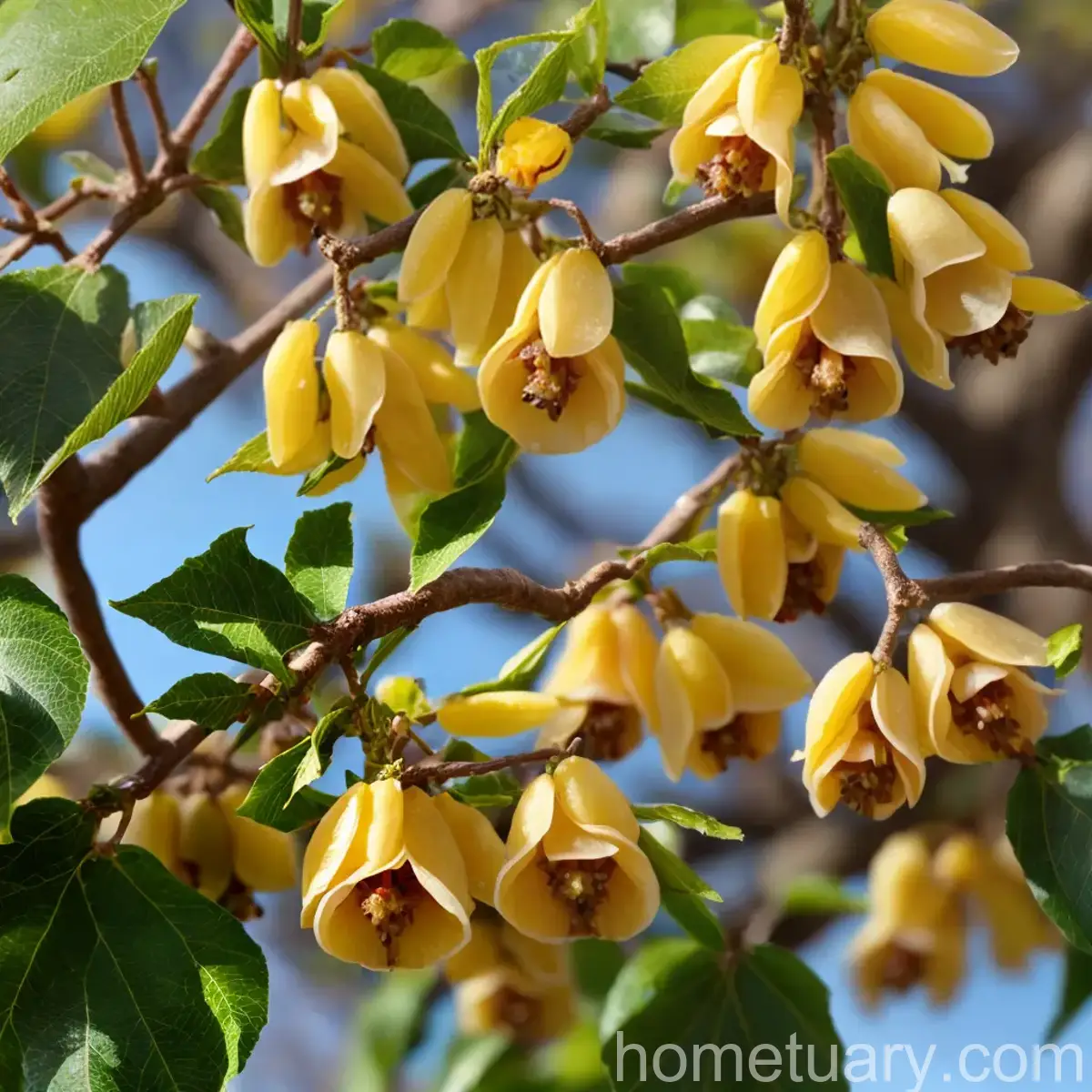
Chimonanthus praecox, commonly known as Wintersweet, is a deciduous shrub belonging to the family Calycanthaceae. Originating from China, this plant is celebrated for its ability to produce exquisitely fragrant, waxy flowers in the depths of winter, making it a valuable addition to gardens in temperate regions.
The genus name “Chimonanthus” is derived from the Greek words “cheimon,” meaning winter, and “anthos,” meaning flower, which aptly describes the plant’s flowering habit. The species name “praecox” is Latin for “early,” alluding to the early-blooming nature of this species. Wintersweet is renowned for its rich fragrance, which intensifies as the winter sun warms its blooms, creating a truly sensory experience in the garden.
Key Takeaways: Chimonanthus praecox (Wintersweet)
Before we delve into the cultivation and care of Wintersweet, let’s explore some key takeaways about this remarkable plant:
- Winter-Blooming Beauty: Chimonanthus praecox is prized for its ability to produce fragrant flowers during the winter months, defying the typical dormancy of the season.
- Fragrant Flowers: The flowers of Wintersweet emit a highly fragrant scent, which intensifies in the winter sun, making it a delightful sensory addition to the garden.
- Cultural Significance: Wintersweet has a rich history in Chinese culture and traditional medicine, where it has been valued for its aromatic and medicinal properties.
With these key takeaways in mind, let’s explore the details of how to cultivate and care for Wintersweet, allowing you to bring the beauty and fragrance of this winter-blooming shrub into your own garden.
Culture
Uses
The uses of Chimonanthus praecox extend beyond its visual and olfactory appeal. Here are some common uses of Wintersweet:
- Ornamental Use: The stunning blooms of Wintersweet make it a prized ornamental plant, adding color and fragrance to the winter garden landscape.
- Medicinal Properties: In traditional Chinese medicine, various parts of the plant, including the flowers and bark, have been used to create herbal remedies for addressing ailments such as arthritis and skin conditions.
- Aromatic Additions: The fragrant blooms of Chimonanthus praecox have been historically used to provide aromatic additions to homes, particularly during the festive season.
The diverse uses of Wintersweet highlight its cultural and medicinal significance, adding depth to its allure.
Water
Wintersweet prefers moderately moist, well-draining soil. When establishing a new plant, regular watering is essential to encourage root development and establishment. Once established, Wintersweet generally exhibits good drought tolerance, but it’s advisable to provide supplemental water during prolonged dry spells, especially during the summer months.
Sunlight
Chimonanthus praecox thrives in full sun or partial shade. While it can tolerate some shade, it typically blooms more profusely when grown in a sunny location. Select a site that receives at least 6 hours of direct sunlight per day for optimal flowering and overall growth.
Fertilizer
Applying a balanced, slow-release fertilizer in early spring can support the healthy growth and flowering of Wintersweet. Look for a fertilizer with a balanced NPK ratio, such as 10-10-10, and follow the manufacturer’s instructions regarding application rates and frequency.
Soil
Wintersweet thrives in well-draining, fertile soil with a slightly acidic to neutral pH (pH 6-7). Amending the soil with organic matter, such as compost or well-rotted manure, can improve soil structure and fertility, providing an ideal growing medium for the shrub.
Pruning
Pruning Wintersweet is generally minimal, primarily focused on removing any dead, damaged, or crossing branches. Pruning can be undertaken after the plant has finished flowering in late winter or early spring. Additionally, light shaping can be conducted to maintain a pleasing form and encourage healthy growth.
Propagation
Chimonanthus praecox can be propagated through semi-hardwood cuttings taken in late summer or early autumn. Select healthy, non-flowering shoots and prepare them for propagation by removing the lower leaves and making a clean cut just below a node. Once prepared, the cuttings can be placed in a well-draining propagation medium and kept in a warm, humid environment to encourage root development.
Container Popularity
While Wintersweet can be grown in containers, it’s important to select a suitably sized container to accommodate the plant’s root system and provide adequate stability. Container-grown Wintersweets can be particularly valuable for gardeners with limited space or those looking to add winter interest to patios and small gardens.
Container
When selecting a container for Wintersweet, opt for a spacious, sturdy pot with drainage holes to ensure proper moisture management. Use a high-quality, well-draining potting mix, and monitor the plant’s moisture needs carefully, particularly during periods of active growth and flowering.
Common Diseases
Like many plants, Wintersweet is susceptible to certain diseases, including:
- Powdery Mildew: This fungal disease can affect the foliage of Wintersweet, causing a powdery white coating on the leaves, which can hinder photosynthesis and weaken the plant.
- Leaf Spot: Leaf spot diseases can manifest as discolored or darkened spots on the leaves, potentially leading to premature leaf drop and reduced overall vigor.
Appropriate cultural practices, such as providing adequate air circulation and avoiding overhead watering, can help mitigate the risk of these diseases.
Disease Diagnosis
Diagnosing diseases in Wintersweet involves careful observation of the plant’s foliage, stems, and overall vigor. When unusual symptoms or changes are observed, it’s essential to investigate the potential causes, taking note of environmental conditions, watering practices, and any recent stress factors that may have impacted the plant’s health.
Common Pests
While relatively resistant to major pest infestations, Wintersweet may occasionally encounter pests such as aphids, scale insects, and spider mites. Regular monitoring of plant health and conducting visual inspections can help in early pest detection and swift intervention if necessary.
Botanist’s Tips
To enhance the successful cultivation and enjoyment of Wintersweet in the garden, consider the following botanist’s tips:
- Prune Wisely: When pruning Wintersweet, exercise caution to avoid excessive or unnecessary removal of branches, as this can impact the plant’s flowering the following season.
- Monitor Moisture: While Wintersweet is drought tolerant once established, consistent moisture during its establishment phase and flowering period can support optimal growth and flowering.
- Enhance Fragrance: Placing Wintersweet near paths, seating areas, or entryways can allow the fragrance of its blooms to be fully appreciated and enjoyed.
Fun Facts
Uncover the intriguing facets of Wintersweet with these fun facts:
- Historical Significance: Wintersweet has a long history in Chinese culture and has been associated with traditions, folklore, and the embodiment of winter beauty.
- Fragrant Symbolism: In addition to its aesthetic appeal, the fragrance of Wintersweet has held symbolic significance, representing endurance, hope, and the promise of spring’s eventual arrival.
With its rich cultural history, delightful fragrance, and winter-blooming prowess, Wintersweet stands as a captivating presence in the garden, offering not only visual and aromatic delight but also a connection to tradition and symbolism.
Links to External Resources
For further exploration of Chimonanthus praecox and Wintersweet care, consider the following external resources:
These resources offer valuable insights, tips, and guidance for nurturing and appreciating the beauty of Wintersweet in the garden.
As we conclude our comprehensive guide to Chimonanthus praecox (Wintersweet), we hope you have gained a deeper understanding of this remarkable winter-blooming plant, from its cultural significance to its care and cultivation. By incorporating Wintersweet into your garden, you can usher in the winter season with the alluring fragrance and beauty of its blossoms, creating an enchanting haven even amidst the frosty days. Whether seeking a plant with historical resonance, aromatic allure, or winter charm, Wintersweet offers a distinctive and captivating presence in the garden landscape.