Calycanthus x raulstonii ‘Hartlage Wine’ (Sweetshrub): A Comprehensive Guide
Welcome to our comprehensive guide on Calycanthus x raulstonii ‘Hartlage Wine,’ commonly known as the Sweetshrub. In this article, we will delve into various aspects of this beautiful and intriguing plant species, including its culture, uses, growth requirements, propagation, common diseases, common pests, and much more.
What is Calycanthus x raulstonii ‘Hartlage Wine’?
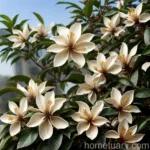
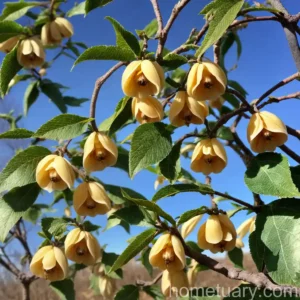
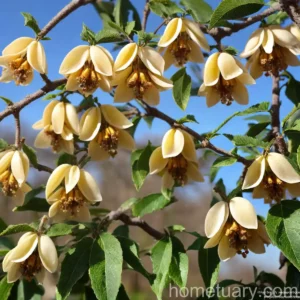
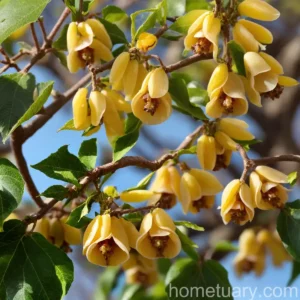
Calycanthus x raulstonii ‘Hartlage Wine’ is a cultivar of the Calycanthus genus, renowned for its striking wine-red flowers and aromatic fragrance. This deciduous shrub is a hybrid of Calycanthus chinensis and Calycanthus floridus, resulting in a stunning ornamental plant that is prized by gardeners and landscapers alike.
Key Takeaways – Calycanthus x raulstonii ‘Hartlage Wine’
Before we explore the intricacies of caring for this plant, let’s summarize the essential characteristics and features of Calycanthus x raulstonii ‘Hartlage Wine’:
- Striking wine-red flowers
- Aromatic fragrance
- Deciduous shrub
- Hybrid of Calycanthus chinensis and Calycanthus floridus
- Ornamental and prized by gardeners
Now that we have an overview of this captivating shrub, let’s delve into the specifics of its culture, uses, and maintenance requirements.
Culture
Understanding the cultural requirements of Calycanthus x raulstonii ‘Hartlage Wine’ is crucial for ensuring its optimal growth and development. Let’s explore the key cultural aspects of this plant, including water, sunlight, fertilizer, soil, and pruning.
Water
Proper watering is essential for the health and vigor of Calycanthus x raulstonii ‘Hartlage Wine.’ While this shrub can tolerate periods of drought once established, consistent moisture is beneficial, particularly during the initial establishment phase and dry spells.
- Establishment: Water newly planted shrubs regularly to ensure the establishment of a healthy root system.
- Mature Shrubs: Once established, water deeply during prolonged dry periods to maintain adequate soil moisture.
Sunlight
Calycanthus x raulstonii ‘Hartlage Wine’ thrives in partial to full sunlight, making it a versatile addition to various garden settings. Providing adequate sunlight is crucial for promoting robust flowering and overall plant vitality.
- Full Sun: Plant in locations with full sun exposure to encourage prolific blooming and vigorous growth.
- Partial Shade: While tolerant of partial shade, ensure the shrub receives a minimum of 4-6 hours of direct sunlight daily.
Fertilizer
Applying a balanced fertilizer can support the growth and blooming of Calycanthus x raulstonii ‘Hartlage Wine.’ Consider the following fertilizer application guidelines:
- Timing: Apply a slow-release, balanced fertilizer in early spring before new growth emerges.
- Application Rate: Follow the manufacturer’s recommended application rates, and avoid excessive fertilization to prevent potential damage to the plant.
Soil
The soil composition significantly influences the overall health and performance of Calycanthus x raulstonii ‘Hartlage Wine.’ Loamy, well-draining soil with a slightly acidic to neutral pH is ideal for this shrub.
- Well-Draining Soil: Ensure the planting site has well-draining soil to prevent waterlogging and root rot.
- Soil pH: Aim for a slightly acidic to neutral soil pH (6.0-7.0) for optimal growth and nutrient uptake.
Pruning
Pruning plays a vital role in shaping the growth habit and promoting flowering in Calycanthus x raulstonii ‘Hartlage Wine.’ Follow these pruning guidelines to maintain a well-structured and floriferous shrub.
- Pruning Time: Prune immediately after flowering to encourage new growth and maintain the desired shape.
- Deadheading: Remove spent flowers to promote continuous blooming and prevent seed formation.
Uses
The versatile nature of Calycanthus x raulstonii ‘Hartlage Wine’ extends to its various landscape and garden uses. Let’s explore the diverse applications of this captivating shrub:
- Ornamental Feature: Use as a focal point in garden beds or mixed borders to showcase its vibrant flowers and aromatic foliage.
- Hedging: Plant in multiples to create a striking and fragrant hedge or border along pathways and garden boundaries.
- Wildlife Gardens: Attract pollinators and beneficial insects with the nectar-rich flowers, making it an excellent addition to wildlife-friendly gardens.
- Fragrance Gardens: Utilize the aromatic foliage and flowers to enhance the sensory appeal of fragrance gardens and outdoor living spaces.
Propagation
Propagating Calycanthus x raulstonii ‘Hartlage Wine’ allows gardeners to expand their plant collection and share this captivating shrub with others. Consider these propagation methods for successfully propagating new Sweetshrub plants:
- Softwood Cuttings: Take softwood cuttings in early summer and root them in a well-draining potting medium under high humidity to encourage root development.
- Division: Divide mature shrubs in early spring to create new plants, ensuring each division has an adequate root system and foliage for successful establishment.
Container Popularity
The compact nature and ornamental appeal of Calycanthus x raulstonii ‘Hartlage Wine’ make it well-suited for container gardening. Its adaptability to container culture opens up various opportunities for showcasing this plant in diverse settings, including patios, balconies, and urban gardens.
- Container Size: Choose a container with sufficient depth and width to accommodate the shrub’s root system and allow for future growth.
- Well-Draining Soil: Fill the container with a well-draining potting mix to prevent waterlogging and ensure proper aeration for the roots.
Common Diseases
While generally resilient, Calycanthus x raulstonii ‘Hartlage Wine’ may encounter certain diseases under unfavorable growing conditions. Familiarize yourself with the common diseases that may affect this shrub:
- Powdery Mildew: Characterized by a powdery white coating on leaves and stems, powdery mildew can impact the plant’s overall vigor and aesthetics.
- Leaf Spot: Circular, dark spots on foliage may indicate the presence of leaf spot diseases, potentially leading to defoliation if left unchecked.
Disease Diagnosis
If you observe any unusual symptoms or signs of disease on your Calycanthus x raulstonii ‘Hartlage Wine,’ it is essential to diagnose the issue accurately to implement effective treatment measures.
- Consultation: Seek guidance from local extension services, plant clinics, or reputable horticultural sources to identify and address potential diseases affecting the shrub.
- Sample Analysis: Submit samples of affected plant parts to diagnostic laboratories for accurate disease identification and tailored management recommendations.
Common Pests
Though relatively resistant to pests, Calycanthus x raulstonii ‘Hartlage Wine’ may occasionally attract certain pests that can potentially impact its growth and visual appeal.
- Aphids: These tiny, sap-sucking insects can infest new growth and flower buds, leading to distorted foliage and reduced flowering.
- Scale Insects: Scale insects may attach themselves to stems and leaves, presenting as small, immobile bumps, and can cause weakening of the shrub if left unmanaged.
Botanist’s Tips
As a botanist specializing in ornamental plants, I offer the following tips and insights for cultivating and caring for Calycanthus x raulstonii ‘Hartlage Wine’:
- Mulching: Apply a layer of organic mulch around the shrub to conserve soil moisture and suppress weed growth, promoting overall plant health.
- Integrated Pest Management (IPM): Implement an IPM approach that incorporates cultural, physical, and biological pest control methods to maintain pest populations at manageable levels without relying solely on chemical treatments.
- Observation: Regularly observe the shrub for any signs of stress, pest infestations, or disease development, addressing any issues promptly to prevent further escalation.
Fun Facts
Before we conclude our comprehensive guide, here are some captivating fun facts about Calycanthus x raulstonii ‘Hartlage Wine’:
- The flowers of ‘Hartlage Wine’ exude a sweet and fruity fragrance, attracting pollinators such as butterflies and hummingbirds to the garden.
- The hybrid nature of this cultivar combines the best traits of its parent species, resulting in a resilient and visually captivating ornamental shrub.
Links to External Resources
For further information and resources on Calycanthus x raulstonii ‘Hartlage Wine,’ I recommend exploring the following reputable sources:
- The American Horticultural Society
- The Royal Horticultural Society
- University Cooperative Extension Services
In conclusion, Calycanthus x raulstonii ‘Hartlage Wine,’ with its captivating blooms, aromatic foliage, and versatile uses, stands out as a prized addition to diverse garden settings. By understanding its cultural preferences, propagation techniques, and pest and disease management strategies, gardeners can nurture and enjoy the exceptional beauty of this Sweetshrub cultivar.
I hope this comprehensive guide has provided valuable insights and practical guidance for enthusiasts and horticulturalists interested in cultivating and appreciating the allure of Calycanthus x raulstonii ‘Hartlage Wine.’
Happy gardening!