Chimonanthus praecox ‘Grandiflorus’ (Wintersweet): A Fragrant Winter-Blooming Shrub
In the realm of ornamental plants, Chimonanthus praecox ‘Grandiflorus’, commonly known as Wintersweet, stands out as a cherished addition to gardens and landscapes, particularly during the winter months. With its striking yellow blossoms and delightful fragrance, Wintersweet holds a special place as a winter-blooming plant. In this comprehensive guide, we will delve into all aspects of this beautiful shrub including its culture, uses, care requirements, common diseases, pests, and propagation methods. Additionally, we will explore some interesting fun facts and botanist’s tips for the successful cultivation of Chimonanthus praecox ‘Grandiflorus’.
What is Chimonanthus praecox ‘Grandiflorus’ (Wintersweet)?
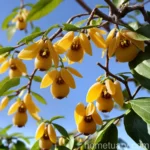
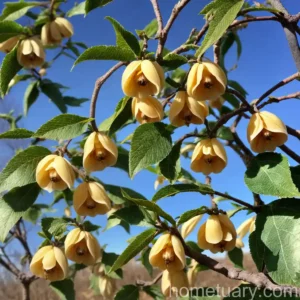
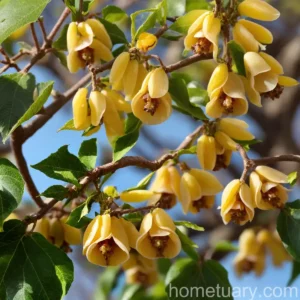
Chimonanthus praecox ‘Grandiflorus’, a member of the Calycanthaceae family, is a deciduous flowering shrub native to China and categorized under the Chimonanthus genus. Renowned for its vibrant yellow blooms and alluring fragrance, this winter landscape plant offers a captivating visual and olfactory experience. The Grandiflorus variety of Chimonanthus praecox is particularly revered for its large and showy flowers, making it a popular choice among gardeners seeking to add winter interest to their outdoor spaces.
Key Takeaways – Chimonanthus praecox ‘Grandiflorus’ (Wintersweet)
Before delving into the specifics of Chimonanthus praecox ‘Grandiflorus’, let’s consider some key takeaways associated with this remarkable plant:
- Chimonanthus praecox ‘Grandiflorus’ is a winter-blooming, deciduous shrub that belongs to the Chimonanthus genus.
- It is celebrated for its fragrant, yellow blossoms, making it a prized addition to winter gardens and landscapes.
- Wintersweet is known for its resilience to cold temperatures, making it an ideal choice for gardens in colder climates.
- The Grandiflorus variety of Chimonanthus praecox is distinguished by its large and showy flowers, which contribute to its ornamental appeal.
Culture of Chimonanthus praecox ‘Grandiflorus’
Understanding the cultural requirements of Chimonanthus praecox ‘Grandiflorus’ is essential for ensuring its healthy growth and prolific blooming. Let’s explore the various aspects of its culture including water, sunlight, fertilizer, soil, and pruning.
Water
Proper watering is crucial for the establishment and sustained well-being of Wintersweet plants. While Chimonanthus praecox ‘Grandiflorus’ demonstrates some tolerance to drought once established, consistent moisture is beneficial, especially during the growing season and flowering period. However, it is important to avoid waterlogging, which can lead to root rot and other detrimental conditions.
Watering Tips:
– Provide regular watering during dry spells, ensuring the soil is moist but not waterlogged.
– Mulching around the base of the plant can help conserve moisture and reduce the frequency of watering.
Sunlight
Chimonanthus praecox ‘Grandiflorus’ flourishes in a location that receives ample sunlight, ideally in full sun or partial shade. Adequate sunlight exposure is essential for promoting robust growth and abundant flowering.
Sunlight Requirements:
– Select a planting site that receives at least 6-8 hours of direct sunlight per day for optimal blooming and overall plant vigor.
Fertilizer
Appropriate fertilization can enhance the growth and blooming of Wintersweet plants, aiding in the production of healthy foliage and vibrant flowers. A balanced, slow-release fertilizer formulated for flowering shrubs can provide the necessary nutrients for Chimonanthus praecox ‘Grandiflorus’.
Fertilizing Guidelines:
– Apply a complete, balanced fertilizer in early spring before the onset of new growth, following the recommended dosage based on the plant’s size and age.
– Avoid excessive use of high-nitrogen fertilizers, as this can promote vegetative growth at the expense of flowering.
Soil
Chimonanthus praecox ‘Grandiflorus’ thrives in well-draining, moderately fertile soil with a slightly acidic to neutral pH range. The soil should offer good aeration and moisture retention while preventing waterlogging, which can compromise the plant’s root health.
Soil Recommendations:
– Prioritize well-drained soil with a loamy texture, enriched with organic matter to promote optimal root development and overall plant health.
Pruning
Pruning plays a pivotal role in shaping the growth habit of Wintersweet plants and ensuring the production of vigorous, flowering wood. Proper pruning practices can help maintain the plant’s desired form, remove dead or damaged branches, and facilitate better air circulation within the canopy.
Pruning Tips:
– Perform pruning tasks immediately after the flowering period to minimize the risk of reducing the following season’s flower buds.
– Remove any dead, weak, or crossing branches to promote a healthy, open structure and encourage new growth.
Uses of Chimonanthus praecox ‘Grandiflorus’
The versatile nature of Chimonanthus praecox ‘Grandiflorus’ extends to its varied uses, ranging from ornamental purposes to cultural and medicinal applications.
Ornamental Use
The ornamental appeal of Wintersweet is undeniable, making it a sought-after choice for adding visual interest and fragrance to gardens and landscapes, particularly during the winter months when few other plants are in bloom. The vibrant yellow blossoms and sweet fragrance of Chimonanthus praecox ‘Grandiflorus’ make it a valuable addition to winter gardens, providing a burst of color and scent when most other plants are dormant.
Cultural Significance
In addition to its horticultural value, Wintersweet holds cultural significance in certain regions, where it is revered for its symbolism and traditional uses. In some cultures, the flowers of Chimonanthus praecox are utilized for decorative and aromatic purposes, adorning homes and ceremonial spaces during the winter season.
Medicinal and Aromatic Properties
Some varieties of Chimonanthus praecox, including Chimonanthus praecox f. concolor, are known for their traditional use in herbal medicine, where the plant parts are employed to prepare decoctions and infusions believed to possess certain therapeutic properties. The aromatic flowers of Wintersweet also find application in perfumery and aromatherapy due to their pleasant fragrance.
Watering Chimonanthus praecox ‘Grandiflorus’
When it comes to watering Wintersweet, it is essential to strike a balance between providing adequate moisture and avoiding waterlogging, which can lead to root rot and other issues. By following proper watering practices, gardeners can ensure the healthy growth and blooming of Chimonanthus praecox ‘Grandiflorus’.
Watering Guidelines
-
Established Plants: Once Chimonanthus praecox ‘Grandiflorus’ is well-established, it showcases some tolerance to drought conditions. While established plants require less frequent watering, it is important to monitor soil moisture during dry spells and provide supplemental irrigation as needed.
-
Growing Season: During the growing season, especially in the period leading up to and during flowering, regular watering is beneficial. Aim to keep the soil consistently moist, allowing the top layer to dry slightly between watering sessions.
-
Avoid Waterlogging: Ensure proper drainage to prevent waterlogging, which can lead to root suffocation and subsequent decline in plant health. Well-draining soil and the avoidance of overwatering are essential for preventing waterlogged conditions.
-
Mulching: Apply a layer of organic mulch around the base of the plant to help conserve soil moisture and minimize water evaporation. Mulching also aids in moderating soil temperature and reducing weed growth around the plant.
By adhering to these watering guidelines, gardeners can support the healthy growth and flowering of Chimonanthus praecox ‘Grandiflorus’ while mitigating the risks associated with overwatering and waterlogging.
Sunlight Requirements for Chimonanthus praecox ‘Grandiflorus’
Adequate sunlight exposure is crucial for the optimal growth and blooming of Chimonanthus praecox ‘Grandiflorus’. By understanding the sunlight requirements of Wintersweet and selecting an appropriate planting site, gardeners can facilitate the plant’s flourishing and ensure the development of abundant flowers.
Sunlight Guidelines
-
Full Sun to Partial Shade: Wintersweet thrives in locations that receive ample sunlight, ideally in full sun or partial shade. Aim to plant Chimonanthus praecox ‘Grandiflorus’ in an area that receives at least 6-8 hours of direct sunlight daily to promote robust growth and prolific blooming.
-
South-Facing Exposure: South-facing locations are often ideal for Wintersweet, particularly in regions with colder climates, as they receive maximum sunlight exposure during the winter months. This exposure can enhance the plant’s flowering performance and overall vigor.
-
Shade Considerations: While Wintersweet appreciates full sun conditions, it can also tolerate partial shade, especially in regions with intense summer heat. Partial shade can help protect the plant from excessive heat and sun exposure, particularly during the hottest part of the day.
-
Sheltered Sites: When cultivating Wintersweet in areas with harsh winter conditions, consider planting it in a sheltered location to provide protection from strong winds and extreme cold, thereby minimizing potential damage to the plant.
By evaluating the sunlight requirements of Chimonanthus praecox ‘Grandiflorus’ and selecting an appropriate planting site, gardeners can optimize the plant’s performance and ensure the production of abundant, fragrant flowers.
Fertilizing Chimonanthus praecox ‘Grandiflorus’
Proper fertilization is instrumental in enhancing the growth and blooming of Chimonanthus praecox ‘Grandiflorus’, aiding in the production of healthy foliage and vibrant flowers. By following suitable fertilizing practices, gardeners can support the overall health and vigor of Wintersweet plants.
Fertilizing Guidelines
-
Balanced Fertilizer: Select a balanced, slow-release fertilizer formulated for flowering shrubs to provide the necessary nutrients for Chimonanthus praecox ‘Grandiflorus’. A balanced fertilizer with an N-P-K ratio of 10-10-10 or similar can support the plant’s nutritional requirements.
-
Application Timing: Apply the fertilizer in early spring before the onset of new growth, ensuring that the nutrients are readily available as the plant enters its active growth phase. Avoid fertilizing too late in the season, as this can stimulate late, tender growth vulnerable to frost damage.
-
Dosage Considerations: Follow the manufacturer’s recommendations regarding the appropriate dosage of fertilizer based on the size and age of the Wintersweet plant. Avoid excessive use of high-nitrogen fertilizers, as these can promote excessive vegetative growth at the expense of flowering.
-
Even Distribution: Spread the fertilizer evenly around the base of the plant, taking care to avoid direct contact with the stems or foliage. Water the area thoroughly after application to facilitate the incorporation of the fertilizer into the soil.
By adhering to these fertilizing guidelines, gardeners can enrich the soil, provide essential nutrients, and promote the flourishing growth and blooming of Chimonanthus praecox ‘Grandiflorus’.
Soil Requirements for Chimonanthus praecox ‘Grandiflorus’
The soil in which Chimonanthus praecox ‘Grandiflorus’ is cultivated plays a pivotal role in the plant’s overall health, vigor, and flowering performance. By understanding and addressing the soil requirements of Wintersweet, gardeners can create an optimal growing environment that supports the plant’s long-term well-being.
Soil Recommendations
-
Drainage and Texture: Prioritize well-drained soil with a loamy texture, as this ensures adequate aeration, moisture retention, and root development for Chimonanthus praecox ‘Grandiflorus’. Avoid heavy, compacted soils that impede drainage and root growth.
-
Organic Matter: Enrich the soil with organic matter such as compost, well-rotted manure, or peat moss to improve its structure, fertility, and moisture-holding capacity. Organic amendments contribute to the long-term health of the soil and promote the flourishing growth of Wintersweet.
-
pH Range: Aim for a slightly acidic to neutral pH range, ideally between 6.0 and 7.0, to create a soil environment that is conducive to the growth and blooming of Chimonanthus praecox ‘Grandiflorus’. Test the soil pH and make adjustments as needed to achieve the desired range.
-
Avoid Waterlogging: Prevent waterlogging, which can compromise the plant’s root health and lead to detrimental conditions such as root rot. Well-drained soil helps facilitate the movement of water while preventing excess water accumulation around the plant’s roots.
By adhering to these soil recommendations and providing an optimal growing medium for Wintersweet, gardeners can support the plant’s overall health, vigor, and successful blooming.
Pruning Chimonanthus praecox ‘Grandiflorus’
Pruning Chimonanthus praecox ‘Grandiflorus’ is an essential aspect of plant care that contributes to the maintenance of its desired form, the removal of dead or damaged branches, and the promotion of robust, flowering wood. By following proper pruning practices, gardeners can ensure the health, vitality, and blooming of Wintersweet plants.
Pruning Guidelines
-
Post-Flowering Pruning: Perform pruning tasks immediately after the flowering period to minimize the risk of reducing the following season’s flower buds. This timing allows for the removal of spent flowers and facilitates the development of new growth and flower buds for the subsequent blooming season.
-
Remove Dead or Diseased Wood: Inspect the plant for any dead, damaged, or diseased branches and promptly remove them to prevent the spread of pathogens and enhance the overall health and appearance of Chimonanthus praecox ‘Grandiflorus’.
-
Thinning and Shaping: Thin out any crowded or congested growth within the canopy to promote better air circulation and light penetration. Shaping the plant through selective pruning can help maintain its desired form and structure while encouraging the development of flowering wood.
-
Prune Conservatively: Exercise caution when pruning Wintersweet, as excessive or overly aggressive pruning can lead to a reduction in flowering and potentially compromise the plant’s natural growth habit.
By following these pruning guidelines and attending to the specific needs of Chimonanthus praecox ‘Grandiflorus’, gardeners can promote the plant’s overall vigor, appearance, and blooming performance.
Propagation of Chimonanthus praecox ‘Grandiflorus’
Propagating Chimonanthus praecox ‘Grandiflorus’ allows gardeners to expand their plant collection and share the beauty of Wintersweet with others. While propagation may involve some patience and attention to detail, the process offers a rewarding opportunity to cultivate new plants from existing specimens.
Propagation Methods
-
Seed Propagation: Propagating Chimonanthus praecox ‘Grandiflorus’ from seeds is one approach to generating new plants, although this method may be more suitable for experienced gardeners owing to certain challenges associated with seed germination and seedling establishment.
-
Softwood Cuttings: Softwood cuttings, taken from young, actively growing stems, can serve as a reliable propagation method for Wintersweet. Select healthy, non-flowering shoots and root them in a suitable rooting medium to facilitate the development of new plants.
-
Hardwood Cuttings: Hardwood cuttings, harvested from mature, dormant stems during the winter months, offer another avenue for propagating Chimonanthus praecox ‘Grandiflorus’. With proper care and attention, hardwood cuttings can give rise to new, viable plants.
-
Layering: Layering, wherein a stem is encouraged to produce roots while still attached to the parent plant, presents an alternative propagation technique for Wintersweet. Once the layered stem has developed roots, it can be detached and transplanted as a new plant.
-
Grafting: Grafting Chimonanthus praecox ‘Grandiflorus’ onto compatible rootstock allows for the propagation of specific cultivars and varieties, offering a means to preserve desirable traits and characteristics in the new plants.
By exploring and experimenting with these propagation methods, gardeners can propagate Chimonanthus praecox ‘Grandiflorus’ and cultivate new plants to enrich their gardens and share the beauty of Wintersweet with others.
Growing Chimonanthus praecox ‘Grandiflorus’ in Containers
The versatility of Chimonanthus praecox ‘Grandiflorus’ extends to its potential for cultivation in containers, providing gardeners with the opportunity to enjoy the beauty and fragrance of Wintersweet on patios, balconies, and other confined spaces. By following certain considerations and best practices, gardeners can successfully grow Wintersweet in containers and create captivating focal points in their outdoor living areas.
Container Considerations
-
Container Size: Select a sufficiently large container to accommodate the mature size of Chimonanthus praecox ‘Grandiflorus’ while providing ample space for root development and overall plant growth. A container with good drainage holes is essential to prevent waterlogged conditions.
-
Potting Mix: Choose a well-draining, high-quality potting mix suitable for shrubs and flowering plants. Incorporate organic matter and perlite to improve aeration and water retention within the potting mix, creating a favorable environment for the plant’s roots.
-
Sun Exposure: Position the container in a location that receives adequate sunlight, ideally in full sun or partial shade, to promote the healthy growth and blooming of Wintersweet. Rotate the container periodically to ensure even light exposure on all sides of the plant.
-
Watering Care: Monitor soil moisture closely and provide regular, consistent watering, especially during the growing season and flowering period. Avoid waterlogging and ensure proper drainage to prevent the roots from sitting in water.
-
Winter Protection: In regions with harsh winter conditions, consider overwintering the container in a sheltered location or providing insulation to protect the plant from freezing temperatures. Wintersweet in containers may require additional care and protection during the winter months.
By considering these container-specific factors and attending to the unique needs of Chimonanthus praecox ‘Grandiflorus’, gardeners can successfully cultivate Wintersweet in containers, bringing its beauty and fragrance to confined outdoor spaces.
Popularity of Chimonanthus praecox ‘Grandiflorus’
The popularity of Chimonanthus praecox ‘Grandiflorus’ as a garden plant and landscape specimen is attributed to its unique attributes, including its winter-blooming nature, fragrant flowers, and ornamental value. As a cherished addition to winter gardens and landscapes, Wintersweet has garnered widespread appreciation among gardeners and horticultural enthusiasts.
Winter Interest
Chimonanthus praecox ‘Grandiflorus’ is prized for its ability to brighten up the winter landscape with its vibrant yellow blossoms and sweet fragrance, offering a welcome burst of color and scent during the colder months when few other plants are in bloom. This winter interest and visual appeal contribute to the plant’s popularity among gardeners seeking to create captivating, multi-seasonal gardens.
Fragrant Flowers
The captivating fragrance of