Chimonanthus praecox ‘Luteus’ (Wintersweet): A Beautiful and Fragrant Addition to Your Garden
Introduction
Plants are an integral part of our natural environment, from adding beauty to providing essential resources for life. Among the diverse range of plants, Chimonanthus praecox ‘Luteus’ (Wintersweet) stands out for its remarkable characteristics and cultural significance. In this comprehensive guide, we will delve into the world of Wintersweet, exploring its care, uses, propagation, and much more. Whether you are a seasoned gardener or a novice enthusiast, there is something fascinating about Wintersweet that will captivate your interest.
What is Chimonanthus praecox ‘Luteus’ (Wintersweet)?
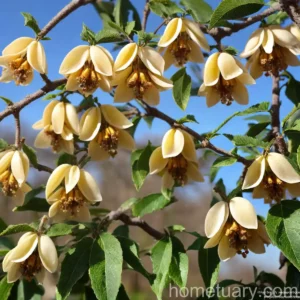
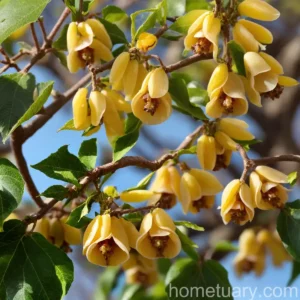
Chimonanthus praecox ‘Luteus’, commonly known as Wintersweet, is a deciduous shrub belonging to the Calycanthaceae family. Native to China, this plant is renowned for its exquisite, sweetly scented, waxy flowers that bloom in the midst of winter, often when little else is in flower. The botanical name “Chimonanthus” is derived from Greek, where “chimon” translates to winter and “anthos” means flower, reflecting the plant’s ability to bloom in the cold months. The specific epithet “praecox” refers to the early flowering characteristic of the species.
Key Takeaways: Chimonanthus praecox ‘Luteus’ (Wintersweet)
- Characteristics: Fragrant, waxy flowers; mid-winter bloom; deciduous shrub
- Plant Description: Deciduous shrub, height reaching up to 10-13 feet, oval or heart-shaped leaves
- Care Tips: Requires well-drained soil, moderate watering, full sun to partial shade
- Flowering Season: Mid to late winter, lasting into early spring
- Propagation: Can be propagated from seeds or semi-hardwood cuttings
- Pruning Guide: Prune after flowering to maintain shape and size
- Soil Conditions: Prefers fertile, well-drained soil with a slightly acidic to neutral pH
- Health Benefits: Aromatic oils from flowers and bark used in traditional medicine
- Landscape Uses: Ornamental specimen, winter gardens, fragrance gardens
- Symbolism: Represents longevity, hope, and endurance in Chinese culture
- Companion Plants: Pair with early spring bloomers like snowdrops, hellebores, and winter aconites
Plant Culture
Understanding the cultural requirements of Chimonanthus praecox ‘Luteus’ is essential for successfully growing and maintaining this exquisite plant. Let’s explore the key elements of its culture, including water, sunlight, fertilizer, soil, and pruning.
Water
Wintersweet prefers moderately moist soil but is relatively drought tolerant once established. During dry spells, regular watering is recommended, ensuring the soil does not become waterlogged. However, excessive moisture should be avoided, especially during the dormant period in summer to prevent root rot.
Sunlight
For optimal flowering and overall growth, Wintersweet thrives in full sun to partial shade. While it can tolerate some shade, it may result in reduced flowering. Therefore, a location with ample sunlight, especially during the winter months, is preferable.
Fertilizer
Applying a balanced, slow-release fertilizer in early spring can promote healthy growth and abundant flowering. Ensure the fertilizer is well-balanced, containing equal parts of nitrogen, phosphorus, and potassium, and follow the recommended application rates to prevent over-fertilization.
Soil
Wintersweet prefers fertile, well-drained soil with a slightly acidic to neutral pH. Amending the soil with organic matter such as compost or well-rotted manure can enhance its structure and fertility, promoting the overall health of the plant.
Pruning
Pruning is essential for maintaining the shape and size of Wintersweet, as well as encouraging vigorous flowering. After the bloom period, prune any dead or damaged wood, and shape the plant as desired. Avoid heavy pruning, as this may reduce the following year’s flowering.
Propagation
Propagating Chimonanthus praecox ‘Luteus’ can be an enjoyable endeavor for plant enthusiasts, allowing for the expansion of this unique plant in the garden or landscape. Here are the primary propagation methods for Wintersweet:
- Seeds: Gather ripe seeds from the fruits and sow them in well-drained, moist soil in a sheltered location. Germination may take several months, and young plants can take a few years to establish and start flowering.
- Semi-Hardwood Cuttings: Take semi-hardwood cuttings in late summer or early autumn, ensuring they have a heel and are approximately 10-15 cm long. Plant the cuttings in a well-draining, moist substrate and provide the necessary care for successful rooting.
Each propagation method offers its own unique experience and challenges, allowing gardeners to explore different techniques and appreciate the fascinating process of plant reproduction.
Container Gardening
The versatility of Wintersweet extends to container gardening, allowing individuals with limited space to enjoy its beauty and fragrance. When cultivating Wintersweet in containers, consider the following tips for successful growth:
- Container Size: Choose a large, sturdy container that provides ample space for root development. A minimum container size of 20-24 inches in diameter is recommended for mature plants.
- Drainage: Ensure the container has adequate drainage holes to prevent waterlogging, which can be detrimental to the plant’s health.
- Potting Mix: Utilize a well-draining, nutrient-rich potting mix to provide a suitable growing medium for Wintersweet. Consider adding organic matter to enhance soil structure and fertility.
Container gardening offers the flexibility to position Wintersweet in various locations, such as patios, balconies, or small gardens, while still enjoying its captivating beauty and fragrance.
Popularity
The allure of Wintersweet extends beyond its native regions, captivating the hearts of gardeners and horticulturists worldwide. Its popularity can be attributed to several factors, including its winter bloom, delightful fragrance, and cultural significance.
Common Diseases
While Wintersweet is relatively resilient, it may be susceptible to certain diseases under unfavorable growing conditions. Understanding the common diseases and their diagnosis is crucial for implementing timely control measures and maintaining the plant’s health.
Disease Diagnosis
- Powdery Mildew: Identified by a powdery, white coating on the leaves and stems, caused by fungal infestations. Ensure proper air circulation, and consider fungicidal treatments if the infection persists.
- Leaf Spot: Characterized by dark, water-soaked lesions on the leaves, often caused by fungal pathogens. Remove and destroy affected foliage, and apply preventive sprays if conditions are conducive to disease development.
Common Pests
In addition to diseases, Wintersweet may encounter pests that can negatively impact its growth and flowering. Familiarizing yourself with the common pests and appropriate control measures is essential for preserving the plant’s vitality.
Botanist’s Tips
- Aphids: Keep an eye out for aphids, which may colonize the tender new growth of Wintersweet. Use a strong jet of water or insecticidal soap to dislodge and control aphid populations.
- Scale Insects: Inspect the stems and branches for scale insects, identifiable by their armored or waxy coverings. Prune and discard heavily infested branches, and consider applying horticultural oil during the dormant season to manage scale populations.
Implementing integrated pest management strategies and maintaining a healthy growing environment can effectively mitigate pest infestations and safeguard the overall well-being of Wintersweet.
Fun Facts
Uncovering the remarkable aspects of Chimonanthus praecox ‘Luteus’ (Wintersweet) can add an element of fascination to your gardening experience. Here are some intriguing fun facts about Wintersweet:
- The fragrant flowers of Wintersweet have long been utilized in traditional Chinese medicine for their aromatic and medicinal properties, often used to invigorate the senses and uplift the mood.
- In Chinese folklore, Wintersweet is associated with the virtues of resilience and hope, symbolizing the ability to endure and flourish amid challenging circumstances, particularly during the winter season.
- Despite its delicate appearance, Wintersweet is surprisingly cold-hardy, able to withstand freezing temperatures and bloom vibrantly when much of the garden lies dormant.
These captivating insights into the cultural and botanical significance of Wintersweet enhance the appreciation for this extraordinary plant.
Links to External Resources
To further enrich your knowledge and understanding of Chimonanthus praecox ‘Luteus’ (Wintersweet), explore the following external resources:
- Royal Horticultural Society – Chimonanthus praecox ‘Luteus’
- Missouri Botanical Garden – Wintersweet
- University of Florida IFAS Extension – Chimonanthus praecox: Wintersweet
- American Horticultural Society – Chimonanthus praecox ‘Luteus’
These reputable sources provide valuable insights and guidance for cultivating and appreciating the enchanting beauty of Wintersweet.
In conclusion, Chimonanthus praecox ‘Luteus’ (Wintersweet) encompasses a rich tapestry of cultural significance, ornamental beauty, and aromatic allure. Its remarkable capacity to bloom during the winter months, coupled with its medicinal and symbolic value, establishes Wintersweet as a cherished addition to gardens and landscapes. By embracing the care tips, propagation methods, and cultural uses of Wintersweet, plant enthusiasts can foster a deeper connection with this extraordinary species, unveiling its timeless appeal and enduring charm.
References
- Royal Horticultural Society. “Chimonanthus praecox ‘Luteus’.” Available at: https://www.rhs.org.uk/plants/48512/i-chimonanthuspraecox-i-luteus/details
- Missouri Botanical Garden. “Wintersweet”. Available at: https://www.missouribotanicalgarden.org/PlantFinder/PlantFinderDetails.aspx?taxonid=262754&isprofile=0&
- University of Florida IFAS Extension. “Chimonanthus praecox: Wintersweet.” Available at: https://gardeningsolutions.ifas.ufl.edu/plants/ornamentals/wintersweet.html
- American Horticultural Society. “Chimonanthus praecox ‘Luteus’.” Available at: https://ahsgardening.org/wp-content/pdfs/Chimonanthus-praecox-Luteus-fact-sheet.pdf