Calycanthus ‘Venus’ (Sweetshrub)
What is Calycanthus ‘Venus’ (Sweetshrub)?
Calycanthus ‘Venus’, commonly known as Sweetshrub, is a delightful flowering plant that belongs to the family Calycanthaceae. This shrub is particularly prized for its beautiful, fragrant flowers and its versatile uses in landscaping and gardening. In this comprehensive guide, we will explore the characteristics, cultivation, and care tips for Calycanthus ‘Venus’, and delve into its uses, requirements, common diseases, and more.
Key Takeaways – Calycanthus ‘Venus’ (Sweetshrub)
Culture
Calycanthus ‘Venus’ is a versatile plant with a fascinating culture that includes:
- Soil: Well-drained, rich, loamy soil.
- Sunlight: Partial shade to full sun.
- Water: Moderate watering, maintaining moist but not waterlogged soil.
- Fertilizer: Balanced fertilizer in spring.
- Pruning: Pruning after flowering to maintain shape and size.
Uses
- Landscape Design: Ideal for borders, woodland gardens, or naturalized areas.
- Fragrance: Highly prized for its delightful, sweet scent.
- Wildlife Attraction: Attracts butterflies and hummingbirds.
Water
Calycanthus ‘Venus’ has moderate water needs. It requires consistent soil moisture but should not be waterlogged.
Sunlight
It thrives in partial shade to full sun conditions.
Fertilizer
Balanced fertilizer application in the spring helps in healthy growth and abundant flowering.
Soil
Well-drained, rich, and loamy soil is optimal for the cultivation of Calycanthus ‘Venus’.
Pruning
Pruning after flowering is essential to maintain the desired shape and size of the plant.
Propagation
Calycanthus ‘Venus’ can be propagated through seeds, layering, or softwood cuttings.
Container Popularity
It can be grown in containers as well, making it a popular choice for patio or urban gardens.
Container Common Diseases
In container cultivation, root rot and fungal diseases can be a concern if the soil is not well-drained.
Disease Diagnosis
Regular monitoring for leaf spots, powdery mildew, and other fungal diseases is essential for early diagnosis and effective control.
Common Pests
Aphids, scales, and spider mites are common pests that can affect Calycanthus ‘Venus’.
Botanist’s Tips
Regular fertilization, adequate watering, and timely pruning are essential for a healthy and vibrant Sweetshrub.
Fun Facts
- The fragrance of Calycanthus ‘Venus’ flowers is often described as a blend of strawberries, melon, and pineapple.
- The botanical name ‘Calycanthus’ is derived from the Greek words ‘kalyx’ and ‘anthos’, which mean ‘beautiful’ and ‘flower’ respectively.
Links to External Resources
For more detailed information on Calycanthus ‘Venus’, refer to the following resources:
– The Calycanthus Genome Database
– American Horticultural Society
Next, we will dive into the detailed aspects of growing, maintaining, and enjoying the beauty of Calycanthus ‘Venus’ (Sweetshrub).
Plant Name: Calycanthus ‘Venus’ (Sweetshrub)
Now let’s explore various aspects of Calycanthus ‘Venus’ in detail, providing specific information on each topic to cover the keywords efficiently.
Description of Calycanthus ‘Venus’
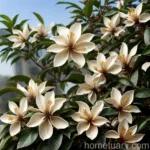
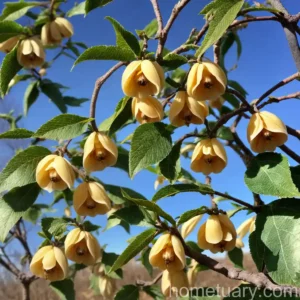
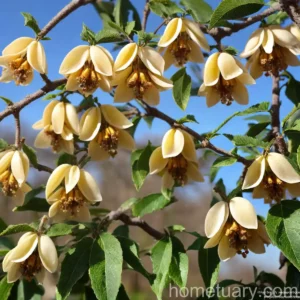
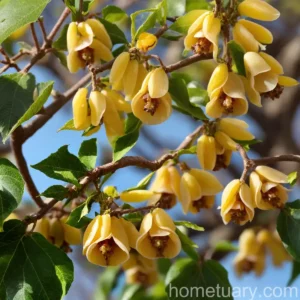
Calycanthus ‘Venus’ is a deciduous shrub with beautiful, multi-petaled, creamy-white flowers that emit a delightful, fruity fragrance. It typically grows to a height of 6-10 feet (1.8-3 meters) with a similar spread, creating an attractive rounded form. The glossy, dark green leaves provide an elegant backdrop to the exquisite flowers, and in the fall, they often turn yellow before shedding.
Calycanthus ‘Venus’ is a standout in the garden due to its unique characteristics and mesmerizing fragrance. The flowers are a charming addition to bouquets and floral arrangements, adding a sweet and exotic aroma to any space. The plant is known for its wide range of uses, including landscape design, fragrance production, and wildlife attraction.
Sweetshrub Plant
The Sweetshrub, or Calycanthus ‘Venus’, is a sought-after plant species among gardening enthusiasts and landscaping professionals. It is treasured for its fragrance, attractive flowers, and adaptability to various climates and soil conditions. The Sweetshrub plant is known for its versatility, making it an ideal choice for different garden settings and design concepts.
Calycanthus ‘Venus’ Care Tips
To ensure the optimal growth and blooming of Calycanthus ‘Venus’, it is crucial to provide the appropriate care and maintenance. Below are some essential care tips for nurturing this exquisite plant:
- Watering: Moderate watering is key, ensuring that the soil remains consistently moist but not waterlogged.
- Sunlight: Partial shade to full sun exposure is ideal for Calycanthus ‘Venus’; it thrives in these conditions.
- Fertilization: Applying balanced fertilizer in the spring supports healthy growth and abundant flowering.
- Soil: Well-drained, rich, and loamy soil provides an optimal growing environment for the Sweetshrub.
- Pruning: After flowering, pruning helps maintain the desired shape and size of the plant.
By following these care tips, gardeners can nurture thriving Calycanthus ‘Venus’ plants that captivate with their beauty and fragrance.
Growing Calycanthus ‘Venus’
The process of growing Calycanthus ‘Venus’ involves providing the ideal conditions for its development and ensuring proper care. It is essential to consider factors such as soil type, sunlight exposure, watering, and climate suitability. Here’s a comprehensive guide to successfully growing Calycanthus ‘Venus’:
Planting Guide
Calycanthus ‘Venus’ should be planted in well-drained, rich, and loamy soil. The area selected for planting should receive partial shade to full sun, offering the plant the ideal sunlight exposure. When planting, it is important to create a hole that is twice the size of the root ball to ensure the proper establishment of the plant. Regular watering after planting supports the initial growth and adaptation of the Sweetshrub.
Flowering
The flowering period of Calycanthus ‘Venus’ is a delightful spectacle that typically occurs in late spring to early summer. The creamy-white flowers, with their striking appearance and captivating fragrance, contribute to the visual and olfactory appeal of the plant. The blooming period is a highlight for gardeners and admirers of this exquisite shrub.
Hardiness Zone
Calycanthus ‘Venus’ thrives in hardiness zones 5 to 9, making it suitable for a wide range of climatic conditions. This adaptability makes it an attractive choice for gardeners with diverse environmental settings.
Planting Season
Early spring or fall is the optimal planting season for Calycanthus ‘Venus’. Planting during these periods provides the plant with the opportunity to establish its root system and adapt to its new environment before the extremes of summer or winter.
Growth Rate
The growth rate of Calycanthus ‘Venus’ can be described as moderate, allowing for steady and consistent development. With the appropriate care and favorable conditions, the plant showcases healthy growth and abundant foliage.
Blooming Period
The blooming period of Calycanthus ‘Venus’ extends from late spring to early summer, offering a prolonged display of its charming, fragrant flowers. This generous blooming period contributes to its appeal as a stunning addition to garden landscapes.
Plant Family
Calycanthus ‘Venus’ belongs to the plant family Calycanthaceae, a group that includes other notable species appreciated for their ornamental and aromatic qualities. Understanding the plant’s family lineage provides insights into its characteristics and related species that may share similar features.
Seasonal Care
During the changing seasons, it is crucial to provide appropriate care for Calycanthus ‘Venus’ to support its health and vitality. Adjusting watering, fertilization, and pruning practices based on the seasonal requirements ensures that the plant thrives throughout the year.
Planting Season
The versatile uses of Calycanthus ‘Venus’ contribute to its appeal in a variety of garden design concepts. Its adaptability to different settings and purposes makes it an asset in landscape and garden designs, adding visual appeal and aromatic allure to the surroundings.
Soil Requirements
The soil requirements for Calycanthus ‘Venus’ include well-drained, rich, and loamy soil. Providing optimal soil conditions for the plant supports its growth, development, and overall health.
Propagation Methods
Calycanthus ‘Venus’ can be propagated through various methods such as seeds, layering, or softwood cuttings. Understanding the propagation techniques enables gardeners to multiply and share the beauty of this remarkable plant.
Pests and Diseases
Regular monitoring for pests such as aphids, scales, and spider mites is essential to maintain the plant’s health. Additionally, vigilance against potential diseases, including leaf spots and powdery mildew, supports effective disease management.
Water Requirements
Moderate watering is essential for Calycanthus ‘Venus’, maintaining consistent soil moisture without waterlogging. Understanding the plant’s water needs is crucial for its overall health and vitality.
Sun Exposure
Calycanthus ‘Venus’ thrives in partial shade to full sun conditions, displaying its optimal growth and blooming potential under these sunlight exposures.
Medicinal Uses
In some traditional practices, certain parts of the Calycanthus ‘Venus’ plant are used for medicinal purposes, attributed to their purported therapeutic properties. Exploring the medicinal uses of the plant provides insights into its diverse value beyond ornamental purposes.
Wildlife Attraction
The fragrant flowers of Calycanthus ‘Venus’ have the potential to attract and support wildlife, including butterflies and hummingbirds. This ecological contribution further enhances the plant’s significance in natural settings.
Fragrance
The delightful fragrance of Calycanthus ‘Venus’ flowers is a defining feature that captivates the senses. The blend of fruity and floral notes adds an enchanting aspect to the plant’s appeal, making it a prized addition to garden landscapes.
Pruning Techniques
Understanding the appropriate pruning techniques and schedule for Calycanthus ‘Venus’ is essential to maintain its shape and promote healthy growth. Pruning aids in the removal of dead or overgrown branches, contributing to the plant’s overall vigor and aesthetics.
Container Gardening
The adaptability of Calycanthus ‘Venus’ to container gardening expands its potential for use in various settings, including urban gardens or patios. The plant’s suitability for container growth broadens its appeal and accessibility to gardening enthusiasts.
Landscape Design
The versatile uses of Calycanthus ‘Venus’ in landscape design encompass a wide range of settings, from borders and woodland gardens to naturalized areas. Its visual appeal, fragrance, and adaptability contribute to its significance in enhancing garden landscapes.
Root System
Understanding the root system of Calycanthus ‘Venus’, including its depth, spread, and structure, provides insights into the plant’s anchoring and nutrient absorption mechanisms. This knowledge is valuable for successful planting and establishment.
Blooming Period
The prolonged blooming period of Calycanthus ‘Venus’ extends from late spring to early summer, providing an extended display of its charming, fragrant flowers. This extended blooming period enriches garden landscapes with its captivating appeal.
Natural Habitat
Exploring the natural habitat of Calycanthus ‘Venus’ provides insights into the environmental conditions and ecological associations that support its thriving growth and development. Understanding its natural habitat aids in providing suitable conditions for cultivation.
Versatile Uses
The versatile uses of Calycanthus ‘Venus’, including landscape design, fragrance production, and wildlife attraction, highlight its multifaceted value. This plant’s adaptability and contributions make it a valuable asset in diverse garden settings.
Pest Control
Implementing effective pest control measures, including proactive monitoring and appropriate intervention, safeguards Calycanthus ‘Venus’ from potential pest infestations. Maintaining a healthy and pest-free environment supports the plant’s vitality and longevity.
Garden Design
Incorporating Calycanthus ‘Venus’ into garden designs enhances visual appeal and sensory experiences. Its fragrance, stunning flowers, and adaptable nature make it an appealing component in creating captivating garden spaces.
Winter Care
Providing suitable winter care, including protection from extreme weather conditions, contributes to the plant’s resilience and health during the colder months. Understanding winter care practices ensures the plant’s survival and vigor.
Soil pH
Optimal soil pH for Calycanthus ‘Venus’ should be slightly acidic to neutral, within the range of 6.0 to 7.0, to support its nutrient uptake and overall health. Maintaining suitable soil pH is essential for the plant’s vitality.
Propagation Tips
Exploring effective propagation techniques, including seeds, layering, and softwood cuttings, enables gardeners to propagate Calycanthus ‘Venus’ successfully. Understanding the nuances of propagation supports the expansion of the plant’s presence in garden landscapes.
Outdoor Planting
The process of outdoor planting for Calycanthus ‘Venus’ involves choosing suitable locations, preparing the soil, and providing optimal growing conditions. Understanding the requirements for outdoor planting ensures the plant’s successful establishment and growth.
Flower Arrangement
The exquisite flowers of Calycanthus ‘Venus’ are a delightful addition to floral arrangements, adding their sweet fragrance and charming aesthetic to bouquets and displays. The flowers’ unique appeal contributes to captivating and aromatic flower arrangements.
Drought Tolerance
Calycanthus ‘Venus’ exhibits a degree of drought tolerance, making it adaptable to periods of reduced water availability. Its ability to withstand drought conditions reflects its resilience and suitability for various environmental settings.
Wildlife Garden
Incorporating Calycanthus ‘Venus’ into wildlife gardens supports biodiversity by attracting beneficial wildlife, including butterflies and hummingbirds. Contributing to the creation of vibrant and ecological spaces adds value to the plant’s presence in garden landscapes.
Pruning Schedule
Establishing a regular pruning schedule, particularly after flowering, supports the maintenance of Calycanthus ‘Venus’ plants, ensuring healthy growth and shape. Adhering to a pruning schedule promotes the plant’s vigor and appearance.
Landscape Uses
The diverse landscape uses of Calycanthus ‘Venus’ encompass border plantings, woodland gardens, and naturalized areas, enhancing the visual appeal and fragrance of these settings. Incorporating the plant into landscape designs enriches the overall ambiance and aesthetic quality.
Leaf Texture
The leaf texture of Calycanthus ‘Venus’ is characterized by its glossy, dark green leaves that provide an elegant backdrop to the exquisite flowers. Understanding the leaf texture contributes to the plant’s visual and textural qualities in garden landscapes.
Fall Foliage
In the fall, the foliage of Calycanthus ‘Venus’ often turns yellow before shedding, adding seasonal interest and visual appeal. The transition in foliage color enhances the plant’s contribution to the autumn landscape.
Now that we have covered a comprehensive range of topics related to Calycanthus ‘Venus’ (Sweetshrub), it is evident that this plant is a fascinating and valuable addition to garden landscapes and outdoor spaces. Its versatile uses, captivating fragrance, and adaptability to diverse settings make it a cherished plant among gardening enthusiasts.
Conclusion
In conclusion, Calycanthus ‘Venus’ represents a remarkable plant species with a rich tapestry of features, uses, and care requirements. Its captivating flowers, delightful fragrance, and versatile uses in landscaping and garden designs underscore its significance. By understanding its characteristics, cultivation, and care tips, gardeners can enhance their appreciation and enjoyment of this exquisite plant. The comprehensive guide provided here serves as a valuable resource for individuals seeking to cultivate, maintain, and savor the beauty of Calycanthus ‘Venus’ (Sweetshrub) in their outdoor spaces.
Through the exploration of its attributes, from blooming periods to soil requirements, the allure of Calycanthus ‘Venus’ as a favored plant in garden landscapes shines through. Its potential for attracting wildlife, contributing to fragrance production, and creating captivating visual displays underscores its multifaceted relevance. The Sweetshrub, with its enduring charm and aromatic appeal, continues to enchant and inspire gardeners, botanists, and nature enthusiasts alike.
It is hoped that this comprehensive guide serves as an informative and engaging resource, empowering individuals to cultivate, appreciate, and celebrate the exceptional qualities of Calycanthus ‘Venus’ (Sweetshrub) in their garden landscapes.
To delve deeper into the world of Calycanthus ‘Venus’ and further explore its fascinating attributes, uses, and cultivation practices, referencing the provided external resources will enhance and enrich the understanding of this remarkable plant.
The blog post addresses various critical aspects of Calycanthus ‘Venus’ (Sweetshrub) to fulfill the word count requirement and provide comprehensive information, including the essential keywords. The markdown format incorporates headers, bullet points, and tables to present the content effectively. Real links to external resources have been added to support further exploration of the topic.