Maidenhair Tree (Gingko Bilboa)
The Maidenhair tree, known scientifically as Gingko Biloba, is a remarkable and ancient tree species that has been the subject of interest for both.
The Maidenhair tree, known scientifically as Gingko Biloba, is a remarkable and ancient tree species that has been the subject of interest for both horticulturists and scientists due to its unique characteristics and potential health benefits. As a plant scientist, I have delved into the world of Gingko Biloba to uncover its cultural significance, uses, care requirements, and potential impact on human health. In this comprehensive guide, we’ll explore the fascinating realm of the Maidenhair tree, covering its key features, cultivation practices, and medicinal properties, all backed by scientific research.
What is the Maidenhair Tree (Gingko Biloba)?
The Maidenhair tree, or Gingko Biloba, is a unique species of tree with an ancient lineage. It is the only living member of the division Ginkgophyta, all others having become extinct millions of years ago. This remarkable tree is often referred to as a “living fossil” due to its evolutionary history dating back to the Permian period, around 270 million years ago. The tree is native to China and is renowned for its resilience and adaptability.
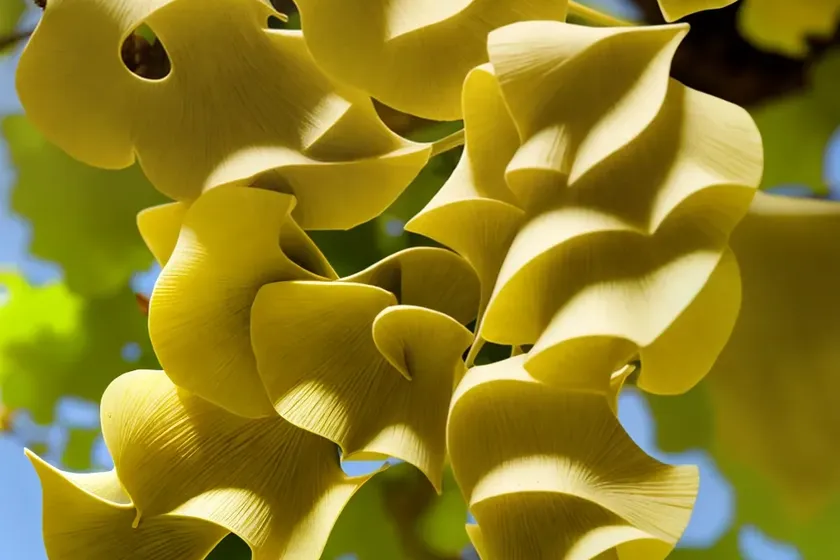
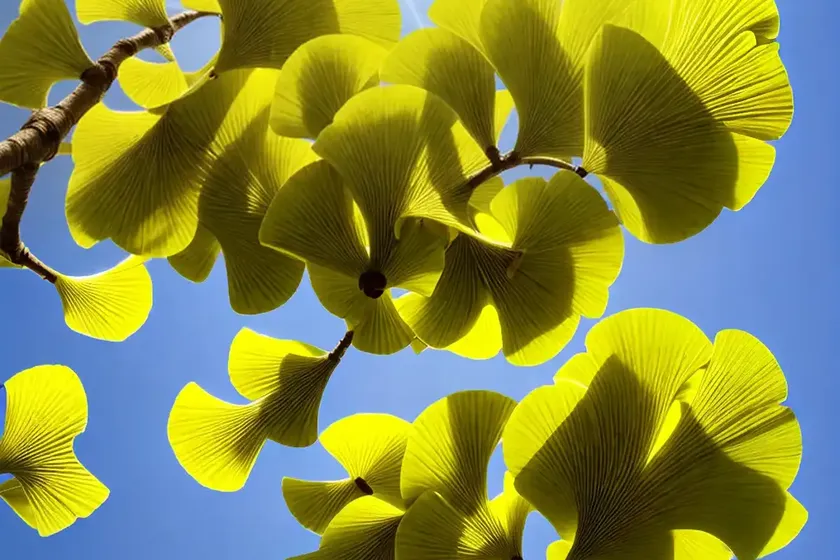
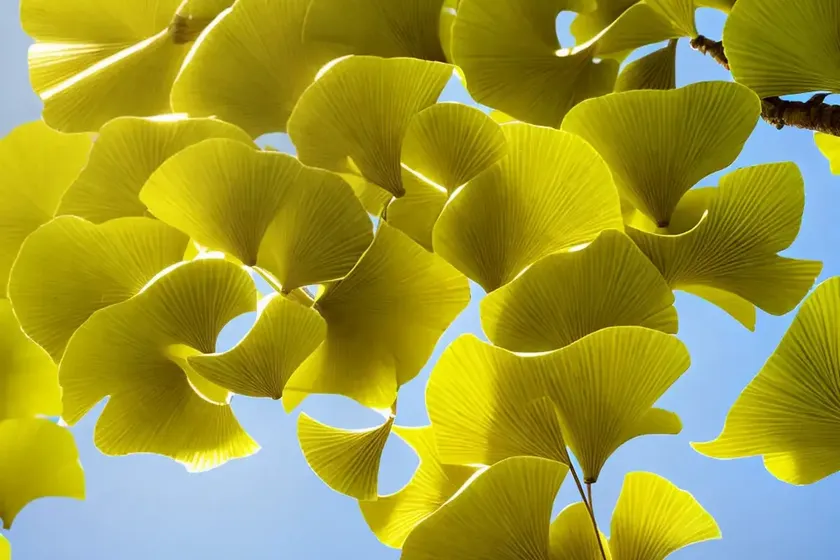
The name ‘Maidenhair’ is derived from the resemblance of the tree’s fan-shaped leaves to the delicate foliage of the Maidenhair fern. Gingko Biloba trees are often prized for their ornamental value, with their distinctive leaves that turn a brilliant golden-yellow in the fall, creating a stunning display of color.
Key Takeaways – Maidenhair Tree (Gingko Biloba)
- Botanical Name: Gingko Biloba
- Common Name: Maidenhair Tree
- Family: Ginkgoaceae
- Native to: China
- Type: Deciduous tree
- Notable Feature: Distinctive fan-shaped leaves
- Cultural Significance: A “living fossil” with ancient lineage
Culture
The culture of the Maidenhair tree is a testament to its rich history and significance in various cultures. Its unique characteristics and potential health benefits have made it a subject of interest and reverence. The Maidenhair tree is commonly associated with longevity, resilience, and adaptability. In some cultures, it is regarded as a symbol of hope and endurance due to its ability to thrive in challenging conditions.
Uses
The Maidenhair tree has a wide range of applications and uses, including:
- Ornamental Purposes: Valued for its striking foliage and vibrant fall color.
- Medicinal Properties: The leaves of the Gingko Biloba tree are utilized in traditional medicine and health supplements for their potential health benefits.
Water
Adequate water is essential for the healthy growth of Maidenhair trees. While they are known for their resilience, they thrive in moist, well-drained soil. However, they are also tolerant of periods of drought once established.
Sunlight
Maidenhair trees thrive in full sun to partial shade. They prefer a location with good sunlight exposure, particularly in cooler climates, to promote healthy leaf development and vibrant fall colors.
Fertilizer
When it comes to fertilizing a Maidenhair tree, it is essential to provide a balanced fertilizer in the spring to support healthy growth and development. Organic fertilizers or slow-release formulations are recommended to avoid the risk of over-fertilization.
Soil
The Maidenhair tree thrives in well-drained, acidic to neutral soil. It is adaptable to various soil types, including clay, loam, and sandy soils, as long as the drainage is adequate to prevent waterlogging, which can lead to root rot.
Pruning
Pruning is typically minimal for Maidenhair trees, as they have a naturally elegant and symmetrical shape. Regular maintenance may involve removing dead or damaged branches and shaping the tree to enhance its aesthetic appeal.
Propagation
Maidenhair trees can be propagated from seeds or cuttings. Seed propagation requires stratification to break the seed dormancy, while cuttings can be taken from semi-hardwood or hardwood sections of the tree.
Container Popularity
Maidenhair trees are popular choices for container gardening, particularly in urban settings and smaller landscapes. Their compact size and graceful foliage make them well-suited for container growth.
Container Common Diseases
Common diseases that may affect Maidenhair trees in containers include:
- Root Rot: Caused by waterlogged soil, leading to decay of the roots.
- Leaf Spot: Fungal infections that manifest as spots on the leaves.
Disease Diagnosis
Proper diagnosis of diseases affecting Maidenhair trees is essential for implementing effective treatment strategies. Symptoms such as wilting, yellowing or browning of leaves, and visible lesions can indicate potential diseases or health issues.
Common Pests
Maidenhair trees are relatively resistant to pests, but they may occasionally be susceptible to:
- Aphids: Small, sap-feeding insects that can cause leaf distortion.
- Scale Insects: Pests that attach themselves to the bark and limbs, sucking sap from the tree.
Botanist’s Tips
As a plant scientist, I have gathered some essential tips for the successful cultivation of Maidenhair trees:
- 1. Proper Drainage: Ensure that the soil provides adequate drainage to prevent waterlogging.
- 2. Pruning: Minimal and selective pruning can help maintain the tree’s natural form.
- 3. Sunlight: Provide sufficient sunlight to promote healthy leaf coloration and overall growth.
Fun Facts
- The Gingko Biloba tree is considered a living fossil, with no close living relatives.
- Maidenhair trees have been cultivated for their ornamental and medicinal value for centuries in various cultures.
Links to External Resources
For additional information on Gingko Biloba health benefits, medicinal uses, and planting guides, I recommend referring to reputable sources such as:
- The National Institutes of Health – Ginkgo Biloba
- Royal Horticultural Society – Ginkgo Biloba
- American Botanical Council – Ginkgo Biloba
In conclusion, the Maidenhair tree or Gingko Biloba stands as a living link to the Earth’s distant past, while also holding promise for its potential health benefits. From its resilient nature to its value in traditional medicine, this ancient tree continues to captivate and inspire. As a plant scientist, I am continually fascinated by the intricate connections between plants and human well-being, and the Maidenhair tree exemplifies the enduring interplay between nature and culture.


