Chameleon Plant (Houttuynia cordata): A Complete Guide for Care, Uses, and Cultivation
Welcome to this comprehensive guide on the fascinating Chameleon plant, scientifically known as Houttuynia cordata. Whether you are a beginner gardener or a seasoned plant enthusiast, this versatile plant will surely capture your interest with its striking foliage, culinary and medicinal uses, and landscape appeal. We will explore everything from its cultural requirements to propagation methods, common pests and diseases, along with botanist’s tips and fun facts about this unique plant.
What is Chameleon Plant (Houttuynia cordata)?
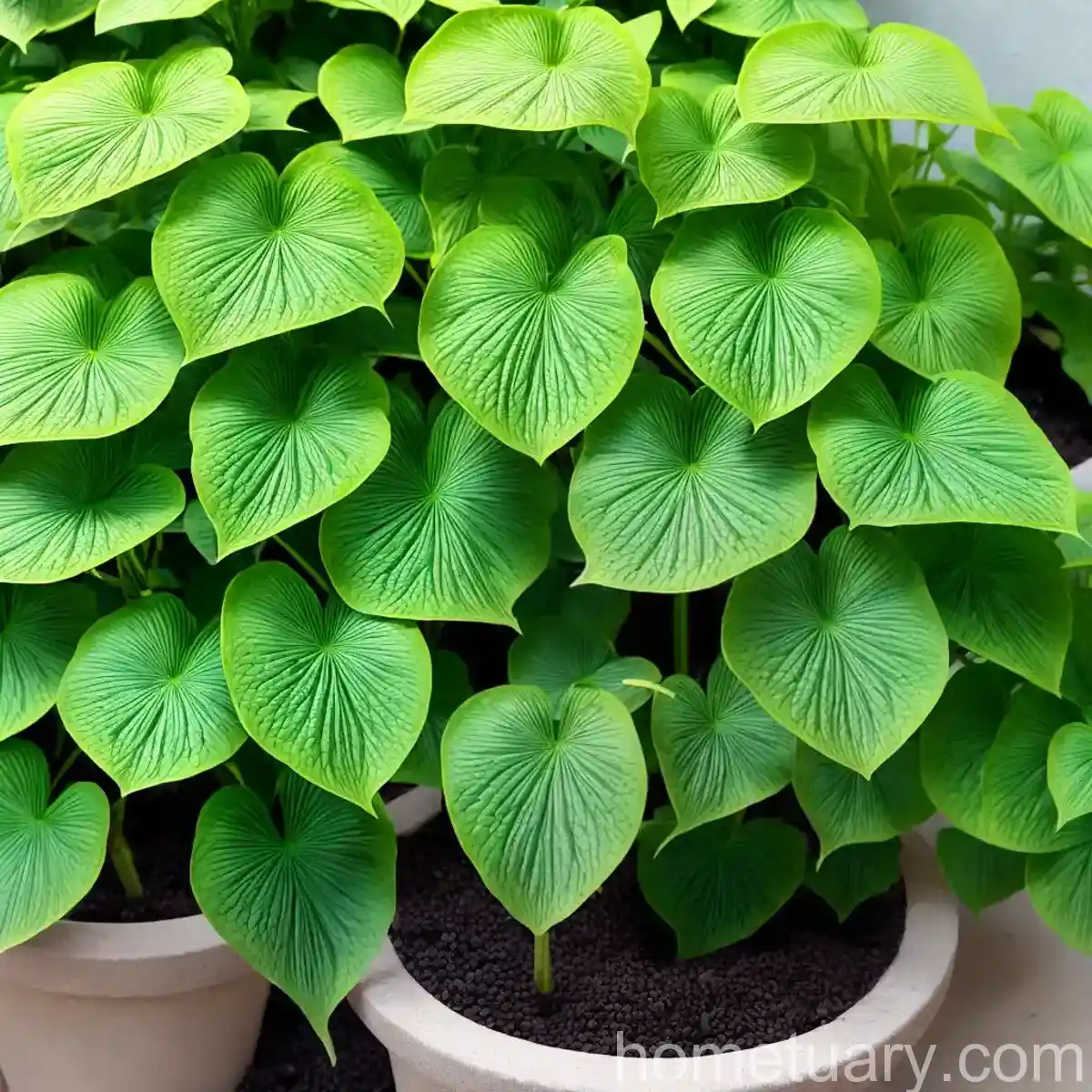
Chameleon plant (Houttuynia cordata) is a low-growing perennial plant that belongs to the Saururaceae family. Originating from East Asia, including China and Japan, this plant has become popular in many parts of the world due to its vibrant, multicolored foliage and various practical uses. One of its outstanding features is the color-changing quality of its leaves as they transition through the seasons, hence the name “Chameleon plant.”
Let’s dive into the key elements of caring for this remarkable plant, including its culture, uses, water requirements, sunlight preferences, fertilizer needs, soil preferences, pruning techniques, propagation methods, and its popularity among gardeners.
Key Takeaways – Chameleon Plant (Houttuynia cordata)
Before delving into the details of Chameleon plant care and cultivation, let’s provide an overview of the key takeaways for this fascinating plant. The following sections will cover each of these aspects in detail:
- Culture
- Uses
- Water
- Sunlight
- Fertilizer
- Soil
- Pruning
- Propagation
- Container Popularity
- Container Common Diseases
- Disease Diagnosis
- Common Pests
- Botanist’s Tips
- Fun Facts
- Links to External Resources
Culture of Chameleon Plant (Houttuynia cordata)
Houttuynia cordata thrives in moist, rich soils and is often found near water bodies in its natural habitat. When cultivating this plant, it is essential to create similar conditions to ensure its optimal growth and development.
Uses of Chameleon Plant
The Chameleon plant exhibits versatile uses, ranging from culinary and medicinal to ornamental and landscape applications. Understanding the breadth of its uses allows gardeners and enthusiasts to fully appreciate the value and potential of this remarkable plant.
Culinary Uses
The leaves of Houttuynia cordata are edible and are used in various culinary dishes in East Asia. They add a unique flavor to salads, soups, and other traditional dishes.
Medicinal Uses
In traditional medicine, Houttuynia cordata has been utilized for its purported medicinal properties. It is believed to possess anti-inflammatory, antimicrobial, and antioxidant effects, and is used to treat various ailments in some cultures. However, it is important to consult with healthcare professionals before using it for medicinal purposes.
Water Requirements
The Chameleon plant thrives in consistently moist soil and appreciates high humidity levels. Adequate watering is crucial, especially during dry spells or hot weather, to maintain optimal growth and vibrant foliage.
Sunlight Preferences
While Houttuynia cordata prefers partial shade to full shade, it can tolerate some morning sun. Avoid exposing it to intense afternoon sunlight, as this can lead to leaf scorching and reduced vigor.
Fertilizer Needs
Applying a balanced, water-soluble fertilizer during the growing season can support the healthy growth of Chameleon plants. However, avoid over-fertilizing to prevent excessive foliage at the expense of its vibrant colors.
Soil Preferences
The ideal soil for Chameleon plants is rich, moist, and well-draining. A mix of organic matter and loamy soil provides the necessary nutrients and water retention capabilities for this plant.
Pruning Techniques
Regular pruning can help manage the growth of Chameleon plants and prevent them from spreading too aggressively. It is important to remove any unwanted shoots and to shape the plant as needed.
Propagation Methods
Chameleon plants can be propagated through division or stem cuttings. Both methods have proven to be successful, allowing gardeners to expand their Chameleon plant collection or share it with others.
Container Popularity
Due to its resilience in varying conditions, Chameleon plants are popular choices for container gardening. Their colorful foliage adds visual interest to outdoor and indoor spaces, making them versatile and eye-catching additions to any container garden.
Container Common Diseases
In containers, Chameleon plants may be susceptible to certain diseases, including root rot and leaf spot. Proper care and ensuring well-draining soil can help prevent these issues.
Disease Diagnosis
Identifying and addressing plant diseases promptly is crucial for maintaining the health of Chameleon plants. Proper diagnosis and targeted treatments can help manage and prevent the spread of diseases.
Common Pests
Despite its hardy nature, Chameleon plants can be affected by pests such as aphids, spider mites, and slugs. Regular monitoring and appropriate pest management strategies are essential for preventing damage to the plants.
Botanist’s Tips
Through the expert insights of botanists and plant enthusiasts, valuable tips and recommendations can enhance the success and enjoyment of growing Chameleon plants.
Fun Facts
Chameleon plants boast several intriguing features and qualities that make them captivating additions to gardens and landscapes. Exploring these fun facts adds depth to the appreciation of this unique plant.
Chameleon Plant External Resources
For an in-depth understanding of Chameleon plant care, uses, and cultivation, consider exploring the following external resources:
- Houttuynia Cordata Medicinal Uses
- Chameleon Plant – The Perfect Ground Cover!
- Culinary uses of Chameleon plant
- The Rare Herb: Chameleon plant
By delving into these references, you can expand your knowledge and appreciation for the Chameleon plant (Houttuynia cordata). Whether you are interested in its uses in traditional medicine, its culinary applications, landscaping ideas, or its propagation techniques, these resources offer valuable insights and practical guidance.
In conclusion, the Chameleon plant (Houttuynia cordata) stands out as a multifaceted and fascinating plant, offering a spectrum of uses, vibrant colors, and resilient characteristics. By understanding its cultural requirements, practical uses, and potential challenges when cultivating it, enthusiasts can fully appreciate and enjoy the exceptional qualities of this unique plant.
Keywords: Houttuynia cordata uses, Chameleon plant care, Houttuynia cordata varieties, Growing Chameleon plant, Houttuynia cordata medicinal uses, Chameleon plant benefits, Houttuynia cordata propagation, Chameleon plant characteristics, Houttuynia cordata landscaping, Chameleon plant seeds, Houttuynia cordata ground cover, Chameleon plant pests, Houttuynia cordata indoor cultivation, Chameleon plant culinary uses, Houttuynia cordata water requirements, Chameleon plant companion plants, Houttuynia cordata soil conditions, Chameleon plant for shade gardens, Houttuynia cordata flowering season, Chameleon plant container gardening, Houttuynia cordata invasive tendencies, Chameleon plant for erosion control, Houttuynia cordata natural habitat, Chameleon plant landscaping ideas, Houttuynia cordata foliage colors, Chameleon plant uses in herbal medicine, Houttuynia cordata wildlife appeal, Chameleon plant planting instructions, Houttuynia cordata ground cover alternatives, Chameleon plant maintenance tips, Houttuynia cordata water garden plant, Chameleon plant for wet areas, Houttuynia cordata ornamental value, Chameleon plant deer-resistant characteristics, Houttuynia cordata leaf shape and size, Chameleon plant outdoor cultivation, Houttuynia cordata climate requirements, Chameleon plant herbal remedies, Houttuynia cordata natural pest control, Chameleon plant in traditional medicine, Houttuynia cordata historical uses, Chameleon plant fragrance, Houttuynia cordata ground cover suggestions, Chameleon plant for pond edges, Houttuynia cordata shade-loving plant, Chameleon plant container design ideas, Houttuynia cordata drought tolerance, Chameleon plant perennial varieties, Houttuynia cordata soil amendment recommendations, Chameleon plant landscape design tips.
Hashtags: #ChameleonPlant #HouttuyniaCordata #PlantCare #GardeningTips #PlantCultivation #MedicinalPlants