Weigela ‘Rumba’: A Comprehensive Guide to Care, Cultivation, and Maintenance
Weigela ‘Rumba’ is a stunning deciduous shrub renowned for its compact habit and vibrant, trumpet-shaped flowers. As a plant scientist, I am excited to share insights into the alluring world of Weigela ‘Rumba’, including its culture, uses, maintenance, common pests, diseases, and much more. Whether you are a seasoned gardener or a novice enthusiast, this comprehensive guide will equip you with all the essential knowledge to nurture and appreciate the beauty of Weigela ‘Rumba’.
What is Weigela Rumba?
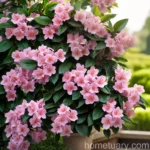
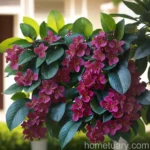
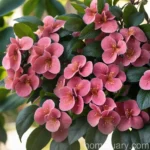
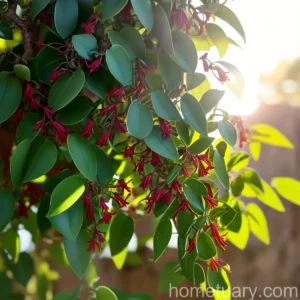
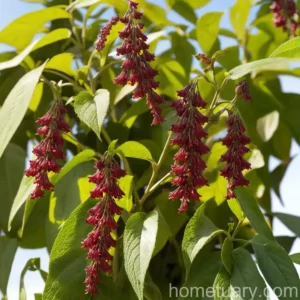
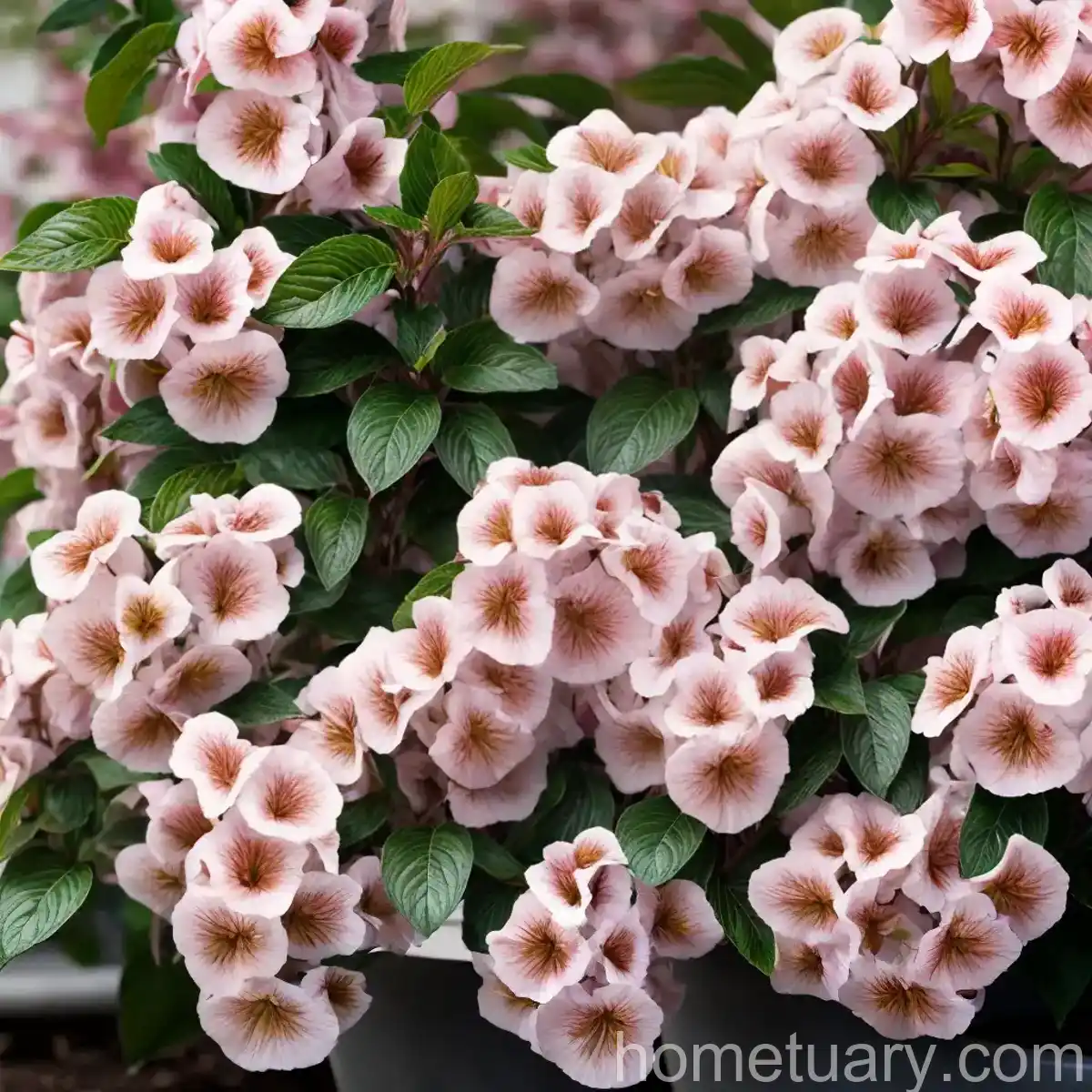
Weigela ‘Rumba’, a cultivated variety of Weigela, is a gorgeous, low-growing deciduous shrub that belongs to the family Caprifoliaceae. This delightful plant is prized for its ornamental value, characterized by an abundance of charming, bell-shaped blooms and lush green foliage. With a mounded form and a relatively compact size, Weigela ‘Rumba’ serves as an excellent choice for landscaping, adding a splash of color and texture to gardens, borders, and mixed shrubbery plantings.
The following sections will delve into the various aspects of caring for Weigela ‘Rumba’, offering valuable tips for its cultivation, maintenance, and landscape uses.
Key Takeaways – Weigela ‘Rumba’
Before we dive into the specifics of Weigela ‘Rumba’ care, let’s explore the key takeaways that will guide our discussion throughout this comprehensive guide.
- Weigela Rumba Care: Understanding the essential elements to ensure the health and vitality of this captivating shrub
- Pruning: Aspects related to pruning practices for maintaining an attractive and well-shaped appearance
- Growth and Maintenance: Insights into the growth habits and maintenance requirements of Weigela ‘Rumba’
- Varieties and Landscape Uses: Exploring the diverse varieties and the roles this shrub can play in landscape design
- Flowering and Color: Recognizing the blooming patterns and the array of colors exhibited by Weigela ‘Rumba’
- Disease Resistance and Prevention: Strategies to identify common diseases and prevent their occurrence
- Sunlight and Soil Preferences: Understanding the specific sunlight and soil conditions conducive for optimal growth
- Propagation and Watering Needs: Techniques for propagating Weigela ‘Rumba’ and its watering requirements
- Practical Tips and Maintenance: providing valuable guidance for nurturing this ornamental shrub
- Pest Control: recognizing common pests and implementing effective control measures
In the subsequent sections, we will delve into each of these facets, providing comprehensive insights into the care, cultivation, and maintenance of Weigela ‘Rumba’.
Culture
Uses
Weigela ‘Rumba’ is widely embraced for its versatility in various landscape settings, serving a multitude of functions due to its ornamental appeal and manageable size. Some of the common uses of Weigela ‘Rumba’ include:
- Garden Borders: The compact size and charming foliage make it an ideal choice for framing garden borders, adding a pop of color and visual interest to the landscape.
- Mixed Shrub Plantings: Weigela ‘Rumba’ harmonizes well with other shrubs in mixed plantings, contributing to diverse and visually appealing compositions.
- Container Gardening: Its compact growth habit makes it suitable for container cultivation, whether in large pots or decorative containers, offering flexibility in design and space utilization.
- Mass Plantings: When planted in groups, the abundant blooms of Weigela ‘Rumba’ create striking floral displays, making it an attractive option for mass plantings in gardens and public spaces.
Water
Weigela ‘Rumba’ thrives in well-draining, moderately moist soil. During the initial establishment phase, regular watering is crucial to promote healthy root development and overall vigour. However, it is essential to avoid waterlogged conditions, as this can lead to root rot and other detrimental issues. A general guideline is to water deeply, allowing the soil to dry slightly between watering intervals, particularly during hot and dry periods. Mulching around the base of the shrub can aid in retaining soil moisture and regulating temperature, providing supplemental support for optimal growth.
Sunlight
Proper sunlight exposure is integral to the flourishing of Weigela ‘Rumba’. This shrub exhibits the best performance when provided with full to partial sunlight, amounting to approximately 6 to 8 hours of direct sunlight daily. Adequate exposure to sunlight not only stimulates vigorous blooming but also enhances the vibrancy of its foliage, ensuring a visually appealing appearance throughout the growing season.
Fertilizer
Fertilizing Weigela ‘Rumba’ is essential for promoting robust growth and profuse flowering. A balanced, slow-release fertilizer formulated for flowering shrubs can be applied in early spring, preceding the onset of new growth. Additionally, a second round of fertilization during mid-summer may be beneficial in sustaining vigorous growth and sustaining the shrub’s nutritional requirements. It is advisable to follow the manufacturer’s recommendations regarding the application rates and methods, ensuring that the fertilizer is incorporated evenly, and avoid direct contact with the foliage to prevent potential damage.
Soil
Weigela ‘Rumba’ thrives in well-drained, fertile soil with a slightly acidic to neutral pH range. A composition of loamy or sandy soil, enriched with organic matter, provides an ideal foundation for the establishment and growth of this beautiful shrub. Prior to planting, it is advisable to conduct a soil analysis to ascertain the soil’s characteristics and pH level, enabling necessary amendments to be made to create an optimal growing environment for Weigela ‘Rumba’.
Pruning
Pruning plays a vital role in maintaining the health, shape, and flowering potential of Weigela ‘Rumba’. Proper pruning practices are essential to ensure the shrub’s overall aesthetics and vitality. Here are some key considerations for Weigela ‘Rumba’ pruning:
- Timing: The ideal time for pruning Weigela ‘Rumba’ is after the flowering period, typically in late spring or early summer. This allows the shrub to set buds for the subsequent year’s blooms without compromising its flowering potential.
- Purpose: Pruning serves several purposes, including the removal of dead, damaged, or diseased wood, promoting air circulation, and shaping the shrub to maintain its desired form.
- Technique: When pruning Weigela ‘Rumba’, it is important to use sharp, sterilized pruning shears to make clean cuts. Remove spent flowers to encourage repeat bloom and selectively prune to maintain the shrub’s shape and size.
- Cautions: Avoid heavy pruning in late summer or fall, as this can diminish the following year’s flowering display. Additionally, refrain from cutting into old wood, as this may impede new growth and subsequent blooms.
Propagation
Weigela ‘Rumba’ can be propagated through various methods, including softwood cuttings, hardwood cuttings, and division. Propagation offers an opportunity to create new plants that retain the desirable characteristics of the parent shrub. Let’s explore some common propagation techniques for Weigela ‘Rumba’:
- Softwood Cuttings: Softwood cuttings, taken in late spring or early summer, offer a reliable method for propagating Weigela ‘Rumba’. Select healthy, non-flowering shoots, and carefully remove them from the parent plant. Remove the lower leaves and dip the cut end in a rooting hormone before planting the cuttings in a well-draining rooting medium. Provide appropriate moisture and warmth to facilitate rooting, leading to the development of new plants.
- Hardwood Cuttings: Hardwood cuttings are obtained from mature, woody stems of the shrub during late autumn or winter. These cuttings are prepared at a length of approximately 6-8 inches and are usually planted directly into the soil or a rooting medium. With adequate moisture and environmental conditions, the hardwood cuttings will initiate root development, eventually giving rise to new plants.
- Division: Division involves separating the parent plant into smaller sections, each with its own set of roots. This method can be employed during the active growing season, with the separated sections being replanted in suitable growing sites. Division is particularly effective for rejuvenating overgrown or densely clumped Weigela ‘Rumba’ specimens, promoting healthier growth and vigor.
Container Popularity
The compact nature and ornamental beauty of Weigela ‘Rumba’ make it a popular choice for container gardening. Whether positioned on patios, balconies, or incorporated into garden landscapes, this resilient shrub is well-suited for container cultivation due to its manageable size and low maintenance requirements. Container-grown Weigela ‘Rumba’ can thrive in a well-draining potting mix, with regular watering and adequate sunlight. It is essential to select a container that provides ample space for root growth and stability, ensuring the shrub’s overall health and vigor. Choosing a well-ventilated container with drainage holes is vital to prevent waterlogging and facilitate air circulation around the root zone.
Common Diseases
Weigela ‘Rumba’ is generally robust and disease-resistant, particularly when provided with adequate care and growing conditions. Nonetheless, like any plant, it can be susceptible to certain diseases, and it is crucial to remain vigilant in identifying and addressing potential issues. Some common diseases that may affect Weigela ‘Rumba’ include:
- Powdery Mildew: This fungal disease is characterized by the formation of a powdery, white substance on the leaves and stems, leading to foliage distortion and reduced vigor. To mitigate powdery mildew, ensure proper air circulation, maintain adequate spacing between plants, and avoid overhead watering.
- Leaf Spot: Leaf spot diseases can manifest as dark, circular lesions on the foliage, potentially leading to defoliation and reduced plant vitality. Applying fungicidal sprays and minimizing overhead irrigation can aid in managing and preventing leaf spot diseases.
Disease Diagnosis
When observing signs of distress or abnormal symptoms on Weigela ‘Rumba’, it is essential to diagnose the underlying cause to implement targeted remedies effectively. Here are some diagnostic techniques to identify potential diseases:
- Visual Examination: Conduct a thorough visual inspection of the shrub, paying attention to any unusual discoloration, spots, or formations on the leaves, stems, and blooms.
- Symptom Analysis: Identify the specific symptoms exhibited by the shrub, such as wilting, discoloration, or abnormal growth patterns. These symptoms can provide valuable clues regarding the potential disease affecting the plant.
- Laboratory Testing: In instances of uncertainty or complex issues, laboratory testing of plant samples can be employed to accurately diagnose diseases and determine appropriate treatment measures.
Common Pests
While Weigela ‘Rumba’ is generally resistant to major pest infestations, it may occasionally encounter certain pests that can impact its health and aesthetics. Some common pests that may affect Weigela ‘Rumba’ include:
- Aphids: These tiny, sap-sucking insects can colonize the tender new growth of Weigela ‘Rumba’, causing leaf distortion, wilting, and a decline in plant vigor. A forceful stream of water or insecticidal soap can be effective in controlling aphid populations.
- Scale Insects: Scale insects can appear as immobile, waxy bumps on the stems and leaves of the shrub, feeding on plant sap and potentially causing stress and decline. Pruning infested branches and applying horticultural oil can help manage scale insect populations.
- Spider Mites: These minuscule arachnids can infest Weigela ‘Rumba’, leading to stippled, discolored foliage and webbing on the leaves. Regular monitoring and the application of miticides can aid in controlling spider mite infestations.
Botanist’s Tips
As a plant scientist dedicated to the study and cultivation of plant species, I would like to share a set of valuable tips and recommendations for the care and appreciation of Weigela ‘Rumba’:
- Regular Monitoring: Engage in regular monitoring of the shrub’s growth, foliage, and overall condition to promptly address any developing issues or anomalies.
- Optimal Planting Site: Select a suitable planting site that provides the requisite sunlight exposure, well-draining soil, and adequate spacing to accommodate the mature size of Weigela ‘Rumba’.
- Mulching: Apply a layer of organic mulch around the base of the shrub to retain soil moisture, suppress weeds, and enhance the visual appeal of the planting area.
- Prudent Pruning: Exercise caution and attentiveness when pruning Weigela ‘Rumba’, focusing on the removal of dead, damaged, or overgrown wood while preserving the natural form and shape of the shrub.
- Promote Biodiversity: Embrace the diversity of plant life by incorporating Weigela ‘Rumba’ into mixed plantings, contributing to ecological balance and aesthetic variety in the garden landscape.
Fun Facts
To appreciate the captivating allure of Weigela ‘Rumba’ even further, let’s explore some intriguing and delightful fun facts about this remarkable shrub:
- Butterfly Magnet: The vibrant blooms of Weigela ‘Rumba’ serve as a nectar source, attracting a plethora of butterflies and pollinators, enriching the garden ecosystem.
- Historical Significance: The Weigela genus is named in honor of Christian Ehrenfried Weigel, an 18th-century German scientist and botanist, commemorating his contributions to botanical knowledge and taxonomy.
- Native Origin: Weigela species are indigenous to East Asia, including regions of Japan, Korea, and Northern China, reflecting their diverse and exotic botanical heritage.
Links to External Resources
To supplement and augment the information provided in this comprehensive guide, I have curated a collection of external resources that offer additional insights into the care and cultivation of Weigela ‘Rumba’. These resources encompass expert advice, practical tips, and visual references to enrich your understanding and appreciation of this enchanting shrub.
- Royal Horticultural Society – Weigela Cultivation
- University of Wisconsin-Extension – Weigela Pruning Guide
- Missouri Botanical Garden – Growing Weigela Shrubs
In summary, the allure of Weigela ‘Rumba’ transcends its captivating blooms and elegant foliage, embodying a plant of remarkable ornamental value and resilience. By gaining a comprehensive understanding of its culture, uses, maintenance, and landscape contributions, we can cultivate a deep appreciation for the enduring charm and botanical significance of this exceptional deciduous shrub.
We hope that this comprehensive guide has provided you with indispensable knowledge and inspiration to embark on a fulfilling journey as a guardian of Weigela ‘Rumba’, fostering its beauty and vitality within your garden and the broader landscape.
As a plant scientist, I am committed to promoting the stewardship of ornamental plants and enriching the botanical tapestry that enhances our natural surroundings. Should you have any further inquiries or seek personalized advice on Weigela ‘Rumba’ or other botanical subjects, do not hesitate to reach out and continue this enriching dialogue. Thank you for accompanying me on this enlightening exploration of Weigela ‘Rumba’ – a true gem in the realm of horticulture and botanical wonder.