Poison Primrose (Primula Obconica)
As a plant scientist, I have always been fascinated by the wide diversity of plant species and their unique characteristics. In this article, we will.
As a plant scientist, I have always been fascinated by the wide diversity of plant species and their unique characteristics. In this article, we will explore the intriguing world of Poison Primrose (Primula obconica) – a plant that is known for its beauty but also carries potential risks due to its toxic nature. This comprehensive guide will delve into the culture, uses, care tips, common diseases, and much more, offering valuable insights for both enthusiasts and horticulture professionals.
What is Poison Primrose (Primula obconica)?
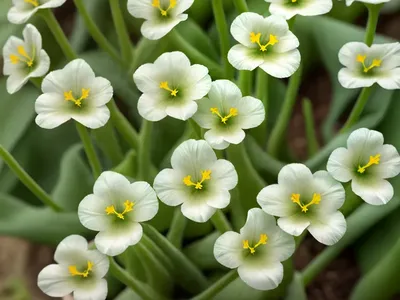
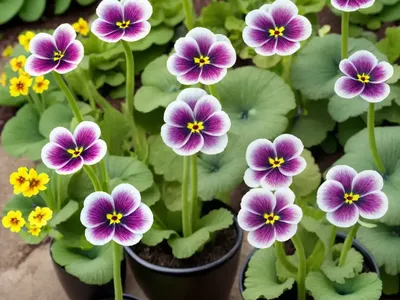
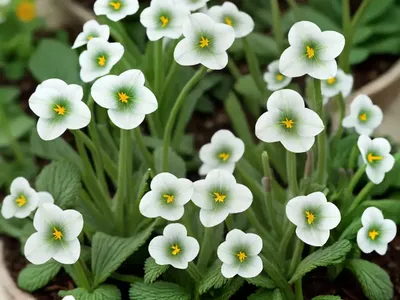
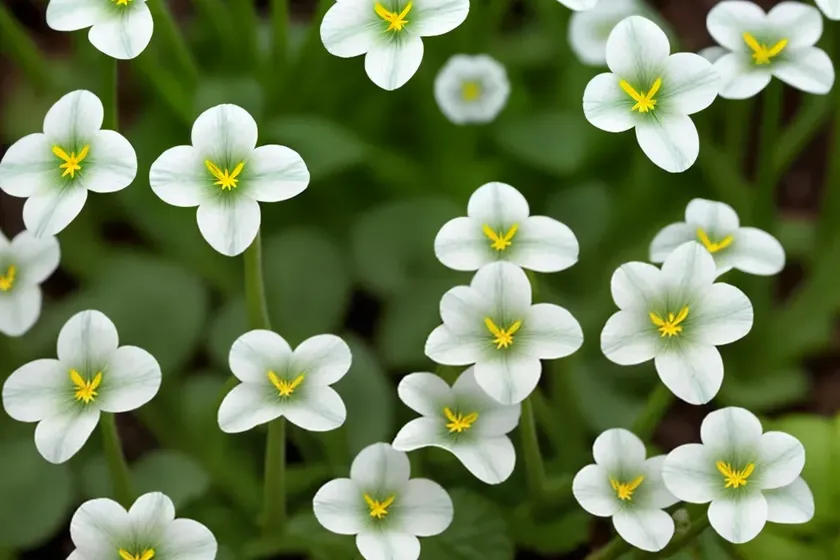
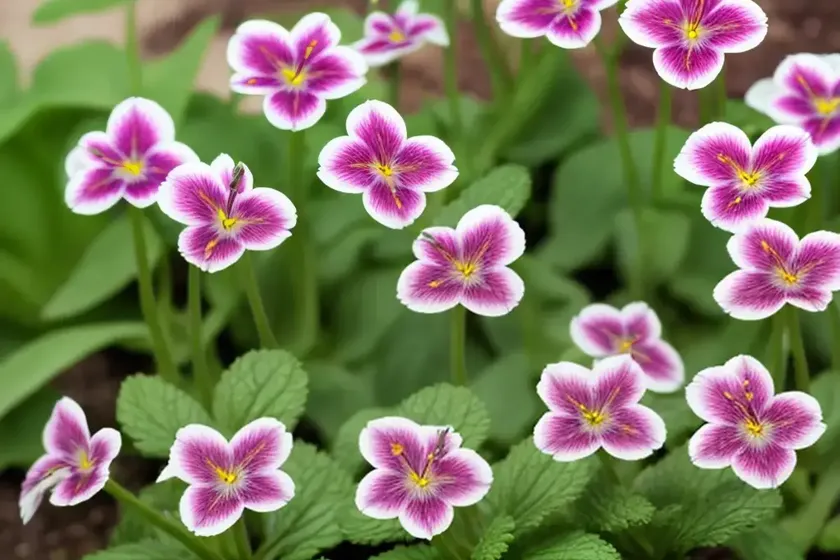
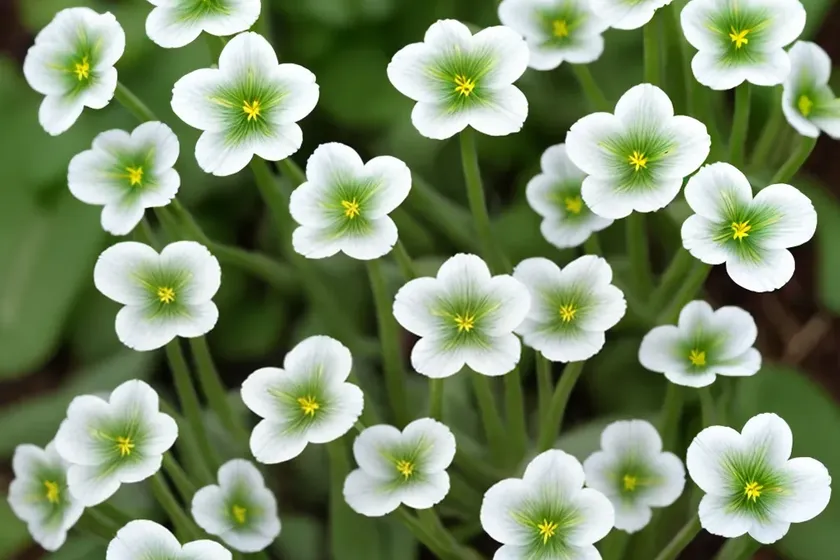
Primula obconica, commonly referred to as Poison Primrose, is a species of flowering plant in the Primulaceae family. It is native to China and is well-known for its attractive, brightly colored blooms, making it a popular choice for ornamental purposes in gardens and indoor spaces. The plant is characterized by its rosette of ovate, oblong, and wrinkled leaves, with clusters of delicate flowers that can range in color from pale pink and mauve to white. Its compact growth habit and vibrant floral display have contributed to its widespread cultivation in the horticultural industry.
Key Takeaways – Poison Primrose (Primula obconica)
Before delving into the detailed care guide for Poison Primrose, let’s highlight key points that will be covered in this article:
- Toxic Primrose: Understanding the potential toxic effects of Primula obconica.
- Culture: Exploring the cultural requirements for successful growth.
- Uses: Discussing the various applications of Poison Primrose in landscaping and indoor gardening.
- Water, Sunlight, Fertilizer, Soil: Providing insights into the essential care aspects for optimal plant health.
- Pruning, Propagation: Tips for pruning and propagating Poison Primrose.
- Container Popularity: Understanding its popularity as a container plant.
- Common Diseases: Identifying and addressing common diseases that affect Primula obconica.
- Common Pests: Exploring pest management strategies for this plant.
- Botanist’s Tips: Professional insights for cultivating and maintaining Poison Primrose.
- Fun Facts: Engaging facts and trivia related to this unique plant species.
Now, let’s dive into the specifics of caring for Poison Primrose to ensure its well-being while being mindful of its potential hazards.
Culture
Cultivating Poison Primrose requires a nuanced understanding of its cultural requirements to ensure optimal growth and minimize potential risks associated with its toxicity. From suitable environmental conditions to proper watering and feeding practices, the plant’s culture plays a pivotal role in its overall well-being.
Uses
Poison Primrose, despite its hazardous nature, is appreciated for its ornamental value and finds application in both outdoor and indoor settings. Before we delve into the specific care aspects, it’s important to recognize its common uses in horticulture and landscaping.
Water
An essential aspect of caring for Poison Primrose is to manage its water requirements effectively. Adequate hydration is crucial for the plant’s health and vitality, but overwatering can lead to various issues. Finding the right balance in watering is key to nurturing healthy Primula obconica specimens.
Sunlight
Understanding the plant’s sunlight preferences is essential for providing an optimal growing environment. Primula obconica’s response to light conditions can influence its overall performance and flowering behavior, necessitating careful consideration of sun exposure.
Fertilizer
Fertilizing Poison Primrose is a delicate task that requires tailored approaches to avoid exacerbating its toxic properties while ensuring adequate nutrition. Balancing the plant’s fertilizer needs with its inherent toxicity is a critical aspect of its care regimen.
Soil
The choice of soil and its composition can significantly impact Poison Primrose’s growth and well-being. Factors such as drainage, pH levels, and substrate quality are essential considerations when creating an appropriate growing medium for this plant.
Pruning
Pruning plays a crucial role in managing the growth and appearance of Poison Primrose while promoting its overall health. Understanding the principles of effective pruning and its application to this species is vital for maintaining its desired form and vitality.
Propagation
Exploring propagation methods for Poison Primrose enables enthusiasts and professionals to expand their plant collections and contribute to its preservation. Various techniques can be employed to propagate Primula obconica successfully.
Container Popularity
The allure of cultivating Poison Primrose in containers has contributed to its widespread appeal as a potted plant. Understanding its suitability for container growth and the associated care considerations is essential for successful cultivation.
Common Diseases
As with any plant, Poison Primrose is susceptible to certain diseases and disorders that can affect its appearance and health. Identification and management of these ailments are critical for preserving the plant’s well-being.
Disease Diagnosis
Accurately diagnosing and addressing diseases that afflict Poison Primrose requires a keen understanding of common symptoms and causal agents. Timely intervention is essential to prevent the spread of diseases and mitigate their impact on the plant.
Common Pests
In addition to diseases, Poison Primrose is vulnerable to pest infestations that can compromise its health and aesthetic appeal. Implementing effective pest management strategies is integral to safeguarding the plant from destructive intruders.
Botanist’s Tips
Drawing from professional expertise and practical insights, botanist’s tips provide valuable guidance for cultivating and caring for Poison Primrose. Leveraging these recommendations can enhance the success of nurturing this unique plant species.
Fun Facts
Exploring the intriguing aspects of Poison Primrose adds an element of fascination to its cultivation. Uncovering captivating facts and trivia about this plant offers a deeper appreciation for its significance and allure.
Now that we’ve outlined the key sections to be covered in this guide, let’s delve into each topic in greater detail. From understanding the toxic nature of Poison Primrose to unraveling its care nuances and practical tips for cultivation, this comprehensive resource aims to equip enthusiasts and professionals with the knowledge needed to foster healthy and thriving Primula obconica specimens.
In the sections that follow, we will navigate through the intricate world of Poison Primrose, addressing its cultural requirements, applications, potential risks, and maintenance strategies. Whether you’re a seasoned horticulturist or an avid plant enthusiast, this guide aims to offer valuable insights and practical advice for successfully cultivating and appreciating this captivating species.
Links to External Resources
To further explore the various facets of Poison Primrose and delve deeper into its care and cultivation, the following external resources provide valuable information and insights:
- Royal Horticultural Society – Poisonous Plants
- National Capital Poison Center – Poisonous Plants and Plant Parts
- University of California Agriculture and Natural Resources – Integrated Pest Management
By leveraging these external resources, enthusiasts and professionals can access additional perspectives and expert guidance related to Poison Primrose. These sources contribute to a comprehensive understanding of the plant’s care, toxicity considerations, and practical applications in horticulture and gardening practices.
With the foundation laid for our comprehensive guide, we will proceed to explore each section in detail, providing in-depth insights and practical recommendations for cultivating and caring for Poison Primrose (Primula obconica). Stay tuned for an enriching journey into the world of this captivating plant species.