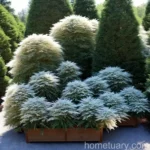
Canadian Hemlock (Tsuga canadensis ‘Slenderella’)
Canadian hemlock, scientifically known as Tsuga canadensis ‘Slenderella,’ is an elegant and graceful evergreen tree that is native to the forests of northeastern North America. Its slender weeping branches, soft needles, and overall unique aesthetic make it a prized addition to gardens and landscapes. This blog post will delve into the various aspects of Canadian hemlock, including its culture, uses, care requirements, common diseases, pests, and interesting facts.
What is Plant Canadian Hemlock (Tsuga canadensis ‘Slenderella’)?
Canadian hemlock, also known as Eastern hemlock, is a species of coniferous tree in the pine family (Pinaceae). It is recognized for its slender form, dense foliage, and pendulous branches, which give it a distinctly graceful appearance. The ‘Slenderella’ cultivar of Tsuga canadensis is particularly valued for its more compact and narrow growth habit, making it a popular choice for smaller garden spaces and landscapes.
Key Takeaways – Canadian Hemlock (Tsuga canadensis ‘Slenderella’)
Before delving into the specific details of Canadian hemlock, let’s outline the key takeaways that will be covered in this blog post:
- Culture
- Uses
- Water
- Sunlight
- Fertilizer
- Soil
- Pruning
- Propagation
- Container Popularity
- Container Common Diseases
- Disease Diagnosis
- Common Pests
- Botanist’s Tips
- Fun Facts
- Links to External Resources
Now we will explore each of these aspects in detail to provide comprehensive insights into the care and characteristics of Canadian hemlock.
Culture
Water
Canadian hemlock prefers consistently moist soil, particularly during its early years of establishment. Adequate watering is crucial for promoting healthy growth, especially during dry periods. However, it is essential to avoid waterlogged conditions, as this can lead to root rot and other moisture-related issues.
Sunlight
In terms of sunlight requirements, Canadian hemlock thrives in partially shaded to fully shaded locations. It is well-suited for woodland gardens and areas with dappled sunlight. In hot climates, providing protection from intense afternoon sun is beneficial for the tree’s overall health and vitality.
Fertilizer
When it comes to fertilization, Canadian hemlock benefits from an annual application of a balanced, slow-release fertilizer. This can be applied in early spring before the onset of new growth. It is important to follow the recommended dosage to prevent over-fertilization, which can have adverse effects on the tree.
Soil
Canadian hemlock thrives in well-draining, acidic soils. Soil pH levels between 5.0 and 6.5 are ideal for supporting the tree’s nutrient uptake and overall health. Additionally, incorporating organic matter into the soil can further enhance its growing conditions.
Uses
Landscape Ornamental
Canadian hemlock, particularly the ‘Slenderella’ cultivar, is widely used as an ornamental tree in landscapes and gardens. Its graceful form and attractive foliage make it a stunning addition to shaded areas, woodland gardens, and as a specimen tree.
Privacy Screening
Due to its dense growth habit and evergreen nature, Canadian hemlock is often utilized as a privacy screen or hedge, providing a sense of seclusion and natural beauty to outdoor spaces.
Erosion Control
The extensive root system of Canadian hemlock makes it effective for erosion control on slopes and hillsides. The tree’s ability to stabilize soil and prevent erosion makes it valuable in landscaping and conservation efforts.
Pruning
Pruning Technique
When it comes to pruning Canadian hemlock, it is essential to approach it with care due to its sensitivity to pruning. Light and selective pruning can be performed to shape the tree or remove any dead or damaged branches. It is advisable to avoid heavy pruning, especially on older specimens, to prevent stress and potential decline.
Propagation
Canadian hemlock can be propagated through several methods, including seed propagation and vegetative propagation. The ‘Slenderella’ cultivar can also be propagated through cuttings to maintain its specific characteristics. Propagation through cuttings involves taking stem cuttings from a healthy parent tree and rooting them in a suitable growing medium under controlled conditions.
Container Popularity
Canadian hemlock, including the ‘Slenderella’ variety, is well-suited for container cultivation. Its compact size and graceful form make it an excellent choice for adding greenery to patios, decks, and small outdoor spaces.
Common Diseases
Disease Resistance
Canadian hemlock, including the ‘Slenderella’ cultivar, exhibits good tolerance to various diseases. However, it is susceptible to certain issues such as:
- Needle blight diseases
- Rust diseases
- Root rot (due to waterlogged conditions)
Disease Prevention
To prevent diseases, it is essential to ensure proper cultural practices, including adequate watering, air circulation, and avoiding overhead irrigation. Additionally, monitoring the tree for any signs of disease and promptly addressing any issues can help maintain its health.
Common Pests
Pests Control
While Canadian hemlock is relatively resistant to pests, it can occasionally face issues such as:
- Hemlock woolly adelgid
- Spruce spider mites
- Bagworms
Implementing integrated pest management practices, including regular inspections and using horticultural oils or insecticidal soaps as needed, can help control pest infestations.
Botanist’s Tips
As a plant scientist with expertise in Canadian hemlock, I would like to share the following tips for cultivating and caring for Tsuga canadensis ‘Slenderella’ and other hemlock varieties:
- Maintain adequate soil moisture, especially during hot and dry periods, to support the tree’s growth and vitality.
- Regularly monitor the tree for any signs of disease or pest infestations, and take proactive measures to address any issues.
- Avoid heavy pruning, particularly on older specimens, to prevent stress and maintain the tree’s natural form.
- Consider the tree’s mature size and growth habit when selecting its planting location to ensure sufficient space for its development.
Fun Facts
Interesting Tidbits about Canadian Hemlock
- The needles of Canadian hemlock are flattened and typically have two white bands on the underside, a distinctive feature that sets it apart from other conifer species.
- The wood of Canadian hemlock has been historically used for various purposes, including construction, furniture making, and pulpwood for paper production.
- In its natural habitat, Canadian hemlock provides important ecological value as a component of forest ecosystems, offering habitat for wildlife and contributing to soil stabilization.
Links to External Resources
For further information on Canadian hemlock, its care, and cultivation, the following resources can provide valuable insights:
- Royal Horticultural Society – Tsuga canadensis ‘Slenderella’
- University of Florida IFAS Extension – Hemlock Trees for Central Florida Landscapes
- Missouri Botanical Garden – Tsuga canadensis ‘Slenderella’
In conclusion, the Canadian hemlock, specifically Tsuga canadensis ‘Slenderella,’ stands as a captivating and valuable tree species with its ornamental beauty and diverse uses in landscaping and conservation. By understanding its cultural requirements, uses, and potential challenges, gardeners and enthusiasts can effectively cultivate and appreciate the unique charm of this iconic evergreen tree.
For individuals seeking to enhance their outdoor spaces with a touch of elegance, the ‘Slenderella’ cultivar of Canadian hemlock offers a compelling option, showcasing nature’s artistry and resilience within garden landscapes.