Cardinal Flower (Lobelia Cardinalis)
Plants have always been an integral part of our lives. They not only add beauty to our surroundings but also offer numerous benefits to the environment and.
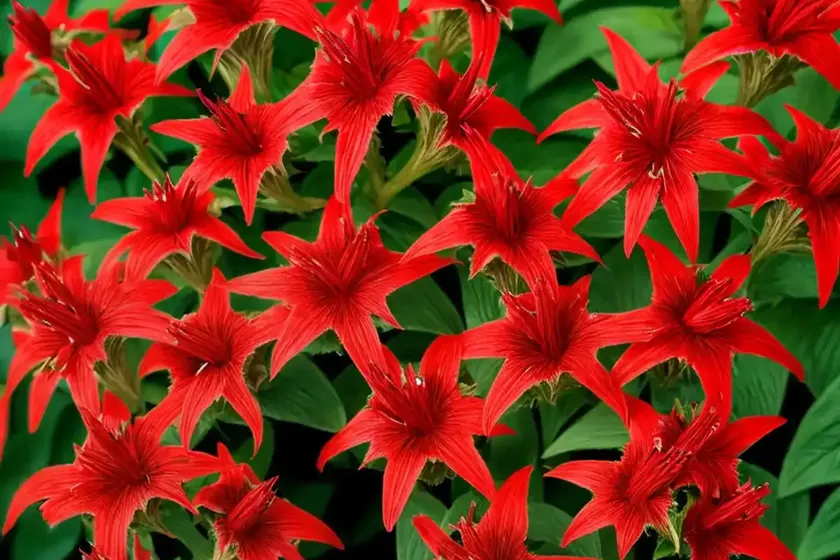
Plants have always been an integral part of our lives. They not only add beauty to our surroundings but also offer numerous benefits to the environment and to us as well. One such plant is the Cardinal Flower, scientifically known as Lobelia Cardinalis. This stunning perennial brings a pop of vibrant red to any garden and is a favorite among many gardening enthusiasts. In this comprehensive guide, we will delve into the various aspects of this beautiful plant, from its cultural requirements to its propagation, common diseases, and so much more.
What is the Cardinal Flower (Lobelia Cardinalis)?
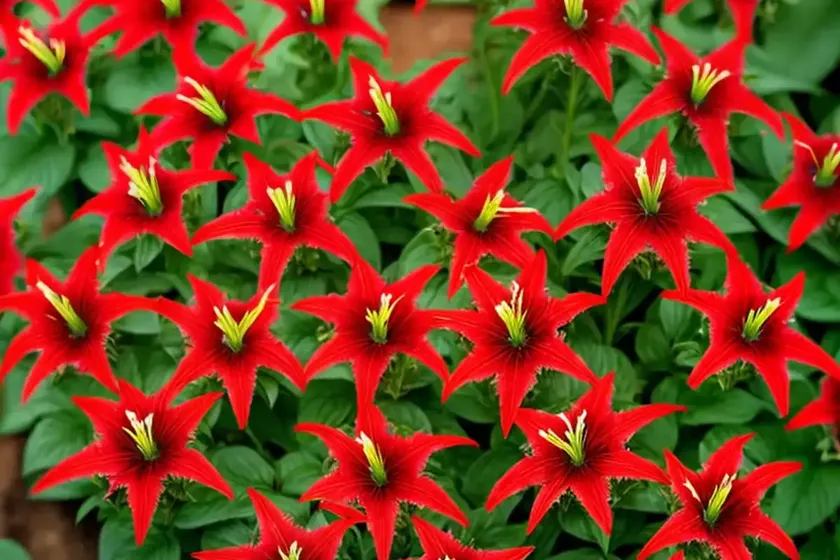
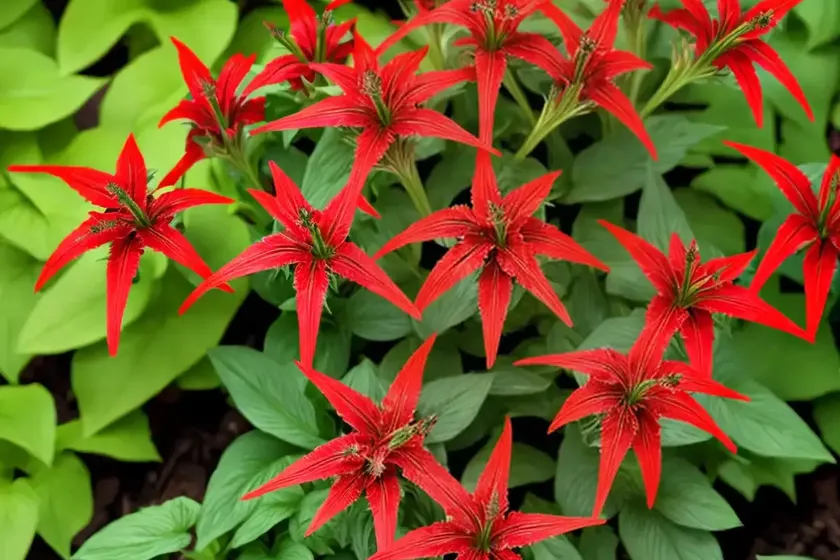
The Cardinal Flower (Lobelia Cardinalis) is a herbaceous perennial plant that is native to the Americas. It is a member of the Campanulaceae family and is known for its striking scarlet-red tubular flowers that bloom on tall, slender spikes. The plant typically thrives in moist or wet soil, making it an excellent choice for gardens with water features or naturally damp areas. The Cardinal Flower is beloved by pollinators, particularly hummingbirds and butterflies, making it a delightful addition to any wildlife garden.
Key Takeaways – Cardinal Flower (Lobelia Cardinalis)
Before we delve into the specifics of caring for the Cardinal Flower, let’s quickly review the key takeaways about this captivating plant:
- Scientific Name: Lobelia Cardinalis
- Family: Campanulaceae
- Common Names: Cardinal Flower, Cardinal Lobelia, Red Lobelia
- Plant Type: Herbaceous perennial
- Flower Color: Scarlet-red
- Growth Habit: Upright, clump-forming
- Native Habitat: Americas
- Attracts: Hummingbirds, butterflies
- Ideal for: Wildlife gardens, moist areas
Now that we have a general understanding of the Cardinal Flower, let’s explore the specific cultural requirements for growing and caring for this splendid plant.
Culture
Cultivating the Cardinal Flower successfully involves understanding and meeting its specific environmental needs. From water requirements to sunlight preferences, let’s take a closer look at the cultural considerations for this remarkable plant.
Water
The Cardinal Flower thrives in consistently moist to wet soil. In its natural habitat, it is often found along the edges of streams, ponds, and other water bodies. Therefore, when cultivating this plant, it is crucial to ensure that the soil remains consistently moist, especially during the growing season. However, it’s essential to avoid waterlogged conditions, as excessive water can lead to root rot and other diseases.
Sunlight
In terms of sunlight requirements, the Cardinal Flower prefers partial shade to full sun. While it can tolerate some shade, it tends to produce the most vibrant blooms when grown in full sun. When selecting a spot for your Cardinal Flower, aim for a location that receives at least 6-8 hours of sunlight per day for optimal growth and flowering.
Fertilizer
The Cardinal Flower is not particularly demanding when it comes to fertilization. However, incorporating a balanced, slow-release fertilizer into the soil during the growing season can help promote healthy growth and abundant flowering. A general-purpose fertilizer with an N-P-K ratio of 10-10-10 or similar can be applied in spring, following the package instructions for application rates.
Soil
As previously mentioned, the Cardinal Flower thrives in moist to wet soil. It performs best in rich, humusy soil that is well-draining yet capable of retaining moisture. A soil pH ranging from slightly acidic to neutral (pH 6.0-7.0) is ideal for this plant. If your soil is heavy or tends to dry out quickly, consider amending it with organic matter such as compost or well-rotted manure to improve its moisture retention and fertility.
Pruning
Pruning the Cardinal Flower is relatively straightforward. Deadheading spent flowers can encourage the plant to produce additional blooms and can also help prevent self-seeding, as the Cardinal Flower can be prolific in its reseeding habits. Additionally, cutting back the stems to ground level in late fall or early spring can promote tidier growth and rejuvenate the plant for the upcoming season.
Propagation
Propagating the Cardinal Flower allows you to expand your collection of these stunning plants and share them with fellow gardening enthusiasts. There are several methods of propagation that can be employed to propagate the Cardinal Flower successfully.
Seeds
Propagating the Cardinal Flower from seeds is a popular and rewarding method. The seeds can be collected from mature seed pods and sown directly in the garden in fall or indoors in late winter. Before sowing, it is beneficial to stratify the seeds by refrigerating them for a few weeks to simulate the natural winter conditions they would experience outdoors. Once sown, the seeds typically germinate within 14-21 days, given the right conditions of warmth and moisture.
Division
Dividing mature Cardinal Flower clumps allows you to create new plants and also helps rejuvenate the existing ones. This can be done in early spring before new growth emerges or in early fall when the plant is preparing to go dormant. Use a sharp, clean tool to carefully divide the root clump into several sections, ensuring that each division has both roots and shoots. Replant the divided sections in prepared soil and water them thoroughly to help them establish quickly.
Cuttings
While less commonly practiced than seed sowing or division, propagating the Cardinal Flower from stem cuttings can be successful with proper care. Take 4-6 inch cuttings from healthy, non-flowering stems and remove the lower leaves, leaving a few at the top. Dip the cut end in a rooting hormone to encourage root development, then plant the cuttings in a container filled with a well-draining, moist propagating medium. Place the container in a warm, bright location and keep the medium consistently moist, and the cuttings should form roots within a few weeks.
Container Popularity
The Cardinal Flower’s striking blooms and attractive growth habit make it a popular choice for container gardening. Whether you have a small urban balcony or a spacious patio, growing the Cardinal Flower in containers allows you to enjoy its beauty up close and provides the flexibility to move the plant to ideal growing conditions as needed.
When selecting a container for your Cardinal Flower, opt for a large pot with drainage holes to ensure proper water drainage and adequate space for the plant’s root system. Additionally, choose a high-quality potting mix that retains moisture while also providing good aeration to the roots. Regular watering and occasional fertilization can help the Cardinal Flower thrive in a container setting.
Common Diseases
Like all plants, the Cardinal Flower is susceptible to certain diseases, particularly when its cultural needs are not met or during periods of environmental stress. Being aware of common diseases and their symptoms allows you to promptly address any issues and help your Cardinal Flowers remain healthy and vigorous.
Disease Diagnosis
Several diseases can affect the Cardinal Flower, with the most common ones including:
- Powdery Mildew: This fungal disease presents as a white, powdery substance on the leaves and stems. It can weaken the plant and reduce its overall vigor, especially if left untreated.
- Root Rot: Excessive moisture or poorly draining soil can lead to root rot, which is often characterized by wilting, yellowing leaves, and a foul odor emanating from the roots.
- Leaf Spot: Leaf spot diseases cause dark lesions to form on the foliage, affecting the plant’s ability to photosynthesize and potentially leading to defoliation.
Promptly identifying and addressing these issues is crucial to preventing their spread and minimizing their impact on the plant. Proper cultural practices, such as providing good air circulation, avoiding overhead watering, and maintaining optimal growing conditions, can help reduce the risk of disease occurrence.
Common Pests
In addition to diseases, the Cardinal Flower can also fall victim to certain pests that may compromise its health and appearance. Being vigilant about pest activity and knowing how to manage and control them is essential for maintaining the well-being of your plants.
Some common pests that may affect the Cardinal Flower include:
- Aphids: These tiny, soft-bodied insects can cluster on the tender new growth of the plant, sucking sap and causing deformities and stunted growth.
- Slugs and Snails: These mollusks can feed on the foliage and tender shoots of the Cardinal Flower, causing unsightly damage and potentially hindering its growth.
- Japanese Beetles: These voracious pests can skeletonize the leaves of the plant, impacting its ability to photosynthesize and leading to diminished vigor.
Regular inspection of your plants and the use of natural or chemical controls, such as insecticidal soaps, horticultural oils, or biological controls, can help manage pest infestations and protect the Cardinal Flower from significant damage.
Botanist’s Tips
As a plant scientist, I’ve gathered some valuable insights and tips for successfully growing and caring for Cardinal Flowers. Here are a few key recommendations:
- Provide Adequate Moisture: Ensuring that the soil remains consistently moist, especially during periods of active growth, is crucial for the Cardinal Flower’s well-being.
- Monitor Sunlight Exposure: While the Cardinal Flower can tolerate some shade, it tends to bloom most abundantly when grown in full sun. Choose a sun-drenched spot for optimal results.
- Practice Regular Maintenance: Deadheading spent flowers and cutting back the plant in late fall or early spring can help maintain its appearance and promote continual flowering.
Fun Facts
To add a touch of excitement and wonder, here are some fun and intriguing facts about the Cardinal Flower:
- The vibrant red blooms of the Cardinal Flower are specially adapted to attract hummingbirds, making it a favorite among these remarkable avian pollinators.
- The plant’s scientific name, Lobelia Cardinalis, is derived from the shape of its flowers, which resemble the papal robes of a cardinal.
- In some Native American cultures, the Cardinal Flower is revered for its medicinal properties and is used in traditional herbal remedies.
Links to External Resources
For further information and exploration of the Cardinal Flower, consider checking out the following external resources:
- The Spruce – How to Grow and Care for Cardinal Flowers
- Missouri Botanical Garden – Lobelia Cardinalis
- USDA Plants Database – Lobelia Cardinalis
In conclusion, the Cardinal Flower is a captivating and rewarding plant to include in your garden or landscape. Its stunning blooms, attraction to pollinators, and adaptable nature make it an excellent choice for both experienced gardeners and beginners alike. By understanding and meeting its specific cultural needs, managing potential diseases and pests, and incorporating the botanist’s tips, you can cultivate thriving Cardinal Flowers that brighten your outdoor spaces year after year.
Whether you’re drawn to the Cardinal Flower for its symbolic significance, wildlife appeal, or simply the joy of nurturing a vibrant and resilient plant, this stunning perennial is sure to make a lasting impression in any garden or landscape.
Disclaimer: The content in this blog post is for informational purposes only and does not constitute professional advice.