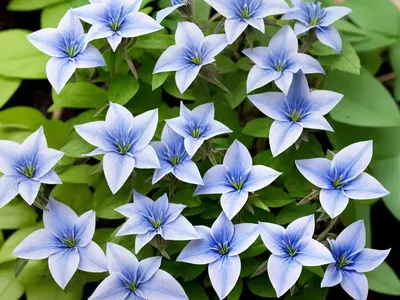
Lobelia Erinus (Trailing Lobelia)
By [Your Name]
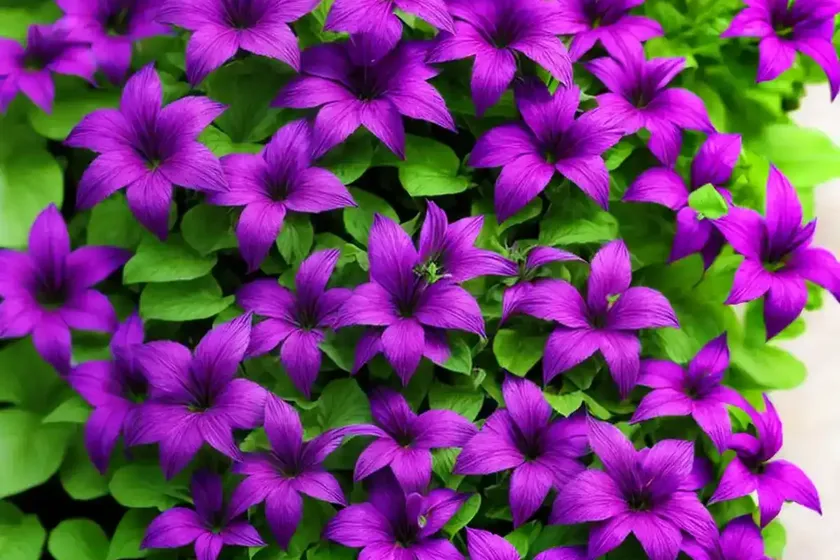
By [Your Name]
What is Lobelia erinus?
Lobelia erinus, commonly known as Trailing Lobelia, is a versatile and charming plant known for its cascading habit and colorful blooms. Belonging to the family Campanulaceae, this low-growing perennial is native to South Africa, where it thrives in the cool and moist conditions of its natural habitat.
Trailing Lobelia is a popular choice for gardeners and landscapers, appreciated for its ability to spill gracefully over containers, hanging baskets, and garden edges, adding a splash of vibrant hues to the surroundings. With its long-lasting blooms and easy-going nature, Lobelia erinus has earned a special place in both formal and informal garden designs.
In this comprehensive guide, we will explore the culture, uses, care tips, propagation methods, and much more, to help you unleash the full potential of this delightful plant in your garden.
Key Takeaways – Lobelia erinus (Trailing Lobelia)
Before delving into the detailed aspects of Lobelia erinus, let’s have a quick look at the key takeaways that we will cover in this guide:
-
Culture of Lobelia erinus
-
Uses of Trailing Lobelia
-
Plant Care – Water, Sunlight, Fertilizer, and Soil Preferences
-
Pruning Techniques for Lobelia erinus
-
Propagation Methods
-
Growing Lobelia erinus in Containers
-
Common Diseases and Pest Control
-
Botanist’s Tips, Fun Facts, and Medicinal Uses
-
Links to External Resources
Culture of Lobelia erinus
Understanding the cultural requirements of Lobelia erinus is essential for its successful growth and abundant flowering. Let’s explore the key aspects of its culture:
Uses
-
Ornamental Beauty: Trailing Lobelia is valued for its ornamental appeal. Its trailing habit makes it a popular choice for hanging baskets, window boxes, and container gardens.
-
Landscape Planting: It can be used as a ground cover in flower beds and along garden borders, adding a pop of color to the landscape.
-
Pollinator Attractor: The vibrant flowers of Lobelia erinus attract pollinators such as butterflies and hummingbirds, making it a valuable addition to wildlife-friendly gardens.
-
Medicinal Uses: In traditional herbal medicine, Lobelia has been used for various medicinal purposes, although caution should be exercised due to its toxicity.
Water
-
Moisture-Loving: Lobelia erinus thrives in consistently moist soil. It’s important to keep the soil evenly moist, but not waterlogged, to ensure healthy growth and prolific flowering.
-
Drought Sensitivity: While it appreciates moisture, it is susceptible to drying out, especially during hot, dry spells. Adequate watering is crucial during such periods.
Sunlight
-
Partial Shade to Full Sun: Trailing Lobelia prefers partial shade, especially in regions with hot summers. However, it can also thrive in full sun in cooler climates, provided it receives ample moisture.
-
Sunlight and Flowering: Adequate sunlight is essential for abundant flowering, but protection from intense midday sun can prevent wilting and scorching of the delicate blooms.
Lobelia erinus – Plant Care Tips
Fertilizer
-
Balanced Fertilization: Use a balanced, water-soluble fertilizer at half-strength every 2-4 weeks during the growing season to promote healthy foliage and continuous blooms.
-
Avoid Excess Fertilization: Overfeeding can lead to excessive foliage growth at the expense of flowers. It’s essential to follow the recommended dosage to maintain a balance.
Soil
-
Well-Draining Loam: Lobelia erinus thrives in well-draining, fertile soil with a slightly acidic to neutral pH range (6.0-6.8).
-
Container Mix: For container planting, use a high-quality potting mix amended with organic matter to ensure adequate moisture retention and nutrient availability.
Pruning
-
Deadheading Spent Blooms: Regular removal of spent flowers promotes continuous blooming and maintains a tidy appearance.
-
Trimming Leggy Growth: If the plant becomes leggy, light pruning can encourage bushier growth and enhance its overall appearance.
Propagation Methods
Division
- Spring Propagation: Propagate Lobelia erinus through division in the early spring. Gently separate the clumps and replant them in moist, well-prepared soil.
Seed Propagation
-
Sowing Indoors: Start seeds indoors 8-10 weeks before the last frost date. Sow the seeds on the soil surface and lightly press them down without covering them.
-
Transplanting Seedlings: Once the seedlings have developed several true leaves, they can be transplanted into individual containers or outdoor garden beds.
Growing Lobelia erinus in Containers
Container Popularity
-
Hanging Baskets: Trailing Lobelia is a popular choice for hanging baskets, where its cascading form and colorful blooms create captivating displays.
-
Window Boxes and Planters: It also thrives in window boxes and container planters, offering a versatile option for adding color to balconies and patios.
Container Common Diseases
-
Rot Diseases: Overwatering or poorly-draining soil can lead to root rot, which can affect the overall health of the plant.
-
Botrytis Blight: In high humidity and damp conditions, Trailing Lobelia is susceptible to botrytis blight, leading to wilting and decay of the flowers and foliage.
Disease Diagnosis
-
Symptoms: Look for signs of wilting, yellowing, or browning of the foliage, as well as the presence of mold or mildew on the plant surface.
-
Preventive Measures: Proper watering practices, adequate air circulation, and maintaining overall plant hygiene can reduce the risk of diseases.
Common Pests
Aphids
-
Sucking Pests: Aphids can infest the tender new growth of Lobelia erinus, leading to distorted leaves and reduced plant vigor.
-
Control Measures: Natural predators such as ladybugs can help control aphid populations. Additionally, a strong blast of water can dislodge them from the plant.
Slugs and Snails
-
Feeding Damage: Slugs and snails are known to feed on the foliage and tender shoots of Trailing Lobelia, leaving behind ragged edges and holes.
-
Control Measures: Beer traps, copper barriers, and organic slug pellets serve as effective means of controlling slug and snail populations.
Botanist’s Tips
-
Companion Plants: Pair Lobelia erinus with complementary companions such as bacopa, calibrachoa, and fuchsia for stunning mixed container displays.
-
Edging Plant: Along garden borders and pathways, the low-growing habit of Trailing Lobelia creates a neat and colorful edge, enhancing the overall landscape design.
Fun Facts
-
Historical Significance: In Native American medicine, Lobelia was used for respiratory and muscle disorders, although its use in contemporary herbalism is limited due to its toxic nature.
-
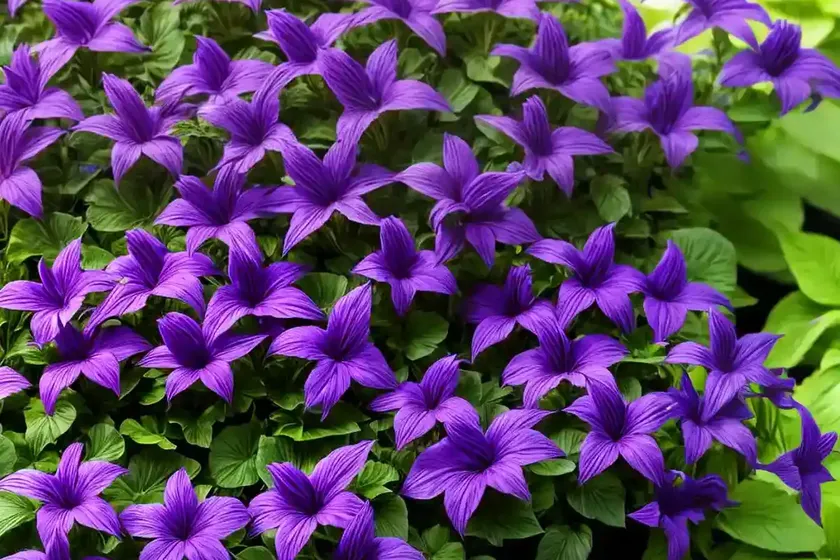
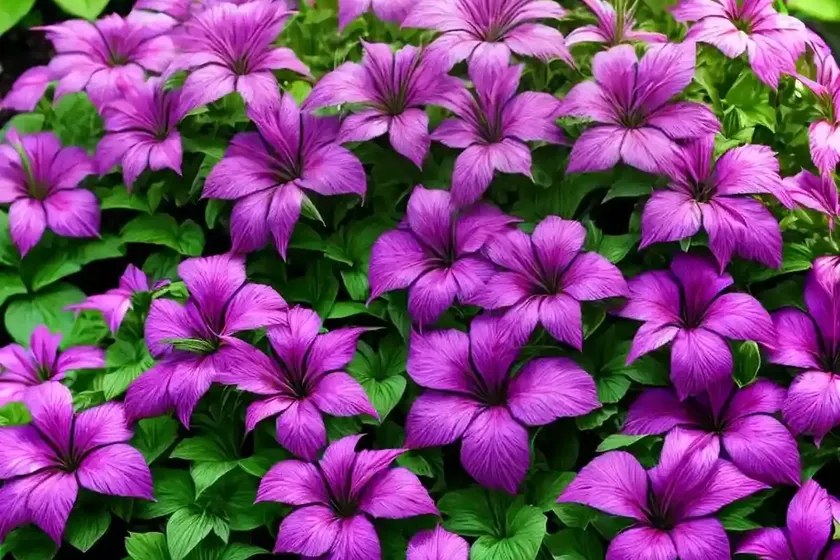
Color Varieties: Trailing Lobelia is available in a wide array of colors, including shades of blue, purple, pink, and white, offering ample choices for creative plant combinations.
External Resources
For further information and resources on Lobelia erinus, check out the following links:
- Royal Horticultural Society – Growing Lobelia
- University of Florida IFAS Extension – Lobelia erinus Propagation
- Missouri Botanical Garden – Lobelia erinus Profile
- National Gardening Association – Trailing Lobelia Care
In conclusion, Lobelia erinus, with its vibrant blooms and versatile growth habits, offers an array of possibilities for gardeners and enthusiasts. By understanding its cultural needs, implementing proper care techniques, and being mindful of potential diseases and pests, you can enjoy the beauty of Trailing Lobelia in your garden and landscape settings throughout the growing season.
Remember to explore its varied uses, experiment with different companion plants, and embrace the joyful charm it brings to your outdoor spaces. With the right care and attention, Lobelia erinus can truly shine as a captivating addition to any garden or container display.
I hope this comprehensive guide has provided valuable insights into the world of Trailing Lobelia and inspired you to incorporate this charming plant into your gardening endeavors.
Happy gardening!
Note: The information provided in this guide is meant for educational and informational purposes. Specific care practices may vary based on regional climate and individual plant requirements. Always consult local gardening resources and professionals for tailored advice.