Marble Queen Pothos (Epipremnum aureum ‘Marble Queen’)
Keep Marble Queen pothos variegated and full: the right light, watering rhythm, soil, feeding, pruning and easy stem-cutting propagation.
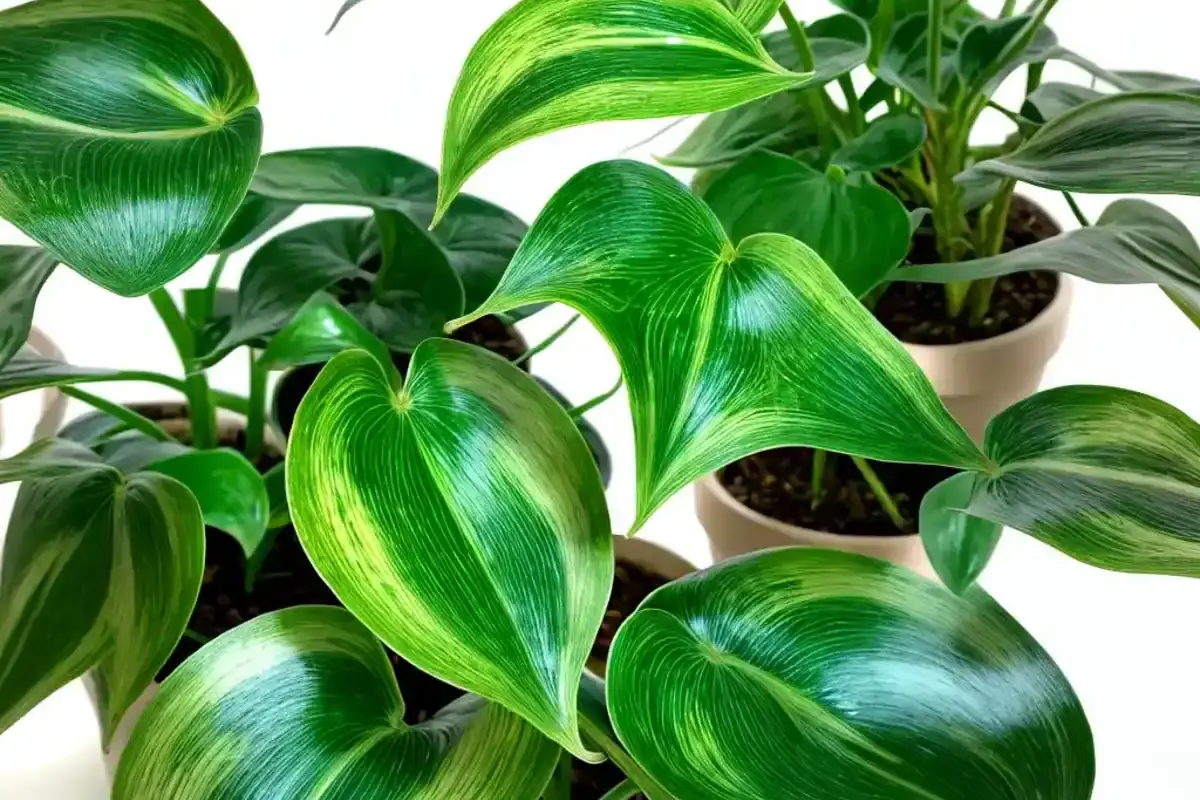
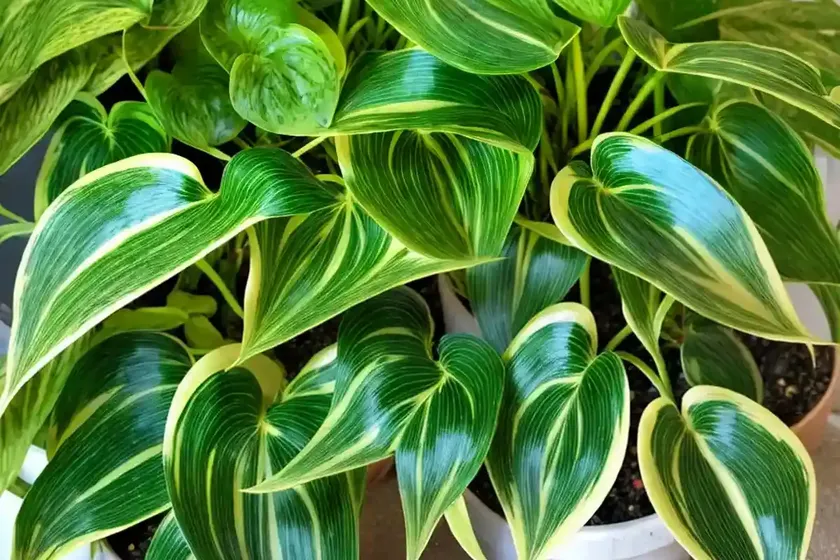
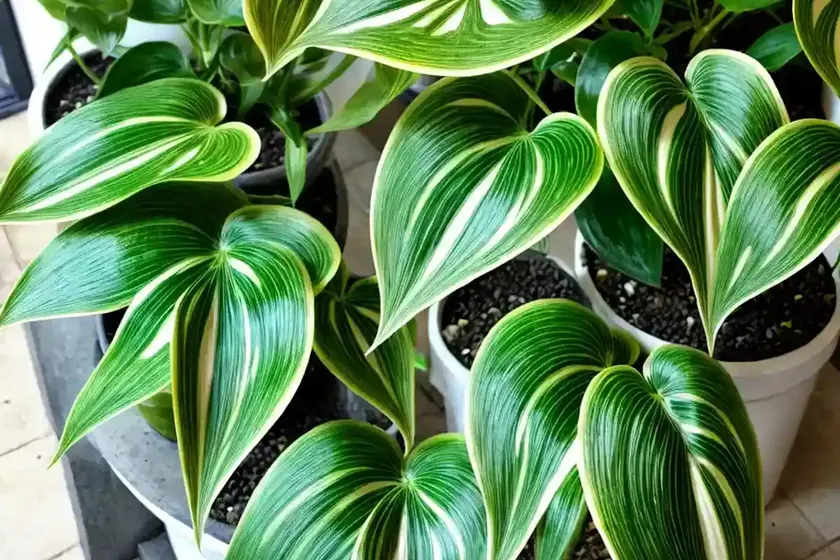
Plants are an integral part of our lives, adding beauty, freshness, and life to our surroundings. Among the vast array of plant species, the Marble Queen Pothos (Epipremnum Aureum ‘Marble Queen’) stands out as an exquisite and versatile houseplant. Its vibrant foliage, low maintenance requirements, and air-purifying features make it a popular choice for both beginner and experienced plant enthusiasts.
In this comprehensive guide, we will delve into the various aspects of Marble Queen Pothos care, including its cultural requirements, propagation, potential uses, common diseases and pests, and interesting facts about this stunning plant.
What is Marble Queen Pothos?
The Marble Queen Pothos, scientifically known as Epipremnum Aureum ‘Marble Queen’, is a tropical plant that belongs to the Araceae family. It is a variegated cultivar of the Epipremnum Aureum species, commonly referred to as Devil’s Ivy. This popular houseplant is cherished for its distinct foliage characterized by creamy-white and green marbled patterns, adding an elegant touch to any indoor space.
The Marble Queen Pothos is revered for its versatility, as it thrives in various indoor conditions and is relatively forgiving of occasional neglect. Its trailing vines and lush leaves make it an excellent choice for hanging baskets, decorative pots, or as a trailing plant on shelves and cabinets.
Key Takeaways – Marble Queen Pothos (Epipremnum Aureum ‘Marble Queen’)
Before we delve deeper into the care and maintenance of Marble Queen Pothos, let’s highlight the key takeaways for this remarkable plant:
- Plant Name: Marble Queen Pothos (Epipremnum Aureum ‘Marble Queen’)
- Common Name: Marble Queen Pothos, Marble Queen Devil’s Ivy
- Scientific Name: Epipremnum Aureum ‘Marble Queen’
- Family: Araceae
- Type: Tropical Vine/Trailing Plant
- Popular Uses: Indoor Decoration, Air Purification
- Toxicity: Mildly Toxic to Pets
- Growth Rate: Moderate
- Sunlight: Thrives in Indirect Light
- Watering: Allow Soil to Partially Dry Between Watering
- Soil: Well-Draining Potting Mix
- Propagation: Easy to Propagate from Cuttings
- Common Pests: Mealybugs, Spider Mites
- Common Diseases: Root Rot, Leaf Spot
- Fun Fact: Marble Queen Pothos is known for its air-purifying capabilities, making it an excellent addition to indoor spaces.
Culture
Understanding the cultural requirements of the Marble Queen Pothos is crucial for ensuring its health and vitality. Proper care in terms of water, sunlight, fertilizer, and soil can significantly impact the plant’s growth and overall appearance.
Water
Consistent and appropriate watering is essential for the well-being of Marble Queen Pothos. While it is crucial to provide adequate moisture, overwatering can lead to root rot and other issues. The general guideline for watering Marble Queen Pothos is to allow the top inch or two of the soil to dry out before watering again. This approach helps prevent waterlogged conditions and promotes healthy root development.
During the active growing season, typically spring and summer, Marble Queen Pothos may require more frequent watering due to increased evaporation and growth. On the other hand, in the dormant phase during fall and winter, the plant’s water requirements reduce, and it is essential to adjust the watering frequency accordingly.
Sunlight
Marble Queen Pothos thrives in bright, indirect light. While it can tolerate lower light conditions, it may not exhibit as vigorous growth or vibrant variegation patterns in such environments. Direct sunlight should be avoided, as it can scorch the delicate foliage of the plant.
Placing the Marble Queen Pothos near a north or east-facing window is ideal, as it allows the plant to receive the requisite amount of ambient light without being exposed to harsh, direct sun rays. Artificial grow lights can also be used to supplement natural light, particularly in spaces with limited sunlight exposure.
Fertilizer
Regular fertilization is beneficial for Marble Queen Pothos, especially during the active growing season. A balanced, water-soluble fertilizer formulated for houseplants can be applied at half-strength every 4-6 weeks during spring and summer. It is essential to reduce or cease fertilization during the fall and winter months when the plant enters a dormant phase.
Over-fertilization can result in salt build-up in the soil, leading to potential damage to the plant’s roots. Hence, adhering to the recommended dilution and frequency of fertilization is crucial to avoid fertilizer burn and related issues.
Soil
The choice of soil directly impacts the overall health and growth of Marble Queen Pothos. A well-draining potting mix that retains adequate moisture without becoming waterlogged is ideal for this plant. A mixture comprising peat moss, perlite, and vermiculite provides good aeration and moisture retention, creating a conducive environment for healthy root development.
When potting or repotting Marble Queen Pothos, it is essential to select a container with drainage holes to prevent water from accumulating at the base, which can lead to root rot. Additionally, using a potting mix rich in organic matter and nutrients supports the plant’s nutritional requirements and encourages robust growth.
Pruning
Regular pruning is an essential aspect of Marble Queen Pothos care, contributing to the plant’s overall health, aesthetic appeal, and vitality. Pruning helps manage the plant’s size, encourages bushier growth, and removes any damaged or diseased foliage.
Benefits of Pruning Marble Queen Pothos
- Managing Size: As Marble Queen Pothos is a trailing plant, pruning helps control its length and encourages branching, resulting in a fuller, lusher appearance.
- Removal of Unhealthy Growth: Pruning allows for the removal of yellowed, wilted, or diseased leaves, preventing the spread of infections and maintaining the plant’s overall vigor.
- Encouraging New Growth: By selectively trimming the stems, new growth points can be stimulated, resulting in denser foliage and a more compact growth habit.
Pruning Technique for Marble Queen Pothos
When pruning, it is essential to use clean, sharp scissors or pruning shears to avoid causing unnecessary damage to the plant. The following steps can be followed for effective pruning of Marble Queen Pothos:
-
Identify Dead or Yellowing Leaves: Begin by inspecting the plant for any discolored or unhealthy foliage that needs to be removed.
-
Cut at an Angle: Using the scissors or pruning shears, make clean cuts at a 45-degree angle just above a leaf node to encourage new growth at the pruning site.
-
Trim Overly Long Stems: To manage the plant’s length, trim long and leggy stems to promote a more compact and bushy appearance.
-
Regular Maintenance: It is advisable to carry out light pruning and maintenance regularly to prevent overgrowth and maintain the desired shape of the plant.
By practicing regular pruning, Marble Queen Pothos can be kept vibrant, healthy, and visually appealing, enhancing its decorative value in indoor spaces.
Propagation
The propagation of Marble Queen Pothos is relatively straightforward and can be accomplished through stem cuttings. This method allows plant enthusiasts to expand their Marble Queen Pothos collection or share the plant’s beauty with friends and family.
Steps for Propagating Marble Queen Pothos
-
Select Healthy Stem Cuttings: Choose a healthy stem with several leaves, ensuring that it has at least one or two nodes where roots can develop.
-
Prepare the Cutting: Using sharp, clean scissors, cut the stem just below a node, ensuring that the cutting is 4-6 inches in length. Remove any leaves near the lower portion of the cutting to expose the nodes.
-
Rooting Medium: Place the stem cutting in a container with water or directly into a potting mix. If using water, ensure that the nodes are submerged while the leaves remain above the water level. Alternatively, plant the cutting in a small pot with a well-draining rooting medium.
-
Root Development: Keep the cutting in a warm, bright location with indirect sunlight. Ensure that the water or soil remains consistently moist but not waterlogged. Roots should develop within a few weeks, after which the cutting can be transplanted into a larger container.
-
Transplanting: Once the cutting has developed a healthy root system, it can be transplanted into a suitable pot with well-draining soil, similar to the parent plant’s growing conditions.
By following these simple steps, Marble Queen Pothos can be successfully propagated, allowing for the expansion of its presence in various indoor settings.
Container Popularity
Given its attractive trailing nature and vibrant foliage, Marble Queen Pothos is a popular choice for various types of containers, adding visual appeal to different settings. Common container options for displaying Marble Queen Pothos include:
-
Hanging Baskets: The lush, trailing growth of Marble Queen Pothos makes it an ideal candidate for hanging baskets, where its vines can cascade gracefully, adding a touch of greenery to elevated spaces.
-
Decorative Pots: Placing Marble Queen Pothos in decorative pots further enhances its aesthetic value, making it a striking centerpiece or accent piece within a room.
-
Wall-Mounted Planters: Utilizing wall-mounted planters allows for the creation of vertical greenery, with Marble Queen Pothos vines draping elegantly along the walls, transforming the space into a lush, inviting environment.
-
Shelf and Ledge Displays: Marble Queen Pothos can be placed on shelves, ledges, or cabinet tops, utilizing its trailing nature to create visually appealing displays in various areas of the home or office.
Common Diseases and Diagnosis
Despite being a relatively low-maintenance plant, Marble Queen Pothos is susceptible to certain diseases and issues that can impact its health and aesthetics. Recognizing common diseases and their symptoms is crucial in implementing timely interventions to safeguard the plant’s well-being.
Common Diseases
-
Root Rot: Overwatering or waterlogged conditions can lead to root rot, resulting in wilting, yellowing foliage, and a foul odor emanating from the soil. To prevent root rot, it is essential to ensure proper drainage and allow the soil to partially dry out between watering.
-
Leaf Spot: Fungal infections, often exacerbated by overly wet conditions, can lead to the development of dark, water-soaked spots on the leaves. Adequate air circulation and regulated watering practices can help mitigate the risk of leaf spot.
-
Pothos Blight: This bacterial disease is characterized by dark, water-soaked lesions on the foliage, leading to wilting and subsequent collapse of the affected leaves. Pruning and removing infected plant parts, along with maintaining proper hygiene, can aid in managing Pothos blight.
Diagnosing Plant Issues
When observing signs of distress or abnormal growth in Marble Queen Pothos, it is essential to conduct a thorough assessment to diagnose the underlying problem. Key factors to consider during diagnosis include:
-
Visual Inspection: Carefully examine the entire plant, including the foliage, stems, and soil, to identify any visible signs of disease, pest infestation, or environmental stress.
-
Soil Moisture: Assess the moisture level of the soil to determine if overwatering or underwatering may be contributing to the plant’s issues.
-
Environmental Conditions: Consider factors such as light exposure, humidity levels, and temperature to ascertain if the plant’s growing conditions are optimal.
-
Pest Examination: Check the plant for any signs of common pests such as mealybugs, spider mites, or aphids, which can negatively impact Marble Queen Pothos.
By carefully evaluating these factors, plant enthusiasts can gain insights into the underlying causes of plant distress and take appropriate measures to address the issues effectively.
Common Pests
Pests can pose a significant threat to the health and vigor of Marble Queen Pothos, necessitating proactive measures to prevent and manage infestations. Understanding the common pests that affect the plant and implementing suitable control methods is crucial for preserving its ornamental value and health.
Common Pests Affecting Marble Queen Pothos
-
Mealybugs: These soft-bodied, cottony pests can be found on the foliage and stems, sucking plant juices and causing wilting and stunted growth. Mealybug infestations can be controlled through physical removal, insecticidal soaps, or horticultural oils.
-
Spider Mites: These tiny arachnids create fine webbing on the foliage and can cause stippling, discoloration, and wilting of the leaves. Regular misting, insecticidal sprays, and maintaining adequate humidity levels can help manage spider mite infestations.
-
Aphids: These small, pear-shaped insects congregate on new growth and tender stems, draining plant sap and causing distortion and yellowing of the foliage. Natural predators, such as ladybugs, or insecticidal sprays can be used to control aphid populations.
Pest Prevention and Control Strategies
-
Regular Inspection: Routinely examine the Marble Queen Pothos for any signs of pest activity, enabling early intervention to prevent infestations from spreading.
-
Hygiene Maintenance: Keep the plant and its immediate surroundings clean and free of plant debris to minimize potential hiding places and breeding sites for pests.
-
Natural Predators: Encourage the presence of beneficial insects, such as ladybugs and lacewings, which can help control pest populations in an eco-friendly manner.
-
Isolation of Infested Plants: If pest infestations are detected, promptly isolate the affected plant to prevent the spread of pests to other nearby plants.
By diligently monitoring for pests and promptly addressing any infestations, Marble Queen Pothos can thrive in a pest-free environment, allowing its beauty to shine unhindered.
Botanist’s Tips for Successful Marble Queen Pothos Care
As a plant scientist with a passion for horticulture, I would like to share some expert tips for ensuring the successful care and cultivation of Marble Queen Pothos. These practical insights can help plant enthusiasts maximize the plant’s potential and maintain its health and vibrancy.
Botanist’s Tips
-
Regular Dusting and Leaf Cleaning: Marble Queen Pothos leaves can accumulate dust over time, which can obstruct the absorption of light. Gently wipe the leaves with a damp cloth or mist them with water and wipe them down to keep them clean and promote optimal photosynthesis.
-
Support for Trailing Vines: Provide small stakes, trellises, or hoops to support the trailing vines of Marble Queen Pothos, particularly if they are grown in containers or hanging baskets. This helps maintain an attractive, well-structured appearance and prevents the vines from becoming tangled or unruly.
-
Rotate for Balanced Growth: Rotate the plant periodically to ensure even exposure to light and promote symmetrical growth. This practice prevents the development of lopsided or uneven foliage, enhancing the overall aesthetic appeal of the plant.
-
Mindful Watering Practices: Pay attention to the moisture levels of the soil and adjust the watering frequency based on environmental conditions. Avoid overwatering, as it can lead to root-related issues, and aim to maintain consistent, moderate soil moisture for healthy growth.
-
Regular Maintenance Checks: Periodically inspect the plant for any signs of disease, pests, or environmental stress, and address any issues promptly to prevent their escalation.
By implementing these expert tips, plant enthusiasts can create an optimal environment for Marble Queen Pothos and enjoy the enduring beauty of this captivating houseplant.
Fun Facts About Marble Queen Pothos
The world of plants is full of intriguing and delightful features, and Marble Queen Pothos is no exception. Here are some fun and interesting facts about this charming houseplant:
-
Air-Purifying Qualities: Marble Queen Pothos is known for its air-purifying abilities, effectively removing common indoor pollutants and improving the overall air quality in its vicinity.
-
Trailing Nature: The natural cascading growth of Marble Queen Pothos makes it an excellent candidate for hanging baskets and elevated plant displays, adding a touch of elegance to any space.
-
Adaptability: This plant is highly adaptable and can thrive in a range of indoor conditions, making it an excellent choice for both novice and experienced plant enthusiasts.
-
Variegated Foliage: The striking marbled patterns on the leaves of Marble Queen Pothos add a captivating visual dimension, creating a standout feature in any indoor setting.
-
Tropical Origins: Marble Queen Pothos hails from tropical regions, where it thrives in the warmth and humidity of its native habitat.
Links to External Resources
To further expand your knowledge and expertise in Marble Queen Pothos care and cultivation, I recommend exploring the following external resources:
- Gardening Know How – Marble Queen Pothos Care
- The Spruce – How to Care for Pothos Plants (Devil’s Ivy)
- University of Florida IFAS Extension – Pothos Production Guide
- The Old Farmer’s Almanac – Pothos: A Perfect Houseplant For Beginners
The insights and guidance provided in these resources can enhance your understanding of Marble Queen Pothos care, propagation, and maintenance, allowing you to cultivate and enjoy this beautiful plant with confidence.
In conclusion, Marble Queen Pothos, with its captivating variegated foliage and adaptable nature, enriches indoor spaces with its beauty and air-purifying qualities. By understanding and implementing the key aspects of its care, such as proper watering, suitable light exposure, regular maintenance, and pest management, plant enthusiasts can successfully cultivate and enjoy the enduring allure of Marble Queen Pothos in their homes and workplaces. With its ornamental charm and low-maintenance requirements, Marble Queen Pothos has rightfully earned its place as a beloved and sought-after houseplant, enriching diverse interior settings with its captivating presence.
Remember, the journey of caring for plants is an enriching and fulfilling endeavor, and each leaf and tendril of Marble Queen Pothos reflects the resilience and timeless beauty of the botanical world. Let the elegant foliage of this remarkable plant grace your living spaces, adding a touch of natural splendor to your everyday surroundings.
Happy gardening!
Plant Scientist
1)2)3 4 5 6 7 8 9