Blue Lobelia (Lobelia Siphilitica)
Blue Lobelia, scientifically known as Lobelia siphilitica, is a stunning herbaceous perennial that belongs to the family Campanulaceae. It is native to.
Introduction to Blue Lobelia (Lobelia Siphilitica)
Blue Lobelia, scientifically known as Lobelia siphilitica, is a stunning herbaceous perennial that belongs to the family Campanulaceae. It is native to North America, particularly in the eastern and central regions of the United States and Canada. This beautiful plant is known for its vibrant blue flowers and its ability to attract pollinators such as butterflies and hummingbirds. Blue Lobelia is widely cultivated for its ornamental beauty and has various cultural and medicinal uses.
In this comprehensive guide, we will delve into the various aspects of Blue Lobelia, including its culture, uses, care requirements, propagation, common diseases and pests, folklore, and much more. Whether you are a seasoned gardener or a novice enthusiast, this guide aims to provide you with valuable insights into the world of Blue Lobelia, allowing you to enhance your gardening skills and appreciate the ecological significance of this native plant.
What is Blue Lobelia (Lobelia Siphilitica)?
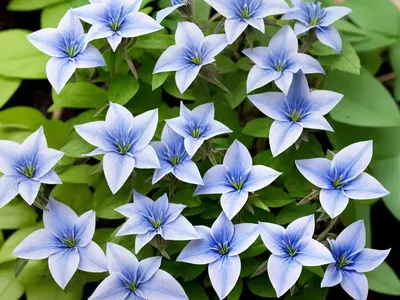
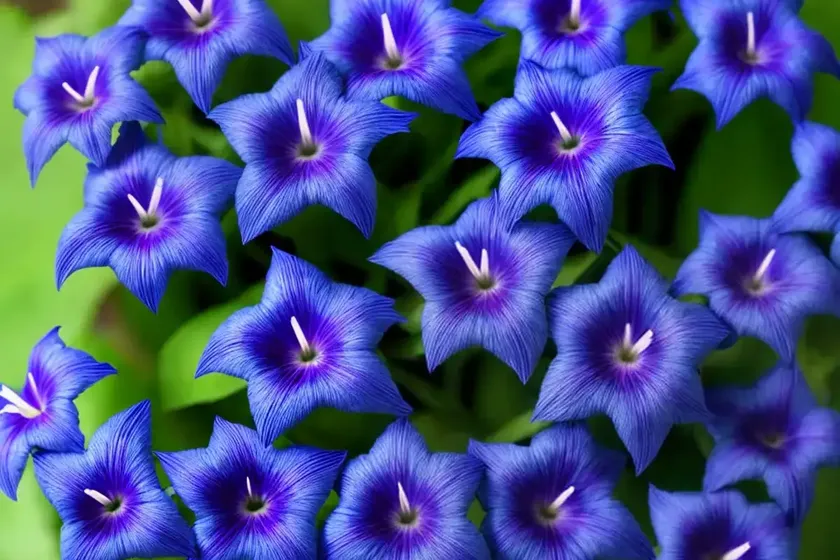
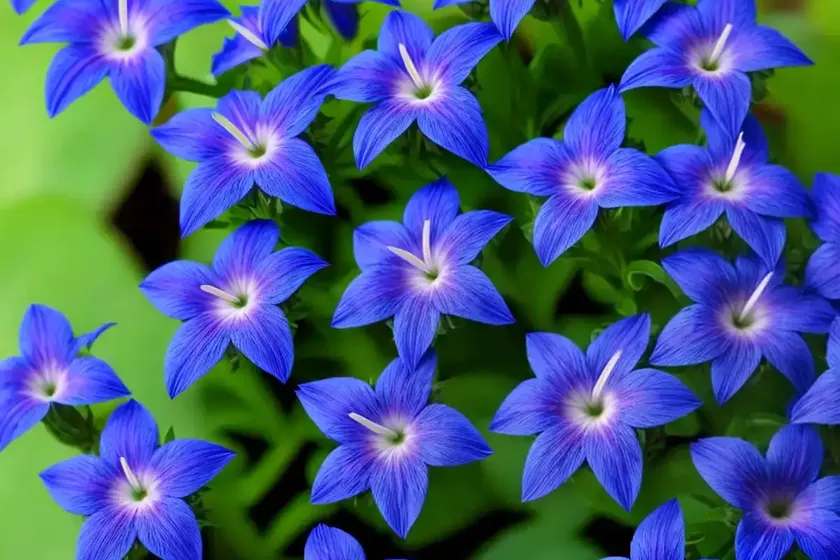
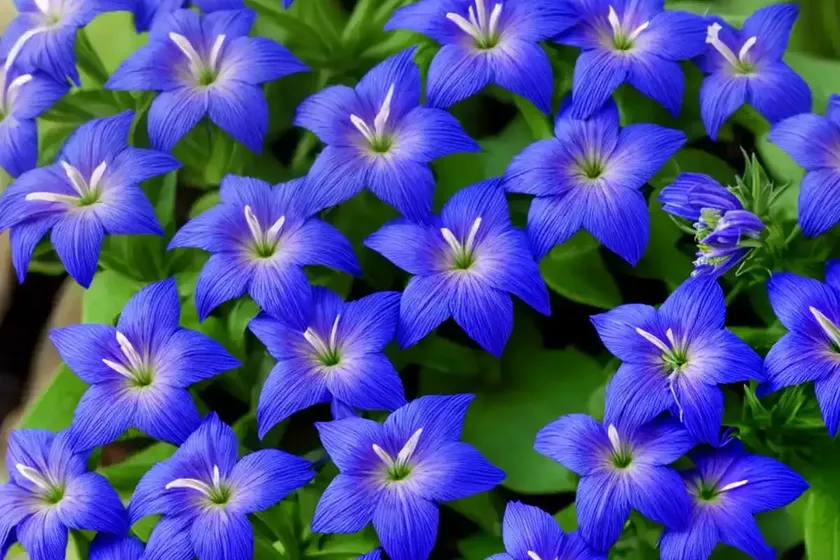
Blue Lobelia, or Lobelia siphilitica, is a striking perennial plant with erect stems that can reach heights of 2 to 3 feet. Its lance-shaped, dark green leaves form an attractive backdrop for the abundant clusters of vibrant blue, two-lipped flowers that bloom from mid to late summer. These flowers are a favorite among pollinators and can add a splash of color to any garden or landscape.
Key Takeaways
Before we delve into the intricate details of Blue Lobelia, let’s explore the key takeaways associated with this fascinating plant:
- Scientific Name: Lobelia siphilitica
- Common Name: Blue Lobelia
- Plant Type: Herbaceous perennial
- Native Habitat: Eastern and central regions of North America
- Flower Color: Vivid blue
- Height: 2 to 3 feet
- Attracts: Butterflies, hummingbirds
- Uses: Ornamental, medicinal
- Hardiness Zones: 4 to 9
Now that we have a brief overview of Blue Lobelia, let’s uncover the essential aspects of its culture, uses, and care guidelines.
Culture of Blue Lobelia (Lobelia Siphilitica)
Cultivating Blue Lobelia successfully requires an understanding of its specific cultural requirements, including water, sunlight, soil, and fertilization needs. Whether you’re planning to incorporate Blue Lobelia into your garden, landscape, or container, mastering its cultural aspects is crucial for its optimal growth and well-being.
Uses
Before we delve into the cultural requirements of Blue Lobelia, let’s take a brief look at its uses:
- Ornamental Purposes: Blue Lobelia is primarily grown for its stunning blue flowers, making it a popular choice for adding color to gardens, borders, and rock gardens.
- Pollinator Attraction: The nectar-rich flowers of Blue Lobelia attract butterflies, bees, and hummingbirds, contributing to the overall biodiversity of the garden.
- Medicinal Uses: Historically, certain Native American tribes used Blue Lobelia for medicinal purposes, particularly in the treatment of respiratory conditions. However, it’s important to note that the plant contains toxic alkaloids and should be used with caution under the guidance of a qualified herbalist or healthcare professional.
Water
Blue Lobelia thrives in consistently moist soil and is well-suited for wet or boggy areas in the garden. While it prefers moist conditions, it is important to avoid waterlogged soil, as this can lead to root rot and other issues. Adequate irrigation is essential, especially during dry periods, to maintain a healthy and vibrant display of flowers.
Sunlight
In terms of sunlight requirements, Blue Lobelia performs best in partial shade to full sun. It can tolerate morning sun and dappled shade in the afternoon, making it adaptable to various light conditions. When grown in hotter climates, providing some shade during the peak of the day can help prevent the plant from experiencing heat stress.
Fertilizer
Blue Lobelia generally doesn’t require heavy fertilization, especially if it is planted in nutrient-rich soil. However, incorporating a balanced, slow-release fertilizer during the growing season can promote healthy growth and prolific flowering. Be cautious not to over-fertilize, as this can lead to excessive foliage at the expense of flowers.
Soil
Regarding soil requirements, Blue Lobelia thrives in organically rich, moist, and well-draining soil. It performs well in slightly acidic to neutral soil pH levels. If you have clay soil, amending it with organic matter such as compost can improve drainage and enhance the overall soil quality for Blue Lobelia.
Pruning and Propagation of Blue Lobelia (Lobelia Siphilitica)
Pruning and propagation are pivotal aspects of Blue Lobelia maintenance and expansion. Understanding the best practices for these activities is essential for promoting vigorous growth, maintaining plant health, and creating new specimens for your garden or landscape.
Pruning
Pruning Blue Lobelia is relatively straightforward and primarily focuses on removing spent flowers and any dead or damaged foliage. Regular deadheading, or the removal of faded blooms, can encourage the plant to produce additional flowers and prolong the blooming period. Additionally, pruning any withered or discolored leaves can enhance the plant’s aesthetic appeal and prevent the spread of disease.
Propagation
Blue Lobelia can be propagated through division or seed sowing. When dividing established plants, it’s best to do so in early spring or fall, ensuring that each division has a sufficient root system and healthy shoots. For those interested in growing Blue Lobelia from seed, collecting and sowing ripe seeds in a suitable seed-starting medium during the spring can yield new plants for your garden or containers.
Container Popularity
Due to its compact size and stunning flowers, Blue Lobelia is a popular choice for container gardening. Its ability to thrive in consistently moist conditions makes it well-suited for container cultivation, especially in settings where the soil may not retain sufficient moisture. Whether grown in standalone containers or incorporated into mixed planters, Blue Lobelia can add a vibrant touch to porches, patios, and balconies.
Common Diseases and Pests of Blue Lobelia (Lobelia Siphilitica)
Like many plants, Blue Lobelia is susceptible to certain diseases and pests that can affect its overall health and vigor. Recognizing the signs of common issues and implementing appropriate measures can help safeguard your Blue Lobelia from potential threats.
Common Diseases
Blue Lobelia is generally resilient against disease, especially when provided with suitable growing conditions. However, it can occasionally encounter issues such as powdery mildew, rust, and leaf spot diseases. These diseases are often favored by humid and crowded growing conditions and can be mitigated through proper spacing, adequate air circulation, and, if necessary, the application of fungicidal treatments.
Disease Diagnosis
When diagnosing diseases in Blue Lobelia, it’s essential to observe the characteristic symptoms, such as powdery white patches on foliage for powdery mildew, or discolored spots and lesions for leaf spot diseases. Conducting regular inspections and promptly addressing any signs of disease can prevent the spread and minimize the impact on the plant’s overall health.
Common Pests
While Blue Lobelia is relatively resistant to pests, it may occasionally attract aphids, slugs, and snails. These pests can feed on the plant’s foliage and flowers, compromising its visual appeal and potentially stunting its growth. Implementing integrated pest management strategies, such as using natural predators or applying organic pest control measures, can help manage pest populations without harming beneficial insects and pollinators.
Botanist’s Tips for Blue Lobelia (Lobelia Siphilitica)
Here are some additional tips to enhance your experience with Blue Lobelia:
- Companion Plants: Pair Blue Lobelia with other moisture-loving perennials such as Astilbe, Ligularia, or Japanese iris for a captivating display in wet or boggy areas of the garden.
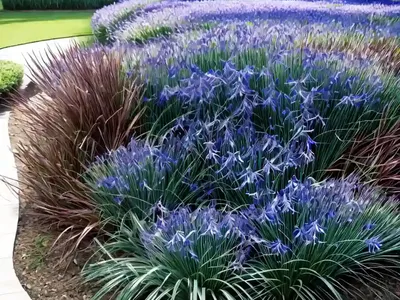
- Landscaping Ideas: Incorporate Blue Lobelia into woodland gardens, rain gardens, or alongside ponds or streams to create a naturalistic and visually appealing landscape.
- Winter Care: In colder climates, provide a layer of mulch around the base of the plant in late fall to insulate the roots and protect them from freezing temperatures.
- Herbal Remedy Caution: As mentioned earlier, while Blue Lobelia has historical uses in herbal remedies, it contains toxic alkaloids and should only be used under expert guidance.
With these botanist’s tips in mind, you can optimize the cultivation and maintenance of Blue Lobelia in your garden or landscape.
Fun Facts about Blue Lobelia (Lobelia Siphilitica)
In addition to its ornamental and ecological significance, Blue Lobelia boasts some intriguing and delightful facts:
- Blue Lobelia is named after the Flemish botanist Matthias de Lobel, known for his contributions to the field of botany during the Renaissance.
- Its vibrant blue flowers not only attract pollinators but also captivate the human eye, making it a cherished addition to gardens and natural landscapes.
- Blue Lobelia has been a subject of folklore and traditional uses among certain Native American tribes, contributing to its cultural and historical value.
Discovering these fun facts adds a layer of appreciation for the captivating allure and rich heritage of Blue Lobelia, further enriching the experience of cultivating this remarkable plant.
Links to External Resources
For those keen on exploring more information about Blue Lobelia, here are some valuable external resources to dive deeper into the world of Lobelia siphilitica:
- The Spruce – Blue Lobelia (Lobelia Siphilitica)
- Missouri Botanical Garden – Lobelia Siphilitica
- Wildflower Center – Lobelia Siphilitica
- RHS – Lobelia Siphilitica
- North Carolina Extension Gardener Plant Toolbox – Lobelia Siphilitica
These resources offer a wealth of knowledge, guidance, and inspiration for Blue Lobelia enthusiasts, providing botanical insights, cultivation tips, and conservation efforts related to this remarkable plant.
Conclusion
Blue Lobelia (Lobelia siphilitica) stands as a captivating and ecologically valuable perennial plant, cherished for its vibrant blue flowers, pollinator-attracting properties, and cultural significance. Through understanding its cultural requirements, maintenance practices, and ecological role, gardeners and nature enthusiasts can foster a deeper appreciation for this native North American species and contribute to its conservation and horticultural enrichment.
As you embark on your journey with Blue Lobelia, may this comprehensive guide serve as a valuable companion, enriching your knowledge and passion for this enchanting herbaceous perennial. Whether you’re cultivating it for its ornamental beauty, ecological contributions, or historical lore, Blue Lobelia is an emblem of botanical wonder and natural splendor.
In its radiant blue blooms, may you find inspiration, delight, and a deeper connection to the enchanting world of plants.
With Blue Lobelia, let the beauty of nature bloom in your heart and garden.