Camassia quamash (Camas): An In-Depth Guide
Plants have always been a source of wonder and fascination to humans. Their various forms, colors, and uses have captivated our attention for centuries. One such plant that has garnered attention for its cultural significance, ornamental value, and historical uses is the Camassia quamash or Camas. In this comprehensive guide, we will delve into the unique characteristics, cultivation, uses, and much more about this extraordinary plant.
What is Camassia quamash?
Camassia quamash, commonly known as Camas, is a perennial plant that belongs to the Asparagaceae family. It is native to North America and is particularly prevalent in the Pacific Northwest region. The plant is known for its vibrant blue flowers and its historical significance as a food source for Native American tribes.
Camas has a rich cultural history and has been used by indigenous communities for its edible bulbs. The plant is a vital part of the ecosystem, providing food for pollinators and serving as a striking ornamental plant in gardens and landscapes.
Key Takeaways
Before we dive into the details of Camassia quamash, let’s highlight some key takeaways.
- Cultural Significance: Camas holds immense cultural significance for Native American tribes and has been a traditional food source for centuries.
- Ornamental Value: The plant’s captivating blue flowers make it a sought-after addition to gardens and landscapes.
- Perennial Nature: Camas is a perennial plant, known for its resilience and ability to naturalize in appropriate environments.
- Habitat Support: Camassia quamash serves as a vital habitat and food source for wildlife and pollinators.
Now, let’s explore the various aspects of Camas in more detail, including its cultivation, uses, characteristics, and care requirements.
Plant Name: Camassia quamash (Camas)
Camassia quamash Benefits
Camas offers a range of benefits, from its historical uses as a food source to its ornamental value in modern landscapes. Some key benefits include:
- Cultural Significance: The plant has deep roots in Native American traditions and has been an essential part of their diet and cultural practices.
- Ornamental Value: Camas adds a splash of vibrant color and natural beauty to gardens, meadows, and natural landscapes.
Camassia quamash Uses
The uses of Camassia quamash are diverse and encompass both historical and modern applications. Some notable uses are:
- Historical Food Source: The bulbs of Camas were historically harvested and used as a food source by Native American tribes.
- Ornamental Plant: In modern times, Camas is widely sought after for its aesthetic appeal and is used in gardens, landscapes, and naturalized settings.
Camassia quamash Characteristics
Understanding the unique characteristics of Camassia quamash is essential for successful cultivation and appreciation of the plant. Some key characteristics include:
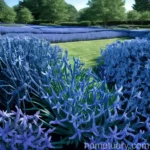
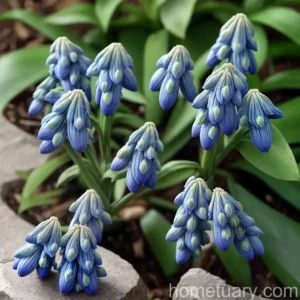
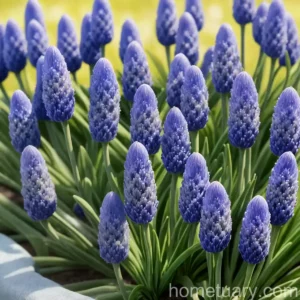
- Vibrant Blue Flowers: Camas produces striking blue flowers that add a pop of color to the surroundings.
- Perennial Growth: As a perennial plant, Camas returns year after year, showcasing its beauty and resilience.
Camassia quamash Growth
Camas has distinct growth patterns and requirements that are essential to consider for its cultivation and maintenance. Some growth-related aspects include:
- Bulbous Growth: The plant grows from bulbs, which should be planted at the appropriate depth for optimal growth and blooming.
- Naturalization: Camas has the ability to naturalize and spread in suitable growing conditions, forming visually captivating displays.
Camassia quamash Care
Proper care is fundamental for the health and vitality of Camassia quamash. From sunlight to watering, several care aspects merit attention:
- Watering: Camas typically prefers moist, well-drained soil, especially during the growing season. Adequate watering is crucial for healthy growth and blooming.
- Sunlight: The plant thrives in full to partial sunlight and should be provided with the appropriate light conditions for best results.
Camassia quamash Plant
A closer look at the structure and parts of the Camassia quamash plant is essential for understanding its biology and cultivation. Some aspects of the plant include:
- Foliage: The plant features graceful, linear leaves that complement the beauty of its flowers.
- Flowers: Camas produces tall spikes adorned with clusters of vibrant blue flowers, creating a stunning visual display.
Camassia quamash Flowers
The captivating flowers of Camas are a significant highlight of the plant’s appeal. Understanding their characteristics enhances the appreciation of this ornamental feature:
- Color: The flowers boast a striking shade of blue, which adds a touch of elegance to any environment where the plant is grown.
- Blooming Period: Camas typically blooms in the spring, offering a delightful display of color and natural beauty.
Camassia quamash Bulbs
The bulbs of Camas play a crucial role in the plant’s growth and renewal. Exploring the unique traits of the bulbs enriches our understanding of this plant:
- Edible Bulbs: Historically, the bulbs of Camas were prized as a food source and were harvested for their nutritional value.
- Propagation: The bulbs serve as the primary method of propagation for Camas, allowing for the expansion of its presence in suitable habitats.
Camassia quamash Cultivation
Successful cultivation of Camas requires attention to specific growth and environmental requirements. Some key cultivation aspects include:
- Soil Preferences: Camas thrives in well-drained soil with sufficient moisture, and proper soil preparation is essential for its cultivation.
- Naturalization: The plant has a naturalizing tendency and can be cultivated in a manner that allows it to spread and form visually appealing clusters.
Camassia quamash Species
An exploration of the various species of Camassia quamash provides insights into the diversity within this plant genus. Understanding different species expands our knowledge of this plant group:
- Species Diversity: The Camassia genus encompasses several species, each with its distinct characteristics and geographical distribution.
Camassia quamash Varieties
As with many plants, Camassia quamash boasts different varieties, each with its unique attributes and visual appeal. Some notable varieties include:
- Camassia quamash ‘Blue Melody’
- Camassia quamash ‘Caerulea’
- Camassia quamash ‘Pole Star’
Camassia quamash Native Habitat
Exploring the natural habitat of Camassia quamash offers valuable insights into its ecological preferences and distribution. Some aspects of its native habitat include:
- Geographical Range: Camas is native to specific regions of North America, particularly the Pacific Northwest.
- Habitat Preferences: The plant thrives in moist meadows, prairies, and other open areas, where it can display its full beauty.
Camassia quamash Garden
Integrating Camas into garden settings can enhance the visual appeal and ecological value of the space. Some garden-related considerations include:
- Companion Plants: Pairing Camas with suitable companion plants can create visually engaging and ecologically beneficial garden displays.
- Design Elements: The plant can be used to add a touch of natural beauty and color to both formal and informal garden settings.
Camassia quamash Landscaping
Camas is a valuable addition to landscaping projects, offering both aesthetic and ecological benefits. When employed in landscaping, Camas contributes to:
- Naturalization: In appropriate landscapes, Camas can be utilized to create naturalized plantings that enhance the visual appeal of outdoor spaces.
Camassia quamash Planting Tips
Successful planting is essential for the establishment and growth of Camassia quamash. Some planting tips include:
- Bulb Planting: Plant bulbs at the appropriate depth and spacing to ensure optimal growth and visual impact.
- Seasonal Considerations: Timing the planting of Camas bulbs is crucial for successful establishment and blooming in the following seasons.
Camassia quamash Soil Preferences
Understanding the soil preferences of Camassia quamash is fundamental for creating suitable growing conditions. Some soil-related aspects to consider are:
- Moisture Retention: Camas prefers soil that retains moisture while being well-drained, creating a balanced growing environment for the plant.
Camassia quamash Naturalization
Embracing the naturalizing tendencies of Camassia quamash can lead to striking and ecologically valuable landscape displays. Some considerations for naturalization include:
- Visual Impact: Naturalized plantings of Camas can create visually captivating displays, especially when the plant spreads and forms clusters.
- Ecological Value: Naturalized Camas plantings provide essential habitat and food sources for pollinators and wildlife.
Camassia quamash Medicinal Uses
Camas has a historical background of medicinal uses and offers potential health benefits. Exploring these medicinal uses sheds light on the plant’s traditional significance:
- Cultural Practices: Native American tribes historically utilized Camas for its medicinal properties, highlighting its cultural and ecological significance.
Camassia quamash Wildlife Habitat
The ecological role of Camassia quamash in supporting wildlife and biodiversity is a significant aspect of its value. Some ways in which Camas supports wildlife include:
- Pollinator Support: The plant’s flowers attract pollinators, offering essential nectar and habitat support.
- Ecological Niche: Camas provides food and habitat for a range of wildlife species, contributing to the overall biodiversity of its habitat.
Camassia quamash Pollinator Plant
As a pollinator-friendly plant, Camas plays a vital role in supporting pollinators and contributing to ecosystem health. Its significance as a pollinator plant includes:
- Nectar Source: The flowers of Camas provide a valuable nectar source for various pollinators, supporting their health and populations.
Camassia quamash Blooming Period
Understanding the blooming period of Camassia quamash aids in planning and appreciating its seasonal display. Some aspects of its blooming period include:
- Seasonal Display: Camas typically blooms in the spring, creating a welcome burst of color and natural beauty after the winter months.
Camassia quamash Perennial
As a perennial plant, Camas offers long-term beauty and ecological benefits, returning year after year. Its perennial nature signifies:
- Longevity: Camassia quamash persists for multiple years, showcasing its beauty and contributing to the ecological stability of its habitat.
Camassia quamash Ornamental
Camas’s ornamental value makes it a sought-after plant for both natural and cultivated settings. Its ornamental significance includes:
- Aesthetic Appeal: The striking blue flowers and graceful foliage of Camas add visual appeal and natural beauty to landscapes.
Camassia quamash Spring Flowers
The spring-flowering nature of Camassia quamash contributes to the seasonal dynamics of gardens and natural environments. Its spring flowers signal:
- Seasonal Transition: The emergence of Camas flowers heralds the arrival of spring, bringing color and vitality to outdoor spaces.
Camassia quamash Bulbous Plant
The bulbous nature of Camas is a defining feature of its growth and propagation. Its status as a bulbous plant signifies:
- Growth Structure: Camas produces and propagates through bulbs, which play a significant role in its lifecycle and expansion.
Camassia quamash Hardiness
Understanding the hardiness of Camassia quamash is essential for selecting suitable growing conditions. Its hardiness includes:
- Environmental Resilience: Camas exhibits resilience in the face of varying environmental conditions, making it adaptable to diverse settings.
Camassia quamash Propagation
The propagation of Camas is crucial for expanding its presence in suitable habitats and cultivation. Some propagation methods include:
- Bulb Division: Dividing bulbs and replanting them is a common method of propagating Camas and increasing its population.
Camassia quamash Spreading
The spreading nature of Camassia quamash offers the potential for creating visually captivating plant displays. Its spreading tendencies include:
- Cluster Formation: Camas can spread and form clusters, enhancing the visual impact of its presence in natural and cultivated settings.
Camassia quamash Landscape Design
Integrating Camas into landscape designs elevates the aesthetic and ecological value of outdoor spaces. Considerations for landscape design include:
- Visual Impact: Camas can be strategically incorporated into landscape designs to create visually stunning and ecologically supportive environments.
Camassia quamash Natural Garden
Developing natural gardens with Camas enhances the ecological value and visual appeal of outdoor spaces. Some aspects of natural gardens with Camas include:
- Habitat Integration: Camas can be utilized in natural garden designs to provide vital habitat and foraging opportunities for wildlife.
Camassia quamash Seasonal Interest
The seasonal interest of Camassia quamash contributes to the dynamic and ever-changing nature of outdoor environments. Its seasonal interest signifies:
- Seasonal Variation: Camas offers seasonal interest, particularly during its blooming period, adding diversity to outdoor spaces.
Camassia quamash Traditional Uses
The traditional uses of Camas shed light on its historical and cultural significance, providing valuable insights into its past and present role:
- Native American Practices: Camas has been a traditional food source for Native American tribes, reflecting its cultural and ecological importance.
Camassia quamash Wildflower
Camas’s status as a wildflower signifies its natural beauty and ecological role in open landscapes. Its significance as a wildflower includes:
- Open Habitat Presence: Camas thrives in open habitats and contributes to the natural beauty of meadows and prairies.
Camassia quamash Indigenous Plant
The indigenous nature of Camas underscores its deep-rooted ecological and cultural significance. Its status as an indigenous plant signifies:
- Native Presence: Camas holds a native status in specific regions, reflecting its historical and ecological ties to the landscape.
Camassia quamash Foraging
The historical foraging of Camas for its edible bulbs plays a crucial role in its traditional uses and cultural significance. Exploring Camas foraging includes:
- Traditional Harvesting: Native American tribes traditionally foraged for Camas bulbs, utilizing them as an essential food source.
Camassia quamash Food Source
The historical and cultural significance of Camas as a food source is a central aspect of its value for indigenous communities. Its role as a food source signifies:
- Nutritional Value: The bulbs of Camas were historically harvested and utilized for their nutritional content and sustenance.
Camassia quamash Ethnobotany
Ethnobotanical perspectives on Camas shed light on its relationship with humans and its traditional uses. Exploring its ethnobotanical significance includes:
- Cultural Practices: Camas has been an integral part of indigenous cultures, serving as a food source and holding cultural significance.
Camassia quamash Historical Uses
The historical uses of Camas offer insights into its adaptive and multi-faceted role in human societies over time. Its historical uses encompass:
- Cultural Traditions: Camas has been utilized for its nutritional and cultural significance, forming a vital part of historical practices.
Camassia quamash Reseeding
The reseeding capabilities of Camas contribute to its naturalization and ecological impact. Its ability to reseed signifies:
- Regeneration Potential: Camas can self-seed and perpetuate its presence in suitable habitats, contributing to its sustainability.
Camassia quamash Plant Family
Exploring the plant family of Camas provides valuable botanical insights and broadens our understanding of its taxonomic context. Its plant family includes:
- Asparagaceae Family: Camas belongs to the Asparagaceae family, which encompasses a diverse range of plants with unique characteristics.
Camassia quamash Bulb Care
Proper care of Camas bulbs is essential for their health, growth, and long-term vitality. Bulb care includes:
- Storage: Storing Camas bulbs correctly during dormancy periods helps maintain their viability and health for future growth.
Camassia quamash Companion Plants
Selecting suitable companion plants for Camas enhances the visual appeal and ecological value of garden and landscape settings. Companion plants include:
- Native Wildflowers: Pairing Camas with native wildflowers can create visually engaging and ecologically supportive plant communities.
Camassia quamash Landscaping Ideas
Incorporating Camas into landscaping offers various creative possibilities with both aesthetic and ecological value. Landscaping ideas include:
- Naturalized Plantings: Using Camas in naturalized settings can create dynamic and visually captivating landscapes with seasonal interest.
Camassia quamash Showy Flowers
The showy nature of Camas flowers adds vibrancy and allure to outdoor environments, capturing the attention of observers. Their showy nature signifies:
- Visual Impact: Camas flowers command attention with their striking color and graceful presence, adding beauty to their surroundings.
Camassia quamash Spring Bloomer
As a spring-blooming plant, Camas contributes to the annual springtime spectacle of natural environments. Its status as a spring bloomer highlights:
- Seasonal Dynamics: Camas adds to the seasonal transition with its vibrant display of blooms, signaling the arrival of spring.
Camassia quamash Meadow
Incorporating Camas into meadow landscapes enriches the biodiversity and aesthetic appeal of such environments. Some aspects of Camas meadows include:
- Biodiversity Support: Camas contributes to the biodiversity of meadows, providing essential habitat and food sources for wildlife.
Camassia quamash Wetland Plant
Camas’s adaptability to wetland environments enhances its ecological value and habitat support for such areas. Its status as a wetland plant includes:
- Moisture Tolerance: Camas exhibits an ability to thrive in wetter environments, contributing to wetland biodiversity.
Camassia quamash Bee-Friendly
The pollinator-friendly nature of Camas makes it a valuable addition to bee-friendly landscapes and gardens. Its role as a bee-friendly plant includes:
- Nectar Source: Camas provides essential nectar for bees and other pollinators, supporting their health and populations.
Camassia quamash Drought-Tolerant Plant
Camas’s resilience to drought conditions signifies its adaptability and environmental suitability. Its status as a drought-tolerant plant includes:
- Water Conservation: Camas exhibits the ability to withstand periods of drought, making it suitable for water-wise landscapes.
Camassia quamash: A Plant of Enduring Significance
Camassia quamash, with its rich cultural history, ornamental beauty, and ecological contributions, stands as a plant of enduring significance. From its traditional uses as a food source to its role in supporting wildlife and adding natural beauty to landscapes, Camas exemplifies the multi-faceted value of plants in our lives.
As we continue to appreciate and cultivate plants such as Camassia quamash, we deepen our connection to the natural world and gain a greater understanding of the intricate relationships between plants, people, and the environment.
Botanist’s Tips for Camassia Quamash
- Plant Camas bulbs at the appropriate depth and spacing for optimal growth and blooming.
- Provide adequate moisture and well-drained soil to support the healthy development of Camas plants.
- Incorporate Camassia quamash into naturalized settings to create visually captivating displays and support local biodiversity.
Fun Facts About Camassia Quamash
- The bulbs of Camas were historically used as a food source by Native American tribes, and Camas