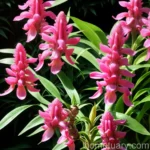
Chelone Glabra (White Turtlehead): A Comprehensive Guide to Growth and Care
Plants are an essential part of the natural world, providing beauty and functionality to ecosystems and gardens alike. Each plant species offers unique characteristics and requirements for growth, making it essential for plant enthusiasts to understand the specific needs of the plants they cultivate. In this guide, we will delve into the realm of Chelone glabra, commonly known as White Turtlehead, and explore its culture, uses, care requirements, and more. This comprehensive guide aims to provide valuable insights for anyone interested in understanding this magnificent plant species.
What is Chelone glabra (White Turtlehead)?
Chelone glabra, also known as White Turtlehead, is a herbaceous perennial plant belonging to the family Plantaginaceae. This native North American plant species is cherished for its unique appearance and is often found in wetland habitats, such as swamps, wet meadows, and stream banks. The common name “Turtlehead” is derived from the flower’s resemblance to a turtle’s head.
The plant’s scientific name, “Chelone glabra,” originates from Greek mythology, where Chelone was a nymph who was transformed into a turtle as a punishment for her insolence. “Glabra” refers to the plant’s smooth, glossy leaves which are a distinguishing feature of the species.
Key Takeaways – Chelone glabra (White Turtlehead)
Before delving into the specifics of Chelone glabra’s care, it’s important to highlight some key takeaways about this unique plant species. These insights will provide a foundational understanding of the plant’s characteristics and needs.
- Plant Name: Chelone glabra (White Turtlehead)
- Family: Plantaginaceae
- Common Names: White Turtlehead, Balmony
- Native Habitat: North America
- Habit: Herbaceous Perennial
- Bloom Time: Late Summer to Early Fall
Culture
Understanding the culture and origin of Chelone glabra is vital for cultivating the plant in a manner that replicates its natural habitat and promotes optimal growth. From its preferred growing conditions to its traditional uses, the cultural aspects of this species provide valuable insights for plant enthusiasts.
Uses
In Traditional Medicine
Chelone glabra has a long history of use in traditional Native American medicine. Native tribes, such as the Iroquois, used the plant to address various ailments, including lung and liver problems. The plant’s traditional medicinal uses have made it an essential component of herbal medicine practices.
Wildlife Habitat Value
In addition to its medicinal uses, Chelone glabra serves as a valuable component of wildlife habitats. The plant provides nectar for pollinators and is an essential food source for various insects, making it a crucial species for maintaining biodiversity in wetland ecosystems.
Water
Given its natural habitat in wetland areas, Chelone glabra has a preference for moist soil. Adequate water is crucial for the plant’s growth and health, especially during the establishment phase. While the plant thrives in moist conditions, it is essential to avoid water logging, which may lead to root rot and other issues.
Sunlight
Chelone glabra is suited for partial to full shade, mirroring the conditions of its natural habitat. When cultivated in gardens, the plant should be placed in locations that provide dappled sunlight or partial shade. While the plant can tolerate some direct sunlight, especially in cooler climates, it generally prefers shelter from intense sun exposure.
Fertilizer
While Chelone glabra can thrive in nutrient-rich soils, excessive fertilization should be avoided. A balanced, slow-release fertilizer is suitable for the plant, particularly during the growing season. Over-fertilization may lead to excessive foliage growth at the expense of flower production.
Soil
The preferred soil type for Chelone glabra is moist, humus-rich soil with good drainage. The plant’s native habitats offer fertile, moist soils, and replicating these conditions in a garden setting can contribute to the plant’s overall health and vitality.
Pruning
Pruning Chelone glabra is generally minimal, focusing on the removal of spent flower stalks and any damaged or diseased foliage. Regular deadheading can encourage prolonged blooming and maintain the plant’s appearance.
Propagation
Propagation of Chelone glabra can be achieved through various methods, including seed propagation and division. While the plant can self-seed in suitable conditions, controlled propagation methods can ensure the preservation and proliferation of specific cultivars.
Seed Propagation
Seeds can be collected from mature flower heads and sown in a prepared seedbed or container. It is important to note that Chelone glabra seeds require a period of cold stratification before germination. The seeds can be sown in the fall for natural stratification over the winter, or artificially stratified in a refrigerator before sowing in early spring.
Division
Dividing established clumps of Chelone glabra can rejuvenate the plant and provide new specimens for propagation. The division process involves carefully digging up the plant and separating the rooted sections, ensuring that each division has sufficient roots and shoots for successful establishment.
Container Popularity
Chelone glabra’s unique appearance and low maintenance requirements have made it a popular choice for container gardening. The plant’s adaptability to moist conditions makes it well-suited for container cultivation, particularly for individuals seeking to create water-wise container gardens or enhance the visual appeal of outdoor spaces.
Container Common Diseases
While container gardening can provide favorable conditions for plant growth, it is important to be aware of potential diseases and issues that may affect Chelone glabra when grown in containers. Common diseases that may impact the plant in container settings include:
- Root Rot: Over-watering or poor drainage can lead to root rot, affecting the plant’s overall health.
- Powdery Mildew: Conditions of high humidity and poor air circulation can foster powdery mildew, leading to a decline in plant vigor.
Disease Diagnosis
Diagnosing and addressing diseases in container-grown Chelone glabra involves careful observation and proactive measures. Regular monitoring for signs of disease, such as yellowing foliage, wilting, or powdery residue on the leaves, can aid in early detection and treatment.
Common Pests
Pests such as aphids, spider mites, and slugs can pose a threat to container-grown Chelone glabra. Vigilant monitoring and preventive measures, such as maintaining a clean growing environment and using natural pest control methods, can help mitigate pest issues in container gardens.
Botanist’s Tips
As a plant scientist dedicated to the study and cultivation of Chelone glabra, I have encountered various insights and tips that can enhance the successful growth of this remarkable plant species. These tips are based on scientific knowledge and practical experience, aiming to assist plant enthusiasts in cultivating healthy and thriving Chelone glabra specimens.
- Promote Soil Moisture: In both garden and container settings, maintaining consistent soil moisture is essential for Chelone glabra. Mulching around the plant can help retain soil moisture and prevent rapid drying, contributing to the plant’s overall health and vigor.
- Encourage Wildlife Diversity: By cultivating Chelone glabra, gardeners can contribute to the enhancement of wildlife habitats, particularly in wetland restoration projects and wildlife garden initiatives. The plant’s value as a pollinator-friendly species and habitat plant underscores its role in supporting biodiversity.
- Sustainably Harvest Seeds: To support the conservation of Chelone glabra and its genetic diversity, sustainable seed harvesting methods can be employed. By collecting seeds responsibly and sharing them within gardening communities, enthusiasts can contribute to the preservation of the species.
Fun Facts
Exploring the unique characteristics and history associated with Chelone glabra unveils various fascinating aspects that add depth to the plant’s significance. Discovering these fun facts can further deepen one’s appreciation for this remarkable species.
- The distinctive shape of Chelone glabra’s flowers, resembling the head of a turtle, serves as a captivating feature in garden landscapes and natural settings.
- Chelone glabra has inspired various folklore and stories, with the plant’s appearance and unique growth habits captivating the imagination of individuals throughout history.
Links to External Resources
For further exploration of Chelone glabra and its cultivation, the following external resources offer valuable information, insights, and perspectives from experts and gardening communities:
- Native Plant Trust: Chelone glabra
- The New York Times: Gardening Tips for Chelone glabra
- Royal Horticultural Society: Chelone glabra Growing Guide
Conclusion
Chelone glabra, with its unique characteristics and cultural significance, stands as a captivating addition to gardens, natural landscapes, and restoration projects. By gaining a deeper understanding of the plant’s culture, care requirements, and ecological value, plant enthusiasts can cultivate and appreciate Chelone glabra with a heightened sense of knowledge and stewardship. Whether integrated into wildlife gardens, wetland restoration initiatives, or traditional medicinal plant collections, Chelone glabra embodies the beauty and resilience of native plant species, enriching the tapestry of the natural world.
In this comprehensive guide to Chelone glabra (White Turtlehead), we’ve explored the plant’s culture, uses, care requirements, and fascinating aspects that contribute to its significance in natural ecosystems and garden landscapes. The insights and tips provided aim to empower plant enthusiasts with the knowledge needed to cultivate, appreciate, and conserve this remarkable plant species. Whether established as a focal point in a garden or integrated into conservation efforts, Chelone glabra offers a multitude of opportunities for exploration and stewardship within the realm of plant science and horticulture.
References
- Native Plant Trust: Chelone glabra. https://www.nativeplanttrust.org/plants/chelone-glabra
- The New York Times: Gardening Tips for Chelone glabra. https://www.nytimes.com/section/garden
- Royal Horticultural Society: Chelone glabra Growing Guide. https://www.rhs.org.uk/plants/popular/chelone-glabra