Camassia cusickii (Cusick’s Camass): A Beautiful and Unique Plant for Your Garden
Introduction
Camassia cusickii, commonly known as Cusick’s Camass, is a stunning and unique plant that can add beauty and elegance to any garden. This perennial plant is native to the Pacific Northwest of the United States and belongs to the Asparagaceae family. Its delicate flowers and graceful foliage make it a popular choice for gardeners looking to incorporate a touch of natural charm and beauty into their outdoor spaces.
Camassia cusickii Characteristics
Camassia cusickii boasts several noteworthy characteristics that make it an attractive choice for gardens. Some of these include:
- Flowering Period: The plant generally blooms in late spring to early summer, producing clusters of delicate, star-shaped flowers.
- Growth Habit: Cusick’s Camass exhibits a clump-forming growth habit, creating an attractive display of foliage and flowers.
- Habitat: It is typically found in meadows, prairies, and open woodlands, thriving in areas with moist, well-drained soil.
- Naturalization: Due to its naturalization capabilities, Cusick’s Camass can form expansive colonies over time, creating a spectacle of blooming flowers.
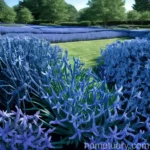
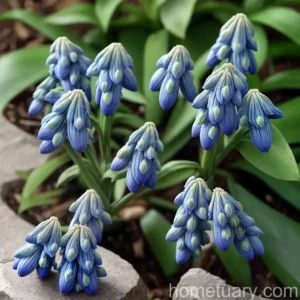
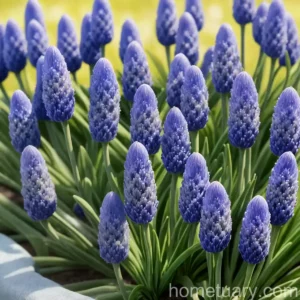
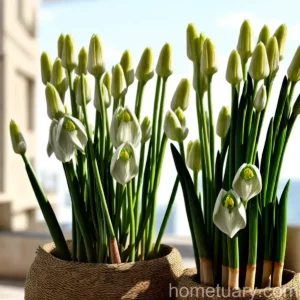
- Ornamental Features: The plant’s tall, slender stems and vibrant blue or white flowers make it an eye-catching addition to any landscape.
Cusick’s Camass Plant Profile
As a plant scientist, it’s important to understand the specific profile of Camassia cusickii to ensure its successful cultivation and maintenance. Let’s take a closer look at the key aspects of Cusick’s Camass:
| Aspect | Details |
|---|---|
| Scientific Name | Camassia cusickii |
| Common Name | Cusick’s Camass |
| Family | Asparagaceae |
| Plant Type | Perennial |
| Native Range | Pacific Northwest, United States |
| Flower Color | Blue or White |
| Sunlight Requirement | Full to Partial Sun |
| Soil Preference | Moist, Well-Drained |
| Watering Needs | Moderate to High |
| Height | Up to 2-3 feet |
| Flowering Period | Late Spring to Early Summer |
| Habitat | Meadows, Prairies, Open Woodlands |
| USDA Hardiness Zones | 5-8 |
| Landscape Uses | Borders, Meadows, Naturalized Areas, Cottage Gardens |
Camassia cusickii Care Tips
Successful cultivation and care of Camassia cusickii require attention to its specific needs. Here are some essential tips for growing Cusick’s Camass successfully:
Water
- Watering Needs: Cusick’s Camass prefers consistently moist soil, especially during its active growth and flowering period.
- Watering Frequency: Water the plant whenever the soil starts to dry out, and ensure adequate moisture during prolonged dry spells.
Sunlight
- Sun Exposure: The plant thrives in full to partial sunlight, needing at least 6 hours of direct sunlight daily for optimal growth and flowering.
Soil
- Soil Type: Cusick’s Camass prefers well-drained, moderately fertile soil. Avoid waterlogged or heavy clay soils, as they can lead to root rot.
Fertilizer
- Fertilization: A light application of balanced, slow-release fertilizer in early spring can support healthy growth and flower production.
Pruning
- Pruning Needs: Minimal pruning is required for Cusick’s Camass. Remove spent flower stalks after blooming to maintain the plant’s appearance.
How to Grow Cusick’s Camass
Growing Camassia cusickii in your garden can be a rewarding experience, provided you follow the right steps. Here’s a step-by-step guide to cultivating Cusick’s Camass:
- Site Selection: Choose a well-drained, sunny location for planting Cusick’s Camass, ensuring that the soil remains consistently moist.
- Planting Time: Plant the bulbs in fall, at a depth of 4-6 inches and a spacing of 6-8 inches apart.
- Soil Preparation: Amend the soil with organic matter to improve drainage and fertility, creating an ideal growing environment for the bulbs.
- Watering: Ensure that the newly planted bulbs receive ample moisture to encourage root establishment before the onset of winter.
- Maintenance: Once established, provide regular watering and minimal fertilization to support the plant’s growth and flowering.
Camassia cusickii Flowering Season
The flowering season of Camassia cusickii typically occurs from late spring to early summer, creating a mesmerizing display of vibrant blue or white flowers. The plant’s elegant floral clusters adorn the garden, attracting pollinators and adding a touch of natural beauty to the landscape.
Cusick’s Camass Planting Guide
For those looking to include Cusick’s Camass in their garden, following a comprehensive planting guide can ensure the successful establishment and growth of the plant:
Planting Steps
- Bulb Selection: Choose healthy, firm bulbs for planting, ensuring that they are free from any signs of damage or disease.
- Planting Depth: Place the bulbs at a depth of 4-6 inches in well-drained soil, with the pointed ends facing upwards.
- Spacing: Maintain a spacing of 6-8 inches between each bulb to allow for adequate air circulation and future growth.
- Watering: After planting, water the bulbs thoroughly to settle the soil and provide the initial moisture needed for root development.
- Mulching: Apply a layer of organic mulch over the planting area to conserve moisture and protect the bulbs during winter.
Camassia cusickii Maintenance
To ensure the continued health and beauty of Cusick’s Camass, regular maintenance practices are essential. Some key maintenance tasks include:
- Watering: Provide consistent moisture, especially during the plant’s active growth and flowering period.
- Fertilization: Apply a light, balanced fertilizer in early spring to support healthy foliage and flower production.
- Pruning: Remove spent flower stalks after blooming to maintain the plant’s appearance and encourage future flowering.
Cusick’s Camass Habitat
Native to the Pacific Northwest of the United States, Camassia cusickii thrives in habitats characterized by meadows, prairies, and open woodlands. The plant’s natural habitat provides insights into its ideal growing conditions and preferences, guiding gardeners in creating suitable environments for cultivation.
Camassia cusickii Natural Range
The natural range of Camassia cusickii encompasses the Pacific Northwest region of the United States, where it contributes to the native flora and ecosystem. Understanding the plant’s natural range can aid in conservation efforts and the promotion of its sustainable cultivation in appropriate regions.
Cusick’s Camass Soil Requirements
The soil preferences of Camassia cusickii play a crucial role in its successful growth and development. Understanding the plant’s soil requirements is essential for creating an ideal growing environment. Some key soil requirements include:
- Drainage: Well-drained soil is essential to prevent waterlogging and root rot, ensuring the plant’s overall health.
- Moisture: While the soil should be well-drained, it should also retain consistent moisture to support the plant’s growth and blooming.
Camassia cusickii Watering Needs
Proper watering is essential for the health and vitality of Cusick’s Camass. Understanding its specific watering needs can contribute to successful cultivation. Some essential points related to the plant’s watering requirements include:
- Moisture: The plant prefers consistently moist soil, especially during its active growth and flowering period.
- Watering Frequency: Monitor the soil moisture and water the plant whenever the soil begins to dry out, especially during dry spells.
Cusick’s Camass Sun Exposure
Sunlight plays a crucial role in the growth and flowering of Camassia cusickii. Understanding its sun exposure preferences can aid in optimizing its cultivation. Some key points related to the plant’s sun exposure include:
- Sunlight Requirement: Cusick’s Camass thrives in full to partial sunlight, needing at least 6 hours of direct sunlight daily for optimal growth and blooming.
Camassia cusickii Pests and Diseases
While generally resilient, Camassia cusickii can be susceptible to certain pests and diseases, affecting its overall health and appearance. Understanding potential issues and implementing preventive measures can help maintain the plant’s vigor. Some common pests and diseases include:
Common Diseases
- Botrytis Blight: This fungal disease can cause brown or gray spots on the plant’s foliage and flowers, leading to decay and wilting.
Disease Diagnosis
- Symptoms: Look for discolored spots, wilting foliage, and overall decline in plant health.
- Preventive Measures: Ensure proper air circulation, avoid overhead watering, and remove any affected plant parts to prevent the spread of the disease.
Common Pests
- Thrips: These tiny insects can cause damage to the plant’s foliage and flowers, leading to aesthetic and functional issues.
Botanist’s Tips
As a plant scientist, it’s important to share expert tips for the successful cultivation and care of Camassia cusickii. Some botanist’s tips for growing Cusick’s Camass include:
- Soil Preparation: Amend the soil with organic matter to improve drainage and fertility, creating an ideal growing environment for the bulbs.
- Moisture Management: Monitor soil moisture levels and water the plant as needed to maintain consistent moisture, especially during active growth and flowering.
- Mulching: Apply a layer of organic mulch to conserve soil moisture and protect the bulbs during winter.
Fun Facts
- The bulbs of Camassia cusickii were traditionally consumed by Native American tribes as a food source, highlighting their cultural and historical significance.
- The common name, Cusick’s Camass, honors the American botanist William Cusick, who extensively studied the flora of the Pacific Northwest.
Links to External Resources
For further information about Camassia cusickii, its cultivation, and related topics, explore the following external resources:
- Royal Horticultural Society – Camassia cusickii
- Plant Native – Cusick’s Camas
- Washington Native Plant Society – Cusick’s Camas
Conclusion
Camassia cusickii, with its enchanting flowers and graceful presence, is a plant that brings natural charm and beauty to gardens. Understanding its characteristics, care requirements, and significance in native ecosystems is essential for successful cultivation and appreciation of this unique species. By incorporating Cusick’s Camass into your garden, you can enjoy its stunning display of flowers and contribute to the conservation of native plants.
By following the provided guidelines and tips, gardeners can cultivate and maintain Camassia cusickii, enriching their outdoor spaces with the timeless allure of this remarkable plant.
Remember, the key to successful cultivation lies in understanding the plant’s specific needs and creating an environment that supports its growth and flowering. Whether used in meadows, borders, or naturalized areas, Camassia cusickii remains a captivating choice for gardeners seeking to enhance their landscapes with its natural beauty and cultural significance.